The Impact of Social Media on Information Literacy
2 August 2026
In today's digital age, social media has become an integral part of our daily lives. Whether it's scrolling through news feeds, catching up with friends, or debating trending topics, these platforms have changed the way we interact with information. But with this convenience comes a challenge—how does social media impact our ability to evaluate and use information effectively?
Information literacy, the ability to find, evaluate, and use information responsibly, is more critical than ever. Yet, with misinformation, biases, and echo chambers dominating online spaces, social media poses both opportunities and threats to information literacy. Let's dive in and explore what this really means.
What Is Information Literacy?
Before we discuss its relationship with social media, let's clarify what information literacy actually is. It’s more than just Googling facts—it’s about being able to critically analyze information, understand sources, and determine credibility.An information-literate person can:
- Identify trustworthy sources
- Distinguish between facts and opinions
- Recognize bias and manipulation
- Use information ethically and responsibly
Sounds simple, right? But in an era where a tweet can go viral in minutes, ensuring information accuracy is a bigger challenge than ever.
The Role of Social Media in Information Consumption
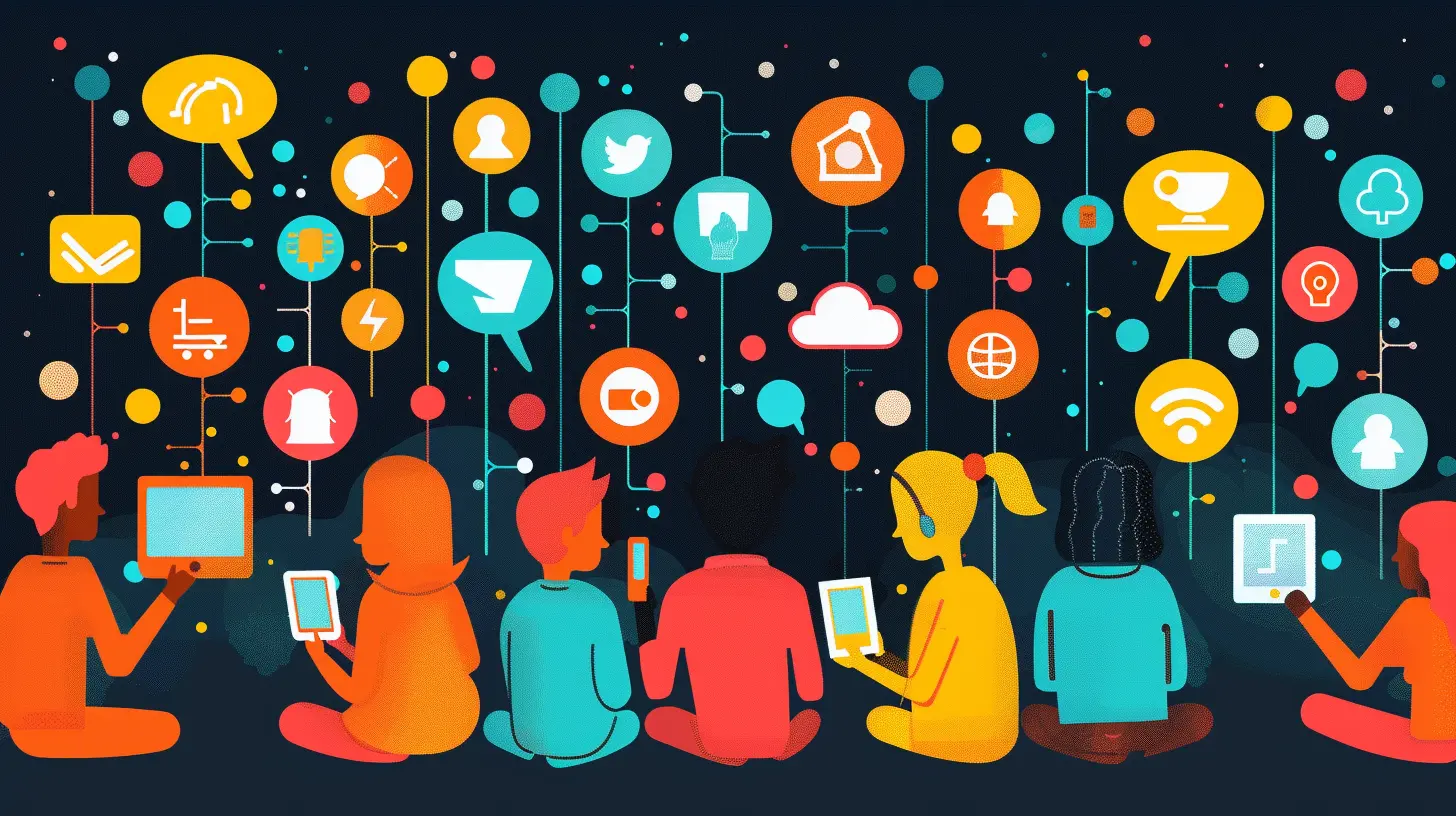
Social media has revolutionized how we consume information. Unlike traditional newspapers or academic sources, where journalists and researchers follow strict guidelines, social media allows anyone with an internet connection to become an "informant." This has led to both positive and negative consequences.The Positive Impact of Social Media on Information Literacy
Despite its challenges, social media isn't all bad when it comes to information literacy. If used wisely, these platforms can actually enhance our ability to navigate information.1. Access to Diverse Perspectives
One of the biggest advantages of social media is its ability to expose users to diverse perspectives. Unlike mainstream media, where content may be filtered or curated, platforms like Twitter and Reddit allow individuals to share their insights directly. This creates opportunities for users to engage with different viewpoints, broadening their understanding of various topics.2. Real-Time Information Dissemination
Breaking news spreads like wildfire on social media. While this can sometimes lead to misinformation, it also enables people to stay informed about global events in real time. Journalists, experts, and eyewitnesses frequently use social media to share live updates, providing an alternative to traditional news sources.3. Development of Critical Thinking Skills
Constant exposure to varying opinions forces users to question the credibility of information. With misleading headlines and clickbait everywhere, individuals are pushed to fact-check and analyze content before accepting it as truth. In essence, frequent exposure to social media can train users to become more skeptical of unverified claims.The Negative Impact of Social Media on Information Literacy
While social media has its benefits, it also presents serious risks to information literacy. The platforms’ design, combined with human psychology, often makes it difficult to distinguish fact from fiction.1. Spread of Misinformation and Fake News
Perhaps the biggest threat posed by social media is the rapid spread of misinformation. False or misleading information often gains traction because it is sensational, shocking, or emotionally engaging. Research has shown that fake news spreads faster than factual news, largely because people are quick to share content without verifying its authenticity.Take, for example, the countless health myths circulating online. From miracle cures to misleading vaccine data, social media platforms have become breeding grounds for misinformation. Without strong information literacy skills, users may fall victim to these false narratives.
2. Confirmation Bias and Echo Chambers
Have you ever noticed that your social media feed tends to align with your interests and beliefs? That's no accident—social media algorithms are designed to show you content that reinforces your existing views. While this may enhance user experience, it also creates echo chambers where opposing perspectives are rarely seen.This confirmation bias makes it more challenging to develop critical thinking skills. Instead of being exposed to a balanced range of opinions, users continuously see information that supports their preconceived notions. Over time, this can lead to polarization and a distorted perception of reality.
3. Decline in In-Depth Research and Reading Habits
Social media thrives on short-form content—tweets, memes, and bite-sized news snippets. While this makes information more accessible, it also discourages deep reading and thorough research. Many users rely on headlines and summaries rather than engaging with full articles, reducing their ability to process complex information.The habit of "skimming" rather than reading in-depth has real consequences. A lack of deep engagement with information can lead to misunderstandings, oversimplifications, and reliance on superficial knowledge. 
How to Improve Information Literacy on Social Media
Given both the benefits and risks of social media, how can we develop stronger information literacy skills in this digital landscape? Here are some practical tips:1. Verify Sources Before Sharing
Before hitting the "share" button, take a moment to verify the source. Is it a reputable news outlet, an expert, or an anonymous Twitter account? Use fact-checking websites like Snopes or Politifact to confirm questionable claims.2. Be Aware of Your Own Biases
Everyone has biases, but being aware of them helps in assessing information objectively. Challenge yourself by reading sources that offer different perspectives to avoid falling into an echo chamber.3. Engage in Critical Thinking
Ask questions when you come across new information:- Who wrote this, and what are their qualifications?
- Does this source have any biases or ulterior motives?
- Is there evidence to support this claim?
4. Read Beyond Headlines
Headlines are often designed to grab attention, but they don't always tell the full story. Make it a habit to read entire articles and check supporting data before forming an opinion.5. Follow Credible Experts and Institutions
Social media is full of self-proclaimed "experts." Instead of relying on anecdotal evidence, follow reputable institutions, journalists, and subject matter experts who base their content on verifiable research.
Final Thoughts
Social media is a double-edged sword when it comes to information literacy. While it provides access to diverse perspectives and real-time updates, it also amplifies misinformation, encourages shallow reading, and reinforces biases. Navigating this complex landscape requires a proactive approach—questioning sources, thinking critically, and continuously learning.At the end of the day, improving information literacy isn’t just an individual responsibility—it’s a societal need. With misinformation influencing everything from politics to public health, developing strong information literacy skills is more important now than ever. So, the next time you scroll through your feed, take a step back and ask yourself: *Is this really true?
all images in this post were generated using AI tools
Category:
Media LiteracyAuthor:

Madeleine Newton