School Funding Reform: What Needs to Change?
8 June 2026
Let's talk about something we all care about—our kids’ education. You don’t have to be a teacher or a policymaker to know that the way we fund our schools just isn’t working. Every kid deserves a fair shot at a great education, but sadly, a student’s ZIP code still plays far too big a role in the quality of their schooling.
So, what needs to change? A lot. But don’t worry, we’re going to break it all down and get real about what school funding reform is, why it matters, what’s broken, and most importantly—how we can fix it.
Why School Funding Matters
Before we get into the nitty-gritty, let’s talk basics. Why is school funding such a big deal? Well, think of it like fueling a car. The better the fuel, the smoother the ride—right? Education works the same way. More funding (and smarter spending) means better resources, better teachers, safer buildings, and more opportunities for students to thrive.And no, this isn’t just about new laptops or shinier classrooms. We're talking about the stuff that makes a real difference: smaller class sizes, updated textbooks, mental health resources, and quality extra-curriculars.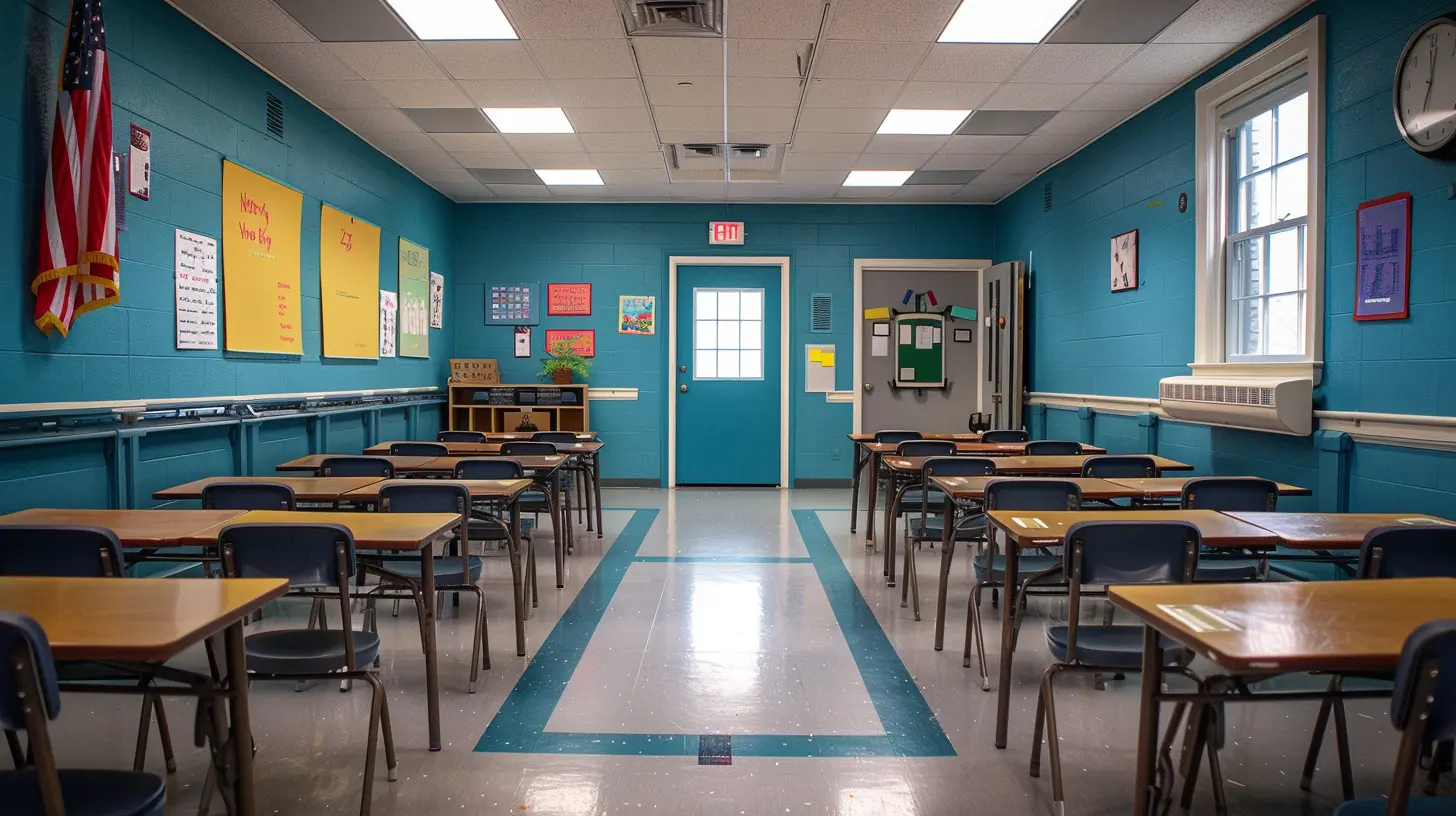
The Current State of School Funding: A Broken System
Let’s be honest—our current school funding system is outdated, unfair, and, in many ways, flat-out broken. In the U.S., public schools primarily rely on local property taxes for funding. That creates a huge gap between wealthy and low-income communities.The Property Tax Problem
Here’s the kicker: Schools in rich neighborhoods get more money because houses there are worth more. Meanwhile, schools in poor areas struggle to scrape together enough to cover basic needs. Fair? Not even close.It’s like saying you get to eat a full meal because your neighbor did, while someone else goes hungry because their neighbor’s plate was empty. That’s not equity—that’s inequality baked into the system.
Disparities Galore
Let’s throw some real facts in here. According to the National Center for Education Statistics, school districts with predominantly white student populations receive significantly more money per student than districts with predominantly students of color. That’s alarming. And it’s not just a few thousand dollars difference—it can be tens of thousands over a student’s lifetime.More funding means better everything—so less funding means worse everything. You can’t expect students to succeed when they’re stuck with overcrowded classrooms, outdated materials, and overworked teachers.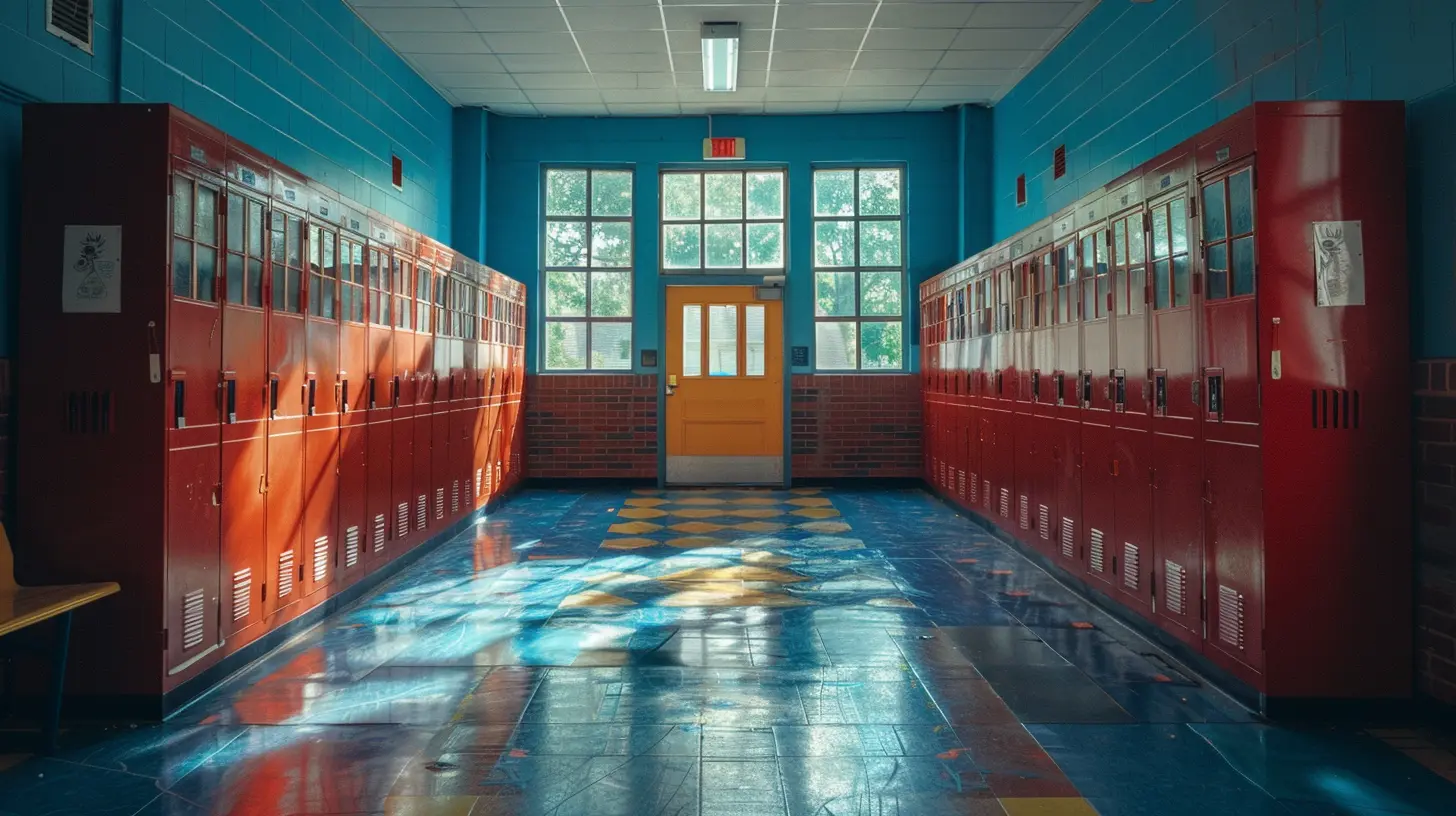
What’s Standing in the Way?
So, what’s stopping change? One word—politics. Okay, maybe a few more: bureaucracy, policy inertia, and a serious lack of urgency among those in power.Resistant Systems
Changing how schools are funded means changing systems that have been in place for decades. Some folks benefit from the inequality (unfortunately), and they’re in no rush to level the playing field.Plus, money is a touchy topic. No one wants their taxes raised, and no district wants less funding. So, we’re stuck in a cycle of "just enough to get by" instead of working toward real reform.
Lack of Transparency
Ever try to trace where school money actually goes? It’s like playing hide and seek in a maze. Lack of transparency and accountability means even well-funded schools don't always spend wisely. And if you can’t see where the money’s going, how do you fix the problems?
What Needs to Change?
Now we’re getting to the good stuff. School funding reform isn’t impossible—it just takes the courage to do things differently. Here's what needs to change:1. Fund Schools Equitably (Not Just Equally)
Equality means giving every school the same amount of money. Equity means giving schools what they actually need. A school in an underserved community likely needs more support to catch up—period.Think of it like handing out shoes. If everyone gets the same size, it’s fair, right? Nope. Equity is giving everyone the shoe that fits. That’s how we need to fund our schools.
2. Diversify Funding Sources
Relying so heavily on local property taxes is a disaster waiting to happen. States and even the federal government need to step in and help redistribute funding fairly. More money from broader sources means less dependence on a neighborhood's wealth (or lack thereof).3. Increase Transparency and Accountability
We need to see where the money goes and ensure it’s spent effectively. That means better reporting, open data, and clear goals. Every dollar should be an investment in our children’s future—not lost in red tape.Let’s put it this way: if you hired a contractor to build your house, you’d want to know they weren’t blowing your cash on granite countertops for their own kitchen. Same logic applies here.
4. Support Teachers Like the Professionals They Are
Better funding = better paying jobs for teachers. And let’s face it, teachers are the MVPs of education. If we want them to show up and give 110%, we’ve got to value them with salaries, support, and respect.This also helps with teacher shortages. Why would top talent go into education when salaries lag behind so many other professions? Fix the funding, and we fix the pipeline.
5. Prioritize Student Needs
Whether it’s mental health, special education, or after-school programs, student needs should drive how resources are allocated. No more one-size-fits-all. Students aren’t line items—they’re people.Imagine trying to build a Lego set, but someone gave you random pieces from five different boxes. That’s what students face when funding doesn’t match their actual needs. We can do better.
Real-World Examples of Reform (That Actually Work)
Not everything is doom and gloom. Let’s look at some places that have gotten school funding reform right—or at least started in the right direction.New Jersey
Yep, you read that right. New Jersey overhauled its funding formula to make it more equitable, especially for high-need schools. The result? Test scores improved, graduation rates increased, and the achievement gap began to close.Massachusetts
Massachusetts has long been hailed as a leader in education. Why? Because when they passed the Education Reform Act, they included a funding formula that gave more to schools that needed it most. Simple, effective, smart.California
Through LCFF (Local Control Funding Formula), California shifted more funds to low-income and English learner students. It’s an ongoing process, but it’s a step in the right direction.What Can You Do?
This isn’t just a job for lawmakers and school boards. Everyone—yes, even you—can help push for school funding reform.Speak Up
Write to your local representatives. Attend school board meetings. Start conversations in your community. Change doesn’t happen in silence.Stay Informed
Read up on your own district’s funding. Know where the money comes from and how it’s spent. Knowledge is power.Vote With Purpose
School board elections might not seem glamorous, but they matter—a lot. Make sure you vote for candidates who prioritize fair and adequate funding.The Bottom Line
We’re not going to fix the education system overnight. But we can start by acknowledging what’s broken and committing to real, lasting change. School funding reform isn’t just about money—it’s about fairness, opportunity, and the kind of future we want for our kids.Because here’s the truth: Every child deserves a chance to shine, not just the ones born into the “right” neighborhood. And if we want a better world tomorrow, we’ve got to invest in every student today.
Let’s stop patching holes and start building something better—from the ground up.
all images in this post were generated using AI tools
Category:
School FundingAuthor:

Madeleine Newton
Discussion
rate this article
1 comments
Maxine Thompson
School funding reform is essential to ensure equitable resources for all students. Prioritizing transparency, community involvement, and targeted support can significantly improve educational outcomes across diverse schools.
June 17, 2026 at 3:18 AM
Madeleine Newton
I completely agree. Transparency and community involvement are key to making sure all students get the resources they need to succeed.