The Impact of Peer Feedback on Student Retention of Knowledge
10 August 2026
When it comes to learning, there's a lot more going on than just reading textbooks and listening to lectures. We’ve all been there—sitting in a classroom, trying to absorb as much information as possible—but does it really stick? For many students, the struggle to retain new knowledge is real. So, how do we make sure what’s learned isn’t forgotten a week later?
One powerful tool that often gets overlooked is peer feedback. Yep, working with classmates and sharing constructive criticism can actually help students remember what they’ve learned long after the lesson ends. But how does this work? Why is peer feedback so crucial to retaining knowledge? Let’s dig into it!
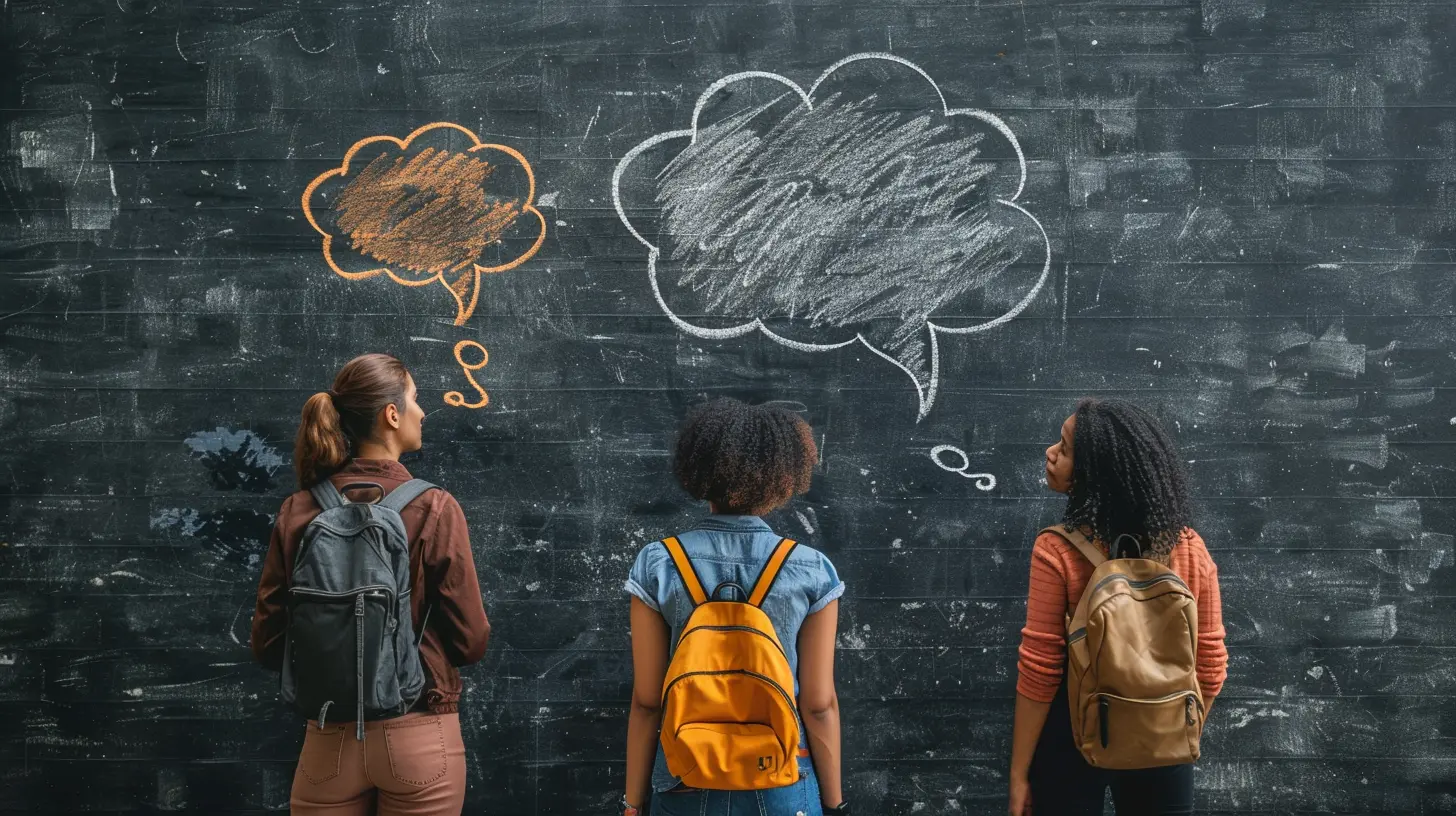
What Exactly Is Peer Feedback?
Before we dive into its impact, let’s first clarify what peer feedback is all about. Essentially, peer feedback occurs when students review each other’s work, offering suggestions, praise, or constructive criticism with the goal of improving the final product. It's like having your friends proofread your essay but with a more structured, educational approach.Peer feedback can pop up in a variety of settings—group projects, peer editing sessions, or even class discussions. It’s not just about pointing out what's wrong; it's also about recognizing what’s right and how things can be improved.
Why Is Peer Feedback Important?
If you think about it, feedback is part of everyday life. Whether it’s a colleague offering advice at work or a coach giving pointers on your swing, we’re constantly getting feedback in various forms. But in an educational setting, peer feedback takes on an even greater role.Here’s why it matters:
1. Promotes Active Learning: Instead of passively absorbing information, students are actively engaging with the material, thinking critically about it, and applying what they’ve learned to offer meaningful feedback.
2. Encourages Collaboration: In the process of giving and receiving feedback, students learn to communicate better, work together, and engage in meaningful discussions.
3. Builds Confidence: Students are also more likely to feel confident when they understand not only their own work but also the work of their peers. Feedback sharpens their critical thinking skills, which boosts confidence in their abilities.
But how exactly does this feedback loop help with retention?

How Peer Feedback Enhances Knowledge Retention
Alright, here’s the big question: How does peer feedback impact knowledge retention? The answer lies in a few key elements that we’ll break down.1. Active Engagement with Material
It’s no secret that students learn better when they’re actively engaged. Traditional methods of learning—such as rote memorization—often fail to make a lasting impression. Remember how you crammed for that history exam in high school, only to forget everything a week later? That’s because passive learning doesn't push us to really think about the material.With peer feedback, students aren’t just passively absorbing information. They’re actively discussing, analyzing, and applying it. This deep engagement with the material helps solidify the concepts, making it easier for students to retain what they’ve learned.
Think of it like this: Imagine you’re learning how to ride a bike. You can read all the manuals in the world, but until you actually hop on the bike and ride it, you won’t fully grasp the skill. It’s the same with learning in the classroom.
2. Reinforcement Through Repetition
Repetition is a powerful tool for memory retention. When students give and receive peer feedback, they’re revisiting the same material multiple times. By reviewing their peers’ work, students are indirectly reinforcing their own understanding of the subject matter.For example, a student writing an essay on climate change might not fully grasp the concept of carbon footprints. But after reading and critiquing their peer’s essay on the same topic, they can reinforce their understanding and remember key information more easily.
In essence, peer feedback helps recycle knowledge, ensuring it sticks around longer.
3. Building Critical Thinking Skills
Critical thinking is like a muscle—it gets stronger the more you use it. When students engage in giving feedback, they’re not just pointing out surface-level mistakes. They’re analyzing the work, considering different perspectives, and providing suggestions that require higher-order thinking.This process of critical analysis requires students to apply concepts they’ve learned in class, which helps them internalize the information. When students are able to think critically about a subject, they’re far more likely to remember it.
Think of it this way: If you can teach something to someone else or offer them useful feedback, it’s a pretty good sign that you deeply understand the material yourself.
4. Peer Learning and Social Interaction
We’re social creatures by nature, and learning in isolation can sometimes feel a bit dull. Peer feedback adds a social element to learning, making it more engaging and enjoyable. When students exchange feedback, they’re learning from each other, and this peer-to-peer interaction can make the learning experience more memorable.Often, students explain concepts in ways that are easier for their peers to understand than when those same ideas are presented by a teacher. This mutual learning experience helps clarify concepts and enhances retention.
Moreover, the act of explaining a concept to someone else solidifies the explainer’s understanding. Remember the old saying, "If you want to learn something, teach it"? Well, it holds true here.
5. Immediate Application of Feedback
Let’s not forget that feedback is only helpful when it’s actionable. When students receive peer feedback, they can immediately apply the suggestions to improve their work. This immediate application helps reinforce the knowledge they’ve gained, making it easier to remember.For instance, a student who receives feedback on their math problem-solving techniques can apply that feedback right away to solve similar problems. The act of immediately applying what they’ve learned helps cement the information in their memory.

The Emotional Component: Confidence and Motivation
We’ve talked a lot about the cognitive benefits of peer feedback, but there’s an emotional aspect that’s just as important. Learning is not just about intellectual engagement—it also involves emotions, confidence, and motivation.1. Building Confidence
Receiving positive feedback from peers can be a huge confidence boost. When students see that their classmates understand and appreciate their work, they feel more confident in their knowledge and abilities. This confidence can lead to increased participation in class, better performance on assessments, and, ultimately, better retention of knowledge.On the flip side, constructive criticism helps students identify areas of improvement. While this might seem discouraging at first, it’s actually an opportunity for growth. Over time, students who learn to accept and apply feedback become more resilient and confident in their learning abilities.
2. Increasing Motivation
Let’s face it: learning can sometimes feel like a chore. But when students are actively engaged and receiving feedback from peers, they often find the process more motivating. It’s not just about getting a grade from the teacher anymore—it’s about improving their work based on real-time feedback from their peers.When students feel motivated to succeed, they’re more likely to stay engaged with the material, which naturally leads to better retention. It’s the same reason why athletes train harder when they’re competing with others. Healthy competition and collaboration can drive motivation.

Overcoming Challenges in Peer Feedback
Of course, peer feedback isn’t without its challenges. Not all feedback is created equal, and students need to be taught how to give and receive feedback effectively. Without proper guidance, peer feedback can sometimes lead to unhelpful or even discouraging comments.1. Training Students to Give Effective Feedback
Teachers play a crucial role in helping students develop the skills needed to give constructive feedback. By teaching students how to focus on specific criteria, provide evidence-based suggestions, and balance positive and critical comments, educators can ensure that peer feedback is both helpful and meaningful.2. Creating a Safe Learning Environment
It’s also important to create a classroom culture where students feel safe sharing their work and receiving feedback. If students fear judgment or ridicule, they’re less likely to engage in the peer feedback process. Building trust and encouraging respect among students is key to making peer feedback a positive experience.Conclusion: Peer Feedback as a Game-Changer for Knowledge Retention
In the grand scheme of things, peer feedback is a simple yet powerful tool that can significantly impact a student’s ability to retain knowledge. By promoting active engagement, reinforcing learning through repetition, building critical thinking skills, and fostering social interaction, peer feedback helps ensure that students don’t just learn—they remember.Moreover, the emotional benefits of building confidence and increasing motivation can’t be ignored. When students feel empowered through peer feedback, they’re more likely to stay engaged and retain the knowledge they’ve acquired.
So, the next time you think about ways to help students remember what they’ve learned, don’t underestimate the impact of peer feedback. It’s a game-changer that can turn temporary understanding into long-lasting knowledge!
all images in this post were generated using AI tools
Category:
Peer FeedbackAuthor:

Madeleine Newton