How Peer Feedback Can Be a Catalyst for Deeper Understanding
18 January 2026
Ah, peer feedback—the magical process where students critique each other’s work and somehow, against all odds, walk away with a better understanding of their subjects. Sounds almost unbelievable, right? But here’s the kicker: it actually works.
Instead of simply waiting for a teacher’s red marks on the paper like some kind of academic doomsday clock, students get real-time, constructive input from their peers. And guess what? This process doesn’t just improve their work—it sharpens their critical thinking, enhances their problem-solving skills, and, dare I say, makes learning fun (or at least less painful).
So, why does peer feedback pack such a punch when it comes to learning? Buckle up because we’re about to break it down. 
The Science Behind Peer Feedback
If you think peer feedback is just about proofreading each other’s sloppy essays, think again. Research suggests that engaging in peer review helps students process information more deeply by forcing them to evaluate, analyze, and articulate their thoughts.Think of it like going to the gym: reading materials and lectures are like lifting weights, but peer feedback? That’s the high-intensity interval training of education. It forces students to flex their cognitive muscles in ways that passive learning just doesn’t.
But how exactly does this work?
- Active Engagement – When students critique each other's work, they engage with the material differently than when they passively absorb information.
- Perspective Shifts – Seeing how others approach the same problem opens new ways of thinking.
- Immediate Application – Unlike waiting for a teacher’s feedback days later, peer insights can be applied right away, reinforcing learning.
Sounds pretty useful, huh? Let’s dive deeper into why this method is such a game-changer. 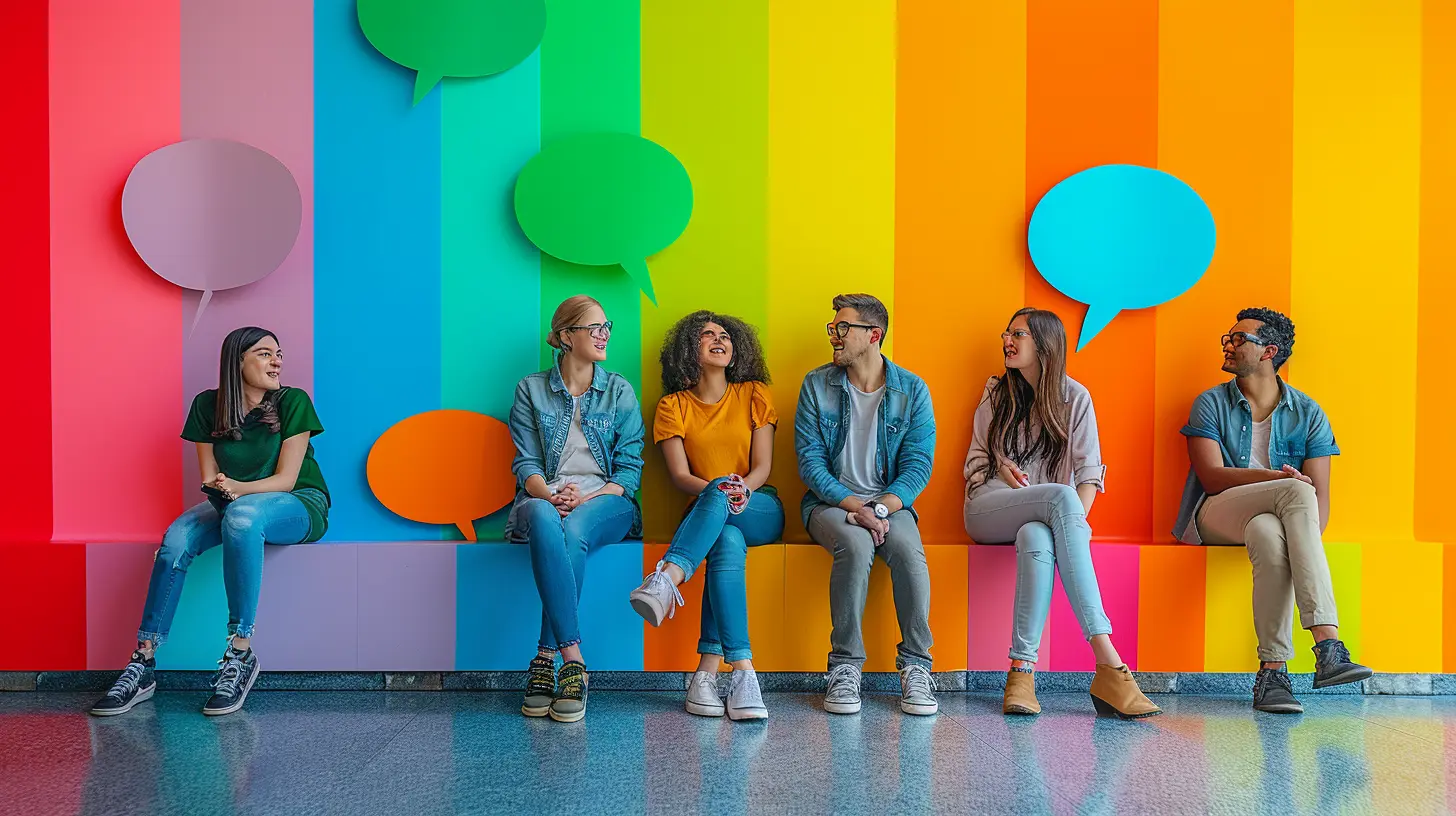
Why Peer Feedback Works (Even If You Think it Won’t)
We get it. The idea of trusting students to provide meaningful feedback to each other sounds as risky as letting them grade their own exams. But the beauty of peer feedback is that it isn’t about replacing the teacher—it’s about reinforcing learning in a way that sticks.Here’s why it’s surprisingly effective:
1. It Forces Students to Think Critically
Giving feedback isn’t just about pointing out typos—it’s about understanding concepts well enough to explain mistakes to someone else. And if you can teach something, you really understand it.Think about it: ever tried explaining a new concept to a friend, only to realize halfway through that you don’t understand it as well as you thought? Exactly. That’s what makes peer feedback so powerful—it exposes gaps in understanding and forces students to fill them.
2. It Encourages Ownership of Learning
When students are involved in reviewing each other’s work, they stop being passive consumers of knowledge and start taking responsibility for their learning. Suddenly, they’re not just waiting for a teacher’s approval—they’re actively engaged in improving their work.And let’s be honest, students are much more likely to read (and remember) feedback from a classmate than a formal rubric written in cryptic academic jargon.
3. It Builds Confidence (Even if it's Uncomfortable at First)
Receiving feedback can feel like getting roasted on a bad comedy night—but learning how to take (and give) constructive criticism is crucial. Peer review teaches students how to handle critique gracefully and use it to grow.Plus, let’s be real—if they can survive peer feedback, they can survive just about any group project. 
The Do’s and Don’ts of Effective Peer Feedback
Of course, like all things in education, there’s a right way and a very wrong way to do peer feedback. Here’s how to make sure it’s effective (and not just an excuse for students to exchange vague compliments).✅ DO: Teach Students How to Give Constructive Feedback
Before throwing students into the deep end, they need to know what good feedback looks like. That means:- Being specific instead of vague (“This sentence is unclear” rather than “This is bad.”)
- Offering suggestions instead of just criticism (“You could clarify this idea by adding an example.”)
- Keeping it respectful (because no one likes a feedback session that turns into a roast battle).
❌ DON’T: Let It Become a Compliment Fest
“This is good.”“I like this.”
“Great job!”
Thanks, but that’s about as helpful as a GPS that just says, “Drive somewhere.” Real feedback needs depth—students should highlight strengths and areas for improvement.
✅ DO: Encourage Reflection
Having students reflect on the feedback they receive (and give) ensures that they actually absorb it. A quick follow-up like:- “What was the most useful piece of feedback you got?”
- “How will you apply this feedback to your revision?”
…can make a world of difference.
❌ DON’T: Assume One Round is Enough
Feedback improves with practice. The first time might be rough (because let’s be honest, students aren’t exactly trained editors), but over time, they get better at pinpointing strong and weak areas.
The Hidden Benefits of Peer Feedback (AKA Why It’s a Life Skill in Disguise)
Sure, peer feedback improves academic performance, but its benefits don’t stop at the classroom door. In the real world, being able to give and receive constructive criticism is an invaluable skill—whether you’re in a boardroom, on a creative team, or just trying to survive a family dinner debate.Here’s how peer feedback prepares students for life beyond school:
- It sharpens communication skills – Being able to articulate why something works (or doesn’t) is a game changer.
- It fosters teamwork – Learning to handle criticism gracefully is a skill that will save careers (and friendships).
- It builds resilience – Because let’s be real, life is full of feedback, and knowing how to handle it makes all the difference.
Final Thoughts: Embrace the Feedback Loop
So, is peer feedback a perfect system? Nope. Can it be awkward, frustrating, and occasionally result in brutal honesty? Absolutely.But despite its flaws, peer feedback remains one of the best tools for deepening understanding. It turns passive learners into active thinkers, polishes communication skills, and—believe it or not—makes learning a little more engaging.
So, next time you’re tempted to dismiss peer feedback as just another classroom gimmick, remember this: Sometimes, the best teachers are the people sitting right next to you.
all images in this post were generated using AI tools
Category:
Peer FeedbackAuthor:

Madeleine Newton
Discussion
rate this article
2 comments
Lorelei Willis
Unlock the hidden potential of peer feedback; it’s not just advice, but a mirror reflecting insights that can change everything.
January 31, 2026 at 11:24 AM
Madeleine Newton
Thank you! I completely agree—peer feedback not only provides valuable insights but also encourages growth and deeper understanding.
Darius Underwood
Great insights! Peer feedback truly enhances learning and fosters a collaborative environment for deeper understanding. Thank you!
January 20, 2026 at 1:37 PM
Madeleine Newton
Thank you for your thoughtful comment! I’m glad you found the insights valuable. Peer feedback is indeed a powerful tool for enhancing learning.