The Growing Importance of Soft Skills in Higher Education
23 May 2026
Let’s face it—getting a degree isn't just about cramming for exams, churning out essays, or memorizing dates anymore. Employers aren’t only on the lookout for straight-A students. They’re searching for something more… human. Soft skills.
You’ve probably heard the term tossed around before, maybe even rolled your eyes a bit. But here’s the thing: soft skills are no longer a “nice-to-have”—they’re a must. In today's fast-paced, ever-changing world, they’re becoming just as important (if not more) than technical know-how.
So, grab your coffee, kick back, and let’s chat about why soft skills are climbing the priority ladder in higher education—and what that means for students, educators, and future careers.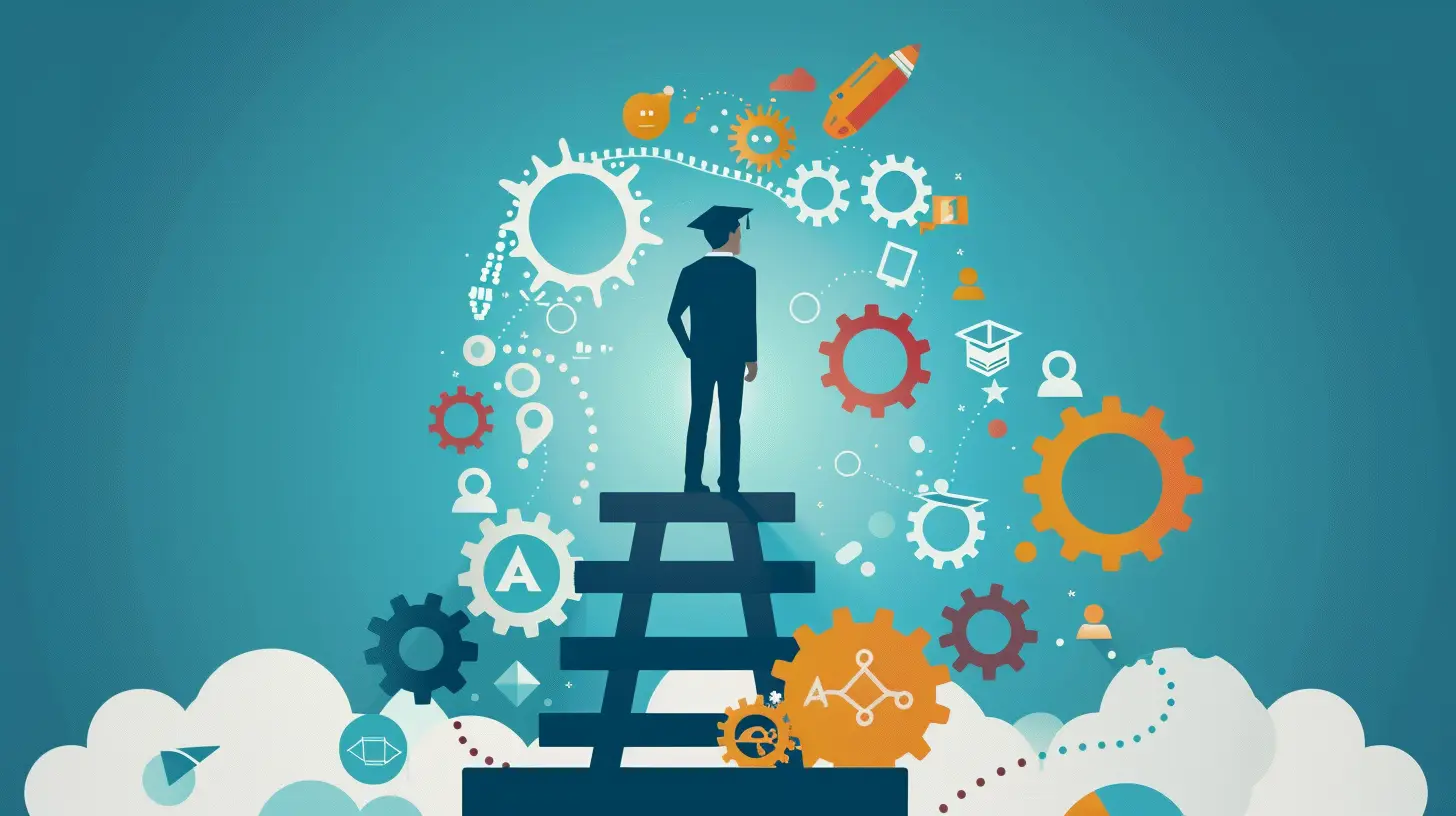
What Exactly Are Soft Skills?
Before we jump into why soft skills are so crucial, let’s get clear on what they actually are.Soft skills are personal attributes that influence how you work and interact with others. Think of them as the “people” or “emotional intelligence” side of your skillset.
Some of the biggies include:
- Communication
- Teamwork
- Problem-solving
- Critical thinking
- Adaptability
- Time management
- Empathy
- Leadership
Simply put, soft skills determine how well you mesh with a team, handle pressure, manage your time, or lead a project. It’s your secret sauce—the stuff that isn’t taught in textbooks but shows up in real-life situations every single day.
Why Are Soft Skills Gaining So Much Attention in Higher Ed?
So, why the sudden hype around soft skills in colleges and universities?Well, the world of work has changed. Drastically.
1. The Job Market Has Shifted
Gone are the days when having technical skills alone guaranteed you a job. Today, the job market is more competitive than ever. Employers aren’t just hiring the smartest individuals in the room—they’re hiring team players, effective communicators, and flexible thinkers.Think about it: A software engineer may be brilliant at coding, but if they can’t collaborate with their team or explain their ideas clearly, that brilliance can only go so far.
2. Automation and AI Are on the Rise
With machines taking over repetitive tasks, the human touch has become even more valuable. Traits like creativity, emotional intelligence, and critical thinking are things robots can’t replicate (yet!).That’s why employers now place a premium on people who bring uniquely human skills to the table. And colleges are catching on.
3. Students Are Demanding More Holistic Learning
Education isn’t just about grades anymore. Students want to feel prepared—not just academically, but personally and professionally. They’re asking for programs that help them grow as individuals, not just scholars.Soft skills provide that bridge from classroom to career, helping students face the complex realities of adult life.
Soft Skills vs. Hard Skills: Why Both Matter
You wouldn’t build a house with just a hammer, right? You need a toolbox. The same goes for your skill set.- Hard skills are the teachable, measurable abilities (like accounting, biology, coding, or data analysis).
- Soft skills are the intangible traits that affect how you apply those hard skills (like communication, punctuality, or adaptability).
The magic happens when the two come together. Higher ed institutions are starting to realize that a well-rounded graduate is one who can do the job and do it well with others.
The Role of Higher Education in Teaching Soft Skills
Some people argue that soft skills should be learned at home or in early education. But let’s be real: higher education plays a major role in polishing these skills and preparing students for the workforce.1. Embedding Soft Skills into the Curriculum
More universities are integrating soft skill development into their core courses. Whether it’s through group projects, presentations, or discussions, students are being encouraged to flex their communication and collaboration muscles.Some schools have even added mandatory “career readiness” modules to help students develop these essential abilities.
2. Extracurriculars & Student Life
Let’s not underestimate the value of student clubs, sports, and volunteer opportunities. These are goldmines for practicing skills like leadership, time management, and teamwork.Think about planning a charity event on campus. It might not seem “academic,” but it teaches you more about negotiation, budgeting, and logistics than some textbooks ever could.
3. Internships & Real-World Experience
Colleges are increasingly partnering with companies to offer internship programs that emphasize soft skill development. These experiences give students a taste of the professional world—and more importantly, how to survive and thrive in it.Employers Weigh In: Why They Value Soft Skills
Don’t just take our word for it. Let’s hear it straight from the source—employers.According to countless hiring surveys, soft skills like communication, critical thinking, and adaptability often top the list of what recruiters want. Some even argue that they matter more than a candidate's GPA or major.
Why?
Because while technical skills can be taught on the job, soft skills are harder to train. It’s much easier to teach someone how to use a software program than it is to teach them how to be empathetic, punctual, or emotionally intelligent.
Key Soft Skills That Are Essential for Students Today
Let’s break down a few core soft skills that students MUST develop before tossing that graduation cap in the air.1. Communication
Texting and tweeting might be second nature, but can you hold a professional conversation? Can you write a clear email? Communication is more than just words—it’s about clarity, tone, and timing.2. Critical Thinking
Ever heard the phrase “think before you act”? Welcome to the world of critical thinking. In today’s complex world, being able to analyze situations, weigh pros and cons, and make informed decisions is a superpower.3. Teamwork
Whether you're in a biology lab or a business startup, collaboration is key. Can you work with different personalities? Can you handle criticism? Teamwork makes the dream work, people.4. Adaptability
Change is the only constant. The students who thrive are the ones who can pivot, adjust, and face the unknown with confidence.5. Emotional Intelligence (EQ)
EQ is your ability to understand and manage emotions—yours and others'. It plays a huge role in leadership, conflict resolution, and building strong workplace relationships.Practical Ways Students Can Build Soft Skills in College
Okay, enough theory. Let’s talk action. How can students actively improve soft skills during their time in college?Join Clubs and Organizations
Whether it's debate club, student government, or a drama troupe, being part of a group forces you to manage time, communicate, and lead.Volunteer
Community service is a crash course in empathy. It also teaches you about work ethic, reliability, and collaboration across diverse groups.Take Public Speaking Classes
Yes, they’re scary. But facing that fear will sharpen your communication skills like nothing else.Intern, Intern, Intern
Real-world experience is unmatched. Internships teach you how to navigate workplace dynamics, take feedback, and step up when needed.Network
Reach out to professors, attend career fairs, or just chat with your classmates. Building relationships improves your emotional intelligence and helps you practice those often-overlooked interpersonal skills.How Educators Can Promote Soft Skills in the Classroom
It’s not all on the students, though. Instructors play a huge role in nurturing these abilities.- Group assignments — encourage students to collaborate and divide responsibilities.
- Open discussions — fuel critical thinking and active listening.
- Constructive feedback — help students reflect and grow.
- Real-world case studies — simulate workplace challenges.
- Encourage reflection — make room for journaling or self-assessment.
The goal? To create learning environments where soft skills are not just an afterthought but a vital part of the educational journey.
The Road Ahead: What the Future Holds
Soft skills aren’t going anywhere. In fact, as the job market continues to evolve, their importance will only grow. We’re heading into a future where tasks are increasingly automated, but human interaction, creativity, and leadership will remain irreplaceable.Higher education institutions that recognize this shift will produce not just graduates—but adaptable, thoughtful, and emotionally intelligent leaders.
Final Thoughts
Here’s the bottom line: In a world obsessed with data, numbers, and automation, the most valuable skill might just be the ability to connect. Soft skills are the glue that holds everything else together. They turn knowledge into action, ideas into collaboration, and plans into progress.Whether you're a student navigating your next steps, an educator shaping future minds, or an employer on the hunt for talent—soft skills are the game-changers.
So let’s stop calling them “soft.” They’re powerful, essential, and, more than ever, the heart of higher education.
all images in this post were generated using AI tools
Category:
Higher EducationAuthor:

Madeleine Newton
Discussion
rate this article
2 comments
Garrett Gomez
Soft skills are like the secret sauce in a college degree. You can ace your classes, but without these skills, you might just end up lost in the sauce!
June 25, 2026 at 12:47 PM
Dakota Elliott
This article highlights a crucial trend. As employers seek well-rounded candidates, integrating soft skills into higher education curricula can significantly enhance student employability and success.
May 24, 2026 at 2:35 AM