School Funding and the Arts: Why Creative Programs Are Often First to Go
11 April 2026
Let’s be real for a second—money makes the world go 'round, even in education. Every year, school districts across the country sit around big conference tables, scratching their heads and trying to figure out how to stretch every dollar. And when the budget gets tight (which it almost always does), arts programs are usually the first ones tossed out like last week’s leftovers.
But why does this happen? Why are music, theater, painting, and dance classes often treated like optional luxuries instead of vital parts of a child’s education? Let’s break it down.
The Money Problem: Where It All Begins
Okay, picture this: a school district gets its yearly funding through a mix of federal, state, and local taxes—some areas rely more on property taxes than others. That means wealthy neighborhoods usually have better-funded schools, while lower-income areas are left pinching pennies.Now, enter rising operational costs, teacher salaries, technology demands, facility repairs—you get the idea. When stuff starts costing more, and the budget doesn't grow with it, administrators have to make tough calls. Guess what usually ends up on the chopping block first? You guessed it: the arts.
The Prioritization Game: Why the Arts Get the Short End of the Stick
Let’s be honest—there’s a pretty clear pecking order when it comes to school subjects. Reading, math, and science take the top spots. Why? Because they're tested. Standardized tests are the golden children of state and federal education departments. They decide funding, school rankings, teacher evaluations, and more.So schools double down on those tested subjects to keep their numbers up. That leaves the arts sitting awkwardly at the end of the table, wondering where their next meal is coming from.
Are the Arts Really “Extra”?
You’ve probably heard it before: “We need to focus on core subjects.” But here's the thing—art is a core subject. Not just because it's fun (although it totally is), but because it’s crucial to brain development, empathy, problem-solving, and even academic performance.No, really. Tons of studies show that students involved in the arts do better in school overall. They have better attendance records, higher GPAs, and are more likely to go to college. So why are these programs treated like afterthoughts?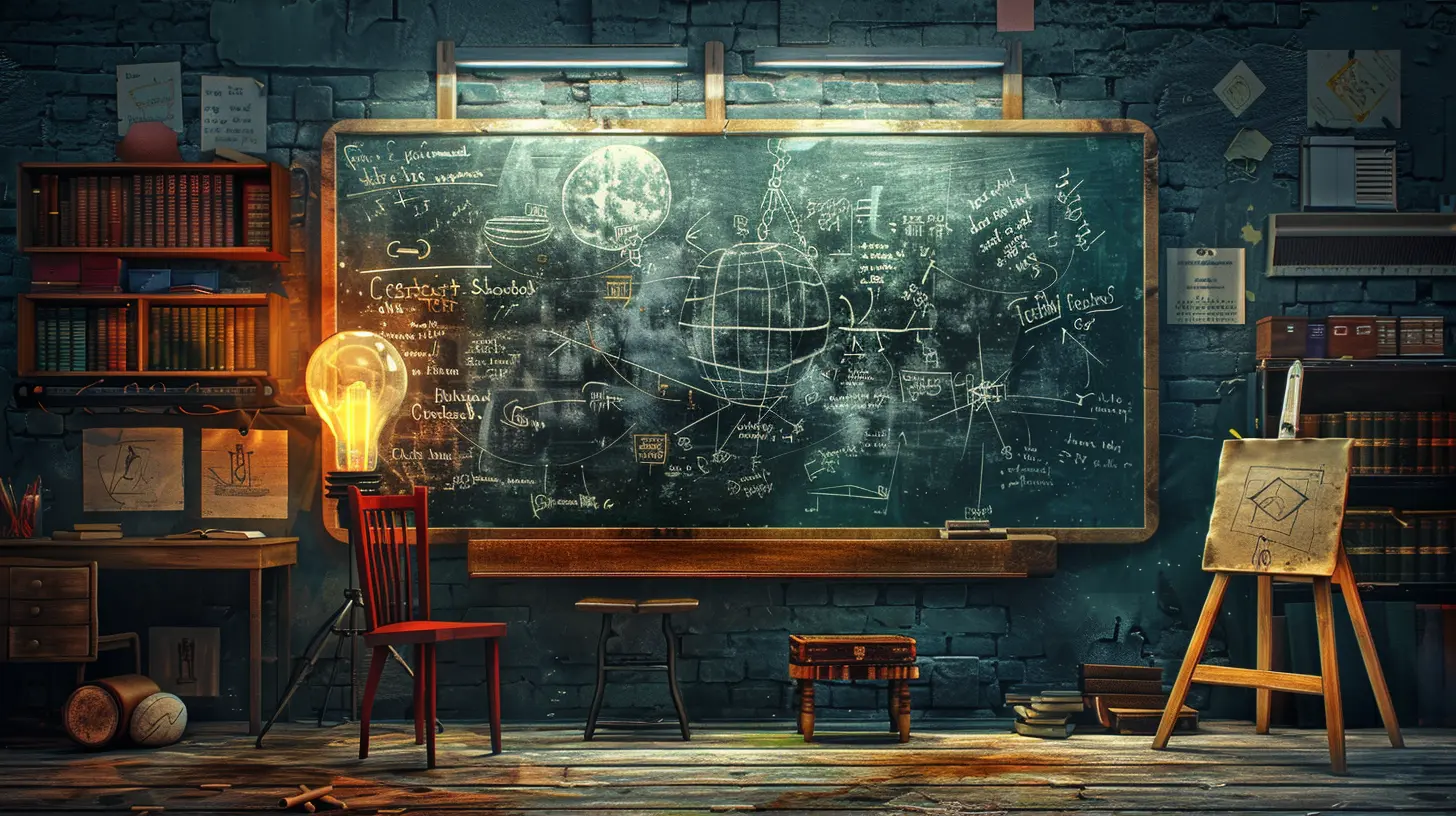
The Real-Life Consequences of Cutting the Arts
Let’s talk about what actually happens when creative programs get cut.1. Fewer Outlets for Expression
Imagine being a teenager—hormonal, stressed out, and trying to figure out who you are. Now take away your guitar, your sketchpad, your dance class. Scary, right?For many students, the arts are the only way they feel seen, heard, and understood. Without them, school becomes just another place they have to sit still and follow the rules.
2. Increased Inequality
Wealthy schools often raise private funds or charge fees to keep arts programs going. But in low-income communities? Not so much. That means only students from more privileged backgrounds have access to creative outlets, widening the already massive equity gap in education.3. Decline in Engagement
A student who’s passionate about drama or painting might be more willing to show up to school if they know their favorite class is waiting for them. Take that away, and suddenly there’s nothing motivating them to stay engaged.4. Loss of Future Opportunities
Not every kid is going to grow up to be a scientist or an accountant. Some are meant to be designers, musicians, animators, or directors. Cutting the arts at school might mean denying those kids the chance to discover their calling.The Irony? Arts Help Core Subjects, Too
Here’s the kicker—arts don’t just benefit artistic growth. They help students learn in other areas.- Music improves math and spatial reasoning.
- Theater develops reading comprehension and verbal skills.
- Dance enhances coordination and discipline.
- Painting and drawing build focus and creativity.
It’s like cross-training for the brain. You wouldn’t skip leg day at the gym just because you’re working on your arms, right? So why skip the arts?
Stories Behind the Stats: Real Voices, Real Impact
Let’s talk people. Numbers are cool, but personal stories hit different.Like the student who found their voice through poetry slam competitions after struggling with social anxiety. Or the kid from a low-income neighborhood who got into Julliard because of a spunky high school drama teacher who refused to let the theater program die.
These aren’t rare stories. This is happening everywhere—for better or for worse.
Why the Arts Are Worth Fighting For
So, let’s circle back. Why should we care? Well, schools are communities. And communities should care about developing well-rounded humans—not just test-taking machines.The arts bring joy. They create culture. They teach patience, discipline, empathy, and innovation. They help students connect to the world and to each other in ways that numbers and letters alone can’t.
What Can We Do About It?
It’s easy to feel powerless, especially when you hear about budget cuts in states you don’t even live in. But guess what? You can still make a difference.1. Speak Up
If you're a parent, teacher, or student, your voice matters. Attend school board meetings. Write letters. Talk to your local representatives. Don’t underestimate the power of collective noise.2. Support Local Arts Programs
If your school doesn't have a big arts budget, see if there are community theaters, art studios, or non-profits offering workshops or scholarships. Partner with them!3. Fundraise Creatively
Bake sales and car washes are cool, but think big—virtual performances, art auctions, mural projects sponsored by local businesses. Get the community involved in keeping the arts alive.4. Start Small, Dream Big
Even if your school can’t afford a full orchestra, can it offer a guitar club? A poetry circle? A painting day once a month? You’d be amazed at how far a little creativity can go.The Final Brushstroke
I get it—money is tight, and schools have to make hard choices. But cutting the arts shouldn’t be the default. In fact, it should be the last thing to go.Because when we cut arts programs, we're not just trimming the fat—we’re cutting into the soul of education. We’re telling students that creativity doesn’t matter. That their passions can’t be pursued. That art is nice, but not necessary.
But we know better.
So let’s keep fighting for a future where arts aren’t the first to go—but the foundation we build on.
all images in this post were generated using AI tools
Category:
School FundingAuthor:
Madeleine Newton
Discussion
rate this article
2 comments
Kathleen McGovern
Cutting arts funding is a shortsighted mistake. Creativity drives innovation and critical thinking—skills essential for future success. Schools should prioritize holistic education that includes the arts, empowering students to thrive in a complex world rather than stifling their potential.
April 12, 2026 at 12:48 PM
Madeleine Newton
I completely agree. Arts education is vital for fostering creativity and critical thinking. Cutting funding undermines students' potential and limits their future opportunities. We need a more balanced approach to education.
Bethany Edwards
This article shines a crucial light on the importance of arts in education. Creative programs not only cultivate talent but also foster critical thinking and emotional expression. Advocating for arts funding is vital to ensure a well-rounded education that nurtures future innovators and empathetic leaders. Let's champion creativity!
April 11, 2026 at 11:42 AM
Madeleine Newton
Thank you for your thoughtful comment! I completely agree that supporting arts in education is essential for developing well-rounded individuals. Let’s continue advocating for creative programs!