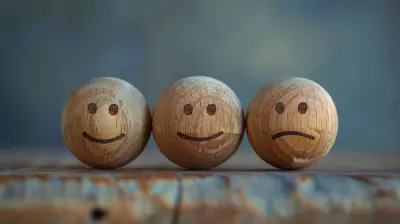
How to Recognize and Avoid Clickbait
16 December 2025
Let’s face it—most of us have fallen into that trap. You’re scrolling through your feed and see something like “You Won’t Believe What Happened Next!” or “Doctors Hate Him for This One Simple Trick!” You click, expecting something wild or shocking… and what do you get? A mountain of ads and a disappointing story that barely relates to the headline.
Yep, that’s clickbait.
In this post, we’re going to chat about what clickbait really is, why it exists, how to spot it before wasting your time (or worse, getting misled), and how to stay safe while navigating the massive ocean of online content.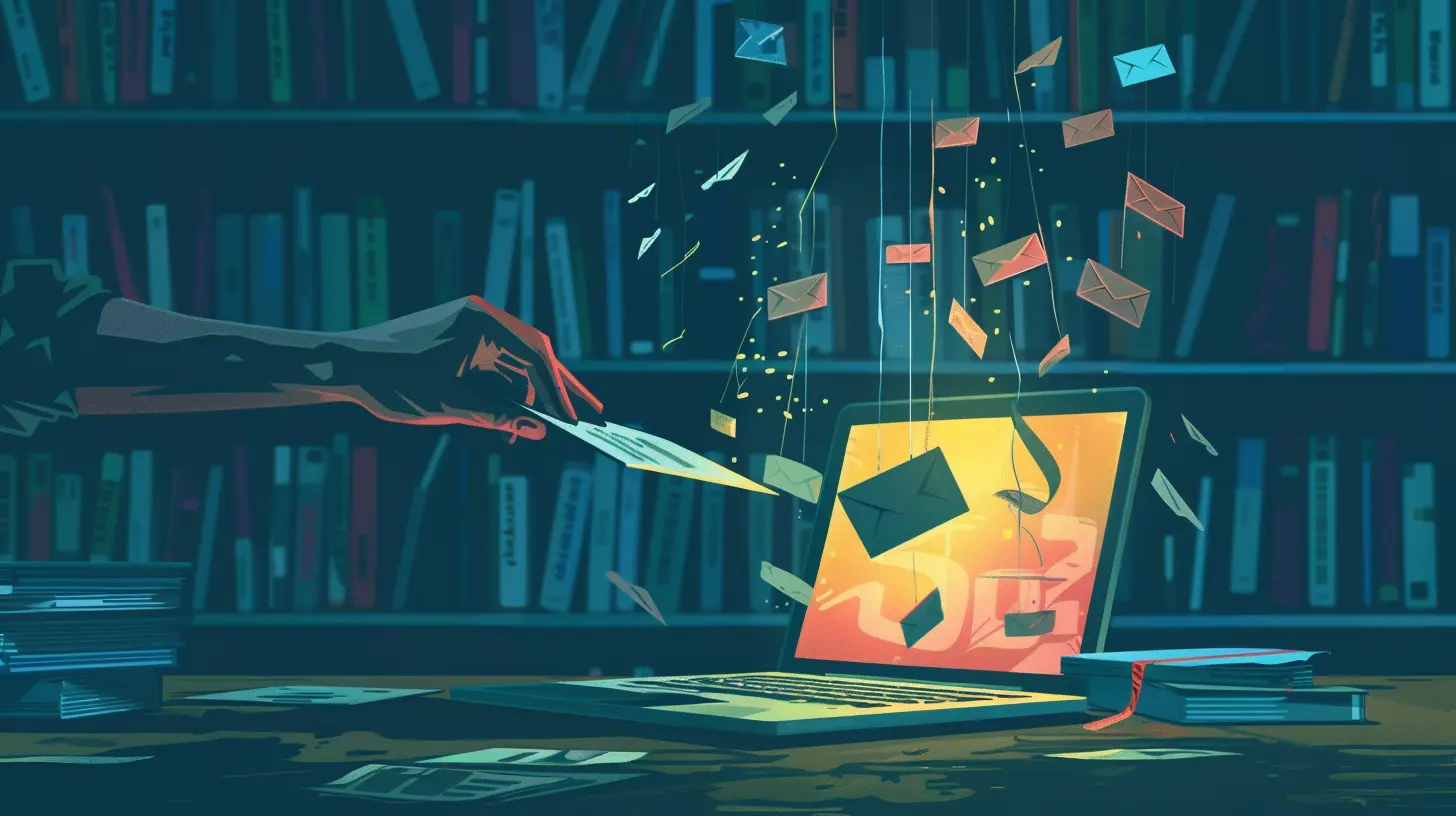
What is Clickbait, Anyway?
Let’s break it down. Clickbait is any headline, thumbnail, or image that’s designed to get you to click—often using exaggerated, misleading, or sensational language. The promise in the headline lures you in, but the content usually doesn’t deliver.Think of clickbait like a flashy fishing lure. It's shiny and intriguing, but once you're hooked, you realize it was never really what you expected. Instead of juicy content, you're stuck with fluff, ads, or worse—completely false claims.
Why Is Clickbait So Common?
Simple answer? It works.Clicks mean traffic. Traffic means money. Whether it’s through ad revenue, affiliate links, or selling some sketchy product, creators of clickbait benefit when you click—even if you leave feeling duped.
But it's not just shady bloggers or random sites using clickbait. Even big-name media outlets jump on the clickbait bandwagon. Why? Because the competition for attention online is fierce, and grabbing your attention is half the battle.
How Clickbait Hooks You Emotionally
Clickbait doesn’t work because it’s clever—it works because it manipulates your emotions. Here’s how:Curiosity Gap
This is the big one. The headline tells you just enough to make you curious but not enough to satisfy that curiosity. Your brain screams, “I need to know!”Like: “A Woman Walked Into a Store and You’ll Never Guess What She Did Next.”
Now you’re imagining all the possibilities, right? That’s the curiosity gap at work.
Fear and Outrage
Clickbait can also make you angry or scared. It feeds off extreme emotions like:- “This Food Causes Cancer, and You’re Probably Eating It Right Now!”
- “Politician Caught Doing WHAT With Public Funds?!”
When you're emotionally triggered, you're way more likely to click without thinking it through.
Red Flags: How to Recognize Clickbait
It’s easier than you think once you know what to look for. Keep these red flags in mind next time you're scrolling.1. Over-the-Top Headlines
If it sounds too dramatic to be true, it probably is.Examples:
- “This Trick Will Change Your Life Forever!”
- “He Opened the Door and Couldn’t Believe His Eyes!”
These headlines scream, “We want your click more than your trust.”
2. Vague or Missing Details
Good journalism gives context. Clickbait hides the truth.Look out for:
- Headlines that don’t tell you anything specific
- Posts that never clarify the “who,” “what,” “when,” “where,” or “why”
3. Lists With No Substance
You’ve seen them: “10 Celebrities You Forgot About,” or “7 Hacks That Doctors Don’t Want You To Know.”Once you click, it’s slide after slide of basic info you already knew—or worse, pure nonsense.
4. Sensational Images or Thumbnails
Sometimes the picture is way more dramatic than what’s actually in the article. Think wild facial expressions, flashy graphics, or scandalous photos that are totally unrelated to the content.5. “One Weird Trick” or “What Happens Next Will Shock You”
These are classic bait phrases. They’re designed to mess with your curiosity and make you need to click.Why Clickbait is a Problem
Sure, it seems harmless at first glance. But over time, clickbait erodes trust and clogs the internet with junk. Here’s why that matters:Misinformation and Fake News
Clickbait often twists facts or spreads outright lies. When people click and share without reading carefully, false info spreads fast.Wastes Time and Data
You click expecting something useful, but end up sorting through fluff and ads. It's annoying and a total time-suck.Privacy and Security Risks
Some clickbait links lead to unsafe sites. These can:- Install malware
- Steal your personal info
- Bombard you with spammy pop-ups
It’s like stepping into a digital minefield.
How to Avoid Falling for Clickbait
Now for the good stuff—how to dodge clickbait like a pro.1. Slow Down and Think
Before you click, ask yourself:- Does this sound exaggerated?
- Am I being manipulated emotionally?
- Is this too vague?
If the answer to any of these is “yes,” it’s probably clickbait.
2. Check the Source
Is this coming from a reliable site? If it’s from a blog you've never heard of, or a news outlet that always sounds like it's yelling at you—it might not be worth your time.3. Google It
If something sounds groundbreaking, others will have written about it too. Try searching for the headline (or a piece of it) to see if other, more trustworthy sites are talking about it.4. Read the URL
Some clickbait sites mimic news sites by tweaking the spelling or adding extra domains, like "www.cnn.articles-today.com." Trustworthy websites don’t play those games.5. Scroll Before You Share
Don’t just read the headline—scan the article first. If it’s mostly ads, memes, or super short paragraphs with no real info, it’s likely fluff, not facts.Building Better Media Habits
Avoiding clickbait isn’t just about avoiding bad content—it’s also about building smarter, healthier online habits.Follow Quality News Sources
Favor sites that are known for credibility and fact-checking. A few reliable signs:- Clear authorship and date of publication
- Links to primary sources
- Well-organized layout without invasive ads
Use Fact-Checking Tools
Sites like Snopes, FactCheck.org, or Google Fact Check Explorer can help you verify claims before sharing them. It’s like having a digital BS detector in your pocket.Teach Others
If you’ve got kids, friends, or coworkers constantly clicking on iffy links, share what you know! Helping others recognize clickbait can make a huge impact.The Role of Social Media Platforms
Let’s not forget where most clickbait runs wild—social media.While platforms like Facebook, Twitter, and YouTube have launched efforts to reduce clickbait, it's still everywhere. Algorithms reward engagement (likes, shares, comments), not accuracy.
So, the more people click thoughtlessly, the more that kind of content gets pushed into everyone's feeds. Breaking the cycle starts with us.
Can Clickbait Ever Be Good?
Believe it or not, not all clickbait is bad. Some content uses curiosity-driven headlines but actually delivers value.The difference? Honest intent.
If a headline is spicy but the content is informative, engaging, or entertaining, we’re cool with that. The problem is when headlines lie, exaggerate, or manipulate.
So it’s not just about avoiding every attention-grabbing headline—it’s about knowing when a click is worth your time.
Final Thoughts
Clickbait isn't going anywhere. It’s baked into the way the internet works. But that doesn’t mean you have to fall for it every time.By becoming more media-savvy, questioning what you see, and choosing quality content over empty hype, you’ll save yourself time, avoid scams, and actually enjoy the stuff you read.
And next time you see something like “You Won’t Believe What Happened Next”—you’ll probably believe it, and you probably won’t click.
Stay curious, but stay smart.
all images in this post were generated using AI tools
Category:
Media LiteracyAuthor:

Madeleine Newton
Discussion
rate this article
2 comments
Abram Kline
This article effectively highlights key strategies for identifying clickbait, including analyzing headlines, assessing credibility, and prioritizing quality content over sensationalism. A must-read!
January 8, 2026 at 1:04 PM
Madeleine Newton
Thank you for your insightful comment! I'm glad you found the strategies helpful in navigating clickbait.
Wynter McCabe
What a fantastic guide! 🌟 Understanding and avoiding clickbait empowers us to choose quality content. Let's celebrate our ability to discern true value online! Keep spreading knowledge and joy, one click at a time! 🎉
December 16, 2025 at 3:19 AM
Madeleine Newton
Thank you so much! I'm glad you found it helpful. Let's keep promoting quality content together! 🎉