How Teachers Can Help Students Develop Emotional Intelligence
21 August 2026
Emotional intelligence (EI) is just as important as academic success. It helps students manage emotions, build strong relationships, and make responsible decisions. But here’s the thing—EI isn't something students automatically develop. They need guidance, and who better to provide that than teachers?
Teachers play a crucial role in shaping students' emotional intelligence. By fostering a supportive environment, encouraging self-awareness, and modeling emotional regulation, they can set students up for lifelong success. So, how can teachers help their students develop emotional intelligence? Let’s break it down. 
What Is Emotional Intelligence?
Before we dive into the ways teachers can help, let’s get clear on what emotional intelligence actually is.Emotional intelligence refers to the ability to recognize, understand, and manage one’s own emotions while also being able to recognize and influence the emotions of others. Psychologist Daniel Goleman, who popularized the concept, identified five key components of EI:
1. Self-awareness – Understanding your own emotions and how they affect your thoughts and actions.
2. Self-regulation – The ability to control impulsive reactions and manage emotions in healthy ways.
3. Motivation – Using emotions to guide goal-oriented behavior.
4. Empathy – Recognizing and understanding the emotions of others.
5. Social skills – Managing relationships effectively and communicating well.
Now, let's dive into how teachers can nurture these essential skills in the classroom. 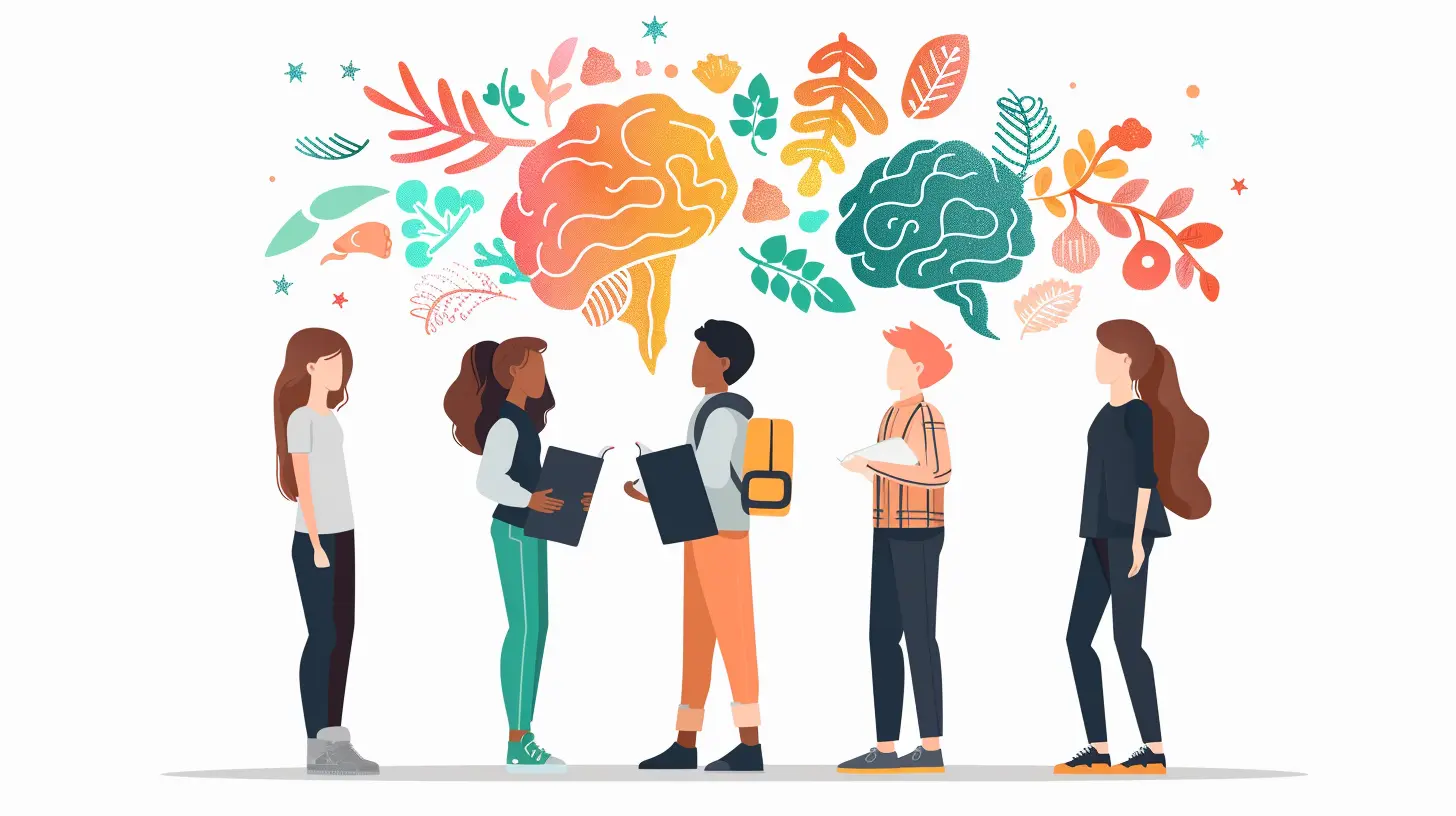
1. Creating a Safe and Supportive Classroom Environment
Students need a safe space where they feel comfortable expressing their thoughts and emotions without fear of judgment. When teachers cultivate a nurturing environment, students are more likely to develop emotional intelligence.How to Create a Supportive Classroom:
✔ Encourage Open Communication – Let students know they can share their feelings without being dismissed or ignored.✔ Promote Respect and Kindness – Establish classroom norms that emphasize respect, active listening, and empathy.
✔ Manage Conflicts Constructively – Teach students how to resolve conflicts peacefully rather than resorting to aggression or avoidance.
The more emotionally secure a student feels, the more likely they are to develop the confidence to recognize and regulate their emotions. 
2. Teaching Self-Awareness and Mindfulness
Self-awareness is a cornerstone of emotional intelligence. Students must first recognize their emotions before they can manage them.Ways to Teach Self-Awareness:
? Encourage Reflection – Ask students to journal about their emotions and experiences.? Use the "Emotion Wheel" – Introduce tools like an emotion wheel to help students identify what they’re feeling.
? Practice Mindfulness Activities – Simple breathing exercises, guided meditation, or mindful observation can help students stay present in the moment.
By helping students understand their emotions, teachers empower them to take control of their reactions. 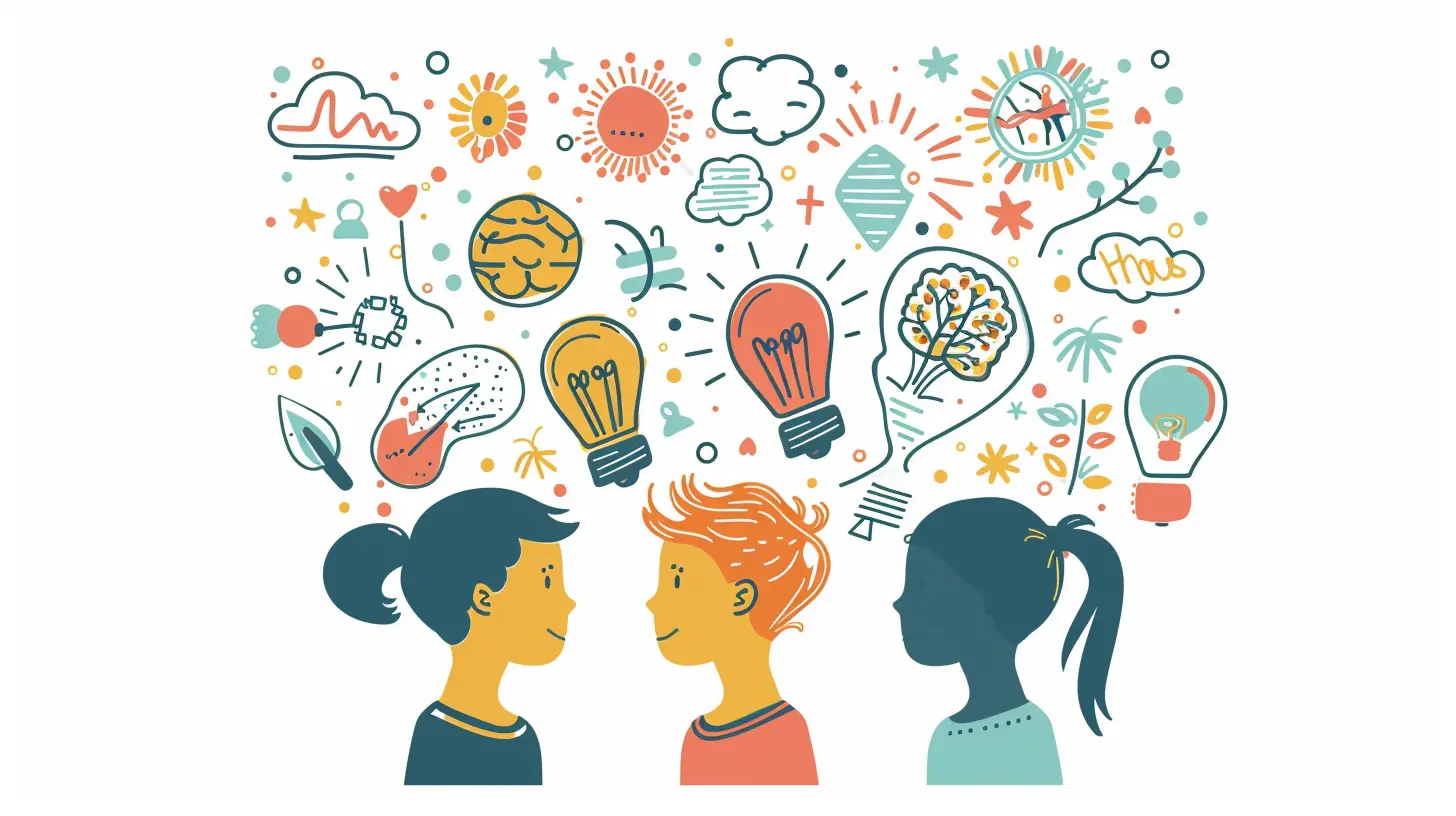
3. Modeling Emotional Regulation
Kids learn by watching the adults around them. If a teacher manages stress constructively and reacts calmly in difficult situations, students are likely to mirror that behavior.Ways to Model Emotional Regulation:
✅ Stay Calm Under Pressure – When stressful situations arise, demonstrate patience and composure.✅ Talk About Feelings Openly – Model self-awareness by sharing when you're feeling overwhelmed or frustrated (in an age-appropriate way).
✅ Demonstrate Problem-Solving – Show students how to work through challenges instead of reacting impulsively.
Your actions speak louder than words. If students see you practicing emotional regulation, they'll be more inclined to do the same.
4. Encouraging Empathy and Social Awareness
Empathy is the ability to put yourself in someone else’s shoes and understand how they feel. It’s a skill that makes students not only better friends but also better humans.Ways to Foster Empathy:
? Use Literature and Stories – Books and personal anecdotes can help students step into different perspectives.? Encourage Role-Playing – Activities that involve acting out scenarios can help students understand different emotional experiences.
? Ask Thought-Provoking Questions – "How would you feel if that happened to you?" Encouraging discussions that prioritize understanding emotions strengthen empathy.
An empathetic student is more likely to be kind, patient, and understanding—traits that will benefit them for a lifetime.
5. Teaching Emotional Vocabulary
Many students struggle to express emotions because they don’t have the words. Teaching emotional vocabulary gives them the language necessary to articulate what they’re feeling instead of acting out.How to Teach Emotional Vocabulary:
? Use Emotion Charts – Provide charts with different emotional words beyond just "happy," "sad," or "mad."? Encourage "I Feel" Statements – Teach students to express emotions in structured ways (e.g., "I feel frustrated when...").
? Create a Feelings Journal – Let students write down their emotions daily to track their moods and triggers.
The more words students have to describe their emotions, the easier it will be for them to regulate and express themselves.
6. Promoting Healthy Peer Interactions
A big part of emotional intelligence is navigating social relationships. Teachers can help by promoting healthy interactions among students.Strategies to Improve Peer Relationships:
? Group Activities – Assign collaborative projects that require teamwork and communication.? Teach Conflict Resolution – Help students mediate disagreements by guiding them through fair solutions.
? Encourage Positive Reinforcement – Promote kindness by encouraging students to give genuine compliments and encouragement.
Strong social skills help students thrive in school and beyond. Interpersonal intelligence is just as valuable as academic knowledge.
7. Using Real-Life Scenarios and Role-Playing
Sometimes, the best way to help students understand emotions is to let them experience different scenarios in a controlled setting. Role-playing allows students to practice emotional responses without real-world consequences.Examples of Role-Playing Exercises:
? Handling Peer Conflicts – Let students take turns acting out disagreements and resolving them peacefully.? Demonstrating Empathy – Have students pretend they are someone else and describe what that person might be feeling.
? Managing Emotional Outbursts – Present scenarios where a student must navigate frustration or disappointment appropriately.
When students actively engage in these exercises, they internalize emotional intelligence skills much faster.
8. Providing Positive Reinforcement
Learning emotional intelligence is a journey, and students will make mistakes. Instead of punishing emotional reactions, teachers should focus on reinforcement and growth.How to Reinforce Positive Behavior:
? Praise Emotional Growth – Recognize when students handle emotions effectively.? Acknowledge Small Wins – Even small steps toward EI development are achievements worth celebrating.
? Reframe Mistakes as Learning Opportunities – Help students understand that failure is a natural part of learning how to manage emotions.
Positive reinforcement encourages students to keep working on their emotional intelligence without fear of failure or embarrassment.
Final Thoughts
Emotional intelligence isn't just a "nice-to-have" skill; it's essential for lifelong success. When teachers actively foster EI in their classrooms, they equip students with the tools needed for emotional well-being, strong relationships, and personal growth.By creating a supportive environment, teaching self-awareness, modeling emotional regulation, encouraging empathy, and reinforcing social skills, teachers can make a lasting impact on their students' lives.
So, the next time you step into your classroom, remember: you're not just shaping young minds academically—you're shaping their hearts and emotions, too. And that might just be the most important lesson of all.
all images in this post were generated using AI tools
Category:
Mental Health In SchoolsAuthor:

Madeleine Newton