Understanding the Economics of Online News
14 April 2026
Let’s face it—news isn’t what it used to be. Gone are the days of flipping through a fresh newspaper with your morning coffee. These days, news flashes across your phone screen faster than you can say “breaking news.” But have you ever stopped to think about how online news is funded? Or why some articles are behind paywalls while others are drowning in ads? Buckle up, because we’re diving deep into the economics of online news. Spoiler alert: it’s way more complex (and interesting) than you might think.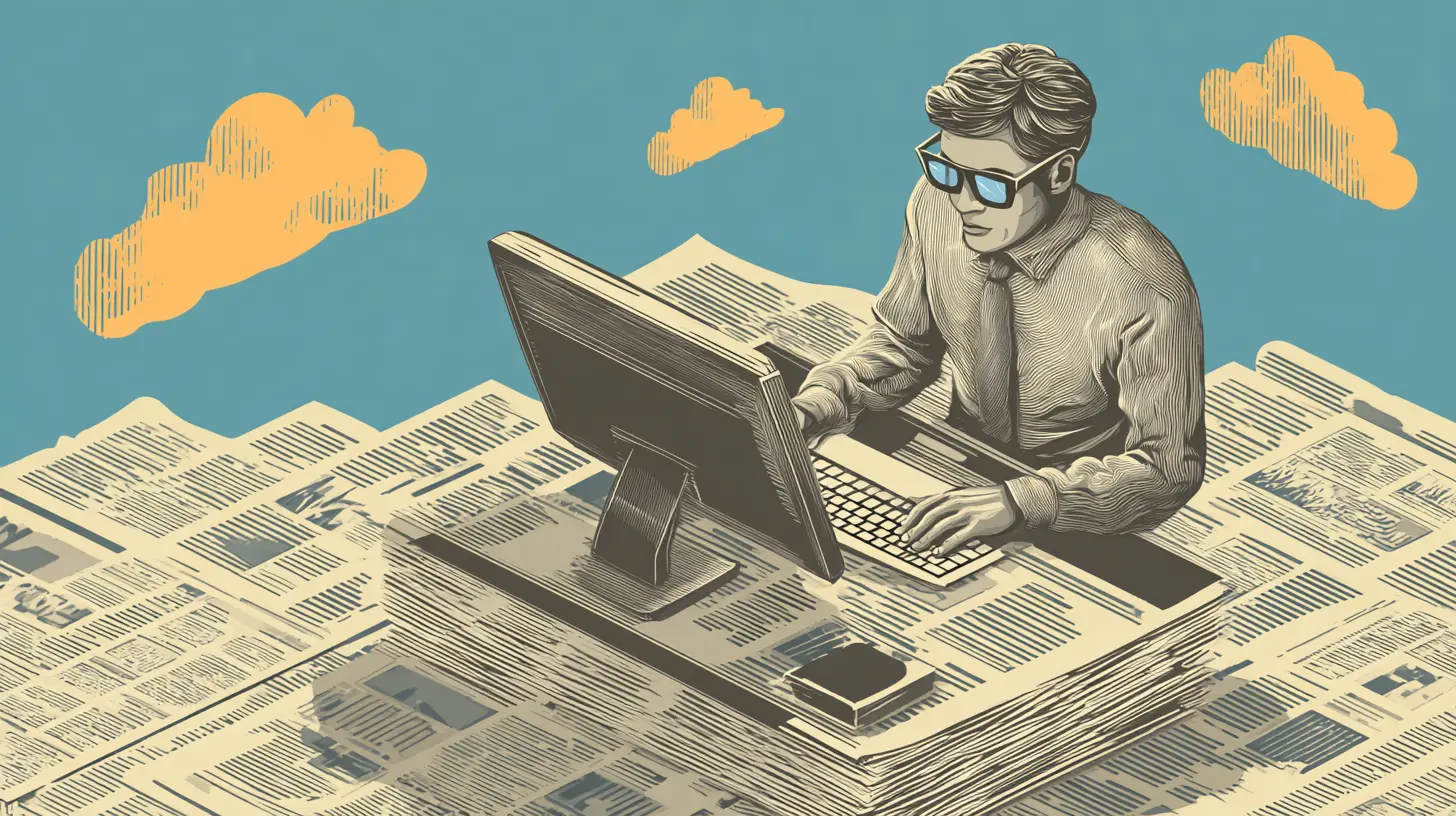
📢 The Shift from Print to Pixels
First, let’s rewind a bit.Before the internet took over our lives, newspapers ruled. They sold copies, printed ads, and made a decent buck. People paid for news every day, whether through a subscription or a trip to the local newsstand.
Then the internet happened.
News went digital, and suddenly, information was everywhere—and mostly free. Sounds great, right? Well, not if you're running a news company. That revenue stream from physical copies? It dried up. Sure, more people were reading the news than ever before, but fewer were paying for it. And that’s where the economics start to get messy.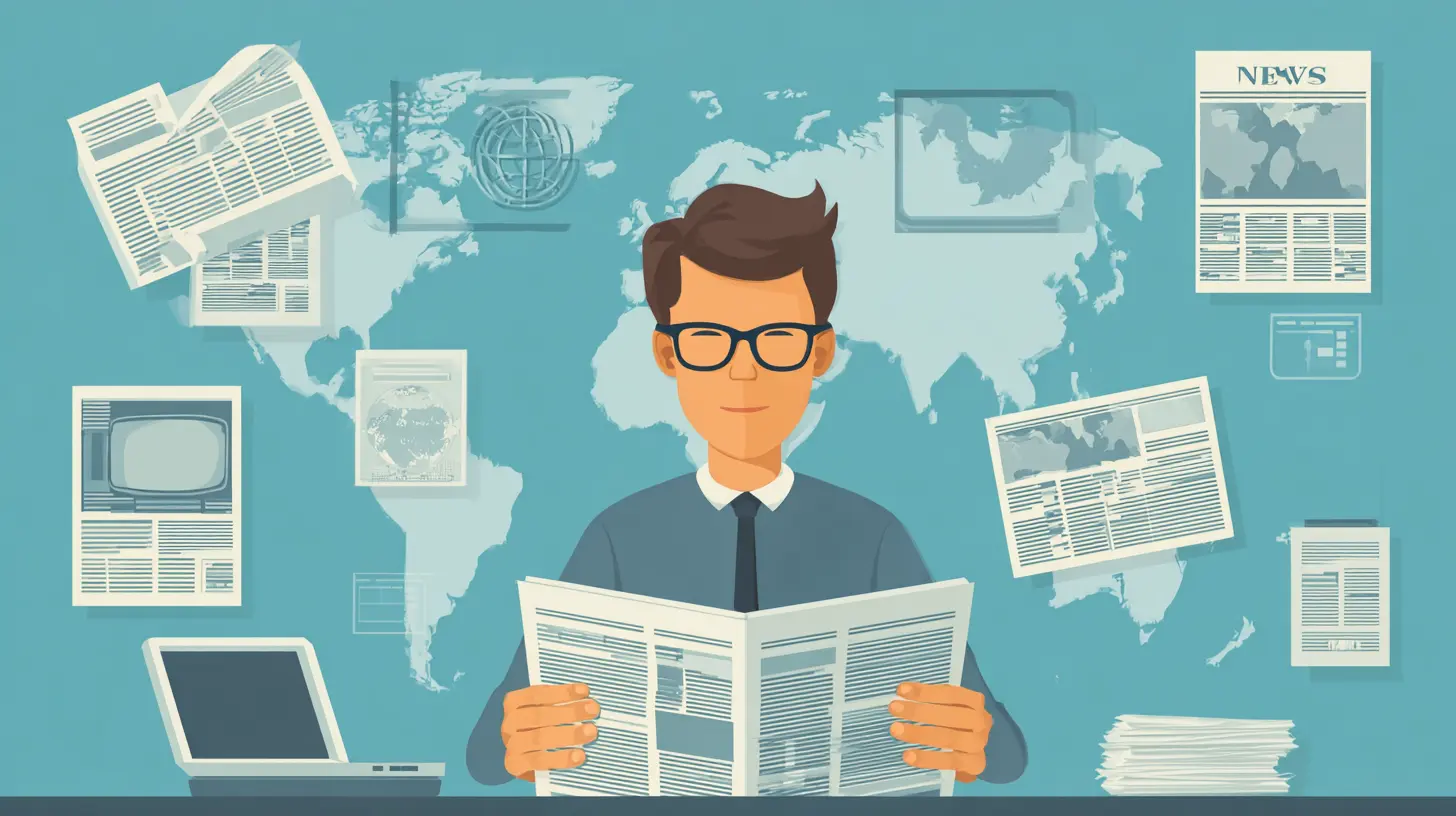
💸 Where Does the Money Come From?
Let’s break it down. Online news outlets need money to survive, just like any other business. But without subscription sales or traditional newspapers, they've had to get creative. Here are the big three:1. Advertising Revenue
Ever notice those flashy banners, pop-ups, or sponsored links?That’s advertising in action. Websites sell ad space to companies. The more visitors a site has, the more they can charge advertisers. Sounds simple, right? But here’s the catch: ad revenue is based on clicks and views. That means news outlets are often chasing viral content just to get your eyeballs on the page.
That’s why you see so many shocking headlines—the more dramatic, the more clicks. It’s called “clickbait,” and it’s not always about delivering quality news. It’s about getting you to click.
2. Subscription Models
Remember when news was free online? Yeah, not so much anymore.A lot of major news outlets, like The New York Times or The Washington Post, have moved to a paywall model. Want to read more than three articles this month? Time to subscribe.
This model is more sustainable than relying on ads alone. It supports quality journalism without flooding your screen with annoying pop-ups. But it does raise a bigger question—should essential news be hidden behind a paywall?
3. Sponsorships and Native Advertising
This one’s a little sneakier.Native advertising looks like regular news content, but it's actually a sponsored piece paid for by a brand. Think of it like an infomercial disguised as a news story.
Some people find this misleading. On the flip side, it allows media companies to generate income without charging readers directly. The key? Transparency. Responsible outlets clearly label sponsored content so readers don’t feel duped.
🤷♀️ So, Who Pays for “Free News”?
You might not pay upfront, but trust me—you’re still paying somehow.If you're not shelling out for a subscription, then you’re the product. Your attention, your data, your clicks, your behavior—they're valuable to advertisers. In a sense, free news isn’t really free. You're just paying with information rather than cash.
It's a trade-off. You get access to content, and advertisers get access to you. That's why analytics and data tracking are such big deals in digital journalism—more on that next.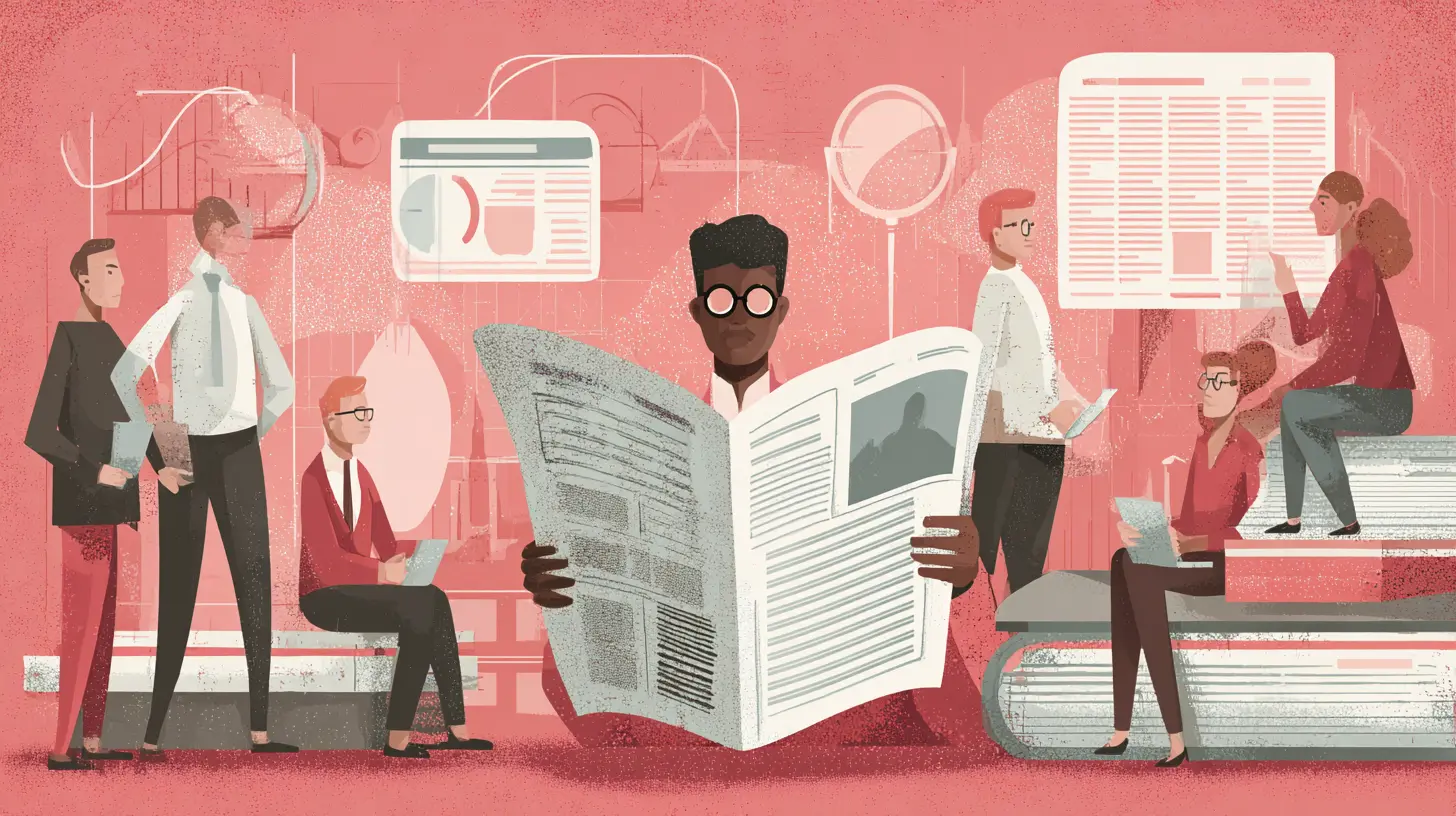
👀 The Role of Data in Online News Economics
Every time you click on a headline, stay on a page, or even scroll through a news app, data is being collected.News websites track user behavior to understand what content keeps you engaged. That info helps them tweak headlines, suggest related stories, or target you with more relevant ads.
This is both fascinating and a little creepy. It's also incredibly valuable. Data helps news companies optimize monetization strategies. The more they know about you, the better they can serve up content—and ads—that’ll get results.
But it comes with ethical concerns. How much data should news sites collect? And what happens if that information ends up in the wrong hands?
⚖️ Journalism vs. Commercial Pressure
Here’s where things get real.There’s a fine line between making money and delivering unbiased information. When news organizations rely heavily on ad revenue or sponsored content, there’s a risk that journalistic integrity takes a backseat.
Imagine this: a big advertiser doesn’t like how they're portrayed in a news piece. If that company pulls its sponsorship, it could seriously hurt the outlet financially. That kind of pressure can influence what stories get told—and how they're told. It's a tough balancing act.
The best media outlets? They stay transparent and prioritize truth over profit. But not every outlet plays by the same rules.
🌎 Global Economies, Local News
We often talk about the big players—CNN, BBC, Reuters—but what about the little guys?Local news outlets are struggling. They often serve as the backbone of community journalism, but they’re hit hardest by declining revenues. Many have shut down or been bought up by larger conglomerates.
That’s not just sad—it’s a problem. Without local journalism, communities miss out on important stories that directly affect them: school board decisions, local elections, and neighborhood issues.
Online platforms like Substack or Patreon now offer a lifeline, letting independent journalists fund their work directly through reader support. It’s a glimmer of hope in an otherwise shaky landscape.
🧠 The Psychology of Paying for News
Why are people more willing to pay for Netflix than The Washington Post?It all comes down to perceived value. Entertainment is seen as fun, relaxing—a reward. News? It feels like a chore for some. That makes it harder to convince people to pay for something they think should be a public service.
But here’s the kicker: quality journalism costs money. Investigative reporting takes time, resources, and expertise. It’s not just someone typing up rumors from Twitter. If we want the truth, we need to support the people digging for it.
So the real question becomes—what's the cost of not paying for news?
📲 Social Media and News Distribution
Platforms like Facebook, Twitter (or X, whatever we're calling it now), and Instagram play a huge role in how we consume news. But there's a catch—these platforms aren't journalistic outlets. They're middlemen.News spreads fast on social media, but not always accurately. And since these platforms use algorithms to keep you engaged, you're more likely to see content that confirms your beliefs. That’s called an echo chamber, and it can distort your view of the world.
What’s more, publishers rely on these platforms for traffic. That makes them vulnerable to changes in algorithms. One tweak, and a site could lose half its visitors overnight.
🌐 The Future of Online News Economics
We’re at a crossroads.The current model? It’s kind of like trying to patch a leaky ship while you’re still sailing. Some are calling for public funding of journalism. Others believe in a reader-supported model like subscriptions, donations, or memberships.
What’s certain is this: the demand for news isn’t going anywhere. People will always want to know what’s happening in the world. The real challenge is figuring out how to fund that in a way that keeps journalism honest, accessible, and sustainable.
🤔 How Can You Help?
Glad you asked.You don’t have to be a billionaire to support quality journalism. Here’s how you can make a difference:
- Subscribe: If you find a news outlet that consistently delivers valuable content, support it.
- Donate: Many independent publications rely on reader donations.
- Share responsibly: Don’t just retweet headlines. Read the article and check the source.
- Use ad-blockers wisely: Ads pay the bills. Consider whitelisting trusted sites.
Every click, share, and dollar counts.
📝 Final Thoughts
Understanding the economics of online news isn’t just for media insiders or business nerds. It affects all of us. The way news is produced, funded, and consumed has a direct impact on the quality and truth of the information we rely on every day.And in a world full of misinformation, fake news, and information overload, knowing how the system works can help you become a smarter, more ethical news consumer.
So next time you read an article online, think about what went into creating it. Someone researched it, edited it, published it—and they probably didn’t do it for free.
Let’s all do our part to keep the truth alive, online and off.
all images in this post were generated using AI tools
Category:
Media LiteracyAuthor:

Madeleine Newton
Discussion
rate this article
2 comments
Eloise Hahn
Empower yourself: Knowledge drives change!
April 19, 2026 at 3:53 AM
Madeleine Newton
Absolutely! Knowledge is key to navigating the evolving landscape of online news and shaping informed discussions.
Nico Wood
Sure, understanding the economics of online news is important, but let's be real: if the headlines don't catch our attention, who cares about the fine print? Clickbait reigns supreme!
April 18, 2026 at 4:10 AM
Madeleine Newton
You make a great point. Headlines are the first step to engagement, but we can't forget the importance of substance behind them. Balance is key.