Encouraging Open Discussions About Mental Health in the Classroom
4 April 2026
Mental health. Just two words, yet they carry a whole world of feelings, struggles, growth, and resilience. And here’s the thing—what if we made it okay to talk about mental health just like we talk about math problems or group projects in the classroom?
Let’s be real for a second. School can be overwhelming—tests, fitting in, figuring out who you are. Add mental health challenges to the mix and things can feel downright impossible. But what if classrooms became safe zones for open conversations about mental wellness? What if talking about feelings was as normal as raising your hand?
That’s what this article is all about—how we can create open, honest, and stigma-free discussions about mental health right inside our classrooms. So, grab your metaphorical toolkit because we’re about to turn classrooms into kind, supportive spaces that truly nurture the whole student.
Why We Don’t Talk About Mental Health Enough
Before we dive deeper, let’s ask a simple question—why is it so hard to talk about mental health?There’s a laundry list of reasons: stigma, fear of judgment, lack of understanding, cultural taboos, and the classic “just tough it out” mindset. Unfortunately, many students grow up believing they have to hide their emotions, slap on a smile, and pretend everything’s fine—even when it’s not.
You wouldn’t expect a student to solve a math problem without teaching them how, right? So why do we expect them to handle anxiety, depression, or stress without any guidance or support?
And that, right there, is why educators and school leaders need to step in and create an open environment where students feel seen, heard, and supported.
The Real Impact of Silent Struggles
Let’s not sugarcoat things. Unspoken mental health issues can lead to some serious consequences in school:- Poor academic performance
- Increased absenteeism
- Social withdrawal
- Behavioral problems
- Risk of self-harm or suicide
But the good news? There’s a flipside. When schools encourage open discussions about mental health, students feel more comfortable seeking help, supporting their peers, and managing their emotions in healthy ways.
It’s not just about preventing harm. It’s about helping students thrive.
Creating a Safe Space: The First Step to Opening Up
Alright, let’s talk strategy. You can’t have open conversations without creating a safe space first—kind of like trying to bake a cake without preheating the oven.1. Build Trust from Day One
If students don’t feel safe, they’re not going to open up. Period. Start by getting to know them. Show that you care not just about what they produce academically, but about who they are as people.- Greet them by name.
- Ask how their day is going.
- Celebrate small wins.
- Listen—really listen—when they talk.
When students trust their teachers, they’re much more likely to talk about what’s really going on inside.
2. Normalize Mental Health Conversations
Bring mental health into everyday conversation. You don’t need a full-blown therapy session. Slip it into moments of the day:- “It’s okay to feel overwhelmed.”
- “Let’s take a five-minute mindfulness break.”
- “Remember, it’s normal to have tough days.”
Talk about emotions the same way you’d talk about physical health. You wouldn’t ignore a broken leg, so don’t ignore emotional pain either.
3. Offer Confidential Spaces
Some students need a private setting to feel comfortable opening up. Make it clear that students can talk to you one-on-one, and let them know you’ll respect their trust (within the bounds of safety and school policy, of course).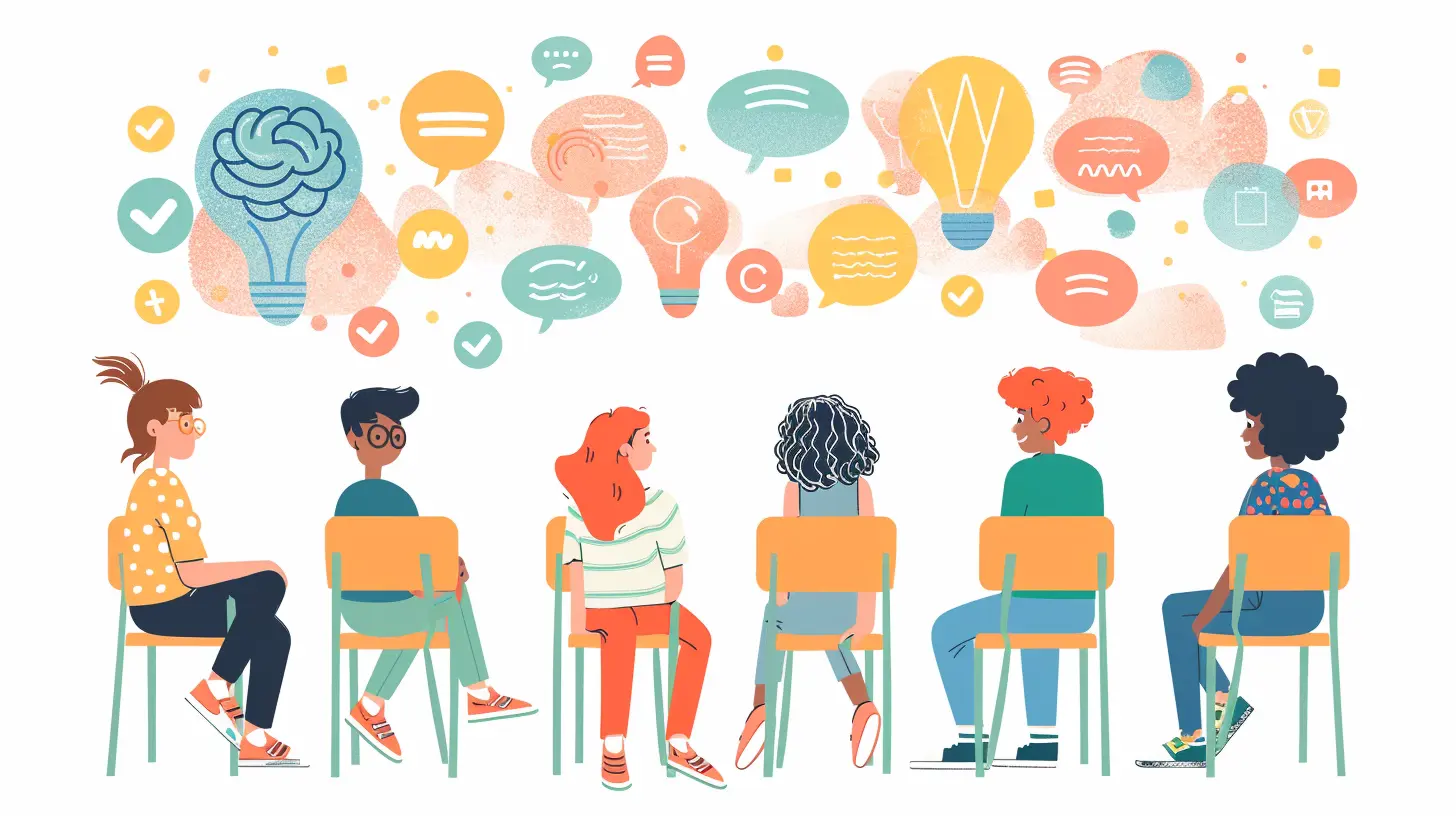
Activities That Invite Mental Health Talks
Okay, so how do you actually get the ball rolling? Here are a bunch of classroom activities that naturally bring mental health into the spotlight without making it awkward.1. Feelings Check-ins
Start or end the day with a quick check-in. Ask students to rate their mood on a scale of 1-10 or use emojis on a whiteboard. It’s simple, but it gives students a chance to reflect and express their emotions.2. Journaling and Reflections
Give students time to write freely about their thoughts and feelings. You can offer prompts like:- “One thing that stressed me out this week was…”
- “I feel most calm when…”
- “If my emotions had a color today, they’d be…”
It’s amazing how much opens up when you put a pen in their hand.
3. Mental Health Literature
Use stories and books that touch on mental health themes. Discuss the characters’ emotions, decisions, and support systems. Books give students a safe distance to explore their own feelings.Examples?
- “Wonder” by R.J. Palacio
- “Inside Out and Back Again” by Thanhha Lai
- “Turtles All The Way Down” by John Green
4. Mindfulness and Breathing Exercises
Take 5 minutes a day for deep breathing, stretching, or guided meditation. It might feel awkward at first, but students start looking forward to it. It becomes their little mental reset button.Encouraging Peer Support (Without the Pressure)
Students don’t always want to talk to adults. Sometimes they’d rather turn to a classmate who “gets it.” So how do we foster that support without turning friends into therapists?Create Buddy Systems
Pair students up for weekly check-ins or study sessions. The goal isn’t to solve each other’s problems—just to offer a listening ear and a friendly face.Teach Empathy and Active Listening
Model and practice how to listen without interrupting, judging, or trying to “fix” someone’s feelings. Sometimes the best support is just being there.Use Peer Mentoring Programs
Older students can act as trained mental health ambassadors. With proper guidance, they can answer questions, share resources, and be positive role models for younger students.Educators Need Support Too
Teachers, let’s be honest—you carry a lot. Your own mental health matters just as much as your students’. You can’t pour from an empty cup.- Participate in school wellness initiatives.
- Set boundaries between work and home.
- Talk to other educators when you’re feeling overwhelmed.
- Don’t shy away from asking for help.
When teachers model self-care and vulnerability, students learn it’s okay to do the same.
When to Bring in the Pros
While creating open discussions is powerful, it’s crucial to know your limits. If a student reveals something serious—like suicidal thoughts, abuse, or ongoing trauma—that’s a sign to involve school counselors or trained mental health professionals.And don't worry, you're not abandoning them. You're getting them the help they truly need.
Always follow your school’s protocol for handling sensitive situations. Being a trusted adult sometimes means knowing when to pass the baton.
Long-Term Culture Change Starts Small
You might think, “Cool ideas, but can just one teacher really make a difference?” Absolutely.Culture shifts are like ripples in a pond. One class becomes one grade level. One school becomes one district. Before you know it, mental health becomes a core part of education, not an afterthought.
Start small. Stay consistent. Speak openly. And never underestimate the power of simply saying, “I’m here if you need to talk.”
Final Thoughts: Let’s Talk About It
Let’s stop treating mental health like a locked box in the back of the classroom. Let’s talk about it openly, kindly, and consistently. When students know they have a safe space, a supportive teacher, and permission to speak their truth, incredible things happen.They feel less alone. They share more. They support each other. And most importantly, they grow—not just academically, but emotionally and mentally too.
So go ahead—have the conversation. Even if it feels messy, uncomfortable, or uncertain. Because trust me, silence is way more dangerous than honesty, and a little courage in one classroom can echo through a lifetime.
all images in this post were generated using AI tools
Category:
Mental Health In SchoolsAuthor:

Madeleine Newton
Discussion
rate this article
2 comments
Reece Phillips
Sure, because nothing says “let's talk about mental health” like awkward silences and students pretending to be busy with their phones. I can already hear the crickets chirping in that classroom!
April 4, 2026 at 10:59 AM
Madeleine Newton
I get what you're saying. It can be tough to break the ice, but starting the conversation is key. We just need to create a space where everyone feels comfortable to share.
Ainsley Gibson
In shadows of silence, true healing begins—unlock the conversations lurking beneath the surface.
April 4, 2026 at 2:33 AM
Madeleine Newton
Thank you for your insightful comment! Silence can often hinder healing, and fostering open conversations in the classroom is vital for mental health awareness and support.