The Impact of Bullying on Student Mental Health
9 December 2025
Bullying. Just saying the word sparks strong emotions, right? Whether you were the target, the bystander, or even the one doing the bullying, chances are you’ve seen its effects up close. And let’s be real—school should be a place for learning, growth, and self-discovery. Instead, for many students, it becomes a war zone of whispered insults, cruel jokes, or even physical pain. But here’s the kicker: bullying doesn’t end when the school bell rings. It sticks. It lingers. And more than anything, it leaves scars—mental and emotional ones that often go untreated.
In this article, we’re diving deep into the serious impact bullying has on student mental health. We’ll break it down, look at the signs, and talk about how schools, parents, and peers can do better. Because this isn’t just a schoolyard issue—this is a mental health crisis.
What Is Bullying, Really?
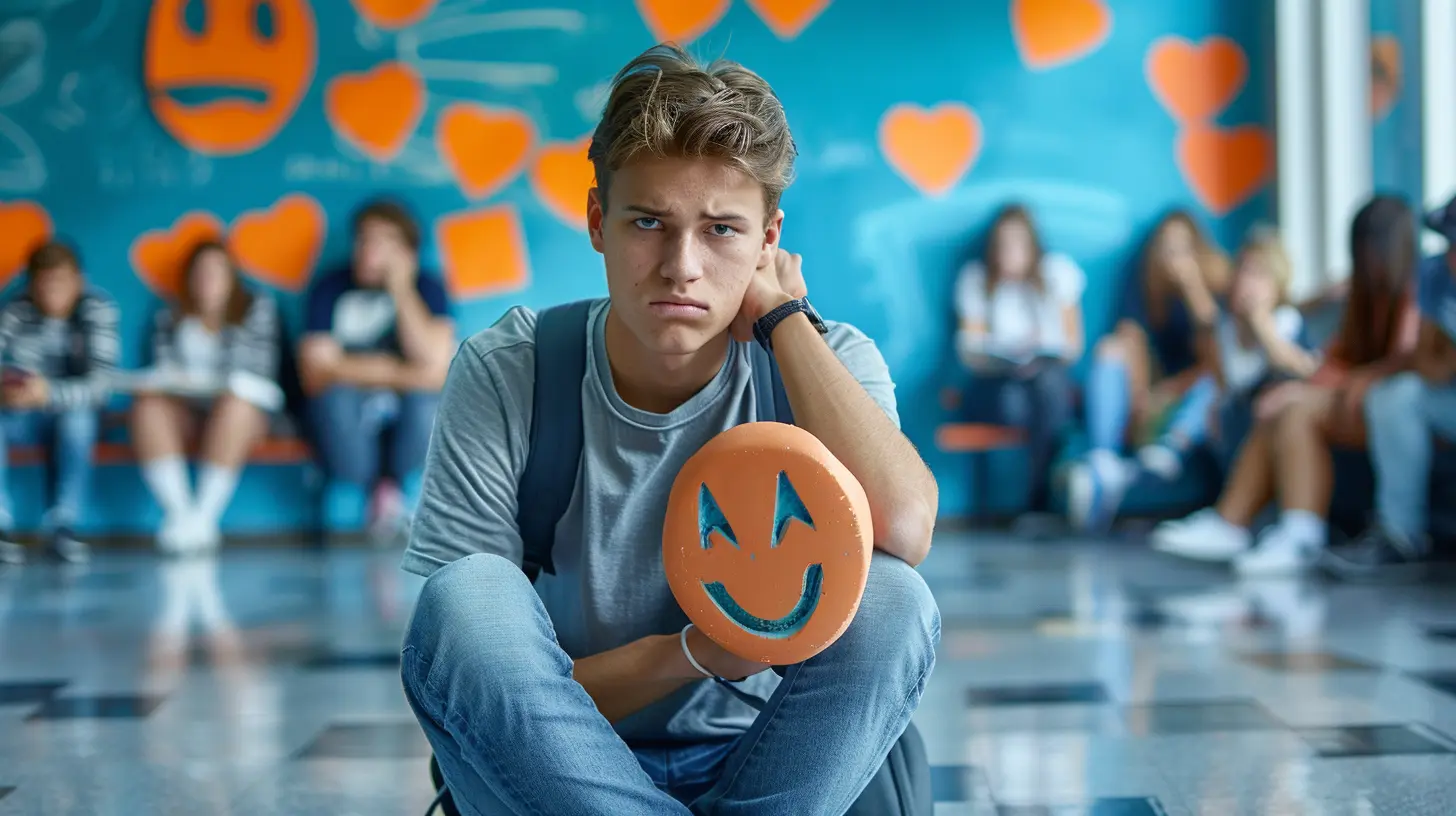
Before we go any further, let’s get one thing straight: bullying isn’t just kids “being kids.” It's not harmless teasing or a rite of passage. It’s intentional, repetitive behavior meant to hurt, intimidate, or isolate someone. It can come in many forms:- Verbal: Name-calling, insults, threats
- Physical: Hitting, kicking, pushing
- Social/Relational: Spreading rumors, exclusion
- Cyberbullying: Online harassment, doxxing, trolling
No matter the form, the outcome tends to be the same—pain, fear, and long-lasting emotional damage.
The Psychological Toll of Bullying
Let’s not sugarcoat it—bullying messes with your head. When you’re constantly targeted, it chips away at your sense of self. Here’s a look at just a few of the mental health impacts:1. Anxiety and Depression
This one’s huge. Studies show that students who are bullied regularly are far more likely to experience anxiety and depression. We're talking constant worry, panic attacks, and that all-too-familiar pit-in-your-stomach feeling when it’s time to go to school. Over time, this can morph into chronic depression—fatigue, hopelessness, lack of motivation, and even suicidal thoughts.2. Low Self-Esteem
Imagine being told every day that you're worthless, weird, or unwanted. Eventually, you start believing it. Bullying crushes your confidence and distorts your personal identity. It creates a loop where students internalize the negativity, leading to poor self-worth and emotional numbness.3. Post-Traumatic Stress Disorder (PTSD)
Yes, bullying can lead to PTSD—especially if it’s ongoing and severe. Victims may relive traumatic incidents, avoid triggering places or people, and experience extreme emotional distress. Think of it as emotional whiplash that never quite goes away.4. Academic Struggles
When your mind is battling fear and anxiety, it's nearly impossible to focus on algebra or English essays. Students who are bullied often see a drop in grades, motivation, and participation. They may even start skipping school altogether, which only adds to the cycle of academic and emotional decline.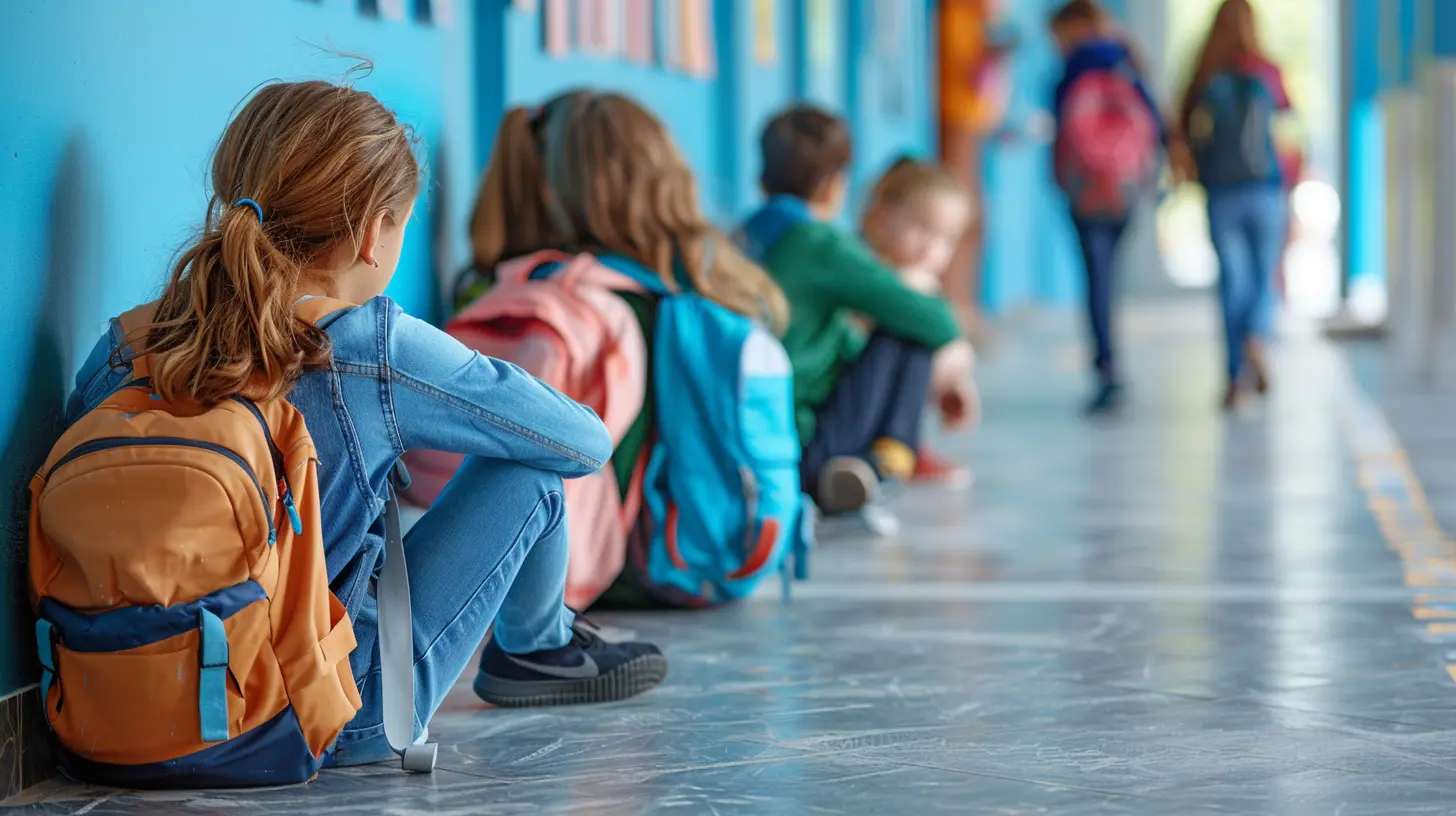
The Ripple Effect: It’s Not Just the Victims
Here’s something that doesn’t get talked about enough—bullying doesn’t just hurt the person being bullied. It impacts everyone in the environment. Let’s break it down:Bystanders Feel Helpless and Guilty
Students who witness bullying often report high levels of stress and guilt. Why? Because even when they want to help, fear of becoming the next target keeps them silent. Over time, this feeling of helplessness can take a real toll on their mental health.Bullies Aren’t Okay, Either
This might surprise you, but bullies often have their own issues. Many are struggling with anger, neglect, or past trauma. Their actions may be a misplaced cry for help. Unfortunately, bullying behavior can lead to long-term problems like substance abuse, criminal activity, and continued mental health struggles in adulthood.School Climate Becomes Toxic
No one thrives in a hostile learning environment. A school filled with bullying breeds fear, mistrust, and fragmentation. When safety is compromised, learning takes a back seat—and mental health pays the price for everyone involved.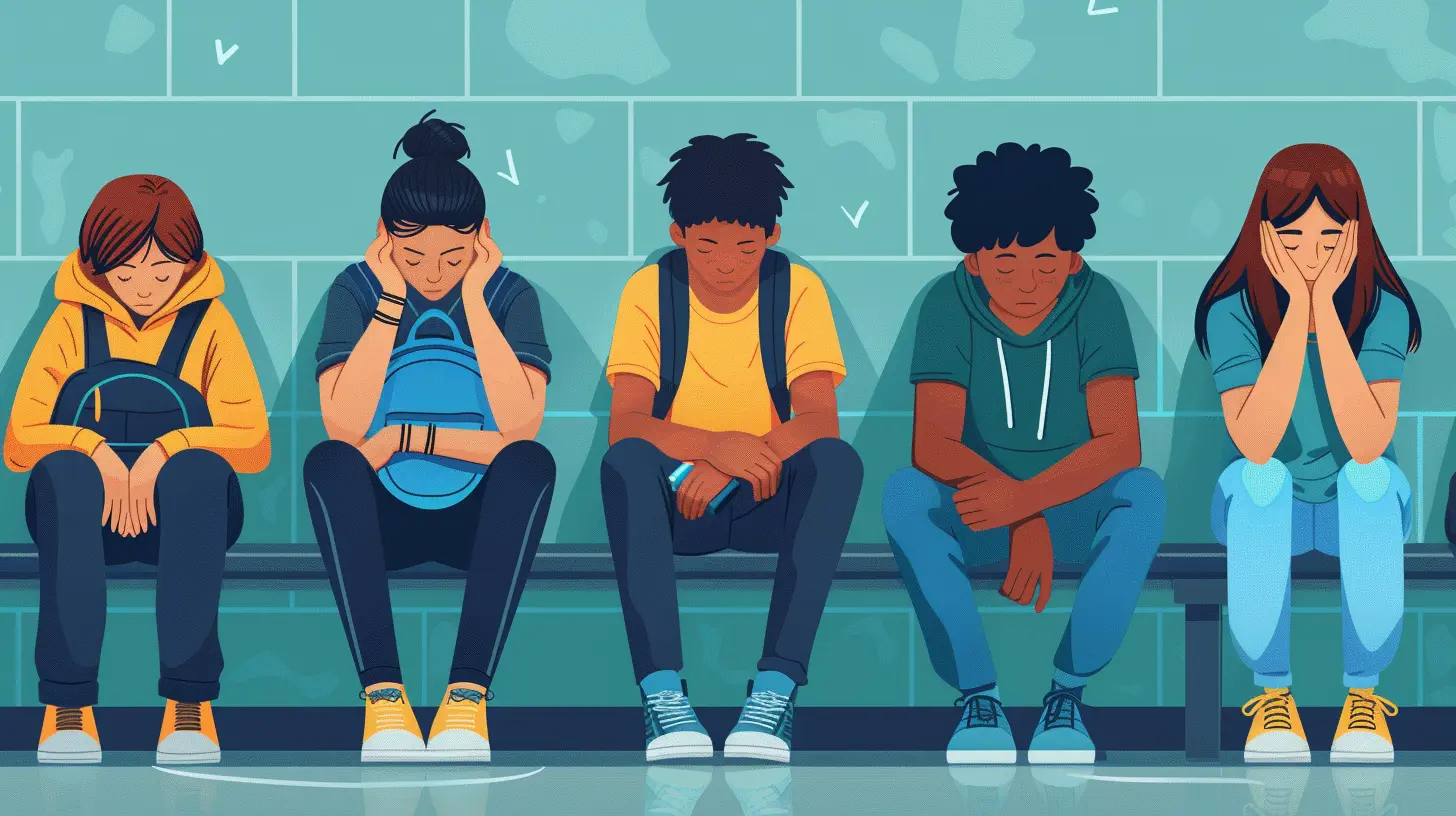
Cyberbullying: The 24/7 Nightmare
Gone are the days when bullying ended after the final bell. Thanks to smartphones and social media, bullying now follows students home. Cyberbullying is brutal—it’s public, permanent, and relentless.- Embarrassing videos go viral.
- Cruel messages flood inboxes at 2 a.m.
- Anonymous trolls attack with no accountability.
This digital version of bullying can be even more damaging because it invades what should be a safe space—the home. Victims often feel like there’s no escape, which can heighten anxiety, isolation, and depression.
Recognizing the Warning Signs
Spotting the signs of bullying-related mental health concerns isn’t always easy, but knowing what to look for can make all the difference. Here are some red flags:Emotional Signs
- Mood swings- Withdrawal from friends and family
- Sudden outbursts or irritability
- Loss of interest in hobbies
Physical Signs
- Unexplained injuries- Frequent headaches or stomachaches
- Changes in eating or sleeping habits
Behavioral Signs
- Avoiding school- Declining grades
- Self-harm or talking about suicide
If you see these signs in your child, friend, or student, it’s time to take action.
What Can We Do About It?
Okay, so we know the problem is serious. Now what? The good news is that there's plenty we can do to combat bullying and protect student mental health.1. Foster Open Communication
Let’s face it—it’s hard to talk about bullying. Many students fear retaliation or being brushed off. Adults need to create safe, judgment-free zones where kids feel comfortable speaking up. Ask questions. Really listen. Let them know they’re not alone.2. Educate and Empower
Schools should prioritize bullying prevention programs that go beyond just a one-day assembly. We’re talking about incorporating empathy, digital citizenship, and conflict resolution into everyday lessons. When students understand the impact of their actions and feel empowered to step in, change happens.3. Provide Mental Health Support
Every school needs access to trained counselors, therapists, or psychologists. Period. Whether it’s one-on-one counseling or peer support groups, giving students the tools to cope with trauma and stress can be life-changing (and even life-saving).4. Hold Bullies Accountable—With Compassion
Accountability is crucial—but so is understanding where the behavior is coming from. Instead of just doling out suspensions, schools should use restorative practices that help bullies recognize the harm they’ve caused and learn healthier ways to cope.5. Get Parents Involved
Parents are a huge part of this puzzle. By staying involved, encouraging communication, and modeling empathy at home, they can reinforce the values students need to thrive socially and emotionally.6. Leverage Technology for Good
Technology might have fueled the bullying epidemic, but it can also be part of the solution. Apps, hotlines, and anonymous reporting tools can help students seek help without fear. When used correctly, digital tools can create safer, more inclusive environments.The Long-Term Impact
Let’s not sugarcoat it—bullying can leave scars that last well into adulthood. Victims often struggle with mental health disorders, trust issues, and poor self-image for years. Some even carry the trauma into their careers and relationships, affecting every facet of their lives.But here’s the good news: recovery is possible. With the right support, victims can rebuild their confidence, rediscover their worth, and live fulfilling, empowered lives. That’s why addressing bullying is more than a disciplinary issue—it’s a public health priority.
Real Talk: We Need to Do Better
The truth is, we often underestimate the emotional cost of bullying. We tell kids to suck it up, fight back, or ignore it. But ignoring pain doesn't make it go away—it buries it, where it festers and grows.If we want to cultivate emotionally intelligent, resilient, and mentally healthy students, we need to confront the ugly truths about bullying head-on. That means getting uncomfortable. Speaking out. Holding ourselves—and each other—accountable.
Because mental health isn't a luxury. It’s a necessity.
Final Thoughts
Bullying isn’t just a childhood inconvenience. It’s a serious threat to student mental health with long-term consequences. But change is possible. By caring more, listening better, and acting sooner, we can create schools where every student feels seen, safe, and supported.It's not about making school “perfect.” It's about making it bearable—and, eventually, even joyful—for every single student.
all images in this post were generated using AI tools
Category:
Mental Health In SchoolsAuthor:

Madeleine Newton
Discussion
rate this article
2 comments
Freya Middleton
Bullying significantly undermines student mental health, leading to increased anxiety, depression, and lower academic performance. Addressing this issue is crucial for fostering a safe and supportive educational environment that promotes the well-being of all students.
December 24, 2025 at 3:50 AM
Madeleine Newton
Thank you for highlighting the critical connection between bullying and student mental health. Addressing bullying is essential for creating a safe learning environment and supporting our students' overall well-being.
Lisette McQuade
Beneath the surface, silent scars linger. Can we uncover the unseen ties between bullying and despair?
December 13, 2025 at 6:00 AM
Madeleine Newton
Absolutely, the hidden scars from bullying often manifest as deep emotional pain, linking directly to mental health issues like anxiety and depression. Uncovering these connections is crucial for effective prevention and support.