Using Research to Support Students with Special Needs
8 March 2026
Supporting students with special needs isn't just a job—it's a mission. Every child deserves the opportunity to thrive, and research plays a crucial role in making that happen. But too often, special education strategies lag behind, relying on outdated methods instead of cutting-edge insights.
So, how do we bridge the gap? How can teachers, parents, and schools use research-backed approaches to give special needs students the support they deserve? Let’s unpack the power of research in special education and see how it can transform learning experiences for these students. 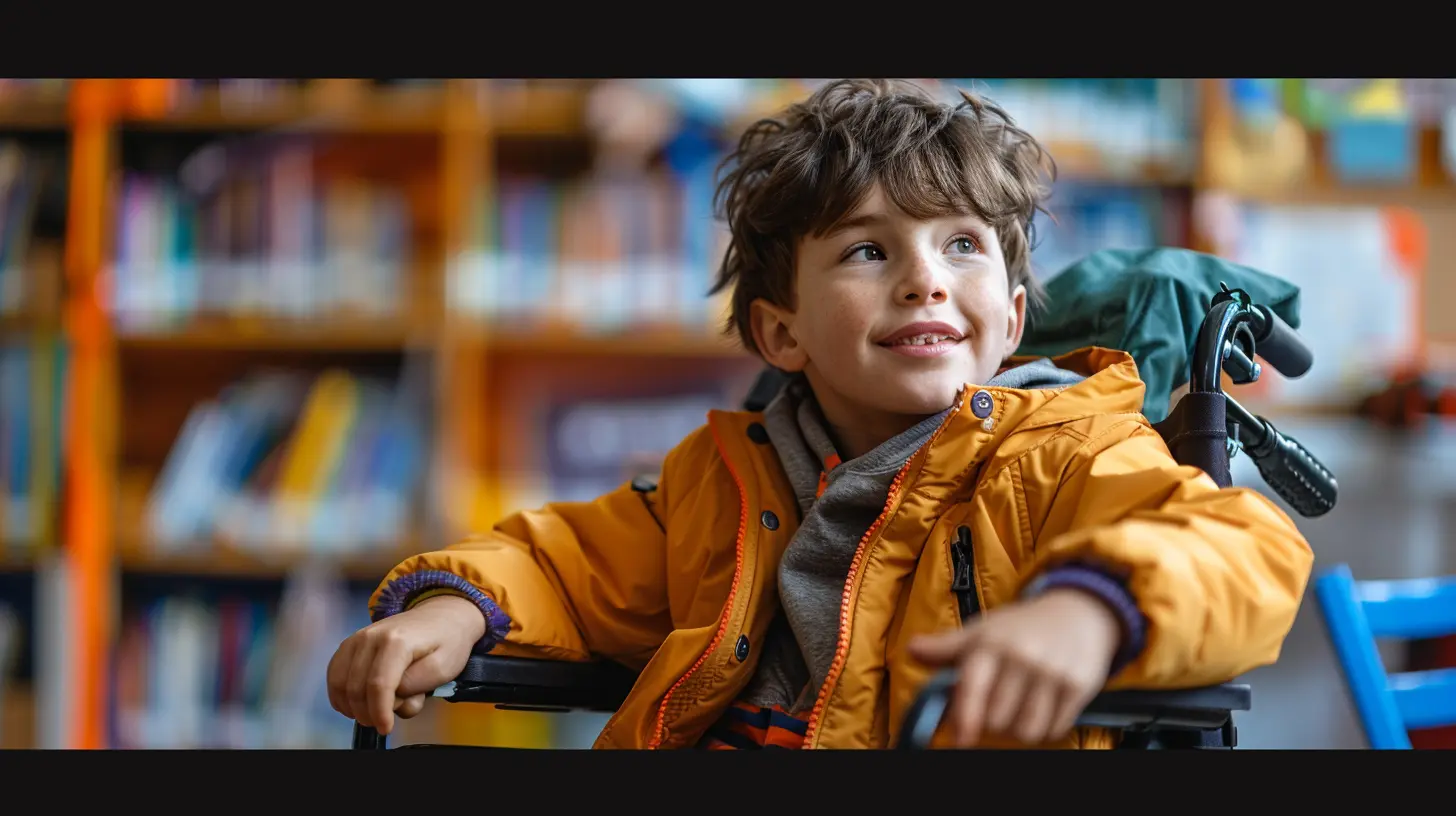
Why Research Matters in Special Education
Imagine trying to treat an illness without scientific studies guiding medical practices. Sounds risky, right? The same applies to education. Without research, we’re just guessing what might work for students with special needs.Educational research helps identify effective teaching methods, behavior management strategies, and intervention programs that actually make a difference. It takes the trial and error out of special education and replaces it with proven, evidence-based practices.
But here's the kicker—not all research is created equal. Some studies offer groundbreaking insights, while others barely scratch the surface. That’s why educators, parents, and policymakers need to focus on high-quality, peer-reviewed research. 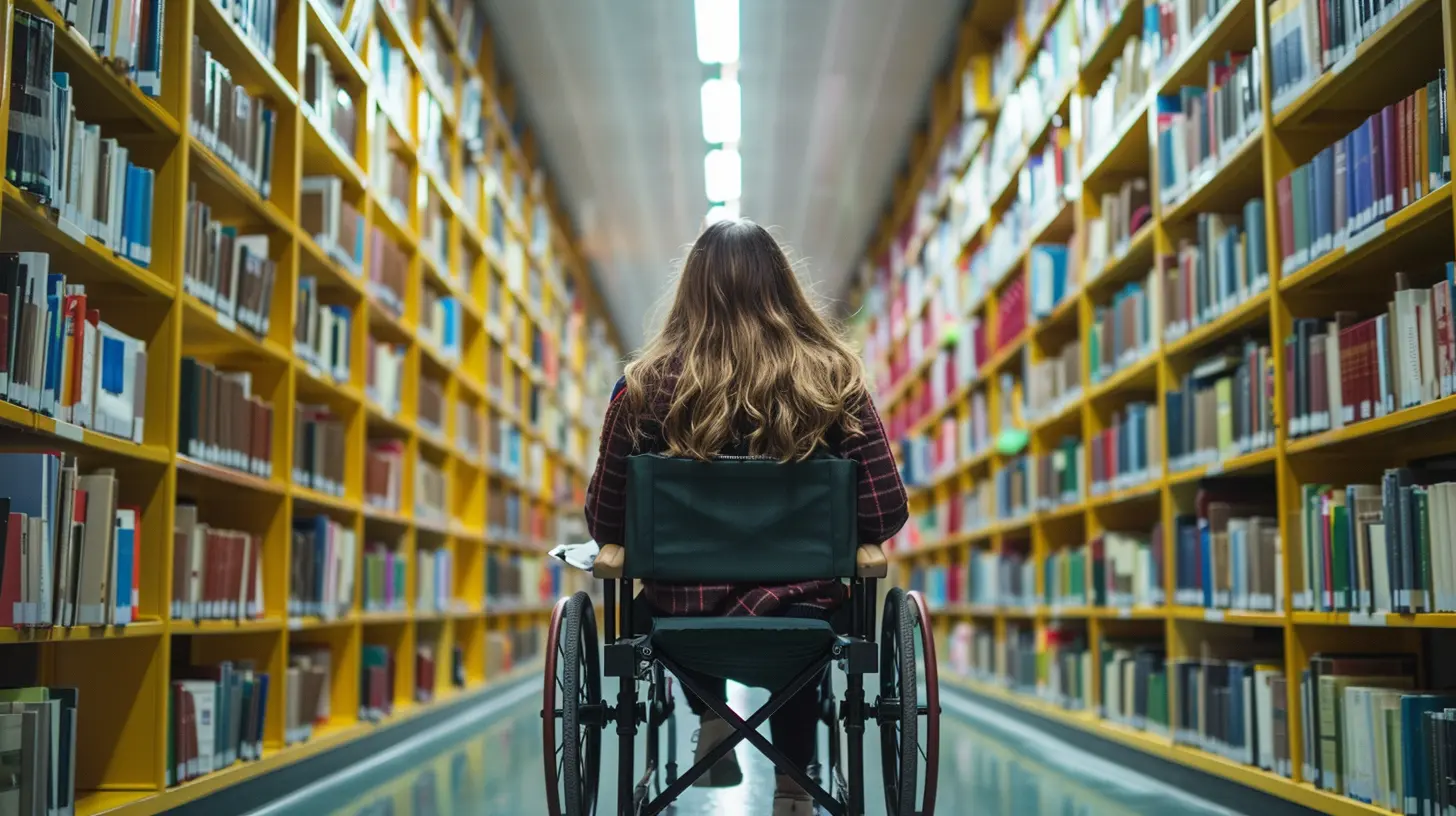
Understanding Special Needs: A Research-Based Perspective
“Special needs” is an umbrella term covering a wide range of learning challenges—from autism and ADHD to dyslexia and sensory processing disorders. Because every child is unique, a one-size-fits-all approach won’t cut it.The Science of Learning Differences
Research in neuroscience and psychology reveals that students with learning disabilities often process information differently than their peers. Studies on brain plasticity show that the right interventions can literally rewire the brain, helping students overcome challenges.For example, research on dyslexia has shown that structured literacy programs, like Orton-Gillingham, significantly improve reading skills. Similarly, studies on autism suggest that applied behavior analysis (ABA) can help improve communication and social skills.
So, if we know what works, why aren’t these methods universally applied? The answer often lies in a lack of awareness, training, and resources. 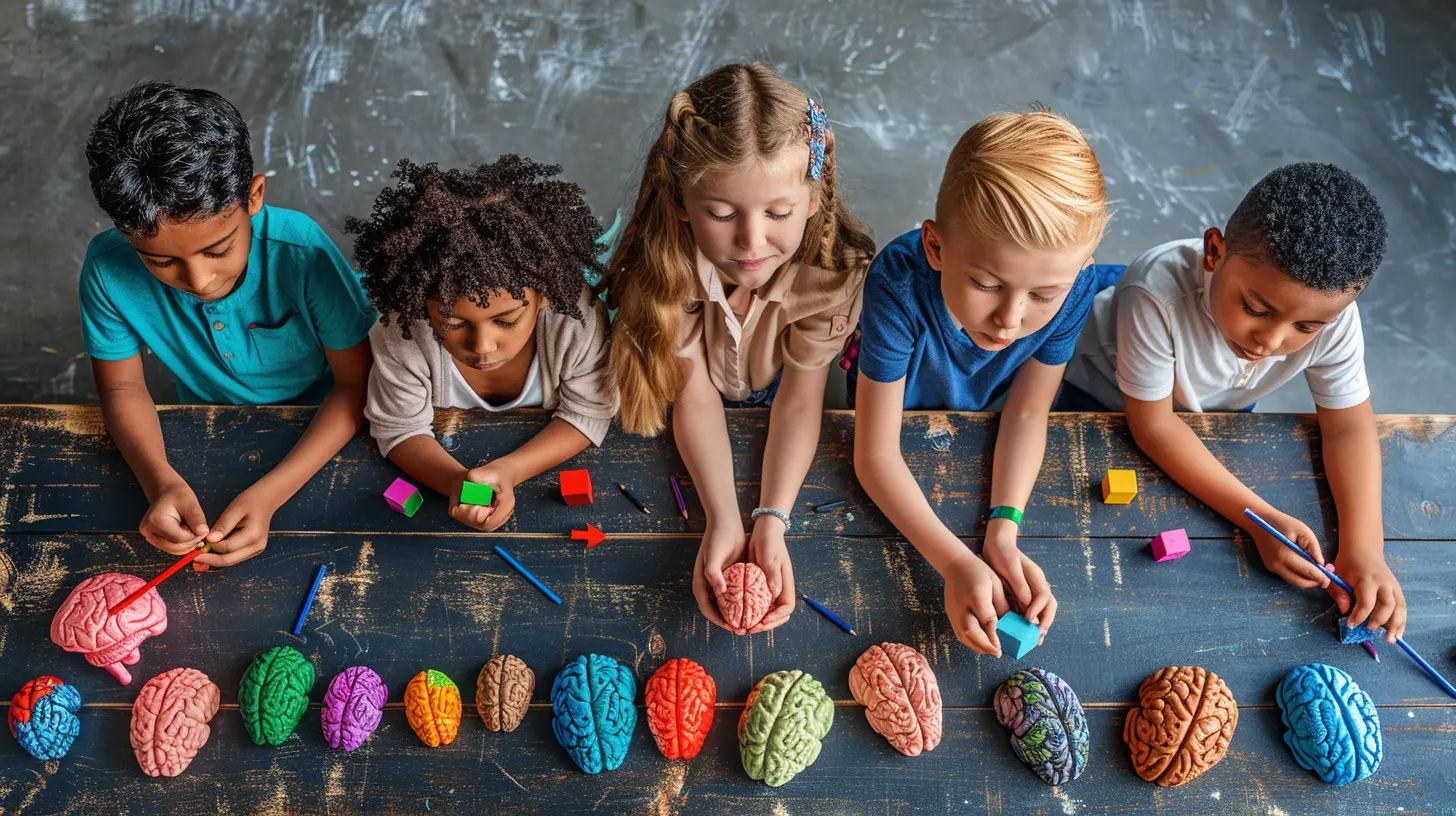
How Research Shapes Classroom Strategies
Teachers are the frontline warriors in special education, and research gives them the tools to be more effective. Here’s how research-based strategies are changing the game in classrooms:1. Differentiated Instruction: Tailoring Teaching to Individual Needs
Research confirms that students with special needs learn best when instruction is adapted to their abilities. Differentiated instruction involves:- Providing multiple ways to present information (visual, auditory, hands-on)
- Allowing flexible assessments (oral exams, project-based learning)
- Offering personalized support, like extended time or quiet testing environments
Rather than forcing every student to learn the same way, differentiated instruction meets them where they are—ensuring no child is left behind.
2. Assistive Technology: Breaking Barriers
Technology isn’t just a convenience; for many students with special needs, it’s a game-changer. Research supports the use of assistive technology to enhance learning outcomes. Examples include:- Speech-to-text software for students with dysgraphia
- Audiobooks for students with dyslexia
- Augmentative and alternative communication (AAC) devices for non-verbal students
These tools empower students to communicate, learn, and engage in ways they couldn't before.
3. Positive Behavior Support: Reinforcing Good Habits
Challenging behaviors are common in special education. Instead of punishment, research advocates for Positive Behavior Interventions and Supports (PBIS)—a framework that focuses on reinforcing positive behaviors rather than just correcting negative ones.Studies show that when students are praised for good behavior and given clear expectations, disruptive incidents decrease significantly. Simple strategies like visual schedules, structured routines, and reward systems can make a huge difference.
4. Early Intervention: The Sooner, The Better
Research consistently shows that early intervention leads to better long-term outcomes. The sooner a child receives targeted support, the more progress they make.For instance, early speech therapy can help children with language delays develop strong communication skills before starting school. Likewise, early occupational therapy can improve motor skills, making daily tasks easier.
Delaying intervention often leads to frustration, lower self-esteem, and wider learning gaps. That’s why early screening and proactive support are critical. 
The Role of Parents: Becoming Research-Informed Advocates
Parents are their child’s first teachers, and research helps them become better advocates. But let’s be real—most parents don’t have the time to sift through academic journals.So, how can parents use research without feeling overwhelmed?
- Stay informed: Follow reputable organizations like the National Center for Learning Disabilities (NCLD) and Understood.org.
- Ask for evidence-based strategies: When meeting with teachers and therapists, don’t just accept any suggestion. Ask, “Is this approach backed by research?”
- Use data at home: Keep track of what works for your child and share insights with educators. Sometimes, the best research comes from real-life experiences.
Parents who understand research can push for science-backed interventions instead of outdated methods that may do more harm than good.
Challenges in Implementing Research-Based Approaches
If research provides a roadmap for success, why isn’t every school fully embracing it? The reality is, there are hurdles:- Lack of training: Many teachers don’t receive enough training in evidence-based special education strategies.
- Limited funding: Research-backed programs and technology can be expensive, and schools often struggle with budget constraints.
- Resistance to change: Some educators and administrators stick to old methods simply because "that's how it's always been done."
Overcoming these challenges requires systemic change—better teacher training programs, increased funding for special education, and a willingness to innovate.
Final Thoughts: Using Research to Empower Special Needs Education
At the end of the day, research isn’t just about numbers and data. It’s about real kids facing real challenges—and finding the best ways to help them succeed.Whether you’re a teacher, parent, therapist, or school administrator, relying on research-backed strategies can mean the difference between struggle and success for a child with special needs.
So, let’s ditch the guesswork. Let’s demand methods that are rooted in science, not just tradition. When we put research into action, we give every child the opportunity to reach their full potential—and that’s a goal worth fighting for.
all images in this post were generated using AI tools
Category:
Educational ResearchAuthor:

Madeleine Newton
Discussion
rate this article
2 comments
Inez McAndrews
This article beautifully highlights the importance of research in empowering educators to better support and uplift students with special needs.
March 14, 2026 at 11:23 AM
Madeleine Newton
Thank you! I'm glad you found the article resonates with the vital role of research in enhancing support for students with special needs.
Phaedra Wilson
Excited to explore innovative strategies for inclusion!
March 13, 2026 at 5:14 AM
Madeleine Newton
Thank you! I'm glad to hear your enthusiasm for innovative inclusion strategies. Let's work together to create supportive environments for all students!