Using Nature-Inspired Activities for Environmental Education
29 December 2025
Environmental education is more important than ever. With climate change, pollution, and deforestation threatening our planet, teaching the next generation about nature isn't just a noble goal—it's a necessity. But here’s the thing: textbooks and lectures aren’t always enough to spark a real connection with the environment.
That's where nature-inspired activities come in. Instead of just reading about ecosystems, why not explore them? Instead of memorizing the water cycle, why not experience it firsthand? By engaging students with hands-on, immersive activities, we transform environmental education from a chore into an adventure.
Let’s dive into why nature-inspired activities are so powerful and how they can be used to create a lasting love for the environment.

Why Traditional Environmental Education Falls Short
Most traditional education methods rely heavily on books, lectures, and videos. While these have their place, they don't always capture the magic of nature. Imagine trying to explain the importance of biodiversity using slideshows alone. It’s just not the same as walking through a forest and witnessing the rich variety of life firsthand.The main issue? Lack of engagement. Students often see environmental issues as distant problems that don’t affect their daily lives. Without a personal connection to nature, it’s hard to inspire real passion for protecting it.
The Magic of Nature-Inspired Learning
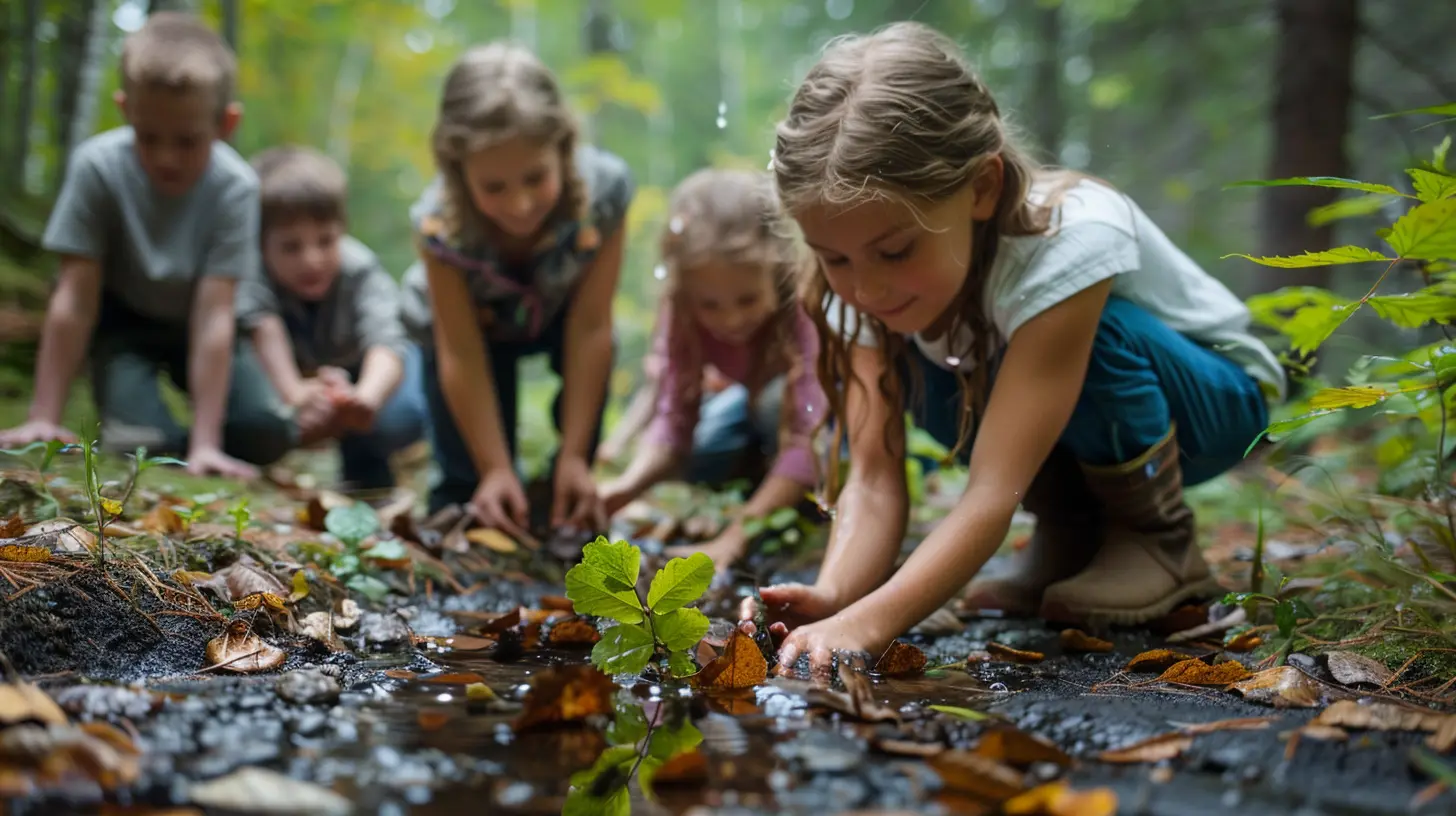
Nature-based learning flips the script by bringing education outside the classroom. When students experience nature directly, they develop a sense of wonder and responsibility toward the environment.Think about it—would you care more about saving a forest if you had spent time exploring it, touching its trees, and listening to its wildlife? Absolutely. This hands-on approach helps students internalize environmental concepts in ways a textbook never could.
The Benefits of Nature-Based Education
1. Improves Retention & UnderstandingPeople remember experiences far better than they remember facts. When students actively participate in outdoor activities, they form stronger mental connections to the material.
2. Boosts Mental & Physical Health
Time in nature isn’t just great for learning—it’s also good for the mind and body. Studies show that spending time outdoors reduces stress, improves mood, and enhances cognitive function.
3. Encourages Critical Thinking & Problem-Solving
Nature is unpredictable, and that’s a good thing! Outdoor activities often require students to think on their feet, adapt to their surroundings, and come up with creative solutions.
4. Fosters a Stronger Connection to the Environment
When students experience the beauty of nature, they’re more likely to feel responsible for protecting it. That emotional connection is the foundation of lifelong environmental stewardship.
Engaging Nature-Inspired Activities for All Ages
So, how do we bring environmental education to life? Here are some practical, engaging activities that help students connect with nature in meaningful ways.1. Nature Scavenger Hunt
Give students a list of natural items to find—leaves, rocks, insects, different bird calls. This simple activity encourages close observation and appreciation of the small details in nature.🔹 Why it Works: It turns learning into a game, making kids more engaged and excited to explore.
2. DIY Mini Ecosystems
Have students collect soil, plants, and small creatures to create their own tiny ecosystems in a jar or terrarium. This hands-on project helps them understand how different organisms interact within an environment.🔹 Why it Works: It makes ecological concepts tangible and personal—students literally hold an ecosystem in their hands!
3. Guided Nature Walks with Journaling
Let students walk through a park or trail while noting down their observations in a journal. They can record changes in weather, plant growth, or even human impact on the environment.🔹 Why it Works: It develops scientific observation skills while helping students see change over time.
4. Planting Native Gardens
Instead of just talking about deforestation and habitat loss, get students to plant native species in school gardens or local parks. Over time, they can monitor the impact on local wildlife.🔹 Why it Works: It turns students into active contributors to their environment rather than just observers.
5. Citizen Science Projects
Encourage students to participate in real scientific research. They can track bird migrations, count pollinators, or monitor air and water quality in their area.🔹 Why it Works: It gives students a sense of purpose—they aren’t just learning; they’re actually helping to collect valuable environmental data!
6. Outdoor Survival Skills & Leave-No-Trace Principles
Teaching basic survival skills while emphasizing sustainable practices can be an exciting way to connect students with nature. They can learn how to build shelters, purify water, and respect ecosystems by minimizing their footprint.🔹 Why it Works: It fosters independence while reinforcing the principles of conservation and respect for the environment.
7. Storytelling & Art Inspired by Nature
Encourage students to create nature-inspired poetry, paintings, or short stories. Have them spend time outside absorbing their surroundings before turning their experiences into art.🔹 Why it Works: Connecting creativity with nature helps deepen emotional bonds with the environment.
Overcoming Barriers to Nature-Based Education
Despite its benefits, many educators hesitate to incorporate outdoor activities due to logistical or safety concerns. Here are a few common challenges and ways to overcome them:1. Limited Access to Green Spaces
🚀 Solution: Even small schoolyards or urban parks offer valuable nature experiences. If outdoor spaces are limited, create indoor activities using plants, aquariums, or virtual field trips.2. Weather Constraints
🚀 Solution: Adapt activities for different seasons. In winter, snow tracking can replace traditional hikes, and in rainy weather, water collection experiments can be done indoors.3. Curriculum & Time Constraints
🚀 Solution: Integrate nature-based activities into existing subjects. For example, a math class can measure tree heights, and a history lesson can explore how indigenous cultures relied on local ecosystems.4. Safety Concerns
🚀 Solution: Establish clear safety guidelines, conduct risk assessments, and ensure adult supervision during outdoor experiences.The Future of Environmental Education
Education should inspire, not just inform. By weaving nature into learning, we can shape future generations who genuinely care about the planet. Environmental challenges won’t be solved by knowledge alone—we need passion, creativity, and a deep-rooted connection to the natural world.At the end of the day, nature isn’t just a subject to be studied—it’s a home to be cherished. And the more we immerse students in that reality, the better chance we have of protecting our planet for generations to come.
Time to Step Outside!
So, whether you're a teacher, parent, or student, why not step outside today? Touch a tree, listen to a bird, or simply take a deep breath of fresh air. The best way to protect the environment starts with appreciating it.all images in this post were generated using AI tools
Category:
Classroom ActivitiesAuthor:

Madeleine Newton
Discussion
rate this article
2 comments
Vincent McNeil
This article beautifully highlights the importance of integrating nature-inspired activities into environmental education. By engaging students with hands-on experiences, we foster a deeper appreciation for the environment. Such approaches not only enhance learning but also encourage stewardship and a lasting connection to the natural world. Great insights!
January 17, 2026 at 3:29 AM
Madeleine Newton
Thank you for your thoughtful comment! I completely agree—hands-on, nature-inspired activities are key to deepening students' connection to the environment.
Mila Morales
Who knew hugging trees could be educational? Mother Nature's curriculum is way more fun than any textbook—plus, the squirrels give great guest lectures!
December 29, 2025 at 5:43 AM
Madeleine Newton
Absolutely! Nature offers a unique and engaging way to learn, making education both enjoyable and memorable. Plus, those "guest lectures" from wildlife are hard to beat!