Understanding Media Ownership and Its Influence on News
8 August 2026
When we turn on the TV, scroll through social media, or read the morning paper, we rarely stop to think: Who owns this news outlet? But the truth is, media ownership plays a massive role in shaping the news we consume. It influences what stories are told, how they're framed, and even which topics get ignored altogether.
In an era where misinformation spreads like wildfire, it's more important than ever to understand who controls the media and how it impacts the information we rely on daily. Let’s take a deep dive into the world of media ownership and its influence on the news. 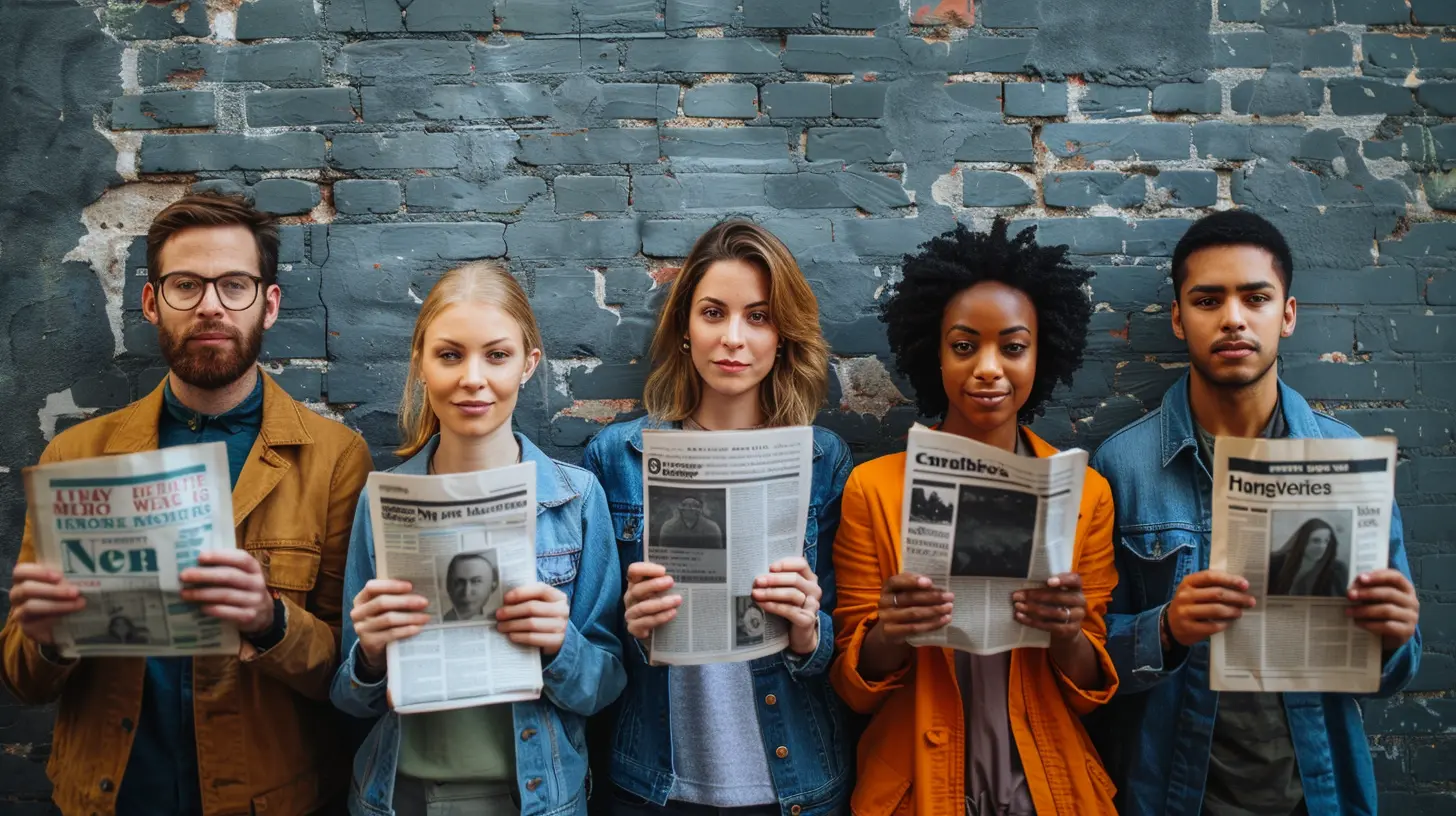
What Is Media Ownership?
Simply put, media ownership refers to the individuals, corporations, or governments that control and operate news organizations. This includes television stations, newspapers, radio channels, social media platforms, and online news sites.Ownership isn’t just about who signs the paychecks. It affects editorial decisions, advertising policies, and even the political slant of a media outlet. When a handful of powerful entities own a major portion of the media, they can control the narrative and, in turn, public opinion.
Think of media as a giant microphone: whoever holds it gets to decide what messages are amplified and which ones are silenced. 
Types of Media Ownership
There isn't just one way media organizations are owned. Different ownership structures lead to different influences on news coverage. Here are some of the most common types:1. Corporate Ownership
Large media conglomerates own multiple news outlets across different platforms. Companies like Disney, Comcast, and News Corp control vast portions of the media industry.With corporate ownership, profit is often the driving force. News organizations may prioritize stories that attract higher ratings and ad revenue rather than ones that serve the public interest. Investigative journalism, which can be costly and controversial, sometimes takes a backseat to more sensational stories.
2. State Ownership
In some countries, the government owns and operates major news organizations. State-run media can either serve as a tool for public education or as propaganda machines that promote government policies while suppressing dissenting voices.For example, countries like China and Russia have significant control over their national media, shaping news to align with government narratives. This can lead to biased reporting, censorship, and limited access to diverse viewpoints.
3. Independent Media
Independent media outlets are free from corporate or government control, allowing them to report without external influence. While they strive for unbiased journalism, financial sustainability is often a challenge.These outlets rely on subscriptions, donations, or crowdfunding to operate. Because they’re not pressured by shareholders or government directives, they often produce investigative reports and cover underrepresented stories.
4. Cross-Media Ownership
This occurs when a single company owns multiple types of media, such as newspapers, radio stations, and TV networks. This consolidation can lead to less diverse viewpoints, as the same narratives are repeated across different platforms.For instance, a corporation that owns both a TV channel and a newspaper might push the same agenda in both, limiting the variety of perspectives available to the public. 
How Media Ownership Affects Journalism
We like to think of journalism as an independent force that holds power accountable. But when a small number of powerful entities control the majority of media outlets, journalistic integrity can be compromised.1. Editorial Influence
Owners, whether corporations or governments, can subtly shape news coverage by deciding which stories get published and how they’re presented. This influence can dictate everything from political leanings to which industries receive criticism.For example, a news outlet owned by a major oil company may downplay reports about climate change or avoid stories that highlight environmental issues.
2. Sensationalism Over Substance
When profit is the priority, media organizations may focus on stories that generate more clicks and views rather than stories that educate and inform. Celebrity gossip, scandal, and fear-driven news often take center stage, while investigative reporting and hard-hitting journalism receive less attention.3. Lack of Diverse Perspectives
If a small number of companies control most media outlets, we end up with fewer voices in the conversation. Instead of a healthy mix of opinions and ideas, we get repetitive narratives that serve the interests of those in power.This can prevent the public from accessing important information and make it easier for misinformation or biased reporting to spread.
4. The Death of Local Journalism
Media consolidation often leads to the decline of local journalism. When large corporations buy out smaller, independent newspapers, local newsrooms shrink or shut down entirely. This means fewer reporters covering community issues, government decisions, and local corruption.Without strong local journalism, communities lose a crucial watchdog that holds local authorities accountable. 
The Role of Big Tech in Media Control
Traditional media ownership isn't the only thing shaping the news. In today's digital world, tech giants like Google, Facebook, and Twitter play a significant role in controlling what information people see.Algorithmic Influence
Social media platforms use algorithms to determine which news stories appear in users' feeds. These algorithms prioritize engagement—meaning stories that provoke strong reactions (like anger or fear) are more likely to be promoted.This can create so-called "echo chambers," where users are only exposed to viewpoints that reinforce their existing beliefs, limiting constructive discourse and spreading misinformation.
Censorship and Content Moderation
Tech companies also have the power to remove or downrank content they deem inappropriate or misleading. While this can help combat fake news, it also raises concerns about censorship and who gets to decide what is considered "true" or "false."For example, during elections or political crises, platforms have been criticized for either allowing too much misleading information or restricting legitimate journalism.
Why Media Diversity Matters
A diverse and independent media landscape is essential for a well-functioning democracy. When multiple voices and perspectives are represented, people can make informed decisions and hold those in power accountable.How Can We Support Independent Journalism?
- Subscribe to independent outlets: Financially supporting reputable, independent news organizations helps them continue their work.- Be critical of news sources: Always question who owns a media outlet and how that could influence its reporting.
- Diversify your news consumption: Read from multiple sources to get a well-rounded perspective on important issues.
- Support local journalism: Engage with and support local newspapers, radio stations, and investigative journalists.
By being mindful of media ownership and its influence, we can become more informed consumers of news and help protect the integrity of journalism.
Final Thoughts
The media is a powerful force that shapes public opinion, political discourse, and even our personal beliefs. But with that power comes great responsibility—and unfortunately, not all media owners prioritize truth over profits or political agendas.Understanding who owns the media we consume allows us to be more critical, more discerning, and ultimately, more informed citizens. After all, in a world where information is power, knowledge truly is the best defense.
all images in this post were generated using AI tools
Category:
Media LiteracyAuthor:

Madeleine Newton