Understanding Deepfakes: A Media Literacy Perspective
21 July 2026
The internet is wild, isn’t it? One moment you’re scrolling through adorable cat videos, the next you stumble upon a viral clip of a celebrity saying something shocking—only later to find out it wasn’t real. That, my friend, is the tricky world of deepfakes. They’re everywhere these days, mixing truth with fiction so convincingly that it’s tough to know what to believe anymore.
So, what are these digital illusions really about? And more importantly, how do we not get fooled by them? Let's break it all down from a media literacy perspective—no technical jargon, no fluff, just the real talk on deepfakes.
What Exactly Are Deepfakes?
Imagine having a digital puppet that looks exactly like a real person. You can make it talk, blink, smile—even sing karaoke if you want. That’s basically what a deepfake is. It’s a video, audio, or image manipulated by artificial intelligence (AI) to make someone appear to do or say something they never actually did.These aren’t your grandma’s Photoshop edits. Deepfakes use deep learning (hence the name) and neural networks to mimic facial expressions and voice patterns in insanely accurate ways. If you’ve seen Barack Obama giving a weird speech online or Jennifer Lawrence’s face on someone else’s body—it’s likely a deepfake.
The Rise of Deepfakes: How Did We Get Here?
Tech has taken some serious leaps over the past decade. AI has gone from beating humans at chess to creating entire fake humans online. Tools that once required a tech genius to use are now available as easy-to-download apps. That means anyone with a computer, a bit of know-how, and enough time can whip up a deepfake good enough to fool even the sharpest eyes.Originally, deepfake tech had legit purposes. Filmmakers used it to de-age actors or bring long-gone legends back on screen. But like every good invention, someone figured out how to misuse it. Today, deepfakes are being used in everything from fake news to scams to celebrity hoaxes—and yes, even in revenge porn. Yikes.
Why Deepfakes Matter: The Danger Behind the Trickery
You might be thinking, “So what if someone makes a fake video? Can’t people just ignore it?” Well, not quite. Deepfakes pose some real risks:- Misinformation Gone Wild: Imagine a fake video of a world leader declaring war. That could spark panic or, worse, real conflict.
- Scams and Fraud: People have used deepfake audio to mimic CEOs and trick employees into transferring huge amounts of money. Seriously.
- Erosion of Trust: If we can’t trust what we see or hear, what does that mean for truth? It’s like living in a digital funhouse where nothing looks quite right.
- Targeted Harassment: Some use deepfakes to humiliate or blackmail others, especially women, by placing their faces on inappropriate content.
In short, deepfakes are more than just creepy tech tricks—they’re potential threats to truth, democracy, safety, and personal dignity.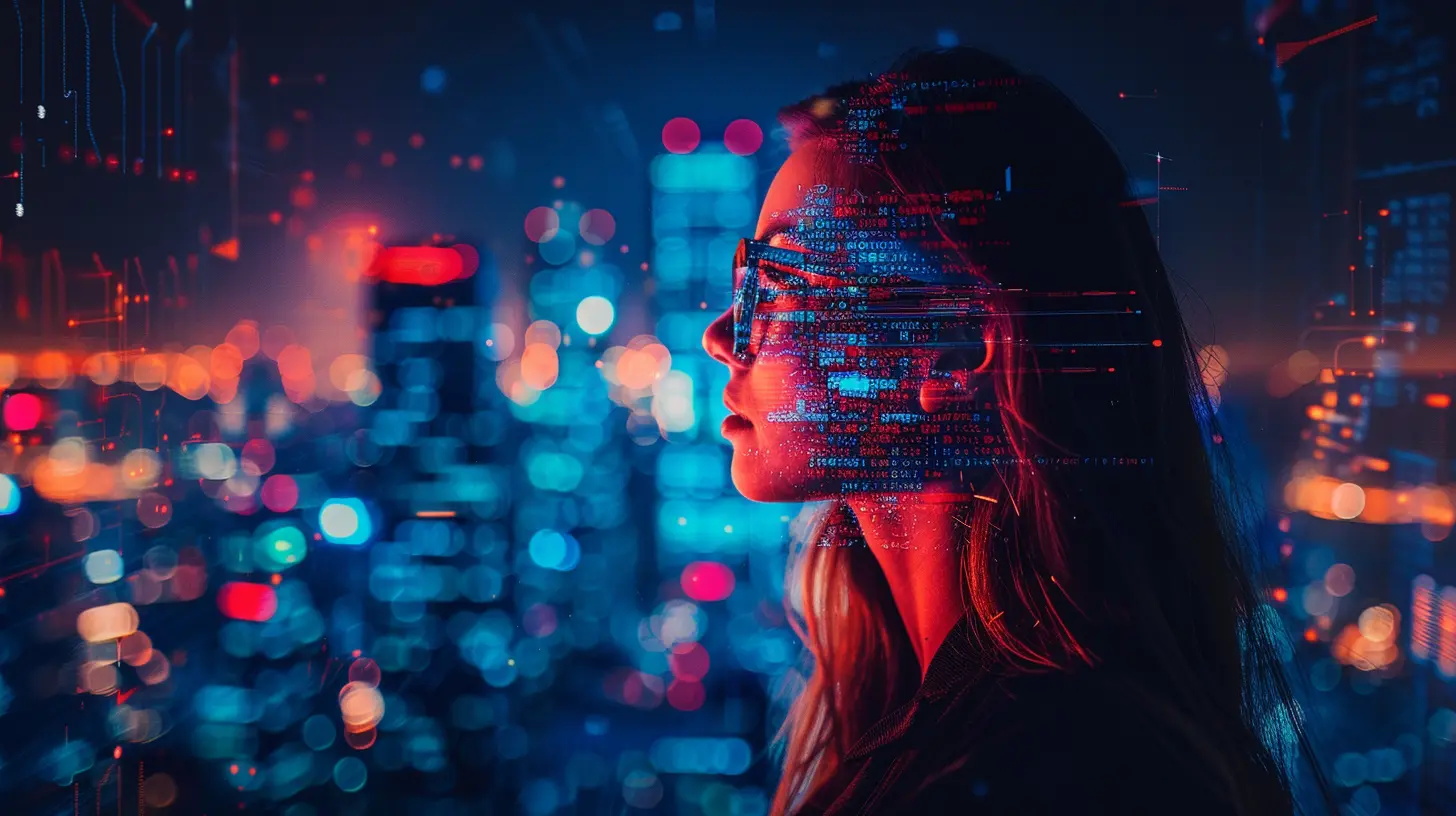
Spotting a Deepfake: Red Flags to Watch For
Okay, now let’s talk defense. Think of deepfake detection like being able to spot a fake designer bag or a knockoff phone. It takes a little training, but you’ll get the hang of it. Here are a few signs to look out for:1. Awkward Facial Movements
Deepfakes can have trouble syncing lips with speech or mimicking natural blinking. If someone talks but their mouth seems a little “off,” be skeptical.2. Strange Lighting and Shadows
Lighting that doesn’t match the background or shadows that fall in weird places? That’s a big clue the video’s been tampered with.3. Unnatural Voice or Timing
Deepfake audio may sound robotic or slightly out of sync. It’s like the voice and lips are just not on the same page.4. Too Good—or Too Weird—to Be True
If a video just feels... off, trust your gut. If a celebrity suddenly confesses to a big secret or a politician makes an outrageous statement, verify it from multiple sources.Media Literacy: Your Best Weapon Against Deepfakes
If deepfakes are the villain, media literacy is the superhero we all need. It's about having the critical thinking skills to navigate our media-saturated world without being tricked every five minutes.Here’s how you can beef up your media literacy skills:
1. Always Check the Source
Don’t take videos at face value—pun intended. Ask yourself: Who posted it? Is it from a credible outlet? If it’s from a random account with no bio and two followers, maybe don’t share it.2. Cross-Verify News
Before believing or passing on something shocking, look it up. See if other, reputable sources are reporting it too. If not, it’s probably fake—or at least fishy.3. Use Deepfake Detection Tools
Yes, tech can also help us fight back. There are tools and browser extensions designed to detect manipulated content (such as Deepware Scanner, Sensity, and Microsoft’s Video Authenticator).4. Talk About It with Others
Educate your friends and family. A quick conversation can stop misinformation from spreading. Think of it like digital community immunity.The Ethics of Deepfakes: Can Some Uses Be Okay?
Not all deepfakes are evil. Like we mentioned earlier, they’ve got some cool uses too.- Movies and Entertainment: Deepfake tech helped in movies like “The Irishman” or to “resurrect” actors for cameos.
- Education and Accessibility: Some teachers use AI avatars to explain complex topics, and deepfake-like tech can assist people who’ve lost their voice.
- Satire and Parody: As long as it’s clearly labeled and not misleading, some use deepfakes for laughs.
The line between creative and deceptive gets blurry, though, and that’s where transparency is a big deal. If you're using deepfakes for fun or education, just be upfront about it.
Deepfakes and the Future: Should We Be Worried?
Honestly? A little. The cat’s out of the bag, and deepfakes aren’t going anywhere. If anything, they’re getting better—and sneakier. As technology improves, spotting the fakes could get almost impossible for the average person.But that doesn’t mean we’re helpless. Governments and tech companies are starting to take it seriously. New laws are being proposed to regulate deepfake creation and distribution. Social media platforms are investing in detection tools. So there’s hope.
Still, the best defense is a well-informed, media-savvy public. Which is where you and I come in.
How Can Educators and Parents Help?
Whether you're a teacher, a parent, or someone just trying to make sense of this tech-driven chaos, education is the key.For Teachers:
- Include media literacy in the curriculum.- Encourage students to question sources and verify facts.
- Use real-life examples to show how easily media can be manipulated.
For Parents:
- Talk to your kids about what they watch and share online.- Teach them to critically evaluate content—even if it seems real.
- Keep an open line of communication about digital trends.
Let’s not just teach kids how to use the internet—let’s teach them how to understand it.
Final Thoughts: Stay Skeptical, Stay Smart
Here’s the deal: Deepfakes are both fascinating and frightening. They show what human creativity—and technology—can do, but they also expose how easily reality can be bent. The best way to protect ourselves? Stay informed, sharpen our media literacy skills, and always think twice before believing what we see.So next time you see a viral video online, pause for a second. Ask questions. Check facts. And most importantly, don’t be too quick to hit that “share” button.
Because in an age where seeing is no longer believing, thinking critically is more important than ever.
all images in this post were generated using AI tools
Category:
Media LiteracyAuthor:

Madeleine Newton
Discussion
rate this article
1 comments
Dax Montgomery
Deepfakes: when your best friend isn't real!
July 21, 2026 at 4:58 AM