Understanding Algorithms: How They Shape Our Media Consumption
30 June 2026
In an age when your phone seems to know you better than your best friend, one question keeps popping up—how do Netflix, YouTube, TikTok, and even Google know exactly what to show you? The answer? Algorithms. They're the invisible curators of your digital world, constantly at work behind the scenes, fine-tuning your media diet like a robot DJ spinning your favorite tracks.
But here's the deal—most of us scroll, click, watch, and share without having the faintest idea of what an algorithm really is or how it works. So, let’s peel back the layers and talk about how these code-based decision-makers are shaping not just what we see online but how we think, feel, and interact with the world around us.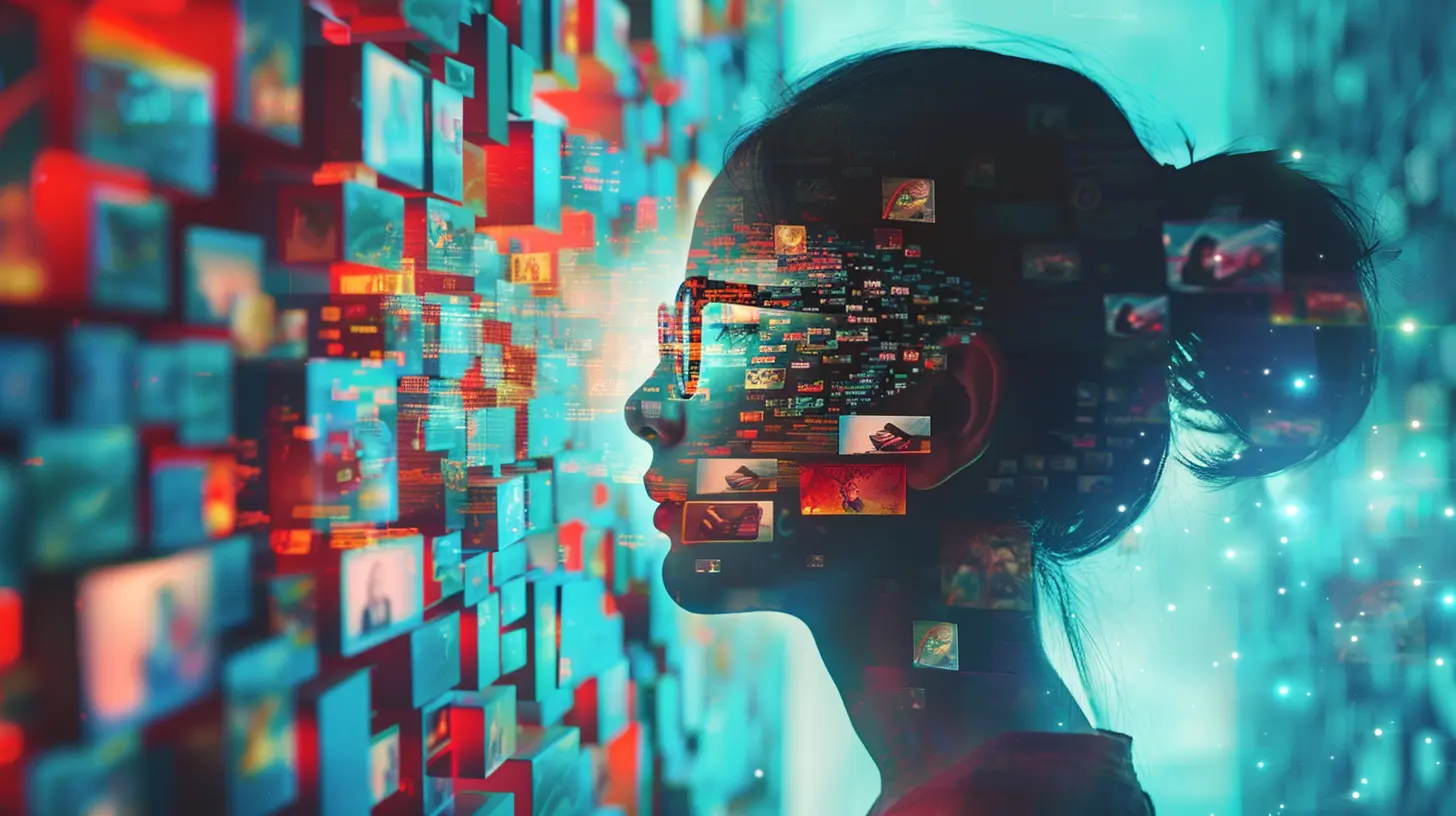
What Exactly Is an Algorithm?
Let’s keep it simple. An algorithm is just a set of instructions a computer follows to solve a problem or perform a task.Think of it like a recipe. Just like you’d follow a step-by-step guide to make pancakes, an algorithm follows steps to figure out what content to show you next. But instead of asking you for eggs and flour, it looks at your clicks, likes, watch history, and even pauses (yes, they track that too!).
Pretty wild, huh?
How Algorithms Got Into Our Media
Back in the day, we got our news and entertainment from newspapers, radios, and TVs. Editors and producers decided what we saw—no algorithm in sight. But as digital platforms took over, they simply couldn’t rely on humans alone to sort through the endless ocean of content. That’s where algorithms came to the rescue.Now, algorithms pick and choose what’s "worth" showing to each individual. They make millions of micro-decisions every second. No pressure, right?
Behind The Curtain: How Media Algorithms Work
Let’s say you open TikTok. The algorithm takes note of everything: how long you linger on a video, whether you swipe up fast, if you like or comment, if you share something, and even the time of day you’re most active.This data gets crunched by super-smart machine learning models to predict what will keep you engaged the longest. That’s the key—engagement. It’s not about what’s true or important, it’s about what holds your attention.
The same logic applies to platforms like:
- YouTube: Recommends videos based on your watch history, likes, subscriptions, and even what similar users liked.
- Netflix: Suggests shows and movies using your viewing habits, what you’ve skipped, what you’ve finished, and of course, those five-star ratings (or thumbs up/down).
- Facebook & Instagram: Prioritize posts from friends you interact with or content types (photos, Reels) you engage with most.
Pretty much every click you make becomes a clue in the puzzle of "What should we show you next?"
Algorithms Are Addictive—And That’s By Design
Let’s not kid ourselves—these platforms want you to stick around. The more time you spend watching or scrolling, the more ads you see. More ads = more money.So, the algorithm optimizes for one thing above all: attention.
Content that triggers strong emotions—happiness, outrage, curiosity—gets boosted. That’s why your feed might feel like an emotional rollercoaster. Ever notice how you can accidentally fall down a rabbit hole of cat videos or conspiracy theories? That’s no accident. The algorithm is feeding you what it thinks will keep you scrolling.
The Echo Chamber Effect: Seeing More of the Same
Here’s where things get tricky.Because algorithms tailor content to your past behavior, they tend to show you more of what you already agree with or like. This creates what’s known as an “echo chamber”—a space where your beliefs get amplified and opposing views are filtered out.
Imagine living in a room full of mirrors. Everywhere you turn, you see a reflection of yourself. Feels cozy, but you’re missing out on other perspectives.
This can lead to misinformation, polarization, and a deeply skewed view of reality. It’s like getting the news from your best friend who always agrees with you—comforting but not always helpful.
Filter Bubbles: When Personalization Goes Too Far
Coined by internet activist Eli Pariser, the term “filter bubble” describes the personalized digital environment created by algorithms. Basically, they bubble-wrap you in content tailored to your interests, habits, and beliefs.On one hand, it’s convenient. Who doesn’t want relevant content?
On the other hand, it’s a little creepy—and a little dangerous. Because it means you're not seeing everything, just what the algorithm thinks you'll "like."
Kind of like a butler who won't tell you your house is on fire because he knows you hate bad news.
Good or Bad? It’s Complicated
Now, before we start burning our phones and going off-grid, it’s important to admit—algorithms aren’t necessarily evil. They help us find new music, stay in touch with old friends, binge-watch guilty-pleasure shows, and discover content we’d otherwise miss.But like any powerful tool, it depends on how they’re used—and who’s using them.
The issue isn’t the existence of algorithms. It’s the lack of transparency, accountability, and diversity in how they’re designed and implemented.
We’re playing a game where only one side knows the rules.
Are We Controlled by Algorithms?
Short answer? Not completely. But they do nudge us—a lot.They shape our tastes, influence our opinions, and sometimes push us toward content we didn’t even know we wanted. The more you let the algorithm decide, the more you surrender your autonomy.
But here’s the good news: You can fight back.
How You Can Outsmart the Algorithm
You’re not totally powerless. There are ways to take back control over what you see online:1. Mix Up Your Sources
Don’t rely on just one platform for your news or entertainment. Cross-check information. Watch content from creators outside your usual bubble.2. Engage Intentionally
Instead of passive scrolling, interact thoughtfully. Like and save things that reflect your interests, not just what’s trending.3. Clean Up Your Feed
Unfollow, mute, or block accounts that don’t serve you. The algorithm will take the hint.4. Turn Off Autoplay
Autoplay is a sneaky way to keep you hooked. Disabling it buys back your attention span.5. Use Incognito or Log Out
Searching or browsing in private mode gives you a less personalized, more neutral experience.The Future of Algorithms in Media
As tech evolves, so will algorithms. AI is already taking them into new territory with generative content, deep learning, and even predictive storytelling. Platforms may soon be able to create content just for you—literally “made to order” videos or news.But with great power comes… you know the rest.
If we don’t start demanding more ethical, transparent algorithms, we risk losing more than our attention spans. We could lose our ability to make informed, independent choices.
Wrapping It Up: Stay Curious, Stay Conscious
Algorithms aren’t going anywhere. In fact, they’re only getting smarter. But that doesn’t mean you have to be a passive player in their game.Understanding how algorithms work is the first step in making smarter media choices. Don’t just accept what’s served—question it, poke it, dig a little deeper. Like any good relationship, your connection with technology should be based on awareness, not blind trust.
So next time you scroll through your feed, ask yourself—who’s really choosing what I see, and do I actually want it?
Your media diet is just like your food diet. Junk in, junk out. But with a little intentionality, you can make it balanced, nourishing, and maybe even life-changing.
all images in this post were generated using AI tools
Category:
Media LiteracyAuthor:

Madeleine Newton
Discussion
rate this article
1 comments
Julianne Cooper
This article really sheds light on the hidden influence of algorithms in our daily lives. It's eye-opening to see how they shape what we watch and engage with. Thanks for breaking it down in such an accessible way!
July 14, 2026 at 10:41 AM