The Role of School Counselors in Mental Health Awareness
10 February 2026
Hey there! Let’s be real—school can be tough. With academic pressures, social dynamics, and everything else going on in a young person’s world, it’s no surprise that mental health has become such a hot topic in education. But here’s the good news: there’s an unsung hero right in the heart of every school, working tirelessly to be a lifeline for students—yep, we’re talking about school counselors.
You might think of a school counselor as just someone you check in with about class schedules or college applications. But oh, they are so much more than that. School counselors are the first line of defense when it comes to identifying, supporting, and nurturing students' mental health. Let's dig into why their role is so incredibly vital in fostering mental health awareness—and how they are changing the game for students everywhere.
Why Mental Health Awareness in Schools Really Matters
Mental health isn’t a “grown-up” issue anymore—it affects students starting from early childhood all the way through high school and beyond. According to recent studies, nearly 1 in 5 youth experience a mental health challenge every year. That’s massive.And here’s the tricky part—young folks often don’t have the vocabulary or tools to express what they’re going through. They might act out, shut down, or completely withdraw. That’s where awareness comes in.
Raising mental health awareness in schools means creating an environment where it's okay to not be okay. It gives students the space to talk, the courage to reach out, and the knowledge that help is just a conversation away.
Enter: The School Counselor – A True Mental Health Champion
Think of school counselors as the emotional first responders in the school community. While teachers focus on academics and administrators handle the logistics, counselors are tuned in to students’ emotional well-being.They’re not just there to hand out brochures on college prep—they’re trained professionals in counseling, child development, and mental health strategies. They act as guides, advocates, and sometimes even lifelines.
Seriously, they wear a ton of hats: therapist, motivator, mediator, listener, and occasionally, magician (Have you seen the way they calm a room full of stressed-out teens?).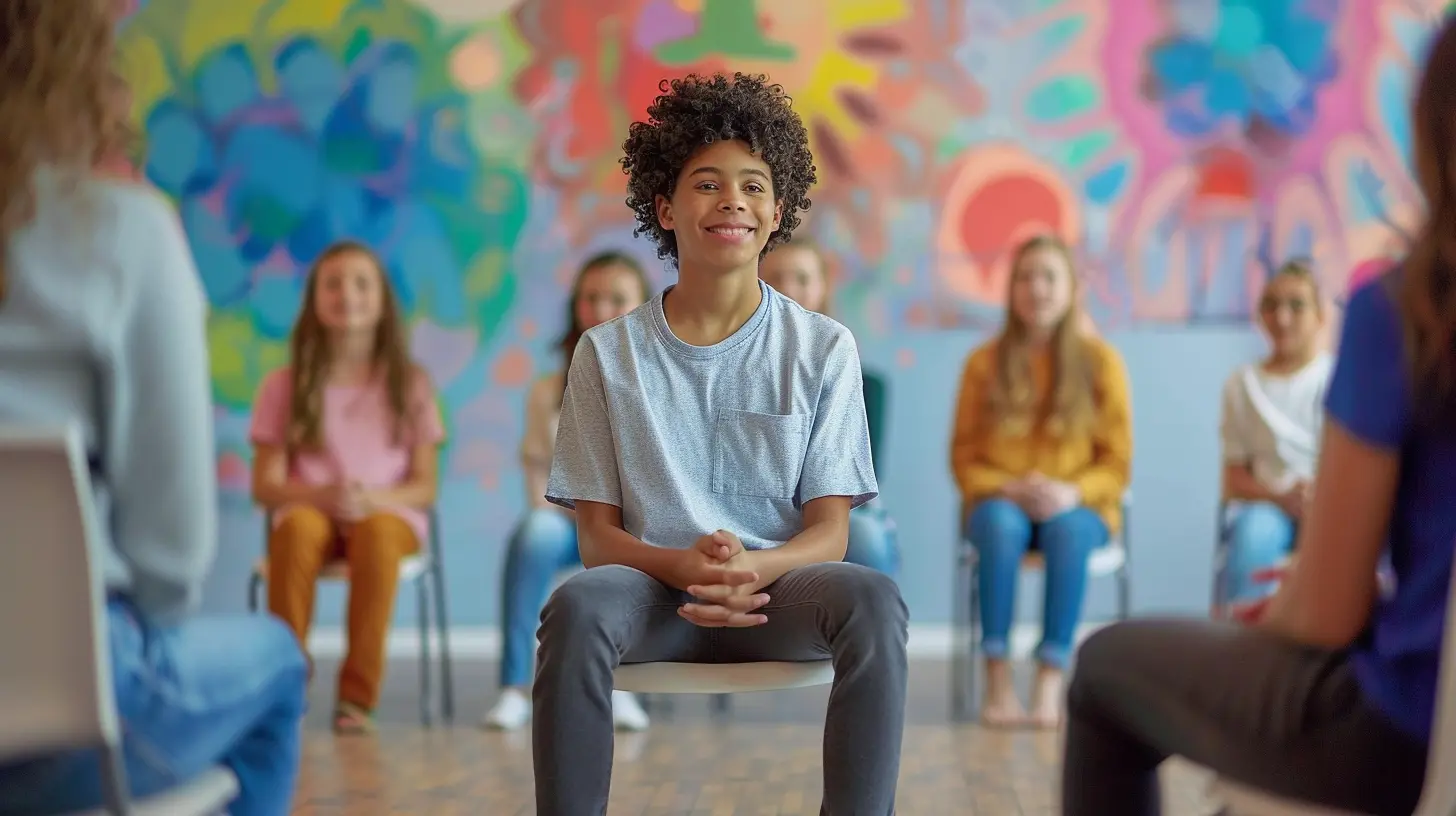
What Exactly Do School Counselors Do for Mental Health?
Let’s break it down. Here’s how school counselors actively support mental health awareness:1. Early Identification and Intervention
Counselors are often the first adults in a school to pick up on behavioral changes. A quiet student suddenly becomes disruptive? A straight-A student starts failing out of nowhere? These are red flags, and counselors are trained to notice and act on them.They connect the dots early and ensure that students who are at risk are not overlooked.
2. One-on-One Counseling
Sometimes, all a student needs is a safe space and someone who will listen without judgment. School counselors provide that. Through individual sessions, they help students work through anxiety, depression, grief, bullying, or family issues.And no, not all sessions are heavy. Sometimes it’s just a vent session or an open-hearted conversation—and those moments can be life-changing.
3. Group Sessions and Peer Support Programs
Ever heard of strength in numbers? Counselors often run small group sessions that help students realize they’re not alone. Whether it’s coping with stress or adjusting to changes at home, group discussions build a sense of community.Peer mentoring programs? Also a win. Counselors train students to support each other—because sometimes, hearing “I get it” from someone your own age is powerful.
4. Crisis Management
School emergencies are, unfortunately, a reality. Whether it’s a traumatic event, a student in crisis, or a tragic loss, counselors step in immediately. They provide emotional first aid and serve as a calm, stabilizing presence.They’re the unsung heroes during school-wide emergencies, helping both students and staff navigate through incredibly tough times.
5. Promoting Mental Health Awareness Through Education
Counselors don’t just put out fires—they plant seeds. They facilitate workshops, create awareness campaigns, and organize events like Mental Health Week. In doing so, they normalize the act of talking about emotions and seeking help.You might find them putting up posters that read "It’s okay to ask for help" or organizing mindfulness circles during lunch. Small things with a big impact.
The Power of Prevention Over Cure
Here’s a thought—what if we stopped waiting for kids to fall apart before we took their mental health seriously?That’s where school counselors truly shine. Through preventative programs, they help students build resilience and emotional intelligence way before problems spiral out of control.
They teach coping mechanisms, emotional regulation, and problem-solving through everyday lessons, not just in emergencies. It’s like they’re handing out mental health toolkits—one session at a time.
Building Trust – The Heart of the Counselor-Student Relationship
Let’s face it: teenagers aren’t always the most forthcoming people. But counselors often build deep, trust-based connections with students that go beyond surface-level chats.They create a safe, non-judgmental zone during some of the most emotionally volatile years of a person’s life. And when students feel seen, heard, and validated—that’s when real emotional healing begins.
It’s not about fixing kids. It’s about empowering them to navigate difficult feelings and come out stronger.
Working Hand-in-Hand with Teachers and Parents
It takes a village, right? Counselors aren’t lone rangers. They collaborate closely with teachers, administrators, and parents to ensure everyone is on the same page.They provide teachers with strategies to handle classroom behaviors linked to anxiety or trauma. They hold meetings with parents to discuss their child’s emotional development. They even connect families with outside mental health resources when deeper intervention is needed.
In essence, counselors act as the bridge between the student’s internal world and the external support system.
Removing the Stigma Around Mental Health
One of the biggest challenges around mental health? The stigma.Too many students still feel ashamed or weak for asking for help. That’s why counselors work so hard to normalize mental health conversations. They teach that mental health is just as important as physical health.
A student wouldn’t feel embarrassed to go to the nurse for a headache, right? Well, needing to talk to a counselor about anxiety should be just as normal.
Counselors lead this mindset shift by example and through consistent advocacy.
Facing the Challenges – And Still Showing Up
Now, let’s be real—it’s not all smooth sailing. The average school counselor manages hundreds of students, often with limited resources and time. It can be overwhelming, heart-wrenching, and exhausting.But here’s what’s amazing—they still show up, every single day, driven by one mission: helping students feel supported, understood, and capable.
And that kind of quiet, relentless dedication? That's nothing short of heroic.
What Can We All Do to Support School Counselors?
If reading this has you thinking, “Okay wow, school counselors are doing a lot!”—you’re absolutely right. So how can we, as a community, better support them?- Encourage schools to invest more in counseling resources.
- Advocate for lower student-to-counselor ratios.
- Show appreciation—sometimes a simple thank-you note goes a long way.
- Educate others about the counselor’s role beyond academics.
- Support policies that prioritize mental health in education.
Remember, when we support counselors, we’re really supporting students.
Final Thoughts: Mental Health Awareness Starts in the Hallways
Mental health awareness isn’t about dramatic gestures—it’s about consistent, compassionate action. And school counselors are leading that movement right from our school hallways.They’re not just changing lives. They’re saving them.
Next time you walk past your school counselor or hear about one, take a moment to appreciate the silent strength they carry. Because in a world where students are facing pressure from all sides, counselors are the calm in the storm—the steady hand that says, “You’re not alone.”
And that, my friend, is one heck of a legacy to leave behind.
all images in this post were generated using AI tools
Category:
Mental Health In SchoolsAuthor:

Madeleine Newton
Discussion
rate this article
2 comments
Indie McIntire
Great article! School counselors are like superheroes for our mental health. Their support and guidance can truly make a difference in students' lives. Let's celebrate their vital role!
February 20, 2026 at 5:38 AM
Madeleine Newton
Thank you for your kind words! I couldn’t agree more—school counselors play a crucial role in supporting students' mental health. Let’s continue to recognize and celebrate their invaluable contributions!
Heath Young
School counselors play a crucial role in promoting mental health awareness within educational settings. By offering support, resources, and guidance, they help students navigate emotional challenges, reduce stigma, and foster resilience. Their proactive approach not only enhances individual well-being but also contributes to a healthier school environment overall.
February 10, 2026 at 4:31 AM
Madeleine Newton
Thank you for highlighting the vital contributions of school counselors in promoting mental health awareness. Their support is indeed essential for fostering resilience and creating healthier school environments.