The Role of Peer Feedback in Language Learning and Fluency Development
17 May 2026
Let me ask you something: Have you ever learned a new language and wished someone could just tell you what you're doing wrong—minus the pressure of a teacher watching your every move? If so, welcome to the world of peer feedback. It’s that secret sauce seasoned language learners often rely on to sharpen their skills, grow their confidence, and make their journey a whole lot smoother.
In this article, we’re diving deep into the role of peer feedback in language learning and fluency development. Whether you're a student, teacher, or just a curious language enthusiast, understanding how peer feedback works can totally shift your approach to language acquisition.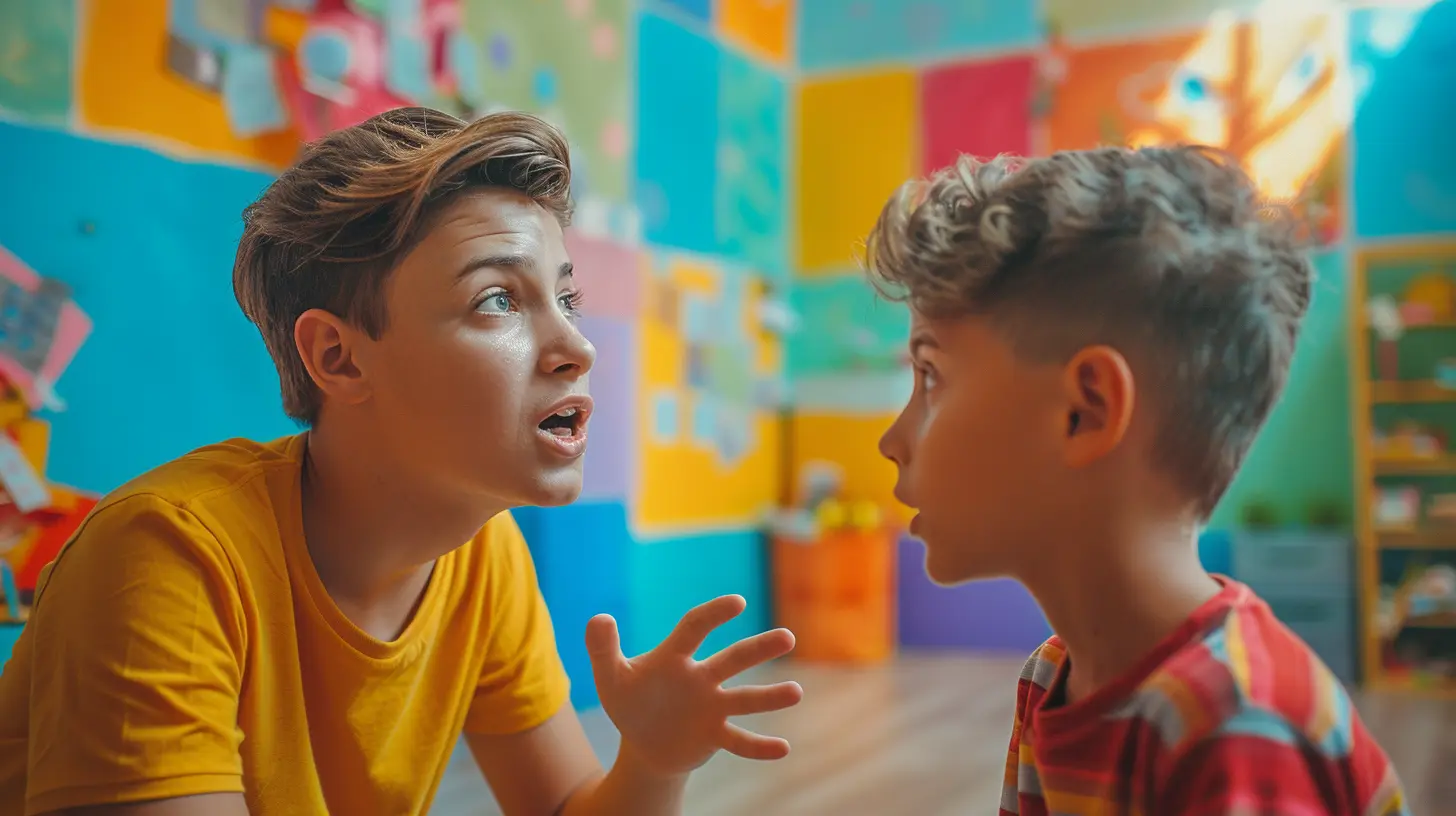
What Is Peer Feedback, Really?
Before we go any further, let’s break this down. Peer feedback is when learners give each other responses, suggestions, or comments about their work—spoken or written. It’s like having a study buddy who gently nudges you in the right direction when your grammar goes rogue or your pronunciation wanders off the map.But peer feedback isn’t just about catching mistakes. It's about learning together, swapping insights, and growing through interaction. It means you’re not just a learner—you’re also a teacher in disguise.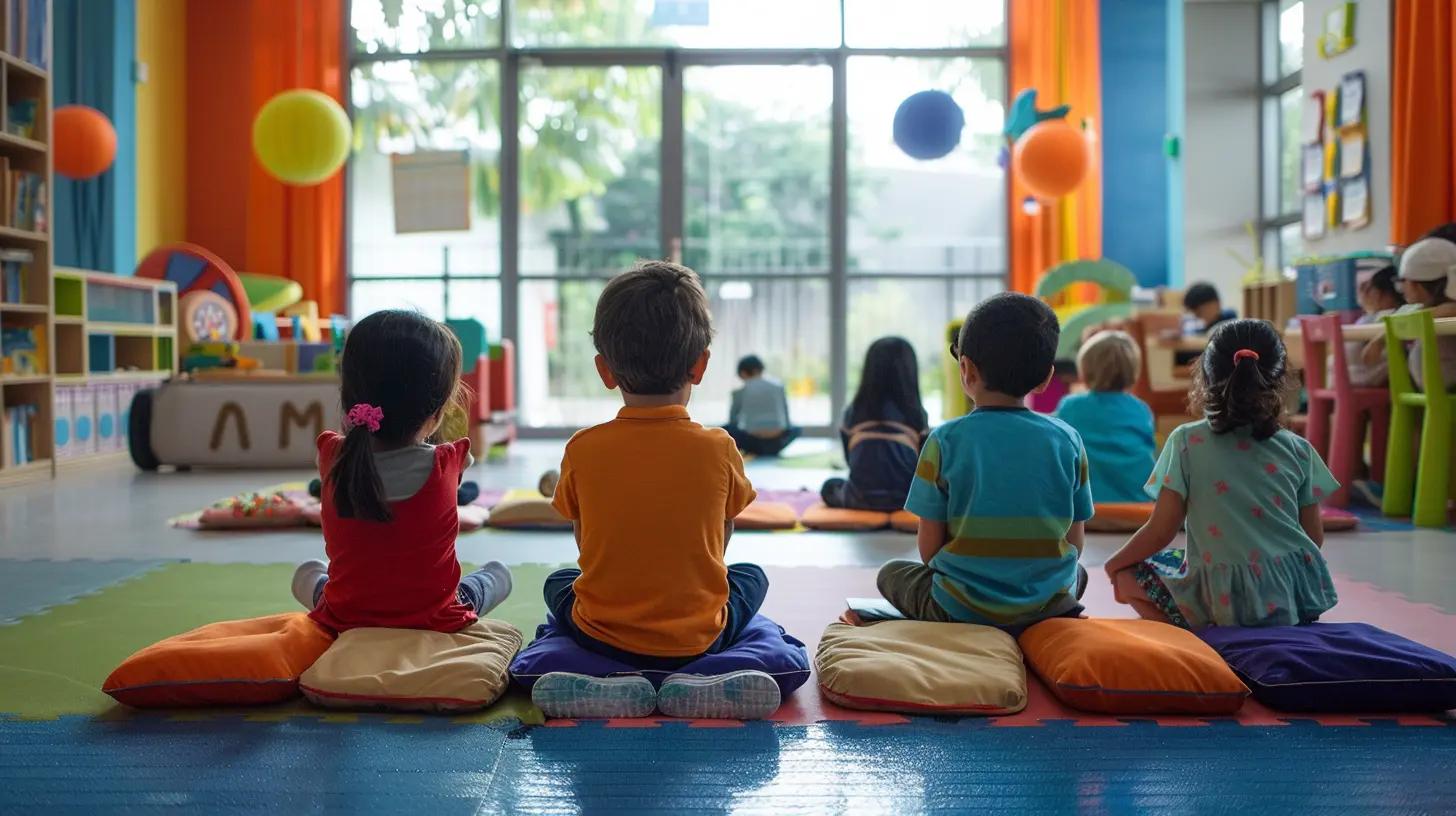
Why Peer Feedback Beats Solo Practice (Most of the Time)
Sure, practicing solo can help—reading aloud, watching videos, scribbling sentences in a notebook. But without feedback, how do you know if you’re actually progressing or just perfecting mistakes?1. Keeps You Accountable
When you know someone is reviewing your work, you naturally put in a little more effort, right? Peer feedback keeps you motivated. It’s like having a gym buddy for your brain—someone who pushes you to show up and do your best.2. Broadens Perspectives
Every learner brings a unique flavor to the table. When you engage with peers, you’re exposed to different vocab choices, regional expressions, and even cultural nuances you might never find in a textbook.3. Builds Confidence
Guess what happens when someone appreciates your sentence structure or praises your pronunciation? Yep, your confidence climbs. And confidence is key to becoming fluent. The more you speak up, the smoother your fluency becomes.
How Peer Feedback Supercharges Fluency
Fluency isn’t just about speaking fast—it’s about expressing yourself clearly and naturally. So, how does peer feedback help?Offers Real-Time Corrections
Let’s say you’re practicing conversation with a partner and you say, “He go to school every day.” Your peer gently says, “You mean ‘He goes.’” That instant feedback helps you remember the right structure—and use it correctly next time.Encourages Active Listening
When you're in feedback mode, you're not just hearing words—you’re analyzing them. You start picking up on grammar patterns, pronunciation quirks, and rhythm. This sharpens your own skills because being a good listener is half the battle in communication.Promotes Self-Reflection
Yeah, sometimes feedback can sting a bit, especially if we’re proud of that paragraph we wrote. But over time, peer feedback teaches us to be okay with trying, failing, fixing, and growing. That’s where the magic happens.
Types of Peer Feedback in Language Learning
Not all feedback is created equal. The way it's given—and received—matters big time. Let’s break down the main types.1. Oral Feedback
This usually happens during speaking activities. Think role-plays, discussions, or casual conversations. Peers can comment on:- Pronunciation
- Word choice
- Fluency
- Intonation
Example: “I noticed you used ‘funny’ when you probably meant ‘fun.’”
2. Written Feedback
Used during writing tasks like essays, journal entries, or email writing. Peers might leave comments about:- Grammar
- Sentence structure
- Punctuation
- Clarity
Example: “You wrote ‘their going to the park,’ but that should be ‘they’re.’"
3. Gestural & Non-verbal Cues
Even body language during practice plays a role. A confused look might signal miscommunication or incorrect usage. A nod of approval? That’s encouragement!Best Practices for Giving (and Receiving) Peer Feedback
Let’s be honest—giving feedback can feel awkward. And getting it? Sometimes even worse. But when done right, it’s a win-win. Here’s how to make it work.Be Kind, Not Critical
The goal isn’t to point fingers—it’s to help. Choose words carefully. Say, “I noticed…” or “You might try…” instead of “That’s wrong.”Focus on One or Two Points
Don’t overwhelm your partner. Stick to 1–2 key areas they can improve on. It’s about steady progress, not perfection.Use Examples
Instead of just saying, “That sentence is confusing,” rewrite it in a clearer way. Examples make feedback more actionable.Be Open-Minded
On the flip side, when you receive feedback, take it as a gift—not a jab. Every suggestion is a stepping stone toward better fluency.Peer Feedback in the Classroom: A Goldmine for Teachers
If you’re a teacher, peer feedback can seriously lighten your load and enrich your classroom vibe.1. Boosts Student Engagement
Students aren’t just passive participants—they become co-creators in the learning process. This active role keeps them engaged and motivated.2. Encourages Collaborative Learning
Peer feedback shifts the vibe from competition to collaboration. When students help each other, everyone wins.3. Develops Critical Thinking
When students assess others’ work, they learn to spot errors—and avoid them in their own writing or speaking. That’s a double benefit!Common Challenges (And How to Overcome Them)
Let’s be real—not everyone’s a natural at giving or receiving feedback. Here are a few roadblocks and how to smash through them:Fear of Offending
Solution? Set some ground rules. Emphasize that feedback should always be respectful and constructive.Lack of Confidence
Many learners feel they aren’t “qualified” to give feedback. Remind them that everyone has something valuable to contribute, even if it's just spotting a missing article or offering encouragement.Language Limitations
Sometimes, learners struggle to express their feedback in the target language. That’s okay! Let them use a mix of languages if needed—it’s about clarity and growth, not perfection.Tech Tools That Make Peer Feedback Easier
Who says you have to do it all face-to-face? Thanks to technology, peer feedback can happen anytime, anywhere. Here are some cool tools:- Google Docs – For real-time written feedback on documents.
- Flipgrid – Great for video responses and commentary.
- Padlet – An interactive wall where students can post and comment.
- LMS tools (like Moodle, Canvas) – Have built-in peer review features.
Using tech doesn’t replace human interaction, but it sure makes the process smoother—and sometimes more fun.
Real-Life Stories: How Peer Feedback Changed the Game
Maria from Spain
Maria joined an online English forum where users exchanged writing samples. She admits her grammar was shaky, but every time someone pointed out a mistake, she learned something new. Within six months, she was writing full essays with confidence.Arjun from India
In a virtual speaking club, Arjun was super shy at first. But the friendly corrections and encouragement from peers helped him find his voice. Now, he leads group discussions like a pro.Final Thoughts: Embrace the Power of Peers
Language learning doesn’t have to be a lonely road. Sure, teachers and textbooks play a role, but peers—those fellow learners walking the same path—can be your biggest asset.Peer feedback makes the whole process more interactive, more human, and honestly, a lot more enjoyable. By listening, sharing, correcting, and supporting each other, we don’t just build fluency—we build community. And in the end, isn’t that what language is all about?
So, the next time you get a chance to give or receive feedback, go for it. You might surprise yourself—and help someone else along the way.
all images in this post were generated using AI tools
Category:
Peer FeedbackAuthor:

Madeleine Newton
Discussion
rate this article
2 comments
Ford Webster
Peer feedback is like giving your language skills a caffeinated boost! It's the quirky secret sauce that transforms language learning from a solo gig into a lively jam session.
June 19, 2026 at 11:30 AM
Helen Nguyen
Peer feedback is a powerful tool that transforms language learning, fostering confidence and fluency. Embrace collaboration for growth and mastery.
May 23, 2026 at 3:55 AM
Madeleine Newton
Absolutely! Peer feedback not only enhances understanding but also builds a supportive learning environment that boosts confidence and fluency.