The Role of Media Literacy in Combatting Misinformation
29 March 2026
In today’s digital world, we are bombarded with information from every direction—social media, news websites, TV, and even word-of-mouth. But not all of it is reliable. Misinformation spreads like wildfire, influencing opinions, shaping decisions, and sometimes even causing real harm. So, how do we separate fact from fiction? That’s where media literacy steps in.
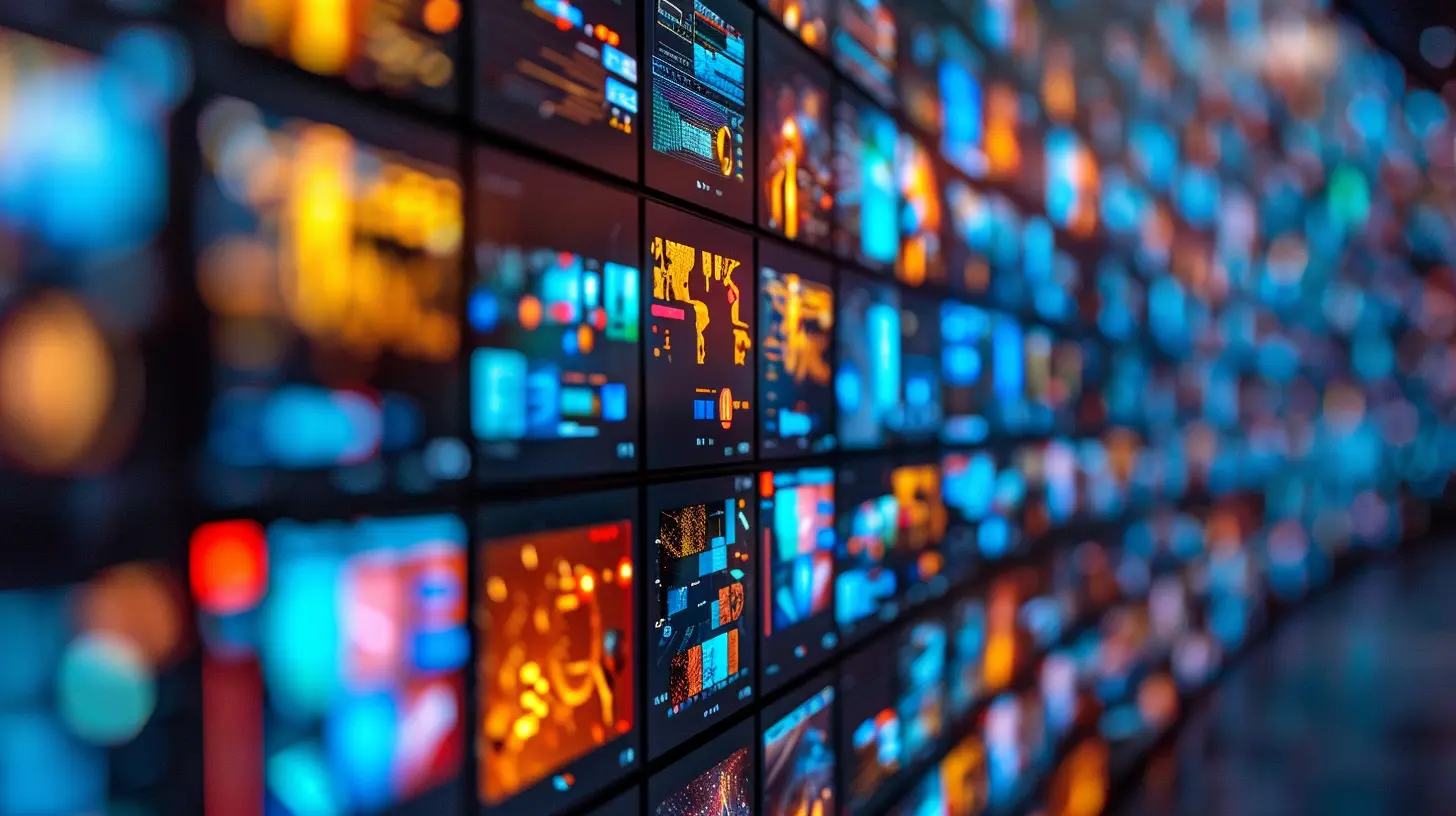
What is Media Literacy?
Media literacy is the ability to access, analyze, evaluate, and create media in a way that allows us to make informed decisions. In simpler terms, it’s knowing how to spot fake news, identify bias, and understand the intent behind the content we consume.Think of it like a mental filter. Just as we wouldn’t eat spoiled food without inspecting it first, media literacy helps us “inspect” information before we consume or share it.

Why Is Misinformation Such a Big Problem?
Misinformation isn't just an occasional issue; it's everywhere. Whether it’s false health advice, manipulated political news, or misleading advertisements, misinformation can have huge consequences.Here’s why it’s such a big deal:
1. It spreads fast – Thanks to social media algorithms, sensational news (whether true or not) gets shared thousands or even millions of times in minutes.
2. It influences real-world actions – Many people make decisions—about elections, health, or personal beliefs—based on misinformation.
3. It creates division – False or misleading information often fuels conflicts, increasing misunderstandings and distrust in society.
With these dangers in mind, media literacy is more important than ever.

The Key Elements of Media Literacy
To effectively fight misinformation, we need to strengthen our media literacy skills. Here are the critical aspects:1. Critical Thinking: Question Everything
Not everything we see or read is true, and media literacy encourages us to think critically before believing or sharing information.Ask yourself:
- Who created this content, and why?
- Is this information coming from a credible source?
- Could this be biased or misleading?
Critical thinking is like detective work—you dig deeper before accepting things at face value.
2. Recognizing Bias and Manipulation
Every piece of content has a perspective. That’s not always bad, but it’s important to recognize when information is one-sided or intentionally misleading.For instance:
- News outlets may favor certain political parties.
- Advertisements may exaggerate benefits to sell products.
- Social media influencers may promote products for money without disclosing sponsorships.
Understanding these biases helps us make better, more informed decisions.
3. Fact-Checking: Verify Before You Trust
Fact-checking is one of the most powerful tools against misinformation. Before accepting something as true, try verifying it with trusted sources like:- Fact-checking websites (e.g., Snopes, FactCheck.org)
- Reputable news organizations (e.g., BBC, Reuters)
- Government and educational institutions
Misinformation often crumbles under scrutiny, so always double-check before clicking that "share" button!
4. Understanding How Algorithms Shape Our View
Social media doesn’t show us a random mix of information—it tailors content based on our interests and engagement history. This can trap us in an echo chamber, where we only see views that match our own.To break out of this:
- Follow diverse sources with different perspectives.
- Be aware that platforms prioritize engagement over accuracy.
- Consciously seek out balanced, fact-based content.
5. Responsible Sharing: Think Before You Click
Every time we share misinformation (even unintentionally), we contribute to the problem. That's why responsible sharing is a key part of media literacy.Before you share anything:
- Check the source.
- Look for supporting evidence.
- Ask yourself if the information seems exaggerated or misleading.
Social media makes sharing easy—but with great power comes great responsibility.
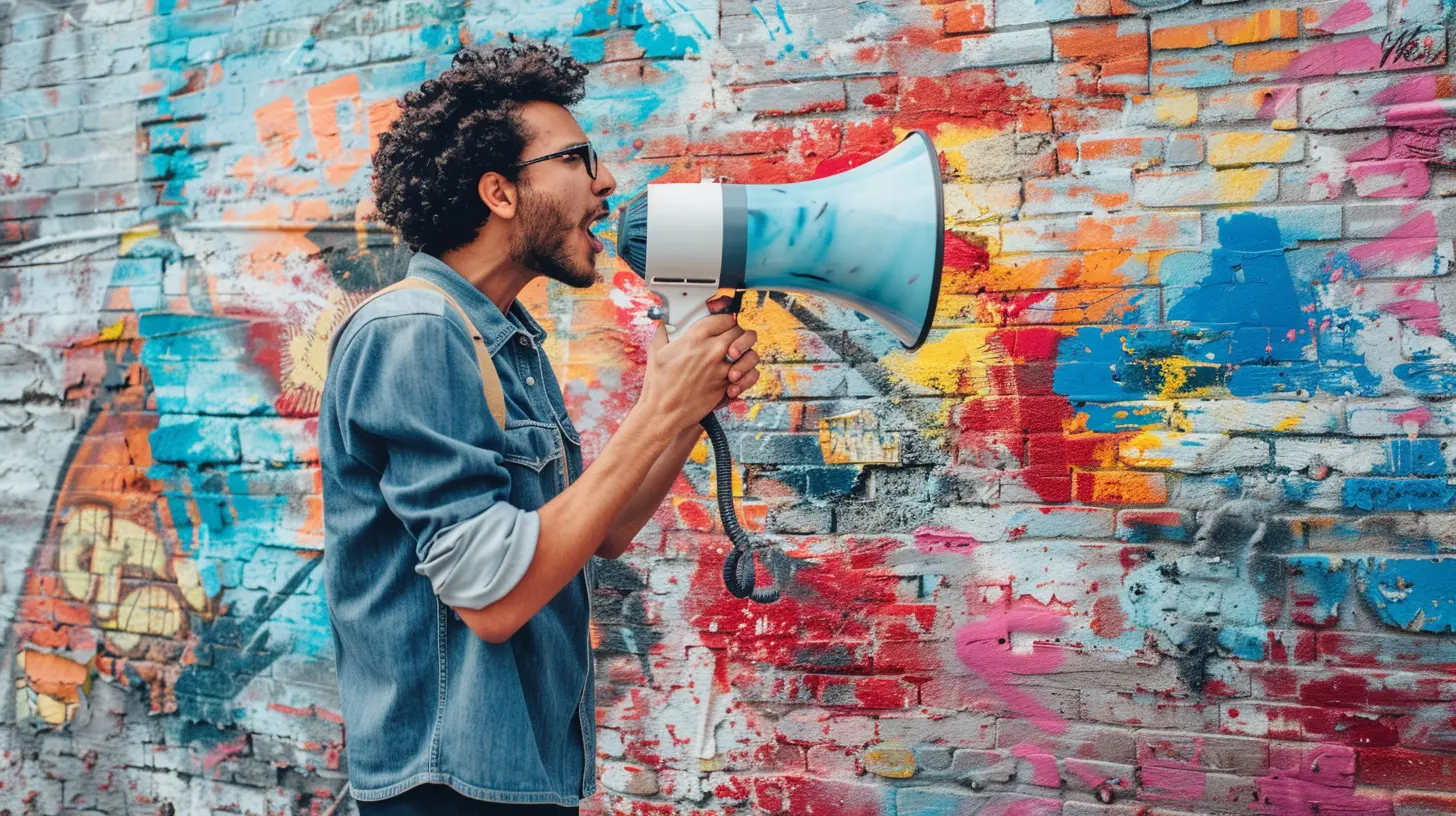
Teaching Media Literacy: A Lifelong Skill
Just like reading, media literacy is a skill that must be taught and practiced. Schools, parents, and even workplaces should prioritize media literacy education to create a well-informed society.In Schools
- Include media literacy in curricula.- Teach kids how to fact-check and evaluate sources.
- Encourage debates about news and media to develop critical thinking.
At Home
- Have discussions about news and social media.- Encourage skepticism and independent research.
- Lead by example—don’t spread misinformation yourself.
In Society
- Support organizations that promote media literacy.- Push for policies that hold media platforms accountable.
- Encourage open discussions about credible information.
Media literacy isn’t about mistrusting everything—it’s about being smart consumers of information.
Final Thoughts: Media Literacy is the Best Defense
Misinformation isn’t going away anytime soon, but media literacy gives us a shield against it. In a world full of half-truths and sensationalized headlines, being informed is more important than being first.So the next time you come across shocking news or viral social media posts, take a moment. Pause. Think. Verify. Because the truth deserves to be heard, not twisted.
all images in this post were generated using AI tools
Category:
Media LiteracyAuthor:

Madeleine Newton
Discussion
rate this article
2 comments
Zevran Riggs
Media literacy empowers individuals to critically evaluate information, fostering discernment and resilience against the pervasive threat of misinformation.
March 31, 2026 at 11:14 AM
Madeleine Newton
Absolutely! Media literacy is essential in helping individuals navigate the complex information landscape, enabling informed decision-making and reducing the impact of misinformation.
Emmeline Elliott
Media literacy is our best defense; knowledge empowers us to discern truth.
March 31, 2026 at 4:46 AM
Madeleine Newton
Absolutely! Media literacy equips individuals with the critical skills needed to identify misinformation and make informed decisions. Empowering ourselves with knowledge is vital in today's information landscape.