The Role of Gamification in Educational Research
13 July 2026
Education has come a long way from traditional chalk-and-board methods. With technology shaping how we learn, an exciting trend has taken the academic world by storm—gamification. But what exactly is gamification, and why is it becoming a game-changer in educational research?
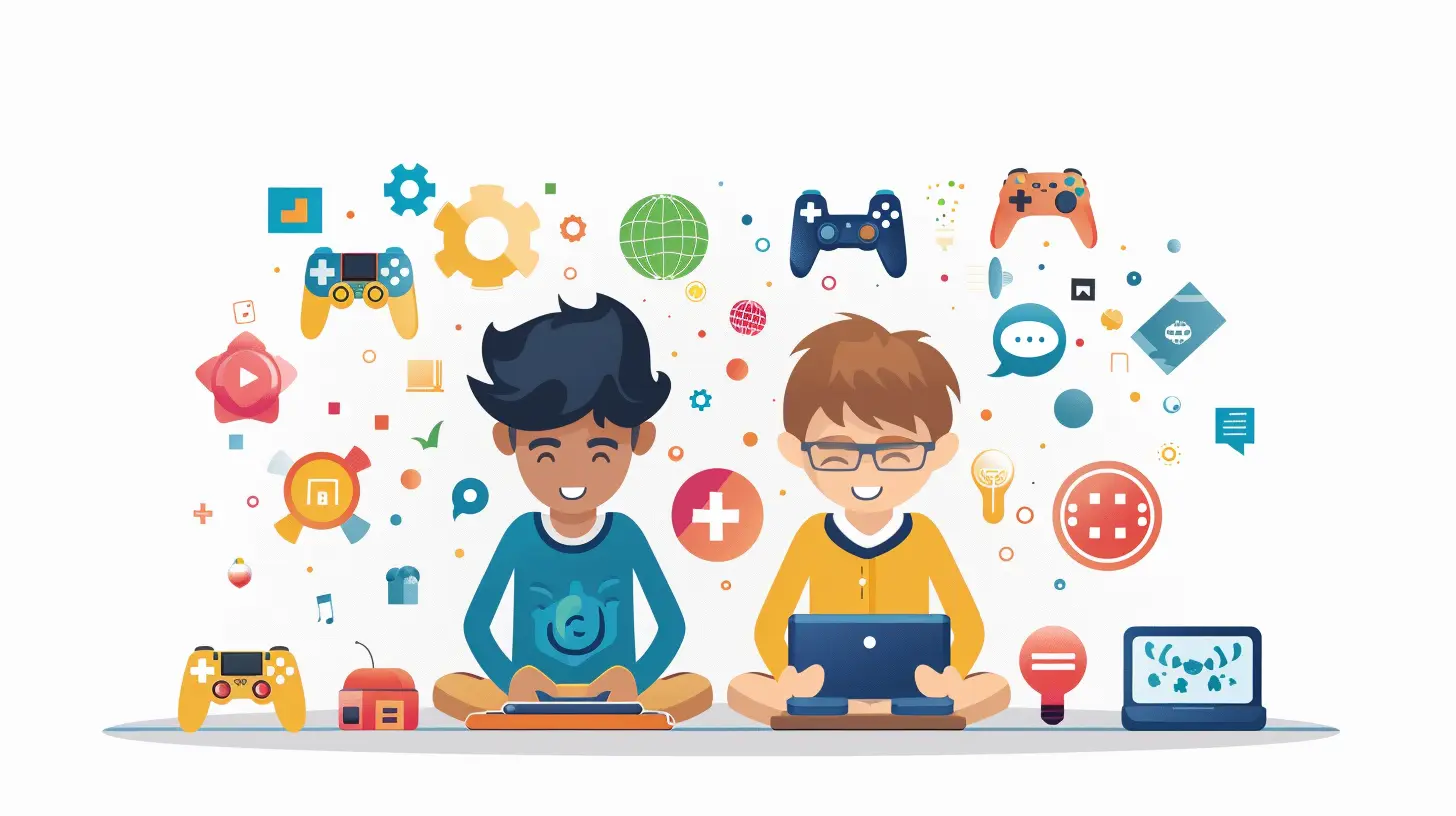
Simply put, gamification involves applying game-like elements—such as points, leaderboards, and challenges—to non-game environments, particularly education. By making learning more engaging and interactive, gamification has the potential to reshape how students absorb knowledge and stay motivated.
In this article, we'll explore how gamification is influencing educational research, its benefits, challenges, and how it's shaping the future of learning.

What Is Gamification in Education?
Gamification isn’t just about turning lessons into video games. Instead, it strategically integrates game mechanics—like rewards, goals, and interactive challenges—into the learning process to drive engagement and motivation.For example, think about how language-learning apps like Duolingo use streaks and achievement badges to keep users committed. It doesn’t change the complexity of the material, but it makes the process fun and rewarding.
Key Elements of Gamification in Learning
1. Points and Rewards – Earn points for completing tasks, just like a video game.2. Leaderboards – Compete with peers to reach the top.
3. Badges and Achievements – Unlock milestones for progress.
4. Challenges and Quests – Solve problems through interactive storytelling.
5. Instant Feedback – Get immediate responses to keep learners engaged.
By applying these concepts, gamification makes learning feel less like a chore and more like an exciting adventure.
The Science Behind Gamification in Educational Research
So, why does gamification work so well? The answer lies in psychology. Gamification taps into the brain’s reward system, releasing dopamine when learners achieve milestones. This positive reinforcement encourages them to stay engaged and continue learning.How Gamification Impacts Learning
- Boosts Motivation – Students feel a sense of accomplishment and strive to improve.- Enhances Retention – Interactive elements help cement knowledge better than passive learning.
- Encourages Healthy Competition – Leaderboards push students to put in more effort.
- Promotes Active Learning – Instead of just memorizing facts, students actively engage with the material.
Scientists and educators worldwide are researching how integrating gamification into classrooms can significantly improve student outcomes. However, while gamification offers many benefits, it's not without its challenges.

Benefits of Gamification in Education
Gamification is proving to be more than just a trend. Here are some of the major advantages it brings to education:1. Increased Student Engagement
Traditional learning methods can often feel tedious. Gamification turns lessons into interactive experiences, keeping students immersed in the process. Whether it's a quiz that rewards correct answers or a challenge that unlocks virtual prizes, students are more likely to stay engaged.2. Encourages a Growth Mindset
Failure is a part of learning, yet many students fear making mistakes. Gamification normalizes failure by treating it as part of the process. In a game, losing a round doesn’t mean quitting—it means trying again with a new strategy. This mindset helps students embrace challenges rather than avoid them.3. Provides Instant Feedback
Nobody likes waiting days for test results. Gamification offers real-time feedback, allowing students to adjust their learning strategies immediately. This keeps them from developing misconceptions and enhances their understanding of the subject.4. Personalizes Learning Paths
Not all students learn at the same pace. Gamification allows for adaptive learning—where challenges and quizzes adjust based on individual progress. This ensures that students remain challenged without feeling overwhelmed.5. Makes Learning Fun and Rewarding
Let’s face it—when something is fun, we’re more likely to do it. Gamification adds an element of fun to learning, making even the toughest subjects more enjoyable. Instead of dreading a lesson, students look forward to completing challenges and earning rewards.
Challenges of Implementing Gamification in Education
While gamification holds great promise, it's not a magic solution. There are several challenges that educators and institutions face when trying to implement it:1. Overemphasis on Rewards
If the focus shifts too much toward collecting badges and points, students may lose sight of the actual learning process. Ideally, gamification should enhance learning, not replace it.2. Not Universally Effective
Every student is different, and not everyone enjoys gamified learning. While some may thrive in a competitive environment, others may feel discouraged. Striking a balance that caters to all learning styles is crucial.3. Can Be Resource-Intensive
Implementing gamification properly requires technology, time, and investment. Schools that lack access to digital tools may struggle to integrate gamified elements effectively.4. Risk of Distraction
Too much emphasis on game mechanics might lead students to focus more on the game rather than the lesson itself. Educators need to ensure that the learning objectives remain the priority.The Future of Gamification in Educational Research
As technology evolves, so does the potential for gamified learning. Emerging trends like virtual reality (VR), artificial intelligence (AI), and adaptive learning platforms are pushing gamification to new heights.1. Virtual Reality (VR) & Augmented Reality (AR)
Imagine learning history by walking through ancient Rome in a VR simulation. These technologies offer immersive learning experiences that make complex subjects easier to grasp.2. AI-Powered Personalized Learning
With AI, learning platforms can adapt to individual students—offering personalized challenges and feedback based on their strengths and weaknesses. This makes gamified education even more effective.3. Blockchain for Educational Rewards
Some institutions are experimenting with blockchain technology to provide verifiable and tamper-proof rewards for educational achievements. This could revolutionize how students earn and present their credentials.
Final Thoughts
Gamification is not about replacing traditional education—it’s about enhancing it. By making learning more interactive and engaging, it fosters a deeper understanding of concepts and keeps students motivated.However, like any educational tool, it needs to be used strategically. When implemented thoughtfully, gamification can transform classrooms into dynamic learning environments where students don’t just learn—they thrive.
As educational research continues to uncover new ways to integrate gamification, one thing is clear—the future of learning is looking a lot more fun.
all images in this post were generated using AI tools
Category:
Educational ResearchAuthor:

Madeleine Newton