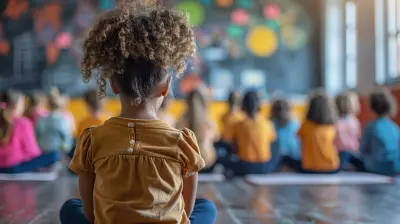
The Role of Family Culture in Early Learning
20 October 2025
Let’s be real for a second: raising kids is kind of like trying to assemble IKEA furniture without the instructions. You know all the pieces are there (you hope), but putting it all together? That’s the tricky part. Now toss in early learning, which is one of the most important stages of a child’s life, and suddenly it feels like you're juggling flaming swords while riding a unicycle. But here’s the secret sauce that most parents don’t even realize they’re serving: family culture.
Yes — family culture. That invisible, sometimes quirky, always unique vibe your home gives off that shapes everything from bedtime routines to snack preferences. And surprise, surprise — it plays a massive role in how your little ones learn.
So, grab your favorite mug of coffee (or that third reheated cup you forgot existed), and let’s break down this idea of “family culture” and why it’s basically early learning's BFF.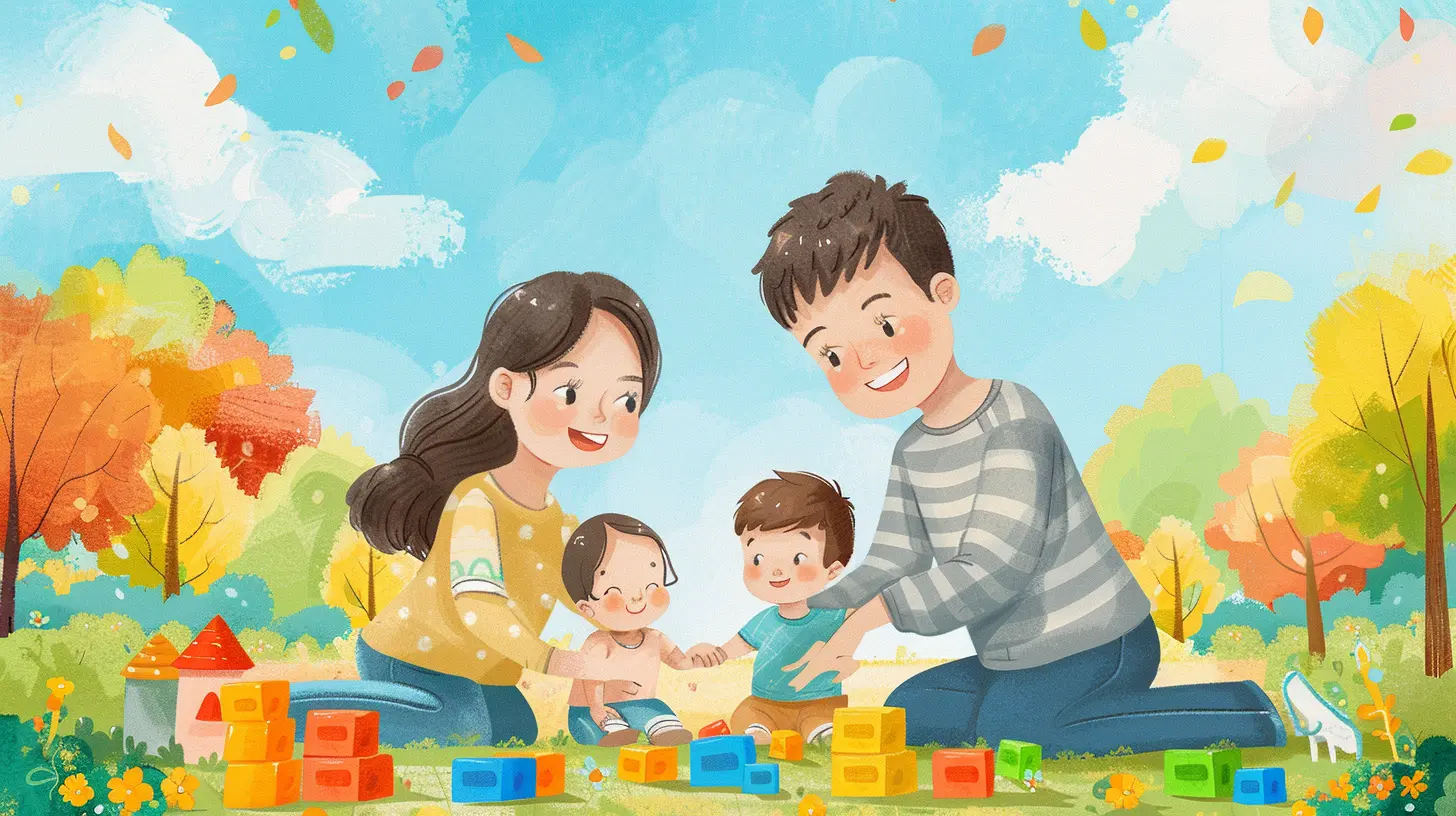
What the Heck Is Family Culture?
Let’s start with the basics: what do we mean when we say “family culture”? Think of it as the personality of your household. It includes your values, beliefs, traditions, routines, and how you communicate with each other. It’s whether your family plays board games after dinner, reads books before bed, or has Tuesday taco nights. It’s also the way you talk about emotions, solve problems, and even argue (yep, even the not-so-fun stuff counts).Every family has a culture — even if it’s unspoken. And kiddos? They’re like little sponges, soaking up this culture faster than you can say “clean up your toys.”
Early Learning: Not Just About ABCs and 123s
Before we dive into how family culture influences early learning, let’s zoom out a bit. Early learning isn’t just memorizing colors, counting to ten, or being able to recite the alphabet song backward (though, side note: that’s impressive).It's also about skills like:
- Social interaction
- Emotional regulation
- Problem-solving
- Language development
- Confidence-building
Basically, it's setting the stage for how kids will think, act, and learn about the world.
So where do they pick up these skills?
Hint: It's not only from preschool teachers or educational cartoons with overly enthusiastic puppets. It starts at home — smack dab in the heart of your family culture.
The Family Culture–Learning Connection
Alright, here comes the good stuff. Let’s dig into exactly how your family’s day-to-day vibe shapes your child’s early learning.1. Values Set the Tone
Do you value curiosity? Creativity? Empathy? If yes, your child is already getting a first-class education in “How to Be a Decent Human 101.” Kiddos learn what’s important by watching what you emphasize.If Mom gets pumped about visiting the library and Dad nerds out over a baking project, kids pick up that learning is fun — not a chore. And when values like kindness or patience are celebrated? Those become part of your child's learning toolkit, too.
2. Routines = Learning Opportunities
Let’s not underestimate the magic of good ol’ routines. Whether it’s a consistent bedtime, eating dinner together, or a Saturday morning pancake tradition — these routines help kids feel secure.And guess what’s baked into that security? Brain development. When kids know what to expect, their minds are free to explore, question, and play.
Even brushing teeth can turn into a learning experience — “Why do we brush in circles?” “What happens if we don’t?” (Besides dragon breath.)
3. Language, Language, Language
Do you talk a lot with your kids? Do you ask open-ended questions like, “What was your favorite part of today?” or “How did that make you feel?” These conversations are goldmines for language development and critical thinking.In some families, storytelling is a cultural staple — and not just bedtime stories. Grandpa’s tales from “back in my day,” or Mom’s wild college adventures (the PG version, of course), all contribute to kids learning how language works and how to express themselves.
4. Play Is the Work of Children
There’s a reason the phrase “play-based learning” is all the rage. And family culture has a lot to say about how (and how much) kids play.Does your family get down on the floor to build blanket forts? Do you encourage dress-up and imaginative play? That kind of stuff teaches emotional development, narrative structure, conflict resolution, and even math (those tea party cupcakes don’t count themselves!).
Let’s be honest — a family that values play ends up raising kids who are curious, resilient, and hella creative.
Culture Clash: When Home and School Are Worlds Apart
Now, we’ve got to bring up something important. Sometimes, the culture at home and the culture at school don’t match. Maybe your child is being raised in a multilingual home but the school teaches only in English. Or perhaps your family celebrates holidays that others don’t.When schools understand and embrace that diversity, magic happens. Kids feel seen, respected, and ready to learn. But when there’s a mismatch? Kids can feel like they have to choose between being themselves and fitting in.
One of the best things parents can do in these situations is communicate. Talk with teachers. Share family traditions. Invite classroom inclusion. Advocate for your child’s identity and experience. And if you're lucky, you might even start a classroom-wide celebration of Diwali, Lunar New Year, or your grandma’s unbeatable tortilla recipe.
The Secret Sauce: Modeling Behavior
Here’s the honest truth: Children listen to 10% of what you say and 90% of what you do. (Okay, that might not be a real statistic, but it sure feels that way.)If they see you reading books for fun, they’ll be more inclined to read. If they see you managing stress with a deep breath instead of slamming doors, they’ll start learning self-regulation. If they watch you work hard, say you're sorry, or ask questions out loud — they take notes.
Seriously, you’re not just a parent — you’re the lead actor in a 24/7 reality show called “How to Human,” and your kids are watching every episode on repeat.
Creating a Learning-Positive Family Culture
By now, we’ve established that family culture is a game-changer. But what if you’re thinking, “Yikes, our culture is less warm-and-fuzzy and more survival mode with goldfish crackers on the floor”?No worries. Family culture isn’t written in stone. It evolves.
Here are some simple (read: manageable) ways to build a learning-rich atmosphere:
🧡 Start Small
Pick one small tradition or activity to do consistently — a nightly bedtime story, a weekly nature walk, or a Saturday dance party. It doesn’t have to be Pinterest-perfect.🧠 Normalize Curiosity
Instead of feeling like you need to have all the answers, model curiosity. “Huh, I wonder why the moon looks so big tonight?” is a gateway to learning together (followed by a Google deep dive, naturally).👂 Listen More Than You Speak
Kids have big thoughts — sometimes bizarre, sometimes brilliant. Give them space to express themselves. This not only builds language skills but also self-worth.👏 Celebrate Effort Over Outcome
Whether your kid builds a shaky LEGO tower or draws a 3-eyed unicorn, celebrate the creativity and problem-solving, not just the “perfection.”🌍 Embrace Your Uniqueness
Incorporate your cultural heritage, family stories, and personal values into your daily life. This gives kids a strong foundation of identity and helps them feel connected to something bigger than themselves.The Bottom Line
Family culture isn't fancy. It’s not curated or Instagram-filtered. It’s messy, real, and often involves stepping on Legos barefoot. But it’s also one of the most powerful tools you have to shape how your child learns — not just academically, but emotionally, socially, and cognitively.You don’t need a PhD in child development or a house full of flashcards. You just need to keep doing what you’re doing — with intention, love, and maybe a little bit of silliness.
So next time your kiddo asks a hundred questions before breakfast, or you spend 20 minutes pretending to be a dinosaur hunter, remember: this is learning. And your family’s unique culture? That’s the secret ingredient making it all stick.
Now give yourself a high-five and carry on. You’re doing great.
all images in this post were generated using AI tools
Category:
Early Childhood EducationAuthor:

Madeleine Newton
Discussion
rate this article
1 comments
Pierce McDermott
This article highlights the crucial influence of family culture on early learning. Understanding and nurturing these cultural values can significantly enhance a child's educational experience, fostering a sense of identity and belonging that supports their development and academic success. A must-read for educators and parents alike!
October 21, 2025 at 11:15 AM
Madeleine Newton
Thank you for your insightful comment! I'm glad you found the article valuable in highlighting the impact of family culture on early learning.