The Role of Empathy in Mental Health Education
28 March 2026
Mental health is a topic that's finally getting the attention it deserves, especially in educational settings. But while we often talk about awareness, coping strategies, and therapy, there's one crucial element that sometimes gets overlooked: empathy. Yep, that simple ability to put yourself in someone else's shoes. It's not just a "nice-to-have" in mental health education—it's a game-changer.
In this article, we’ll dive deep into the role of empathy in mental health education. We’ll explore why it matters, how it can be taught, and how it can transform the way we understand and support mental well-being, particularly in schools and universities. So, grab a cup of coffee (or tea, if that's more your vibe) and let's get into it.
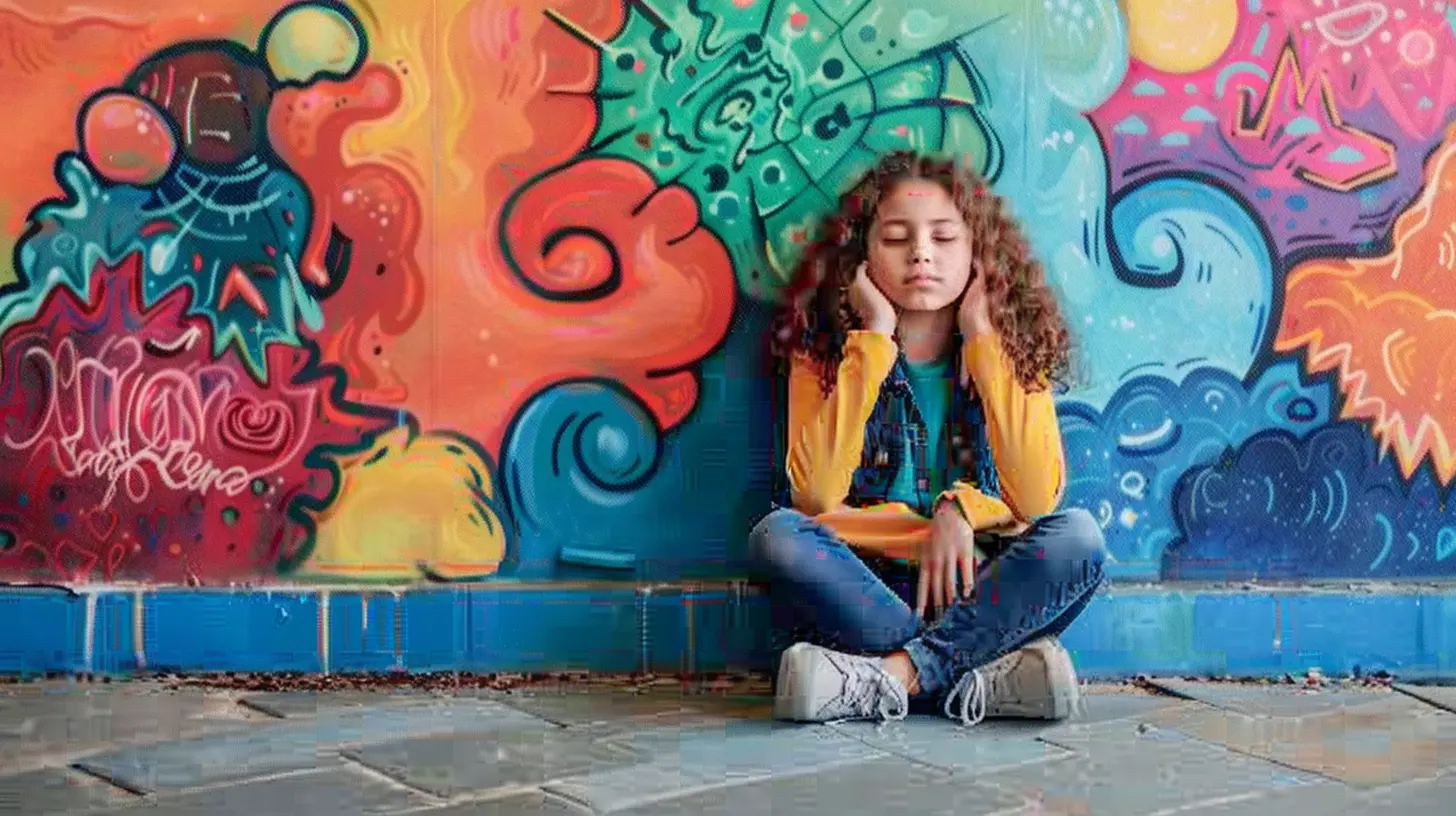
What is Empathy?
Before we jump into the deep end, let’s clear up what we mean by empathy. Empathy is the ability to understand and share the feelings of another person. It’s more than just saying "I feel you"; it’s about genuinely connecting with someone else's emotional experience.Imagine your best friend just had a rough day at work. Saying something like "That sucks" might show sympathy, but empathy would be sitting down, really listening, and maybe even sharing a similar experience you've had. It’s about connecting on a deeper emotional level.
There are generally three types of empathy:
1. Cognitive Empathy – Understanding how someone feels and thinking about what they might be going through.
2. Emotional Empathy – Actually feeling what someone else is feeling.
3. Compassionate Empathy – Not just feeling or understanding, but actively wanting to help.
So why does empathy matter so much when it comes to mental health education? Let’s break it down.

Why Empathy is Crucial in Mental Health Education
1. Breaking the Stigma
One of the biggest barriers to talking about mental health is the stigma surrounding it. Many people are afraid to open up because they fear judgment, misunderstanding, or even rejection. Empathy can be the antidote to that.When educators and peers approach mental health with empathy, it creates a safe space for individuals to talk about their struggles without fear of being judged. Empathy says, "I’m here for you, I get it, and I’m not going to judge you." And that, my friends, is huge. It opens doors for honest conversations and allows for a deeper understanding of mental health issues.
2. Enhancing Communication
Ever tried explaining something, and the other person just doesn’t get it? Frustrating, right? Now, imagine trying to explain something as complex as mental health.Empathy fosters better communication. When educators and students practice empathy, they’re not just hearing words—they’re understanding feelings. This can make it easier for students to express their mental health issues and for educators to provide the right kind of support.
It’s like speaking the same language. Empathy bridges the gap between "what I’m saying" and "what you’re hearing." And in mental health education, that’s priceless.
3. Building Stronger Relationships
Empathy is the glue that holds relationships together. Whether it’s between teachers and students, peers, or even parents and kids, empathy helps build trust and understanding.When educators show empathy towards their students, they create a nurturing environment. Students are more likely to open up about their struggles, seek help, and feel supported. On the flip side, students who practice empathy with their peers are more likely to offer support, creating a community of understanding and care.
A school or university that prioritizes empathy is one where students feel valued, heard, and understood. And honestly, isn’t that the kind of environment we all want?
4. Encouraging Early Intervention
Empathy isn’t just about feeling what others feel; it’s also about noticing when something’s off. When educators and students are tuned into each other's emotional experiences, they’re more likely to spot the early signs of mental health issues.This can be a game-changer. Early intervention is key in mental health. Empathy can help educators and peers recognize when someone is struggling, even if they haven’t spoken up yet. This can lead to timely support, preventing more severe mental health crises down the line.

How Can We Teach Empathy in Mental Health Education?
So, we’ve established that empathy is pretty awesome. But how do we actually teach it? After all, empathy doesn’t come naturally to everyone, and that’s okay. The good news is, empathy can be nurtured and developed.Here are some ways we can include empathy in mental health education:
1. Role-Playing Exercises
Role-playing is one of the most effective ways to teach empathy. By putting students in someone else’s shoes—whether that’s the role of someone struggling with anxiety, depression, or another mental health issue—they can better understand what it feels like.Plus, role-playing encourages active listening and deeper engagement. It’s not just about thinking "What would I do?" but more about "How do they feel?"
2. Storytelling and Case Studies
Stories are powerful. They have a unique way of connecting us emotionally and helping us understand experiences that might be far from our own. Incorporating real-life case studies or personal stories into mental health education can evoke empathy in a way that facts and figures just can’t.For example, sharing the story of someone who has lived with depression or anxiety can help students grasp the emotional weight of these conditions. It’s one thing to know the symptoms of depression; it’s another to understand what it feels like.
3. Encouraging Open Conversations
Creating a space where students feel comfortable sharing their experiences is crucial. Open conversations about mental health promote empathy by allowing students to express their feelings and listen to others.This can be done through group discussions, one-on-one chats, or even anonymous forums where students can share their thoughts without fear of judgment. The more we talk about mental health, the more empathetic we become.
4. Mindfulness and Reflection
Mindfulness practices can help students and educators develop empathy by fostering self-awareness and emotional regulation. When people are more in tune with their own emotions, they’re better equipped to understand the emotions of others.Incorporating mindfulness exercises—like meditation or journaling—into mental health education can encourage students to reflect on their own feelings and think about how others might feel in similar situations.
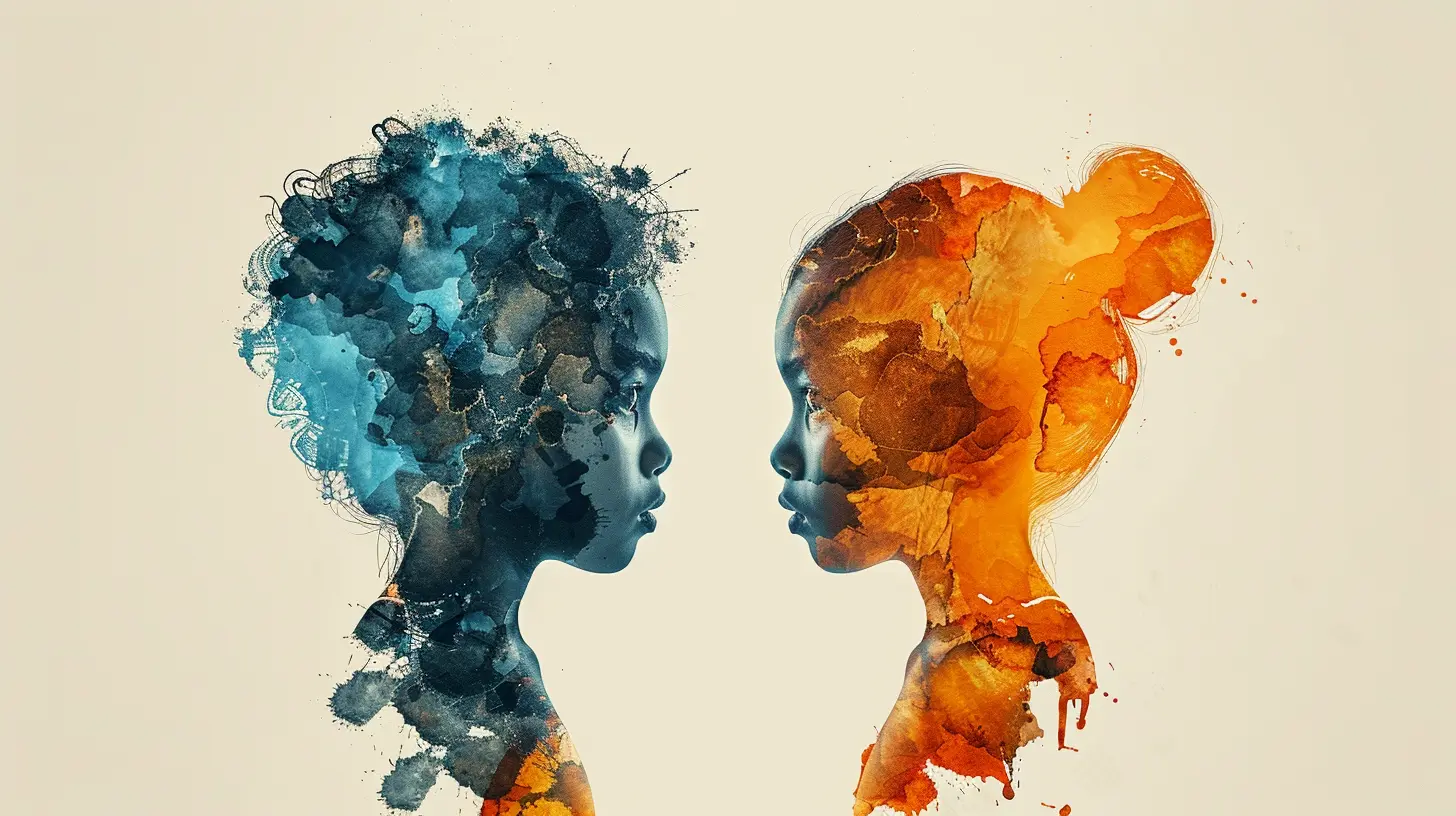
The Impact of Empathy on Students’ Mental Health
Empathy doesn’t just benefit those offering it; it has a profound impact on those receiving it as well. For students dealing with mental health issues, empathy can be the lifeline they need.1. Decreased Isolation
One of the most common feelings associated with mental health struggles is isolation. When students know that others understand and care about what they’re going through, it reduces that feeling of being "alone in the world." Empathy builds connections, and those connections can make all the difference.2. Improved Mental Health Outcomes
Studies have shown that empathy can lead to better mental health outcomes overall. When students feel supported and understood, they’re more likely to seek help, engage in therapy, and stick with treatment plans. In short, empathy can be a catalyst for real, positive change in mental health management.3. Creating a Supportive School Environment
Imagine a school where empathy is woven into the fabric of its culture—a place where students and teachers alike are attuned to each other's emotional well-being. This kind of environment is not only more supportive but also more conducive to learning and personal growth.When empathy is a priority, schools become more than just places of academic learning; they become communities of care.
The Role of Educators in Cultivating Empathy
If empathy is so crucial, then educators play a huge role in cultivating it. Teachers, counselors, and school administrators are often on the front lines of mental health education, and their approach can set the tone for how empathy is practiced within the school.1. Leading by Example
Educators who model empathy in their interactions with students set an important example. When teachers respond to students’ concerns with understanding and compassion, they show that empathy is not just something to be taught—it’s something to be lived.2. Providing Empathy Training
Empathy doesn’t always come naturally, especially in high-stress environments like schools. Offering empathy training for educators can equip them with the skills they need to support students effectively. Training can include everything from active listening techniques to strategies for recognizing early signs of mental distress.3. Fostering Peer Empathy
Educators can also encourage students to practice empathy with each other. Group projects, peer mentoring programs, and collaborative learning environments can all help students develop empathy for their peers, creating a more inclusive and supportive school culture.
Conclusion: Empathy is the Key to Mental Health Education
Empathy isn’t just a nice, feel-good concept. It’s a powerful tool that can transform mental health education. From breaking down stigma to enhancing communication and building stronger relationships, empathy plays a crucial role in how we understand and support mental well-being in educational settings.By teaching and practicing empathy, we can create environments where students feel safe, understood, and supported—environments where mental health is treated with the care and compassion it deserves.
all images in this post were generated using AI tools
Category:
Mental Health In SchoolsAuthor:

Madeleine Newton
Discussion
rate this article
2 comments
Jemima Lambert
Empathy in mental health education is like Wi-Fi—essential for connection! Without it, we’re just buffering in an emotional dead zone. Let’s tune into the frequency of understanding and foster a community where everyone feels seen, heard, and occasionally, unbuffered!
April 2, 2026 at 3:27 AM
Madeleine Newton
Thank you for your insightful analogy! I completely agree that empathy is crucial for creating meaningful connections in mental health education. It truly helps foster a supportive community.
Jillian Warren
This article beautifully highlights how empathy is essential in mental health education. By fostering understanding and connection, we can create supportive environments that empower individuals to share their struggles, ultimately enhancing their well-being and promoting healthier communities. Great insights!
March 30, 2026 at 3:46 AM
Madeleine Newton
Thank you for your kind words! I'm glad you found the insights valuable. Empathy truly is a powerful tool in creating supportive spaces for mental health.