The Role of Emotional Intelligence in Skill Development
13 December 2025
When we think about developing skills—whether it's technical expertise, leadership abilities, or creative talents—we usually think about hard work, practice, and maybe a few setbacks along the way. But have you ever wondered how much your emotions play a part in that process? Yep, we're talking about emotional intelligence (EQ). And spoiler alert: it's a game changer.
Emotional intelligence isn’t just some fluffy buzzword thrown around in corporate seminars. It’s the secret sauce behind how well we handle challenges, bounce back from failures, work with others, and—most importantly—grow in any skill. So, if you're serious about leveling up in any area of your life, it's time to put EQ on your radar.
Let’s dive deep into the role of emotional intelligence in skill development and why it may be the missing puzzle piece in your personal and professional growth.
What Exactly Is Emotional Intelligence?
Before we connect the dots between EQ and skill development, let’s break down what emotional intelligence really means.In simple terms, emotional intelligence is your ability to recognize, understand, manage, and influence your own emotions—while also being able to do the same for others.
Psychologist Daniel Goleman, who popularized the concept, breaks EQ down into five key components:
1. Self-awareness – Knowing your emotions and how they affect your behavior.
2. Self-regulation – Controlling impulsive feelings and behaviors.
3. Motivation – Being driven to pursue goals with energy and persistence.
4. Empathy – Understanding the emotions of others.
5. Social skills – Managing relationships and building networks.
Now, that’s not just some feel-good stuff. It’s the foundation for how we learn, communicate, and grow.
Why Skills Alone Aren’t Enough
Let’s face it—being good at a skill doesn’t always make someone successful. You probably know that one incredibly smart person who struggles with teamwork. Or the super-talented colleague who cracks under pressure. There’s a missing link there, and more often than not, that missing link is emotional intelligence.Think of it this way: skills are the tools, but emotional intelligence is the power source that makes them work effectively.
You can be an amazing coder, teacher, or photographer, but if you can't handle criticism, stay motivated, or collaborate well, your growth might hit a ceiling. EQ provides the resilience and adaptability needed to keep evolving.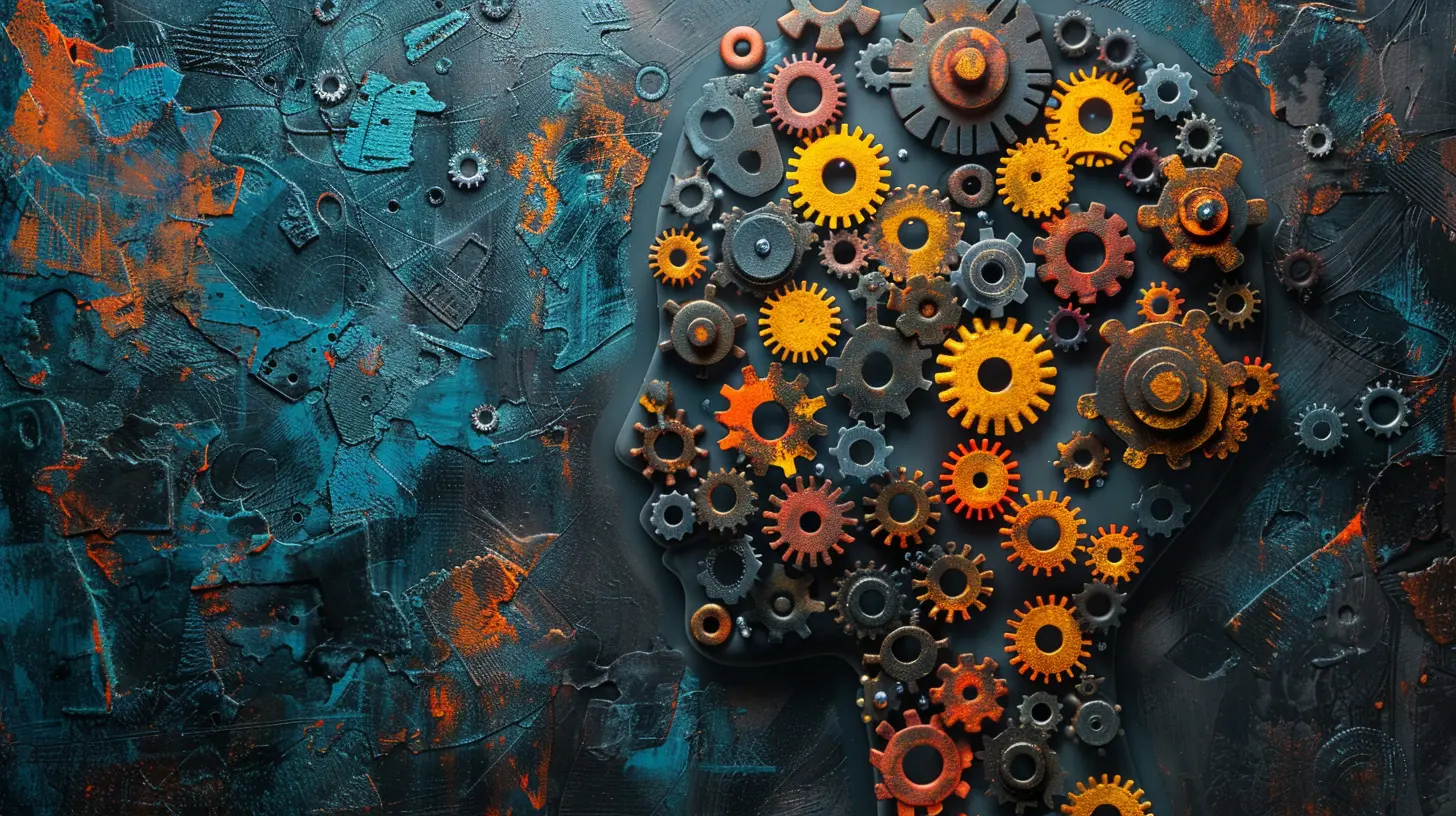
How Emotional Intelligence Fuels Skill Development
Alright, now let’s get into the juicy part—how exactly does EQ supercharge your ability to develop skills?1. Self-Awareness Helps You Pinpoint Weaknesses and Strengths
You can’t improve what you don’t understand. Self-awareness is like holding up a mirror to your habits, reactions, and performance. When you're in tune with your emotions and behaviors, you can spot what’s working and what’s not.For example, if you're trying to improve at public speaking, being self-aware helps you notice when anxiety creeps in or when your tone becomes monotone. That insight is gold. It tells you where to focus your efforts.
2. Self-Regulation Keeps You on Track
Skill development is messy. You’ll make mistakes. You’ll want to give up. Self-regulation helps you stay calm when things go south and keeps you from making emotional decisions you'll regret later (like quitting after one bad day).It’s the ability to feel frustration but not let it steer the ship. And trust me, that makes all the difference in pushing through plateaus and polishing your skills.
3. Motivation Lights the Fire
There’s motivation that comes and goes, and then there’s the deep kind driven by purpose. People with high EQ are often intrinsically motivated—they focus on long-term satisfaction over short-term rewards.That kind of motivation is like fuel for the grind. Whether you’re learning a new language or mastering a musical instrument, sticking with it when progress slows is easier when you’re emotionally connected to your 'why.'
4. Empathy Strengthens Collaboration and Feedback Loops
No skill is developed in a vacuum. We need coaches, mentors, teammates, and even critics. Being empathetic helps you understand where others are coming from, which makes teamwork more effective and feedback easier to process.Instead of getting defensive when someone points out an error, empathy helps you appreciate their perspective—and use that feedback to grow.
5. Social Skills Open Doors to Learning Opportunities
Ever noticed how some people just seem to attract opportunities? That’s often EQ at work. Strong social skills can help you network, find mentors, and join communities—all of which are massive boosts to skill development.If you want to become better at something, being around people who are ahead of you makes the journey faster and smoother. But to get into those circles? You’ll need more than talent—you’ll need emotional intelligence.
Real-Life Examples of EQ Boosting Skills
Let’s make it real. Here are a couple of examples where emotional intelligence turned good into great.Example 1: The Leader Who Listens
Take Sarah, a project manager with average technical skills but super high emotional intelligence. She knows how to read the room, resolve conflicts, and motivate her team. Her soft skills allow her to lead effectively—even when her technical knowledge hits limits. Guess what? Her team loves working with her, and her leadership skills keep evolving because she’s constantly learning from others.Example 2: The Student Who Bounces Back
Then there’s Raj, a college student struggling in math. But instead of spiraling into self-doubt, he uses his EQ to stay focused and ask for help. He recognizes when stress hits, practices mindfulness to manage it, and seeks out peer groups to study with. His ability to handle emotions helps him stay committed—and ultimately, succeed.The takeaway? EQ doesn’t erase obstacles, but it equips you with armor to deal with them.
Developing Emotional Intelligence (Yes, You Can!)
Great news—emotional intelligence isn’t set in stone. Just like any skill, it can be learned and sharpened. Here’s how you can build up your EQ:Practice Self-Reflection
Start by journaling or simply asking yourself, “What am I feeling right now and why?” Awareness is the first step to control.Respond, Don’t React
Before jumping to conclusions or saying something in the heat of the moment, take a pause. That moment of control is emotional intelligence in action.Build Empathy
Try to genuinely see things from someone else’s point of view—especially during disagreements. That mental shift can change everything.Improve Communication
Work on active listening (not just waiting for your turn to talk). Clear, respectful communication boosts both relationships and learning.Embrace Feedback
Instead of seeing feedback as criticism, treat it as a tool for growth. Train your brain to find the lesson, not the insult.The Long-Term Payoff of EQ in Skill Development
Here’s the cool part—emotional intelligence doesn’t just help you learn better in the short term. It builds a mindset of growth that compounds over time.Emotionally intelligent people are more adaptable, resilient, and eager to keep improving. They’re not afraid of change or failure, and that makes them unstoppable learners. In a world where skills can become outdated fast, emotional intelligence is the one meta-skill that keeps you relevant.
Think of EQ as the foundation. Build your skills on top of it, and your potential becomes limitless.
Final Thoughts: EQ Is Your Superpower
Let’s be real—developing any skill takes time, effort, and patience. But without emotional intelligence, you're likely to get stuck when the going gets tough. With it? You’ll navigate challenges, build better relationships, stay motivated, and continuously evolve.So, the next time you’re mapping out your growth journey—whether it’s learning to code, leading a team, or becoming a better communicator—don’t just focus on the what. Pay attention to the how behind your emotions.
Because once EQ shows up, growth becomes not just possible... but inevitable.
all images in this post were generated using AI tools
Category:
Skill DevelopmentAuthor:

Madeleine Newton
Discussion
rate this article
2 comments
Idris Hudson
Emotional intelligence truly transforms learning—it's the heart of connecting, growing, and thriving together!
December 29, 2025 at 5:43 AM
Madeleine Newton
Thank you for your insightful comment! I completely agree—emotional intelligence is essential for fostering connection and collaboration in the learning process.
Savannah McIntire
Emotions: the secret sauce for leveling up your skills!
December 14, 2025 at 1:41 PM
Madeleine Newton
Absolutely! Emotions fuel motivation, enhance learning, and foster resilience, making them essential for skill development.