The Role of Collaborative Research in Education
5 March 2026
Ever heard the saying, “Two heads are better than one”? Well, when it comes to education, that couldn’t be more true—especially when we’re talking about research. Collaborative research in education is like a group project on steroids. It brings together teachers, students, institutions, and sometimes even communities to tackle big questions and solve real-world problems in education.
But wait—what does that actually mean? Why should we care about collaboration in research? And more importantly, how can this approach truly make a difference in classrooms and school systems?
Let’s dive in and unpack the powerful role that collaborative research plays in the ever-changing world of education.
What Is Collaborative Research in Education, Really?
Let’s get on the same page first. Collaborative research in education is when multiple parties—say, educators, researchers, policymakers, and yes, even students—come together to investigate a shared question or challenge in the education system.It’s not just about working in the same room. It’s about sharing goals, resources, data, and perspectives to truly co-create knowledge.
Think of it like a potluck dinner: every participant brings something valuable to the table, and together, they create a spread that’s richer and more delicious than any one dish could be on its own.
Why Traditional Research Isn’t Always Enough
There’s absolutely nothing wrong with traditional education research. It’s rigorous, thorough, and often necessary. But let’s face it—sometimes it’s out of touch with what’s actually happening in the classroom.Far too often, research is done “on” educators and students rather than “with” them. The result? Findings that might look great on paper but don’t really translate into practical improvements in teaching or learning.
That’s where collaborative research shines. It bridges the gap between theory and practice by involving the very people who live and breathe education every day.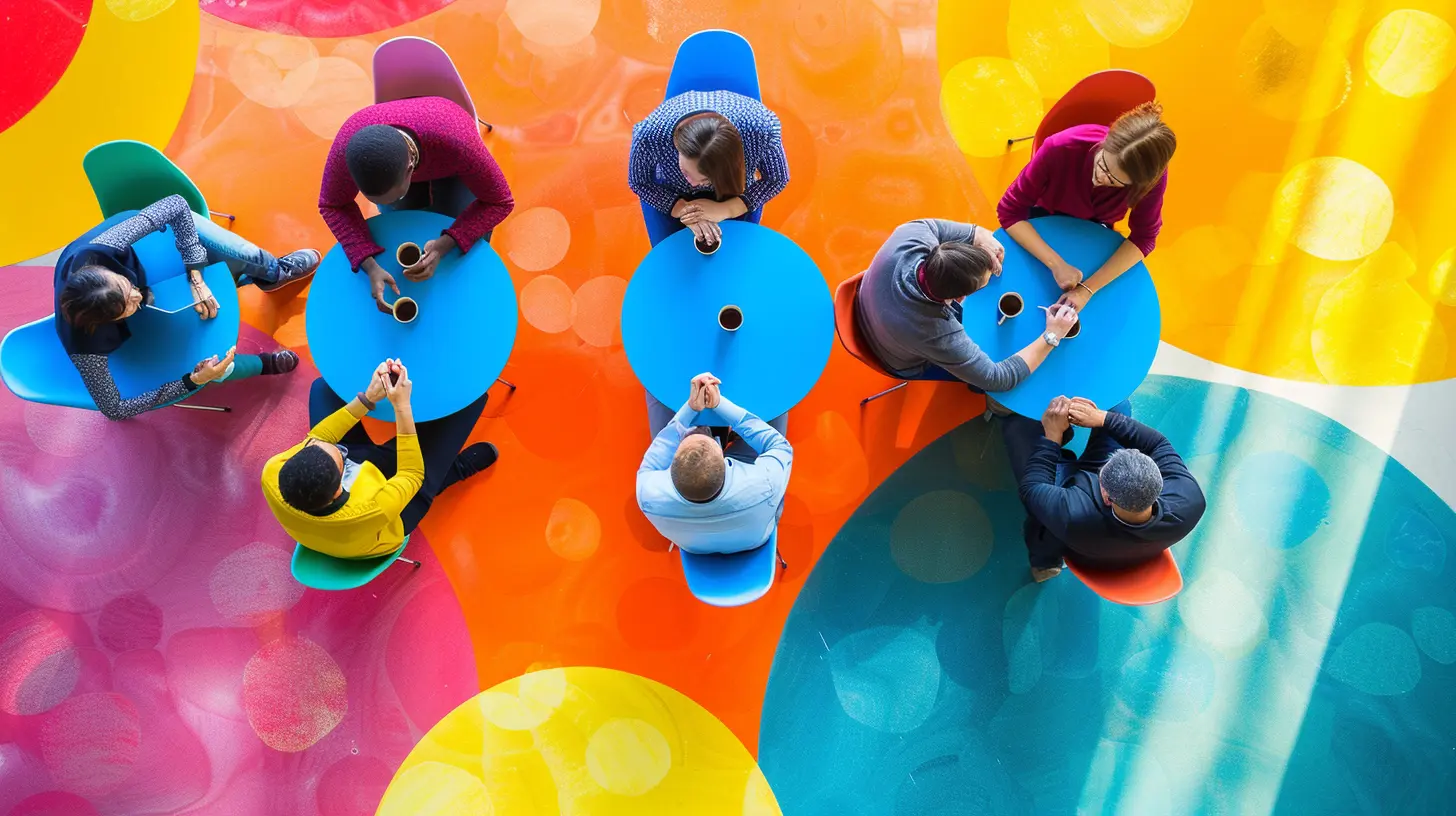
Benefits of Collaborative Research in Education
Alright, now the fun part—what good does all this collaboration actually do?1. Grounded in Reality
When teachers and students participate in research, it’s instantly grounded in real-world experiences. The questions aren’t abstract; they’re practical. The data isn’t hypothetical; it’s lived. That makes the outcomes far more relevant and usable.2. Shared Ownership = Stronger Buy-In
Let’s be honest: change is hard. But when educators and administrators are part of the process from day one, they aren’t just passive recipients of research—they’re part of its heartbeat. And guess what? People are way more likely to implement solutions they helped create.3. Diverse Perspectives = Deeper Insights
When different voices are at the table, from novice teachers to experienced researchers, you get a rich tapestry of insights. One person sees the forest, another notices the trees. Together, they paint the full picture.4. Boosts Professional Development
Collaborative research isn’t just about the final report. It’s a learning journey. Teachers develop research skills. Researchers gain classroom insights. Everyone walks away sharper than when they started.5. Drives Real Change
Because it's rooted in practical experience and mutual investment, collaborative research often leads to meaningful, lasting changes in schools—and not just dusty reports parked on a shelf somewhere.
How Collaborative Research Actually Works
Alright, let’s talk logistics. How do people actually go about doing collaborative research?It usually unfolds in a few key stages:
Step 1: Define the Problem Together
This isn’t one person saying, “Here’s your issue.” It’s a group conversation: What’s not working? What do we wonder about? What would help our students thrive?Step 2: Design the Study
Everyone chips in ideas here—how to collect data, which methods to use, what tools to involve. It could include surveys, interviews, observations, or experiments.Step 3: Collect the Data (Together, Again)
Teachers might try a new teaching strategy and journal about it. Students might take part in focus groups. Researchers might observe classes. The key is everyone is involved, not just sitting on the sidelines.Step 4: Analyze and Reflect
This isn’t a one-way data dump. Teams meet, discuss trends, challenge assumptions, and make meaning together. It's like a book club—but for data.Step 5: Take Action
The final stage isn’t just about writing up a report. It’s about doing something with what you learned—tweaking teaching strategies, shifting curricula, improving policies.Real-World Examples That Inspire
Want proof this approach works? Let’s check out a few real-world success stories.Case Study: University-School Partnership in Literacy
A university in the UK teamed up with several elementary schools to dig into low literacy rates. Teachers worked shoulder-to-shoulder with education researchers to trial new reading strategies. They didn't just test theories—they shaped them. The result? Reading levels improved, and the teachers felt more empowered to innovate.Case Study: Student-Teacher Partnerships in Curriculum Design
High school students in the U.S. collaborated with teachers to co-create parts of their curriculum. They explored what kinds of assignments and readings felt relevant and engaging. This led to better classroom engagement, improved performance, and even fewer behavioral issues.These stories aren’t one-offs. They’re signals of what’s possible when collaboration becomes the norm—not the exception.
Challenges Along the Way (And How to Tackle Them)
Let’s keep it real. Collaborative research isn’t always rainbows and butterflies. There are hurdles—sometimes big ones.Time Constraints
Educators are already stretched thin. Adding research on top? It can feel overwhelming.🛠️ Solution: Start small. Pilot projects can be short and sweet and still super impactful.
Power Imbalances
There’s always a risk that one voice dominates the discussion—usually the one with the most academic clout.🛠️ Solution: Establish clear agreements about equity, decision-making, and roles from the get-go.
Data Sensitivity
When research involves students and classrooms, privacy becomes a big concern.🛠️ Solution: Work closely with ethics boards and follow transparent protocols to protect everyone involved.
The Future Is Collaborative
We’re standing at a crossroads in education. Traditional top-down approaches are struggling to keep up with the fast-changing needs of today’s classrooms. We need new models—ones that celebrate participation, leverage shared knowledge, and drive actionable change.Collaborative research isn’t a silver bullet, but it might just be the secret sauce we’ve been missing. It empowers educators and students. It turns research into a conversation, not a lecture. And most importantly, it creates the kind of change that sticks.
It’s a bit like building a bridge, brick by brick, with hands from both sides of the river. And when it’s done? Everyone can walk across.
Final Thoughts
At the end of the day, collaborative research in education isn’t just a method—it’s a mindset. It’s about remembering that the best ideas don’t come from ivory towers. They come from hallways, cafeterias, classrooms, and communities.So the next time we're looking to improve our schools, maybe we shouldn’t ask, “What does the research say?”
Maybe we should ask, “Who’s at the table?”
Because in education, the future isn’t something we wait for—it’s something we build. Together.
all images in this post were generated using AI tools
Category:
Educational ResearchAuthor:

Madeleine Newton
Discussion
rate this article
2 comments
Amos Navarro
This article beautifully highlights the importance of collaborative research, fostering innovation and enhancing learning experiences in education.
March 8, 2026 at 3:26 AM
Madeleine Newton
Thank you for your thoughtful comment! I'm glad you found the article highlights valuable. Collaborative research truly makes a difference in education.
Xavi Nelson
This article on collaborative research in education truly piques my interest! It’s fascinating to see how teamwork among educators and researchers can enhance learning experiences. I’m curious about practical examples of such collaborations and their impact on student outcomes. Collaboration seems key to driving innovation in teaching!
March 6, 2026 at 12:56 PM
Madeleine Newton
Thank you for your enthusiasm! I’ll be sure to include practical examples of successful collaborations and their impact on student outcomes in future discussions. Collaboration is indeed vital for innovation in education!