The Rise of Citizen Journalism and Its Impact on Media Literacy
26 January 2026
In today’s fast-paced digital world, the way we consume and share news has drastically changed. Gone are the days when large media organizations were the sole gatekeepers of information. Instead, everyday people, just like you and me, have taken the reins in shaping the news landscape. This phenomenon is known as citizen journalism, and it’s revolutionizing the way we stay informed. But with great power comes great responsibility (yes, I just quoted Spider-Man). As citizen journalism grows, so does the need for media literacy. Let’s dive into how this shift impacts our understanding of news and information.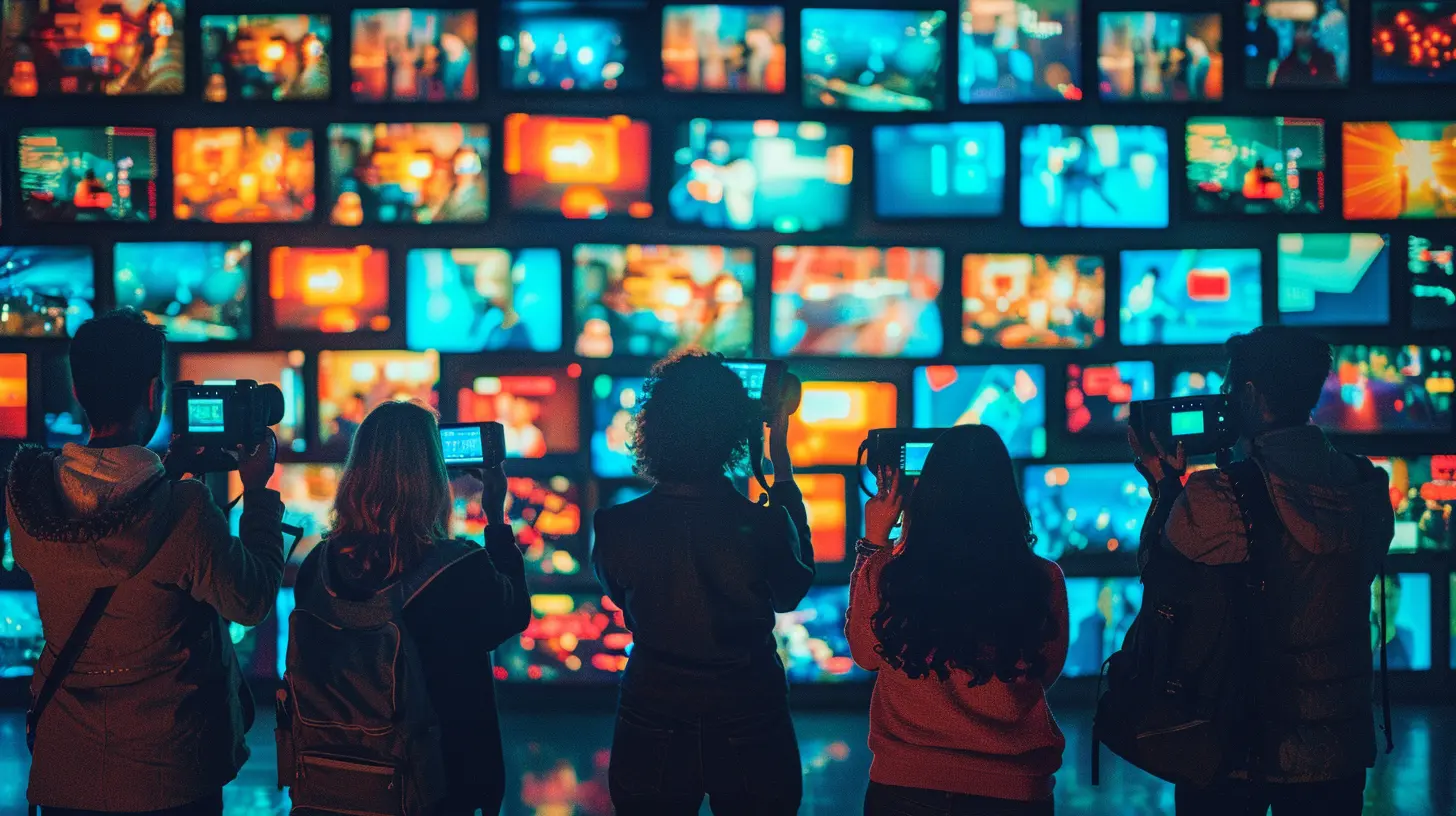
What is Citizen Journalism?
At its core, citizen journalism is when ordinary people take on the role of reporters by collecting, analyzing, and disseminating news and information. Think of it as a form of grassroots reporting where social media, blogs, and even smartphones become the tools of the trade. Whether it’s a tweet about a breaking news event, a blog post sharing a personal experience, or a live video stream from a protest, citizen journalists are everywhere. They’re in the thick of it, on the ground, capturing events in real-time without the filtering or framing that traditional media often applies.A Brief History of Citizen Journalism
While it may seem like a new phenomenon, the roots of citizen journalism can be traced back centuries. In fact, some of the earliest forms of news were spread by everyday citizens. For example, in the 18th century, pamphlets and letters written by citizens played a significant role in shaping public opinion during the American Revolution.Flash forward to the 21st century, and the rise of the internet has given citizen journalists a platform like never before. The advent of social media platforms like Twitter, Facebook, and YouTube has allowed anyone with a smartphone and an internet connection to report on events as they happen. This has created an entirely new type of journalism: one that’s raw, unfiltered, and often immediate.
How Social Media Changed the Game
Social media has been the ultimate game-changer for citizen journalism. Platforms like Twitter and Facebook make it ridiculously easy for anyone to share news. You don’t need fancy equipment or a journalism degree—you just need something newsworthy and a way to share it. It’s like having a 24/7 news outlet right in your pocket.But here’s the catch: while social media democratizes information, it also opens the floodgates to misinformation. Because there’s no formal editorial process in place, false news can spread just as quickly as the truth. This is where media literacy becomes crucial.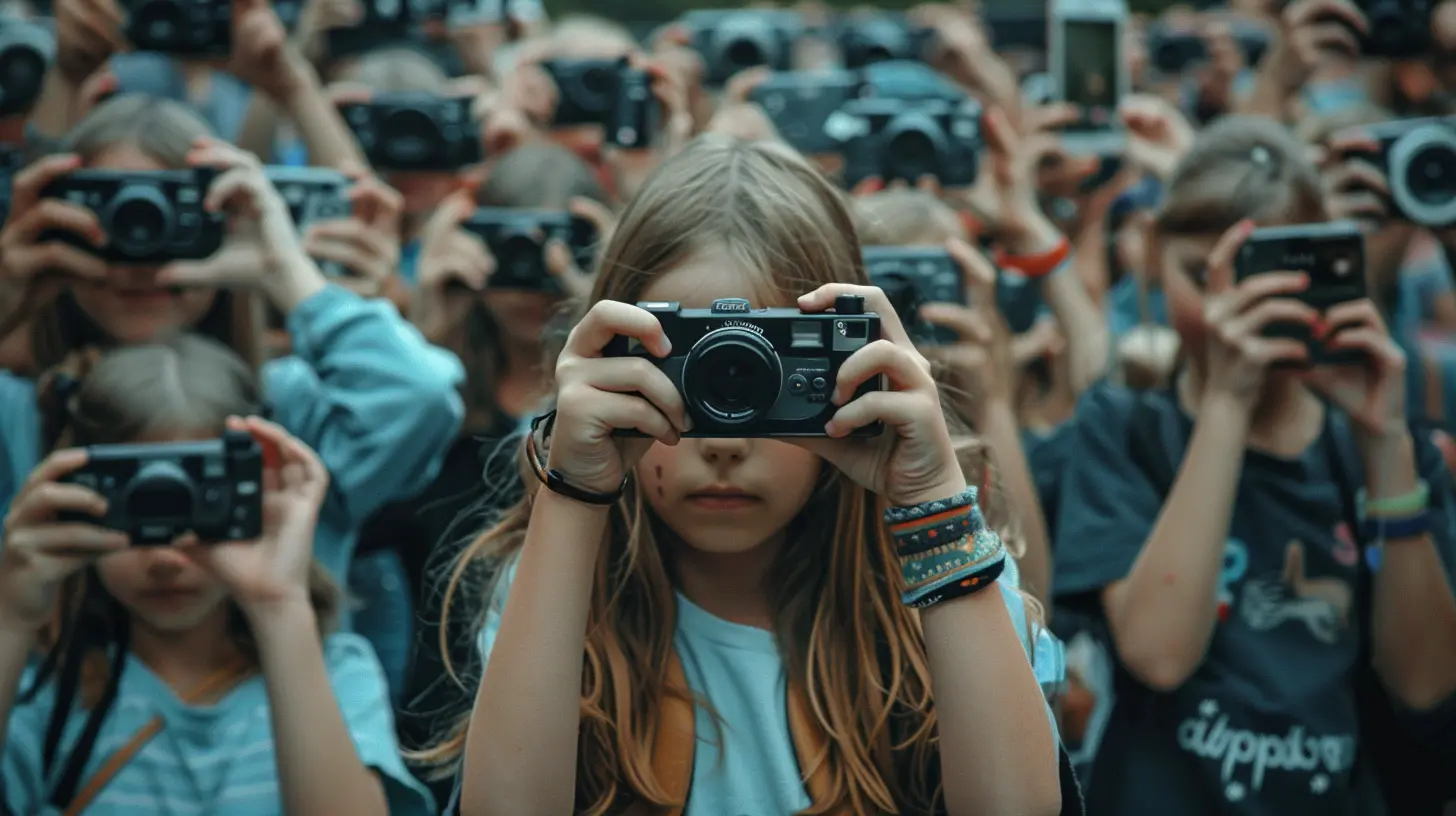
The Impact of Citizen Journalism on Traditional Media
It’s no secret that traditional media outlets have had to adapt to the rise of citizen journalism. In the past, mainstream media had a monopoly on news distribution. Now, they’re competing with millions of individuals who can break news in real-time. Imagine being a journalist who spent hours on a story, only for someone on Twitter to scoop you with a 280-character tweet!The Blurring of Lines
One significant impact of citizen journalism is the blurring of the lines between professional journalism and amateur reporting. On the one hand, this democratization of information has made news more accessible and diverse. On the other hand, it has also led to questions about credibility, objectivity, and ethics.Let’s be real: not every citizen journalist follows the same ethical guidelines as professional reporters. While traditional journalists are trained to verify sources, fact-check information, and present balanced perspectives, citizen journalists may not always adhere to these standards. This can sometimes lead to the spread of misinformation or biased reporting, making it harder for the public to discern fact from fiction.
Speed vs. Accuracy
Another major shift is the speed at which news is reported. Citizen journalists can publish stories almost instantly, whereas traditional media often takes more time to verify facts and provide a more complete picture. This creates a tension between speed and accuracy. While immediacy is valuable, it can sometimes come at the cost of truthfulness.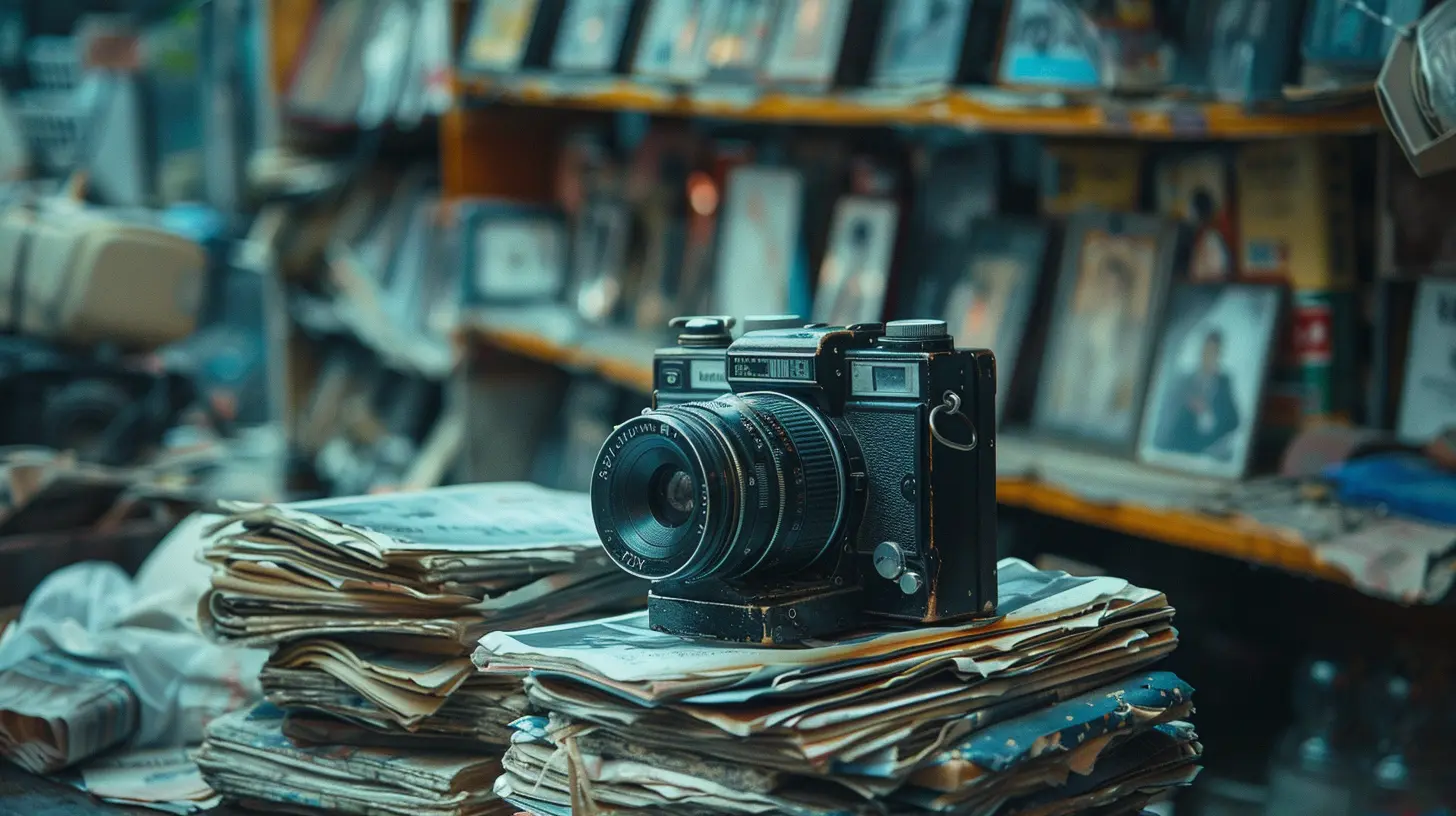
The Role of Media Literacy in the Age of Citizen Journalism
So, with all this information flying around, how do we ensure that we’re consuming news responsibly? This is where media literacy comes in. Media literacy is the ability to access, analyze, evaluate, and create media in various forms. In simple terms, it’s about knowing how to think critically about the media we consume.Why Media Literacy Matters More Than Ever
In a world where anyone can be a journalist, media literacy is a crucial skill. It helps us navigate the sea of information (and misinformation) that floods our social media feeds every day. Without media literacy, we’re like ships without a compass—easily swayed by sensational headlines or viral posts that may not be accurate.When you see a breaking news story shared on your timeline, do you stop to ask yourself questions like:
- Who is the source?
- Is the information verified?
- What’s the context?
- Is there any bias involved?
If you’re not asking these questions, it’s time to start! Media literacy empowers us to question the sources of information, recognize biases, and make informed decisions about what to believe and share.
The Challenges of Misinformation and Fake News
While citizen journalism has its perks, it also comes with challenges—especially when it comes to misinformation and fake news. With the rise of citizen journalism, we've also seen a rise in the spread of false information. Remember the viral story about the Pope endorsing Donald Trump during the 2016 U.S. election? Completely false, but it spread like wildfire.How Does Misinformation Spread?
Misinformation often spreads through a combination of factors, including:- Confirmation Bias: We tend to believe information that aligns with our existing beliefs.
- Echo Chambers: Social media algorithms often show us content that reinforces our views, creating bubbles where we only see one side of a story.
- Viral Nature of Social Media: Content that provokes strong emotions (whether true or false) is more likely to be shared and go viral.
This makes it even more important for us to develop strong media literacy skills. In the age of citizen journalism, it’s up to each of us to be responsible consumers of information.
The Benefits of Citizen Journalism
Despite the challenges, citizen journalism brings several benefits to the table. Here are a few reasons why it’s a positive force in today’s world:1. Diverse Perspectives
Traditional media outlets often have limited resources and can’t cover every story from every angle. Citizen journalists, however, can provide more diverse perspectives—especially on local or underreported issues. For example, during the Arab Spring, citizen journalists played a crucial role in documenting protests and government crackdowns that might have otherwise gone unnoticed by mainstream media.2. Real-Time Reporting
When something big happens, citizen journalists are often the first on the scene. They can provide real-time updates that traditional media may not be able to match. For instance, during natural disasters, citizen reports can help spread information quickly about affected areas, rescue efforts, and urgent needs.3. Holding Power to Account
Citizen journalism can also serve as a form of grassroots activism. It allows ordinary people to hold those in power accountable. From police brutality to political corruption, citizen journalists can shine a light on issues that may otherwise be swept under the rug.The Future of Citizen Journalism
So, what does the future hold for citizen journalism? It’s hard to say for sure, but one thing is clear: it’s not going anywhere. As technology continues to evolve, we can expect citizen journalism to become even more prominent.The Rise of AI and Citizen Journalism
With advancements in artificial intelligence (AI), we may see new tools that help citizen journalists verify information, edit content, and even fact-check in real-time. AI-powered tools could also help combat the spread of fake news by flagging potentially misleading content.Collaboration with Traditional Media
Another trend we’re likely to see is increased collaboration between citizen journalists and traditional media outlets. Some news organizations have already started incorporating user-generated content into their reporting. By working together, professional journalists and citizen reporters can provide more comprehensive coverage of events.Conclusion
The rise of citizen journalism has fundamentally changed the way we consume and share news. While it has provided us with diverse perspectives and real-time reporting, it also presents challenges like misinformation and the need for stronger media literacy. As we move forward, it’s up to us—both as citizen journalists and consumers of news—to be responsible, critical, and thoughtful in how we engage with information. After all, in the digital age, we all play a part in shaping the news.all images in this post were generated using AI tools
Category:
Media LiteracyAuthor:

Madeleine Newton
Discussion
rate this article
2 comments
Porter Flores
As the lines blur between professional and citizen journalism, what hidden truths emerge from the chaos? In this evolving landscape, we must question: can media literacy shield us from manipulation or will it lead us deeper into the maze?
February 8, 2026 at 12:45 PM
Madeleine Newton
Citizen journalism challenges traditional narratives and emphasizes the need for strong media literacy. While it can empower individuals to uncover hidden truths, it also requires critical thinking to navigate potential misinformation effectively.
Skylar Newman
Citizen journalism empowers individuals to share their voices and perspectives, enhancing media literacy in our digital age. As communities engage in storytelling, we foster critical thinking and informed decision-making, paving the way for a more enlightened and connected society.
January 27, 2026 at 3:42 AM
Madeleine Newton
Thank you for your insightful comment! I completely agree that citizen journalism plays a crucial role in empowering individuals and enhancing media literacy, fostering a more informed and connected society.