The Power of Positive Reinforcement in Promoting Mental Health
3 August 2026
Alright, let’s get real for a moment—we’re all just trying to survive day by day without completely losing our minds, right? Whether you're dodging deadlines like Neo from The Matrix or just trying not to snap when your coffee machine malfunctions (again), mental health is kind of a big deal. But here's the kicker: while some people dive into therapy or yoga retreats in Bali (must be nice), there's a little secret weapon that often gets massively overlooked—positive reinforcement.
Yes, you heard that right. That same cheerleader-style encouragement you give your dog when it finally pees outside? Turns out, it works wonders for humans too. Shocking, I know.
Let’s dive headfirst—no floaties—into the wonderfully underrated world of positive reinforcement and how it can literally help keep our mental health from falling apart like a Jenga tower in an earthquake.
What Even Is Positive Reinforcement?
Okay, timeout. Before we start throwing around psychology terms like we’re auditioning for a role on Dr. Phil, let’s break this down.Positive reinforcement is basically a fancy way of saying, “Hey, you did something good—here’s a reward.” It’s about encouraging good behavior by giving something pleasant right after it happens.
Think about it:
- You tell a friend they look amazing today → They smile like they just won the lottery.
- You compliment your coworker's presentation → Next week, they’re channeling their inner TED Talk speaker.
- You finally go to the gym → You reward yourself with a guilt-free taco. (Win-win.)
So yeah, positive reinforcement is just common sense… with a sprinkle of psychology pixie dust.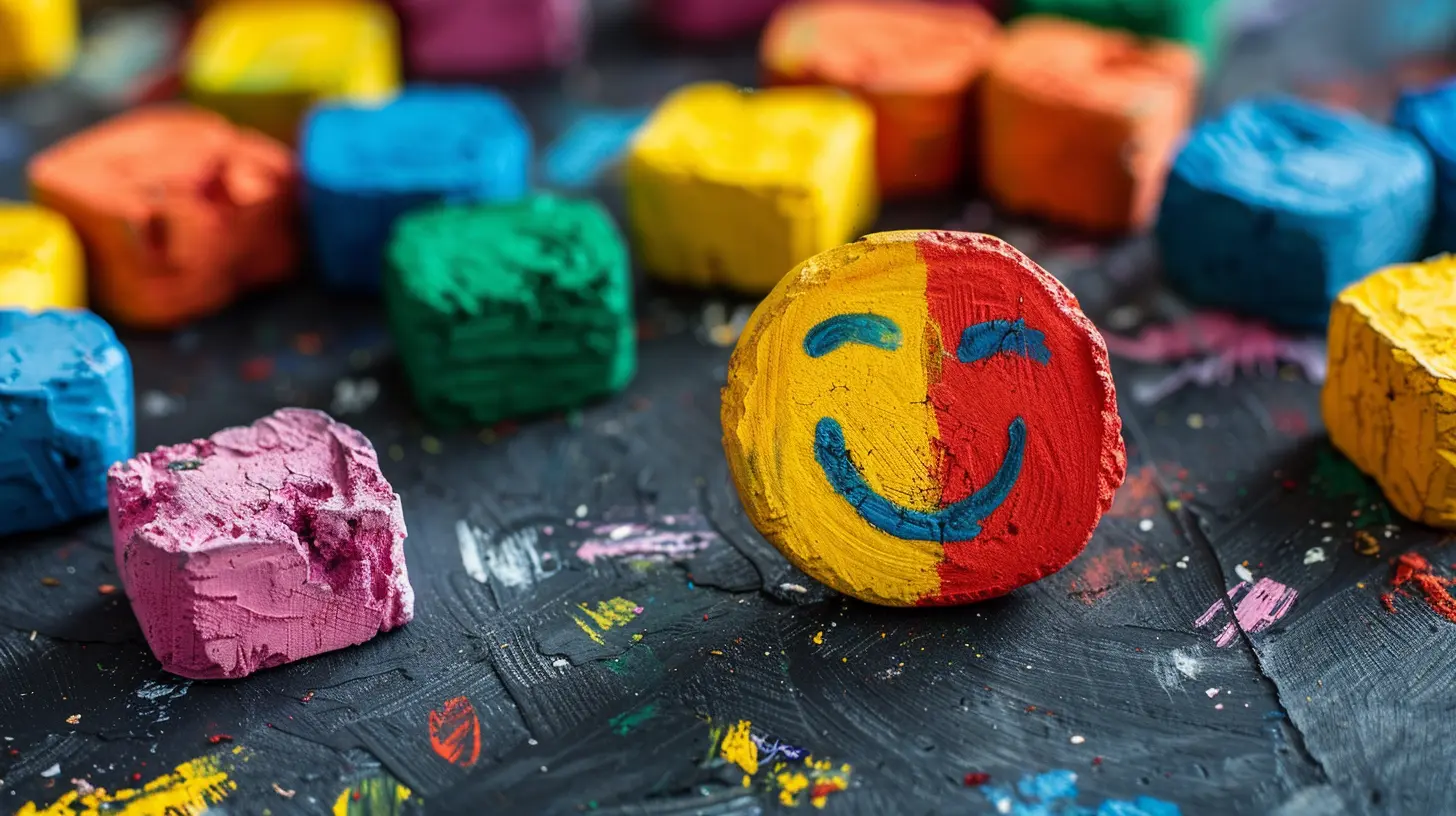
Why Should You Care? (AKA Mental Health Isn’t Just a Buzzword)
Now, you might be thinking, “Cool story, but what does this have to do with my stress-induced existential dread?”Well, my oversized hoodie-loving, overthinking friend, positive reinforcement has everything to do with mental health. When you're feeling appreciated, supported, and valued, something magical happens—you actually start to feel better. Novel concept, huh?
Here’s the science-y part (but I promise to keep it fun): Positive reinforcement floods your brain with dopamine, aka the feel-good chemical. Think of it like your brain’s way of throwing a party complete with confetti and questionable dance moves every time something nice happens.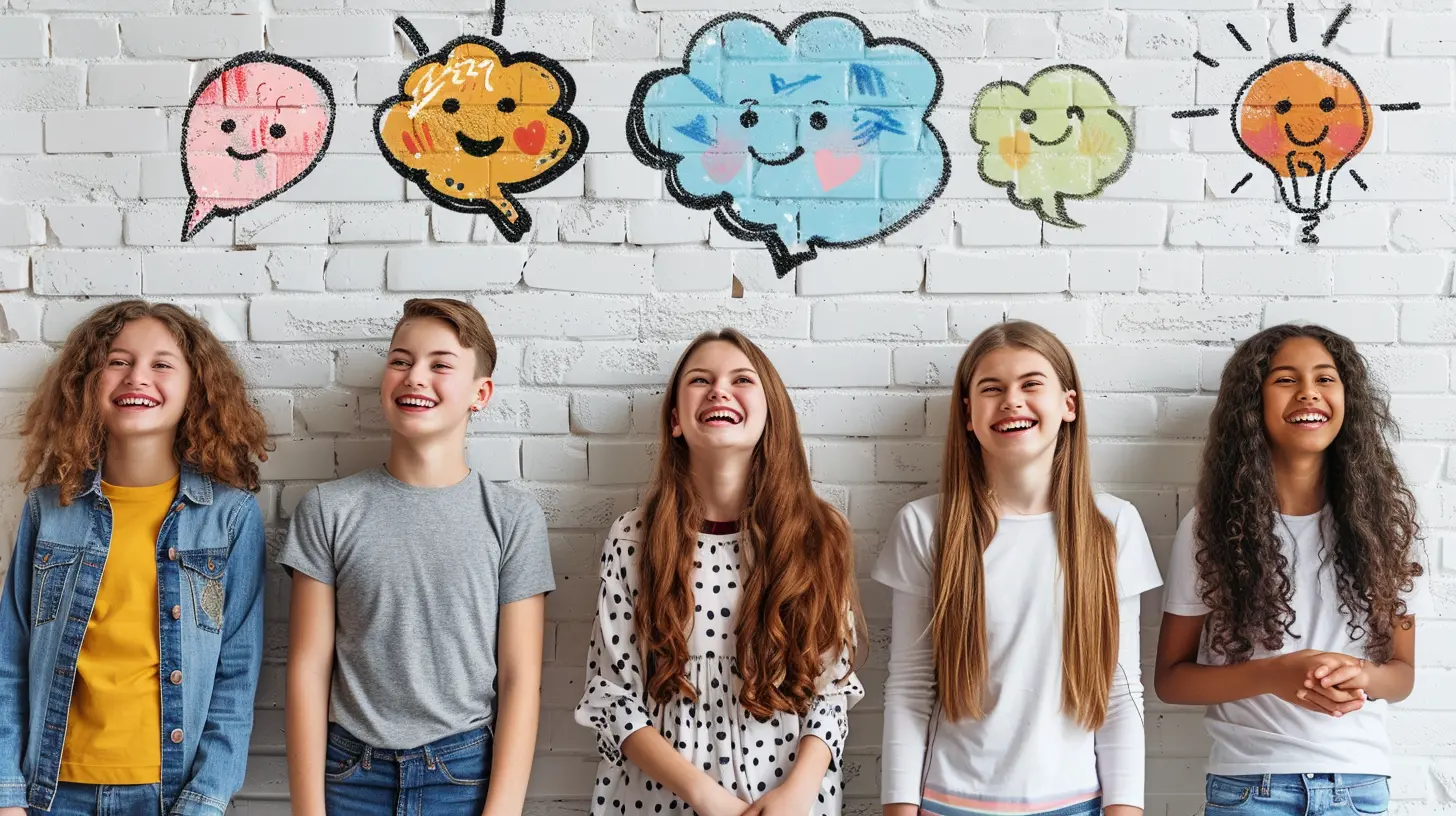
It’s Not Just for Kids and Dogs—Adults Need Love Too
Let’s get one thing straight: positive reinforcement isn’t just a tool for training toddlers not to bite or convincing your dog not to chew your shoes. Nope. Adults? We’re basically just tall kids with bills and emotional baggage.Ever had a boss who only noticed you when you messed up? Yeah, not exactly great for the ol’ self-esteem. Now think about one who actually acknowledged your hard work—maybe even said thank you occasionally. Felt like winning an Oscar, didn’t it?
When adults get recognition, support, or even a simple "good job," the mental health benefits are huge:
- Lower stress levels
- Increased motivation
- Boosted confidence
- Stronger relationships
It’s like emotional multivitamins, but without the weird aftertaste.
How Positive Reinforcement Builds a Mental Health Fortress (Minus the Moat)
Picture this: Your brain is a little kingdom, and mental health is the castle you’re trying to protect. Positive reinforcement? That’s your wall of bricks, each one laid lovingly with motivation, praise, and kindness.Here’s how it strengthens our inner stronghold:
1. It Reduces Anxiety (No Xanax Required)
When people know they’re appreciated and that their efforts are seen, anxiety levels take a nosedive. Why? Because expectations feel clear, the fear of failure fades a bit, and that constant “Am I good enough?” loop quiets down.2. It Kicks Depression Where It Hurts
Regular positive feedback helps people refocus on what they’re doing right, not just what's going wrong. That’s a big deal when depression likes to hijack your brain with negativity and gloom.3. It Encourages Healthy Coping Habits
Rewarding positive behaviors—like journaling, meditating, or even just showering (go you!)—helps those actions stick. Over time, these habits become part of your routine, like brushing your teeth or checking your phone unnecessarily every five minutes.Real Talk: What Does Positive Reinforcement Look Like in Real Life?
Okay, okay. We’ve covered the why. Now let’s get into the how. Spoiler alert: It’s not rocket science.✅ At Home
- Compliment a family member for doing chores without being asked (miracles do happen).- Thank your partner for doing the dishes—even if it’s their turn (because appreciation never killed anyone).
- Reward yourself for achieving small goals. Yes, finishing your laundry counts. You deserve a latte.
✅ At Work
- Praise a coworker in a meeting (bonus points if it’s in front of the boss).- Send a thank-you email. Heck, throw in a GIF. Make it fun.
- Give credit where it’s due—sharing success is the new black.
✅ With Yourself
- Start a positivity journal. Write down three things you did well each day. Even if one of them is “didn’t scream at the printer.”- Use visual reminders like sticky notes or phone alarms with affirmations. It's cheesy. It works.
- Reward progress, not just results. Ran for five minutes? High five. Didn’t cry during that Zoom meeting? Double high five.
But Wait—Can Positive Reinforcement Go Wrong?
Oh, you bet it can. Let’s not pretend like anything involving human emotions is foolproof.Here's what not to do:
- Overdo the praise – It becomes meaningless if you’re acting like Oprah every time someone breathes.- Be fake – People can smell inauthenticity from a mile away. Keep it real.
- Use rewards to manipulate – This isn’t a villain origin story. Don’t turn compliments into emotional bribes.
It’s about sincerity, consistency, and good ol' fashioned empathy. No need to be a motivational speaker. Just don’t be a robot.
The Ripple Effect: Positivity is Contagious (In a Good Way)
Here’s the wild part: amazing things happen when you start using positive reinforcement regularly. It spreads. No hazmat suit required.You praise someone → they feel good → they praise someone else → the world becomes 0.00001% better.
Kindness creates a chain reaction. And let’s be honest—we could all use a bit more kindness and a bit less “doomscrolling til 2AM” energy in our lives.
So whether you’re a teacher hyping up your students, a manager cheering on your team, or a human being just trying to not emotionally combust every Tuesday—your words and actions have power. Use them wisely.
Quick Recap: Because Let’s Face It, Your Brain is Tired
Let’s boil this down to the essentials:- Positive reinforcement = rewarding good behavior to encourage more of it.
- It’s basically dopamine on-demand.
- It works on kids, dogs, coworkers, and, yes, even you.
- It boosts mental health by reducing stress, anxiety, and sadness.
- Start small. Stay consistent. Don’t fake it.
- Being encouraging isn’t weak. It’s actually boss-level emotional intelligence.
Final Thought: Be the Hype Squad You Never Had
We all need that one friend who hypes us up when we’re three steps away from a breakdown. So why not be that person—for others and for yourself?Because at the end of the day, we’re all walking around with invisible “Please Validate Me” signs on our foreheads. Positive reinforcement is your way of saying, “Hey, I see you. And you’re doing better than you think.”
So go ahead. Throw metaphorical confetti. Be someone’s cheerleader. You might just save a life—or at least make Monday suck a little less.
all images in this post were generated using AI tools
Category:
Mental Health In SchoolsAuthor:

Madeleine Newton