The Power of Positive Language in Early Childhood Education
12 February 2026
Have you ever noticed how kids light up when you say something encouraging? It’s like flipping on a switch—they feel seen, understood, and supported. That’s exactly the magic we’re going to dive into today: the power of positive language in early childhood education. This isn’t just about being nice or sugar-coating everything. It’s about using words to build confidence, boost learning, and shape how children see themselves and the world. Pretty cool, right?
So grab a cup of coffee (or your sixth if you're a teacher—we see you!), and let’s chat about how powerful our words really are when it comes to the littlest learners.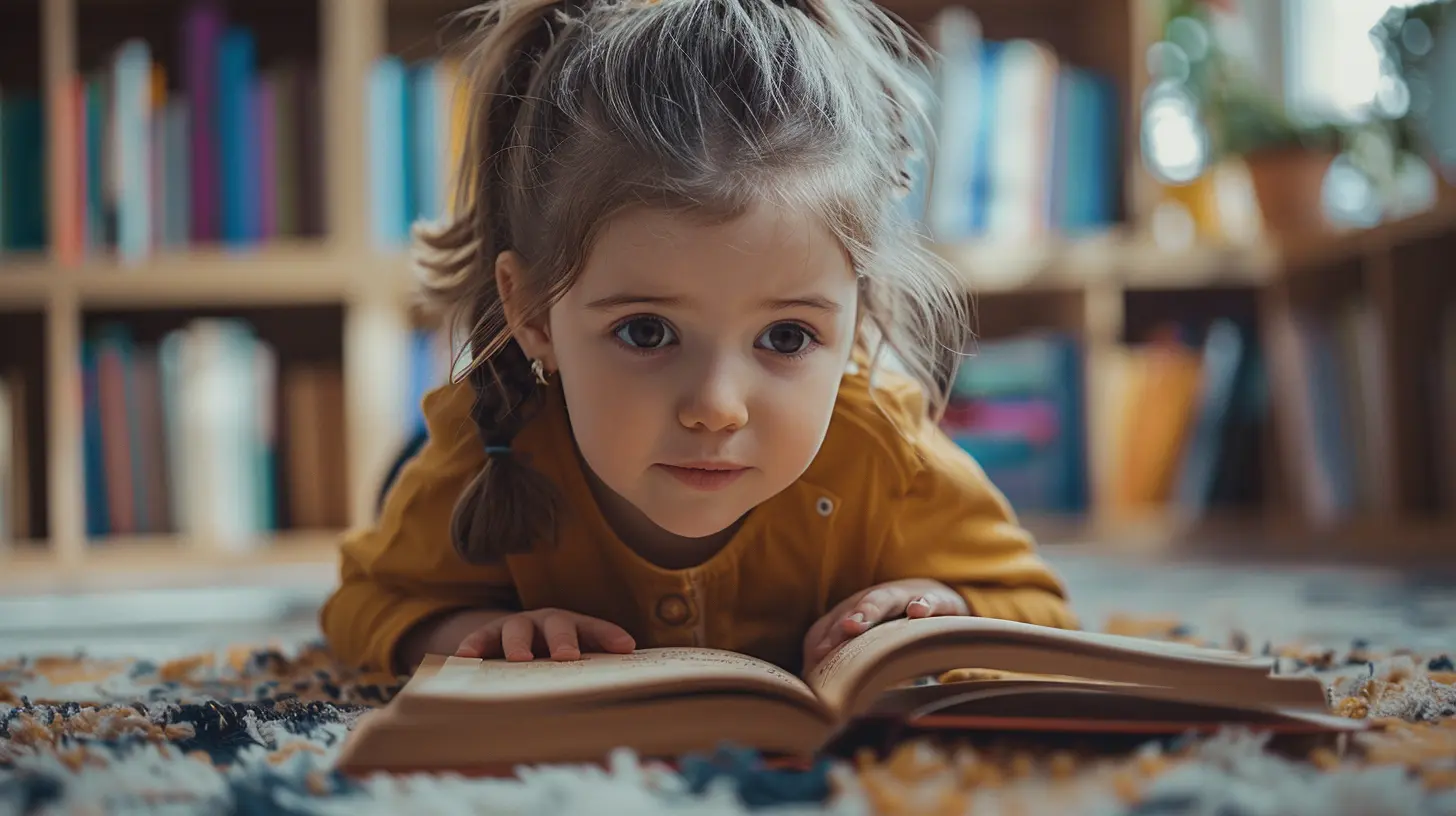
Why Language Matters So Much in Early Childhood
Kids are like sponges—they absorb everything. Words, emotions, attitudes… it all sinks in and sticks with them. At this stage, language isn't just a tool for communication; it's a building block for learning, social interaction, and self-esteem.Think about it: if a child hears, “You’re so smart,” often enough, they’ll start to believe it. But if they constantly hear, “Why can’t you do this like the others?” it chips away at their confidence. It’s like planting a seed. Positive words? They’re sunshine and water. Negative words? Not so much.
What Is Positive Language, Anyway?
Positive language is all about how we frame things. It’s choosing to guide rather than scold, to encourage rather than discourage. It’s not fake praise or empty flattery—it’s real, meaningful communication that uplifts and motivates.Let’s break it down with a few everyday examples:
- Instead of saying “Don’t run!” try “Let’s walk inside so we stay safe.”
- Replace “Stop yelling!” with “Use your calm voice, please.”
- Swap “You’re so messy” with “Let’s try to keep our space tidy together.”
Simple differences, right? But they can change the entire vibe of a classroom or a home.
The Science Behind It
Alright, don’t worry—we’re not going full science class here. But a quick dive into brain science shows us why positive language works.Positive interactions trigger the release of feel-good chemicals like dopamine and oxytocin in the brain. These chemicals help kids feel secure, loved, and open to learning. On the flip side, harsh or negative communication can activate stress responses and actually hinder brain development.
In other words, kindness rewires the brain for success. How amazing is that?
Benefits of Positive Language in Early Childhood Education
Let’s dig into the good stuff—the why behind embracing this approach. Spoiler alert: the benefits are HUGE.1. Builds Confidence and Self-Esteem
Children are still figuring out who they are. When they hear positive reinforcement, they start to believe in their abilities.Imagine this: A child struggles with a puzzle, and instead of saying, “That’s not right,” the teacher says, “You’re working so hard on that piece—I love your persistence!” That kid walks away feeling proud, not defeated.
2. Encourages Better Behavior
Contrary to popular belief, kids want to do the right thing. Positive language helps them understand what the right thing is without making them feel bad.Instead of focusing on what not to do, you guide them toward what they should do. It’s like giving them a map instead of yelling at them for being lost.
3. Strengthens Teacher-Child Relationships
Kids respond better to adults they trust and feel safe with. When teachers use kind, respectful, and encouraging words, they build strong bonds that make kids feel secure and valued.Strong relationships = better learning outcomes. Simple math.
4. Promotes Emotional Regulation
Labeling and acknowledging emotions through language helps young children understand what they’re feeling—and how to manage those big feelings.Saying, “I see you’re frustrated. That’s okay. Let’s take a deep breath together,” teaches emotional intelligence way more effectively than, “Calm down!”
5. Boosts Academic Engagement
When kids feel safe, supported, and encouraged, they’re more likely to take risks, ask questions, and engage with the material. Positive language turns the classroom into a space of exploration instead of fear.Think of it like planting a garden: the more love and care you give, the more those little minds will bloom.
Tips for Using Positive Language Every Day
Alright, let’s talk about the how. It’s one thing to know the benefits, but how do we actually use positive language with little ones?Reframe the “No’s” and “Don’ts”
We’re not saying you can’t set limits (you absolutely should!), but rephrasing commands makes a big difference.- Instead of “No hitting,” say “Gentle hands, please.”
- Rather than “Don’t spill,” try “Hold the cup carefully with two hands.”
It’s about telling them what to do instead of just what not to do.
Praise Effort, Not Just Outcome
“You’re so smart” is nice, but it can create pressure. Try focusing on the effort:- “You worked really hard on that drawing!”
- “I noticed how you kept trying even when it was tricky.”
This builds a growth mindset—where kids believe they can improve with practice.
Use Empathy and Encouragement
Get down on their level, look them in the eye, and really connect.- “I understand that you’re upset. Let’s figure it out together.”
- “I know sharing is hard. You’re doing your best.”
Validation + support = emotional safety.
Be Specific in Your Praise
Generic “good job!”s are fine, but specific praise has more impact.- “You lined up your blocks in such a straight row—that’s great attention to detail!”
- “Thanks for cleaning up so quickly—you’re being super helpful!”
See the difference?
Real-Life Examples from the Classroom
Let’s take a peek into a day in the life of a preschool teacher using positive language.🧒 A child spills paint during art time.
Old way: “You’re so messy! Pay attention next time!”
Positive language: “Oops! Accidents happen. Let’s clean it up together. Next time, we’ll keep the brush over the tray.”
🧒 Another child refuses to share a toy.
Old way: “Stop being selfish!”
Positive language: “It’s hard to share sometimes, isn’t it? Let’s set a timer so both of you get a turn.”
🧒 A child is nervous during circle time.
Old way: “Don’t be shy.”
Positive language: “It’s okay to feel nervous. You’re safe here. Would you like to sit beside me today?”
These aren’t just “nicer” phrases—they're more effective, more compassionate, and way more impactful.
What About Parents? Can They Use Positive Language Too?
Absolutely, 100% yes!In fact, the magic of positive language works even better when it’s reinforced at home. Parents can use the same tips: encourage effort, frame redirection positively, and use empathy.
Even simple changes like saying “Thank you for putting your shoes on so quickly!” instead of “Why are you always so slow?” can shift the entire tone of the morning routine.
Challenges (and How to Overcome Them)
We won’t pretend it’s always easy. When you’re teaching a classroom full of energetic preschoolers or juggling home life with toddlers, staying calm and positive can feel like climbing a mountain in flip-flops.But here’s the good news—you don’t have to be perfect. Positive language is a practice. The more you do it, the more natural it becomes.
💡 Quick Tips:
- Pause before responding. Take a breath.
- Keep a few go-to phrases in your pocket.
- Celebrate wins, even small ones (“I stayed calm during cleanup today—go me!”)
And if you slip up? That’s okay. You’re human. Kids learn a lot from watching us handle mistakes with grace.
Final Thoughts: Words Matter More Than We Think
At the end of the day, using positive language with young children is more than just “being nice.” It’s shaping hearts and minds. It’s planting seeds of confidence, compassion, and curiosity.So whether you're a teacher, a parent, a caregiver, or just someone who loves kids—remember that your words carry power. Use them to lift up, guide, and inspire. You never know how your kind words today might brighten a child’s whole future.
all images in this post were generated using AI tools
Category:
Early Childhood EducationAuthor:

Madeleine Newton
Discussion
rate this article
2 comments
Zanthe McQuiston
Great insights! Emphasizing positive language in early childhood education fosters a nurturing environment that supports children's emotional and cognitive development. Thank you for sharing!
February 21, 2026 at 5:46 AM
Madeleine Newton
Thank you for your thoughtful comment! I’m glad you found the insights valuable. Positive language truly makes a difference in fostering a nurturing environment for children.
Delia McFarlin
This article astutely highlights how positive language shapes young minds, fostering self-esteem and resilience. However, it would benefit from exploring potential cultural nuances that influence language perception and its effects on diverse learners.
February 15, 2026 at 5:47 AM
Madeleine Newton
Thank you for your insightful feedback! I appreciate your suggestion to explore cultural nuances, and I will consider it for future discussions on this important topic.