The Intersection of Media Literacy and Digital Citizenship
10 December 2025
Let’s be honest for a minute—navigating the internet today feels a lot like trying to find your way through a massive digital jungle. Tweets fly at lightning speed, fake headlines scream for our attention, and memes carry more political weight than some politicians. In the middle of all this noise, two things stand out as our guiding stars: media literacy and digital citizenship.
Now, you might be thinking, “Aren’t those just buzzwords teachers throw around?” Nope. They go way deeper than that, and believe it or not, they shape how we behave online, what content we trust, and how we interact with others in our interconnected world.
What Is Media Literacy, Really?
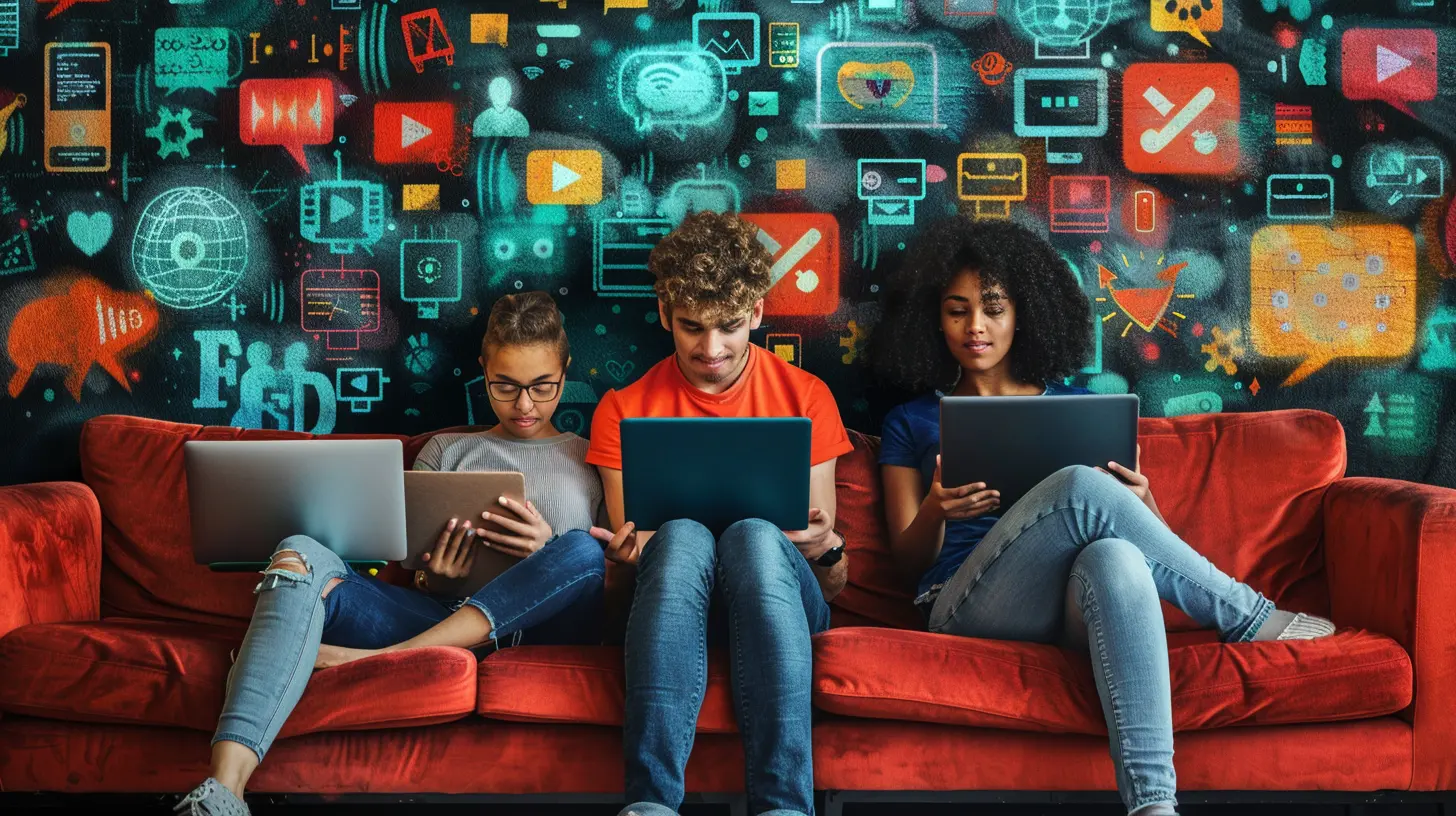
Let’s break this down. Media literacy isn’t just about reading the news or knowing how to use a smartphone. It’s the ability to access, analyze, evaluate, and create media messages in all forms.Media isn’t just newspapers or TV anymore—it’s YouTube, TikTok, Instagram stories, blog articles (like this one), and even that three-second ad before your Spotify playlist. Media literacy means understanding:
- Who created the message?
- What’s the purpose behind it?
- Who’s the target audience?
- What techniques are used to attract attention?
- What’s missing from the message?
So, when you're scrolling through Instagram and see a photo of someone living their "perfect" life, media literacy helps you realize that the lighting, filters, and editing may be hiding a very different reality.
Then, What’s Digital Citizenship All About?
Let's switch gears. Digital citizenship is all about how you show up in the digital world. Think of it as your online personality or reputation. Just like you'd want to be a good neighbor in real life, digital citizenship is about being a respectful, responsible, and ethical member of the online community.It covers all the good stuff like:
- Online etiquette (aka not being a jerk in the comments)
- Understanding privacy and security
- Knowing your rights and responsibilities online
- Avoiding cyberbullying and calling it out when you see it
- Sharing content responsibly (spoiler alert: not everything has to be reposted)
In short, digital citizenship is digital behavior 101.
Where Media Literacy and Digital Citizenship Collide
Here's where things get juicy—the real magic happens when media literacy and digital citizenship come together. Separately, they each help us survive online. But together? They're like Batman and Robin for the digital age.Why? Because people who are media literate and practice good digital citizenship:
- Think critically about the content they consume and share
- Recognize and resist manipulation and propaganda
- Treat others with respect online
- Protect their digital footprint
- Contribute to positive online spaces
So, the next time you see a viral tweet, your media literacy skills help you figure out if it’s trustworthy, and your digital citizenship tells you whether it’s cool to repost it—or better left alone.
Why This Matters More Than Ever
Let’s talk 2024. The internet isn’t just a side dish anymore—it’s the main course. Between online classes, remote jobs, telehealth, and social platforms, we’re living in a 24/7 digital world.Unfortunately, our digital spaces are also packed with:
- Misinformation
- Trolls and online harassment
- Deep fakes and AI-generated content
- Hacked accounts and data breaches
If we don’t know how to read between the lines (media literacy) or act responsibly (digital citizenship), we become part of the problem instead of the solution.
Think about it—how many times have you seen your uncle share a clearly fake news article on Facebook? Or a friend unknowingly repost a scam giveaway on Instagram? These things don’t just “happen.” They’re symptoms of a lack of digital awareness.
The Youth Are the Digital Natives, But…
It’s easy to assume that young people have it all figured out—they were basically born with iPads in their hands, right? But digital fluency doesn't automatically mean media literacy or good digital etiquette.Being able to Snapchat with your eyes closed is cool, but it won’t help you detect a fake news story or understand why sharing someone’s private screenshots without consent is wrong.
That’s why schools, parents, and communities need to invest in teaching both. You can’t have one without the other.
Practical Ways To Build Media Literacy and Digital Citizenship Together
Alright, it’s one thing to talk about all this. But how do we actually do it?1. Start Conversations Early
Kids are on YouTube before they can spell “algorithm,” so why wait until high school to talk about media influence?Use everyday examples:
- Ask: Why do you think that ad popped up?
- Talk about influencers: Are they giving honest reviews or getting paid?
- Watch news together and point out bias or missing perspectives
2. Teach the “Pause Before You Post” Rule
This one’s golden. Before hitting "share" on that juicy headline or funny meme, ask:- Is it true?
- Is it kind?
- Is it necessary?
Think of it as the digital version of checking your teeth before smiling in a selfie—pause and double-check before putting it out there.
3. Promote Privacy Awareness
Not everything is meant for public consumption. Teach kids (and adults) how to:- Use privacy settings
- Spot phishing attempts
- Keep passwords strong and personal info safe
Privacy is like your toothbrush—don’t share it with anyone.
4. Encourage Content Creation
Nothing boosts media literacy like being on the other side of the screen. Encourage students to:- Start blogs
- Make videos
- Design infographics
When you create content, you begin to understand how messaging, tone, and visuals affect your audience. It’s a game-changer in developing critical thinking.
5. Practice Digital Empathy
Behind every avatar is a real human being. Emphasize empathy online:- Avoid piling on in comment sections
- Don’t screenshot and shame
- Offer support instead of sarcasm
Let’s turn the internet into a place where kindness trends more than cancel culture.
The Role of Educators and Parents
Here’s the truth bomb—kids aren’t going to magically pick up these skills just by watching TikToks. Adults need to get in the game.Teachers
- Integrate media analysis into subjects like history, science, and English.- Use real-world examples—break down viral tweets or news stories.
- Don’t treat tech as a side subject; make it part of the curriculum.
Parents
- Be role models—don’t share sketchy headlines or passive-aggressive posts.- Talk about your own mistakes and what you’ve learned.
- Make screen time meaningful, not just mindless.
What Happens If We Ignore This?
Let's not sugarcoat it. Ignoring media literacy and digital citizenship is like handing someone car keys without explaining the brakes.We get:
- A misinformed public
- Harmful digital behavior
- Increased online bullying
- Dangerous echo chambers
- Youth who feel lost in a sea of digital content with no compass to guide them
This isn’t just an education issue—it’s a societal one. It affects democracy, public health, personal relationships, and mental well-being.
Looking Ahead: Media Literacy + Digital Citizenship = Power
Imagine this—a generation of students who can think critically about what they see online, engage respectfully with others, and make smart digital choices.That's power. That’s how we shift the internet from being a minefield of misinformation into a goldmine of opportunity.
Let’s make sure we’re raising not just digital natives—but informed, ethical, and empowered digital citizens.
Final Thoughts
In today’s ever-connected world, knowing how to scroll isn’t a superpower. But knowing how to scroll smartly, critically, and kindly? That’s where the real strength lies.So next time you’re online, remember: media literacy helps you understand what you’re seeing, and digital citizenship guides how you react to it. Together, they’re the ultimate toolkit for surviving—and thriving—in the digital age.
all images in this post were generated using AI tools
Category:
Media LiteracyAuthor:

Madeleine Newton
Discussion
rate this article
2 comments
Allegra McDonald
Great article! It’s inspiring to see how media literacy and digital citizenship can empower us all. Let’s navigate the digital world with curiosity and responsibility, and turn online challenges into opportunities for learning and growth!
December 24, 2025 at 3:50 AM
Madeleine Newton
Thank you for your thoughtful comment! I’m glad you found the article inspiring. Embracing media literacy and digital citizenship truly empowers us all.
Pamela McGrady
Empowering minds for a better digital future.
December 16, 2025 at 3:19 AM
Madeleine Newton
Thank you! Empowering minds is crucial for fostering informed digital citizens who can navigate and shape a positive digital landscape.