The Importance of Research Transparency in Education
2 April 2026
Let’s be real for a second—education isn’t just about textbooks and test scores anymore. It’s about trust, integrity, and the ability to question everything. If you’ve ever thought about how research shapes what we learn, how we teach, and even how policies are made in schools and universities—you’re on the right track. But here's the kicker: none of this works if the research behind it isn’t transparent.
So buckle up, because we’re diving into why transparency in educational research isn’t just “nice to have”—it’s absolutely essential.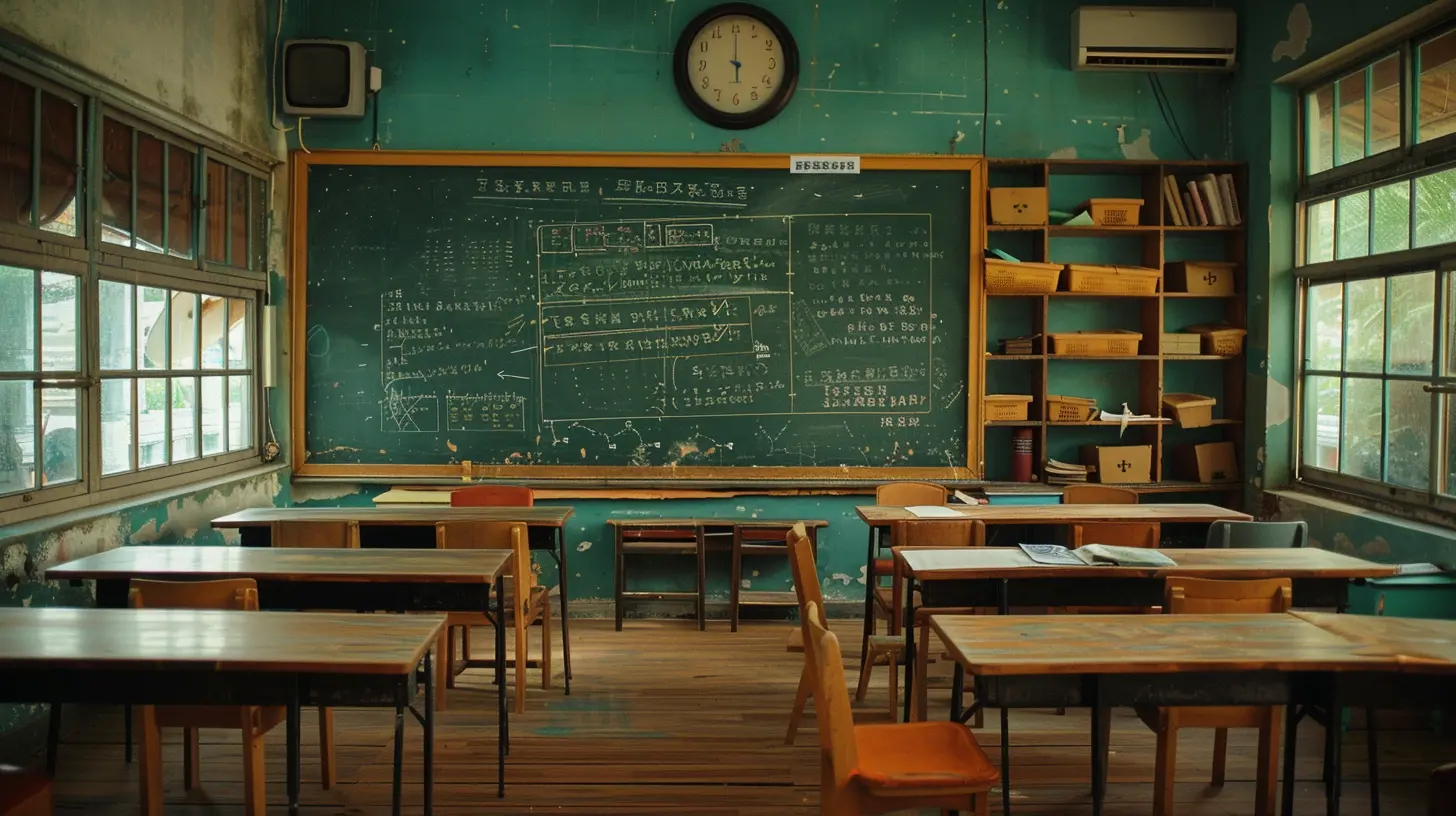
What Is Research Transparency, Anyway?
You might be wondering, “Okay, but what exactly does research transparency mean?” Good question.In simplest terms, research transparency means being open and honest about how a study is designed, how data is collected, how results are interpreted, and how conclusions are drawn. It’s like peeling back the curtain so others can see exactly how the magic trick works—except in this case, the “trick” is legitimate data-driven research that could change the education system as we know it.
We're talking full disclosure:
- What methods were used?
- What data was included—or excluded?
- Are there any conflicts of interest?
- Can other researchers reproduce the results?
Without transparency, it’s all smoke and mirrors.
Why Does Transparency Matter in Education?
1. Builds Trust in the Research Process
Let’s face it—people are skeptical these days. Whether it’s politics, media, or even science, trust is hard to come by. In the world of education, where research directly influences policy, classroom practices, and funding, transparency becomes the backbone of trust.When researchers clearly outline what they did and how they did it, stakeholders—including teachers, parents, and policymakers—can feel confident that the findings are legit. No shady data manipulation. No hidden agendas. Just good old-fashioned honest work.
2. Helps Fight Misinformation
We live in a digital age where misinformation spreads faster than wildfire. Ever seen a viral post claiming some "new study" proves kids learn best at 2 a.m.? Yeah, not so much.Without transparent research, it’s easy for half-truths and pseudoscience to take center stage. Clear, transparent research helps set the record straight—and lets people separate fact from fiction with confidence.
3. Encourages Collaboration and Innovation
You know what’s cooler than one smart researcher crunching numbers in isolation? A whole community of researchers bouncing ideas off each other, correcting each other’s flaws, and building on each other’s work.Transparency makes that possible.
When data, methods, and findings are openly shared, researchers can replicate studies, test new theories, or apply the results in other educational settings. It’s how innovation in education gets a serious boost.
The Cost of Keeping Things in the Dark
Let’s put things into perspective.When research isn’t transparent, it’s not just a “bad practice.” It’s a serious problem. It can:
- Lead to flawed policies.
- Misguide teachers and students.
- Waste resources.
- Erode public trust.
Imagine investing millions into a new teaching method based on a study that no one can replicate—or worse, one that fudged data to look successful. That’s not just poor practice, it’s dangerous.
Case Studies: When Transparency (or the Lack of It) Made Headlines
The “Reproducibility Crisis”
Ever heard of the reproducibility crisis? It hit the scientific world like a ton of bricks. A large portion of published studies, even in top-tier journals, couldn’t be replicated. Education research wasn’t immune.This crisis sparked a massive conversation about the need for open data, pre-registration of study protocols, and peer reviews that scrutinize methodology, not just results. And honestly, it was a wake-up call for educational researchers.
Data Scandals in School Systems
There have been instances when standardized test scores were manipulated to make schools look better on paper. When such scandals came to light, people were furious—and rightfully so. What’s worse, the original research that influenced educational decisions was often inaccessible or lacked transparency, making it hard to verify anything.Transparency Isn’t Just for Researchers—It Impacts Everyone
You might think, “I’m not a researcher. Why should I care?” Here's why.- If you’re a teacher, transparent research tells you which methods actually work in the classroom.
- If you’re a student, it ensures you're not being thrown into the deep end with unproven learning strategies.
- If you’re a parent, it gives you peace of mind that decisions about your child’s education are evidence-based.
- If you’re a policy maker, it means the programs you fund or support aren’t based on fluff.
Transparency bridges the gap between knowledge and action. Without it, everyone’s flying blind.
How Can We Improve Research Transparency in Education?
1. Open Access Publishing
Let’s kill the paywall monster. For real. Too much valuable research is locked behind expensive journal subscriptions. Open access means everyone—from teachers in rural areas to busy parents—can access the info without selling a kidney.2. Pre-Registration of Studies
Researchers can commit to their study method and hypothesis before collecting data. That way, they can’t “edit” the story halfway through to get the result they want. It keeps everyone honest.3. Reproducibility as a Standard
Publishing raw data and detailed methodologies allows others to replicate the study. If a finding can’t be replicated, it probably shouldn’t be used to reshape the curriculum.4. Transparent Funding
Ever read a study funded by a company pushing its own software? Yeah, about that… Knowing who’s funding the research helps identify potential biases. It doesn’t automatically make the research invalid, but transparency helps people judge it fairly.5. Peer Review That’s Actually Helpful
Instead of rubber-stamping whatever comes in, peer reviews should focus on how the research was conducted, not just whether the results are “exciting.” Boring but trustworthy > flashy and false.The Role of Technology in Promoting Transparency
Good news—technology isn’t just for TikTok dances and streaming Netflix. It’s actually helping research become more transparent.- Digital Repositories like OSF (Open Science Framework) allow researchers to upload datasets, protocols, and even raw results.
- AI Tools can detect irregularities in data or help verify whether results are statistically sound.
- Blockchain (yes, blockchain!) can create tamper-proof records of research contributions and changes.
Technology is basically the accountability partner researchers never knew they needed.
What Can YOU Do About It?
You don’t need a PhD to care about research transparency. Here’s how you can play a part:- Ask questions. If you read a study or see a stat, don’t be afraid to dig into the source.
- Support open-access platforms.
- Encourage schools and institutions to prioritize evidence-based practices.
- If you’re in education, share your data and research openly whenever possible.
Remember, change starts with curiosity—and a little bit of outrage doesn’t hurt either.
Closing Thoughts: No More Secrets, Just Solid Science
Let’s stop pretending education isn’t political, emotional, and sometimes downright messy. But amidst all that, the one thing that should never be up for debate is how we conduct and share research.Transparency isn’t a buzzword. It’s a promise—a commitment to truth, integrity, and progress. And if we want to build better classrooms, stronger institutions, and smarter future generations, then transparency has to be front and center.
Because education matters. And so does the truth that powers it.
all images in this post were generated using AI tools
Category:
Educational ResearchAuthor:

Madeleine Newton
Discussion
rate this article
2 comments
Raven Hodge
Research transparency in education is crucial for fostering trust and credibility. By openly sharing methodologies, data, and findings, educators and researchers can enhance collaboration and improve teaching practices. When transparency is prioritized, it not only enriches academic discourse but also empowers stakeholders to make informed decisions for better student outcomes.
April 3, 2026 at 4:37 AM
Madeleine Newton
Thank you for highlighting the importance of research transparency! I completely agree that open sharing enhances collaboration and ultimately leads to improved educational practices and outcomes. Your insights underscore the necessity of trust in the research community.
Daphne Sanders
Thank you for shedding light on this vital topic. Promoting research transparency is essential for fostering trust and improving educational practices. Your insights will undoubtedly inspire meaningful discussions in our community.
April 2, 2026 at 11:13 AM
Madeleine Newton
Thank you for your thoughtful response! I'm glad to hear you found the insights valuable. Promoting transparency truly is key to enhancing trust and practice in education.