The Importance of Peer Support in School Mental Health Programs
16 July 2026
Let’s be real for a second. School can sometimes feel like a chaotic mix of pop quizzes, group projects with that one kid who “forgets” every deadline, social landmines in the cafeteria, and the unrelenting pressure to fit into a mold that was clearly made for someone else. Amid this daily high-wire act, mental health can easily slip down the priority list.
But wait—what if the solution isn’t just in more counselors or mindfulness sessions (though those are awesome too)? What if part of the magic sauce lies in something a little more relatable, a little more... human?
Yep, we’re talking about peer support.
Now, before you roll your eyes and imagine a bunch of teens sitting cross-legged in a circle, chanting "we got your back," let’s unpack this in a way that doesn’t make you want to hit snooze faster than your 6 AM alarm.
What Is Peer Support Anyway?
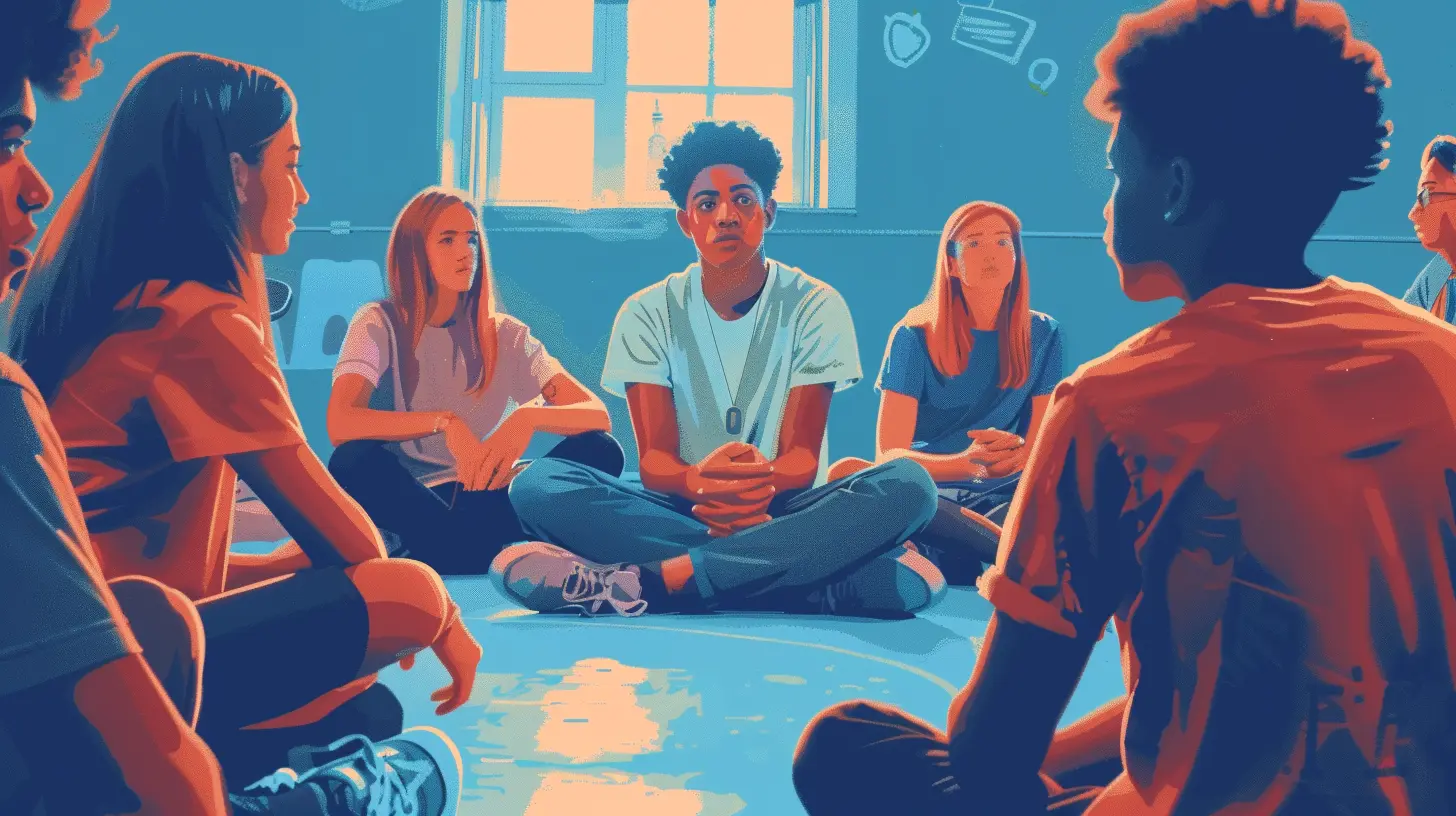
Imagine you're hiking (or, let’s be honest, trying to survive gym class), and you trip. Instead of a teacher rushing over, it's your best friend who stretches out a hand, helps you up, and says something like, “Told you those shoes were a bad idea.”That’s peer support in a nutshell—students helping students. It’s not therapy. It’s not a substitute for professional help. But it’s a game-changer when it comes to feeling understood, seen, and heard—something that shiny school posters on the wall just can't deliver.

Why Peer Support Isn’t Just a Fluffy Add-On
You might be thinking, “Okay, cool story, but is this actually effective?” Oh, absolutely. Here’s the thing: peer support fills a gap that even the best-trained adults can’t always reach. Why?Because there's no substitute for knowing that someone else gets it. They've been there. They’ve felt the social anxiety, the pressure to get straight A's, and the panic when the Wi-Fi crashes 2 minutes before submitting an assignment. When someone who walks the same halls as you says, “Yeah, same here,” it hits different.
Plus, let’s face it—students are way more likely to open up to each other than to the school counselor they’ve only met once during orientation.
The Mental Health Crisis: A Quick Reality Check
Let’s not sugarcoat it: mental health among students isn’t in a great place. According to pretty much every study ever, rates of anxiety, depression, and stress are soaring among young people. Soaring—like, "we-need-an-inflight-snack" kind of soaring.And while teachers and counselors are doing their best, they’re also stretched thinner than a cafeteria grilled cheese. The result? Many students are struggling in silence, feeling like they're the only one drowning in a sea of homework, hormones, and Hot Cheetos.
That’s where peer support programs swoop in like a team of emotional Avengers. They normalize talking about feelings, create safe spaces, and help break down the walls of stigma, all without wearing capes (though we wouldn’t say no to capes).
Peer Support in Action: How It Works
Alright, so what does this magical mental-health-buddy system actually look like?1. Peer Mentorship Programs
Think of peer mentors as the upperclassmen who’ve already survived the awkward vortex of freshman year and are now ready to guide the next batch of newbies—minus the hazing and with a lot more compassion.They offer advice, lend an ear, and act like a big sibling who actually wants to hang out with you. Wild concept, right?
2. Peer Counseling
This is where students are trained (yes, trained—don’t worry, it's not just advice from someone who once watched one TED Talk) to support their peers through active listening, empathy, and problem-solving. They're not offering diagnoses or treatment plans. They're offering a safe harbor in a stormy sea.3. Support Groups
Ever heard the phrase “misery loves company”? Well, it turns out, so does healing. Peer-led support groups allow students to feel less isolated. Sharing experiences—whether about academic burnout, family issues, or just feeling bleh—builds community and connection.4. Student-Led Mental Health Clubs
Mental health meets the school club scene. These clubs raise awareness, run wellness campaigns, and give students a platform to share their stories. Plus, there's usually snacks. Mental health + cookies = a win in any book.The Magic Ingredients of Peer Support
So why is peer support so darn effective? Let’s break it down like a bad TikTok dance challenge:- Relatability: Students speak the same language (yes, even if it’s full of Gen Z slang that makes adults furrow their brows).
- Trust: It’s often easier to trust someone who’s not grading your essays or calling your parents.
- Accessibility: Peer supporters are everywhere—in classrooms, hallways, group chats, and possibly your group project (if someone ever answers your texts).
- Empowerment: Helping others also boosts the mental health of the helper. It’s a beautiful two-way street.
Challenges? Yeah, There Are a Few
Okay, let’s not pretend peer support is all sunshine and perfectly coordinated school spirit shirts. There are definitely challenges.- Training: You can’t just toss a sash on a student and call them a peer mentor. Proper training is essential to make sure they know how to help without taking on too much emotional weight themselves.
- Boundaries: Students need to know when to listen and when to refer someone to a professional.
- Diversity & Inclusion: A peer support program that only includes the popular kids or one-click doesn’t help the broader school community. Representation matters.
- Stigma: Yep, it still lurks. Some students might worry that joining a peer support group makes them look “weak” (ugh, society, do better).
But the good news? These issues aren't deal-breakers. They're just reminders that schools need to approach peer support like they would any other important program—with planning, care, and maybe a few donuts to keep morale high.
Real Talk: The Students Speak
Let’s hear it from the front lines—students themselves. When asked about peer support:- “I was scared to go to the counselor. Talking to someone my age made me realize I wasn’t crazy—I was human.”
- “Being a peer mentor gave me purpose. I used to feel invisible in school. Now, I matter.”
- “Honestly, I joined the mental health club for the snacks, but stayed for the friendships.”
It doesn’t get more real than that.
So, How Can Schools Do It Right?
Alright, dear educators, admins, and anyone else with a say in school budgets—this is your moment. Here’s how to launch peer support like a pro:Step 1: Get Buy-In
You need students, staff, and parents on board. Host info sessions. Pass out fliers. Bribe people with pizza. Whatever it takes.Step 2: Provide Quality Training
No DIY psychology here. Partner with mental health professionals to train peer leaders properly. Include topics like active listening, confidentiality, and referral protocols.Step 3: Create Safe Spaces
Designate chill zones on campus where students can talk without feeling like they’re under a microscope. Bonus points for bean bags and soft lighting.Step 4: Normalize the Conversation
Mental health shouldn’t be talked about only during crisis mode. Build it into everyday conversations, curriculum, and even school assemblies (yes, those can be cool too, we promise).Step 5: Keep It Going
Peer support isn’t a one-hit wonder. Keep evaluating, evolving, and expanding. Encourage feedback, share success stories, and celebrate the wins—big and small.The Bottom Line? Peer Support Is a Superpower
School might not have a Bat-Signal for mental health emergencies, but it can have students looking out for each other. And in a world where simply asking “Are you okay?” can be the thread that keeps someone from unraveling, that makes peer support not just important—but essential.Because at the end of the day, the most impactful support might not come from a professional in an office—but from a friend across the lunch table, whispering, “Hey, I’ve been there too.
all images in this post were generated using AI tools
Category:
Mental Health In SchoolsAuthor:

Madeleine Newton