The Impact of Multilingualism on Learning: A Research Perspective
28 June 2026
Have you ever wondered what goes on in the brain of someone who speaks more than one language? You might be surprised to find out that being multilingual isn’t just about switching between languages—it’s actually reshaping how we think, learn, and process information. With global migration on the rise, multilingualism is no longer a niche skill; it's quickly becoming the norm, especially in education. And guess what? It’s changing the game in the classroom.
In this article, we're diving into the research-backed effects of multilingualism on learning. We’ll unpack how speaking multiple languages impacts cognitive development, academic performance, and even emotional intelligence. If you're a student, parent, educator, or just a curious mind, stick around—this one's for you.
What Is Multilingualism, Really?
Let’s start with the basics. Multilingualism refers to the ability to use and understand more than one language. It’s not just being fluent in two or more languages—sometimes even limited proficiency counts, depending on the context. People often use the term interchangeably with bilingualism, but multilingualism can involve three, four, or even more languages.There’s more variation here than you'd think. Some folks grow up learning multiple languages at home (simultaneous multilingualism), while others pick up extra languages later in school or adulthood (sequential multilingualism). No two multilinguals are alike—and that diversity makes the research even more fascinating.
Cognitive Benefits: The Brain Gets a Workout
Okay, so what does science say about how multilingualism affects the brain? Turns out—it’s a cognitive goldmine.Boosted Executive Function
Let’s talk mental control. Research shows multilingual individuals often outperform monolinguals in what's known as “executive function”—we’re talking skills like attention control, working memory, problem solving, and task-switching. Why? Well, imagine juggling multiple languages in real time. Every time you decide whether to say “dog,” “chien,” or “perro,” your brain is filtering out irrelevant options. That constant workout strengthens your mental muscles.Better Focus and Attention Span
Multilingual kids and adults alike seem to have better attention spans. In one study, bilingual children were more efficient at ignoring distractions in computer tasks. It’s like their brains are trained to cut out the noise—literally and figuratively.Enhanced Memory
Did you know learning and speaking multiple languages makes your memory sharper? Multilingual people often have better short-term memory and recall. Think of it like this: If your brain were a filing cabinet, multilingualism adds extra drawers and makes finding files faster.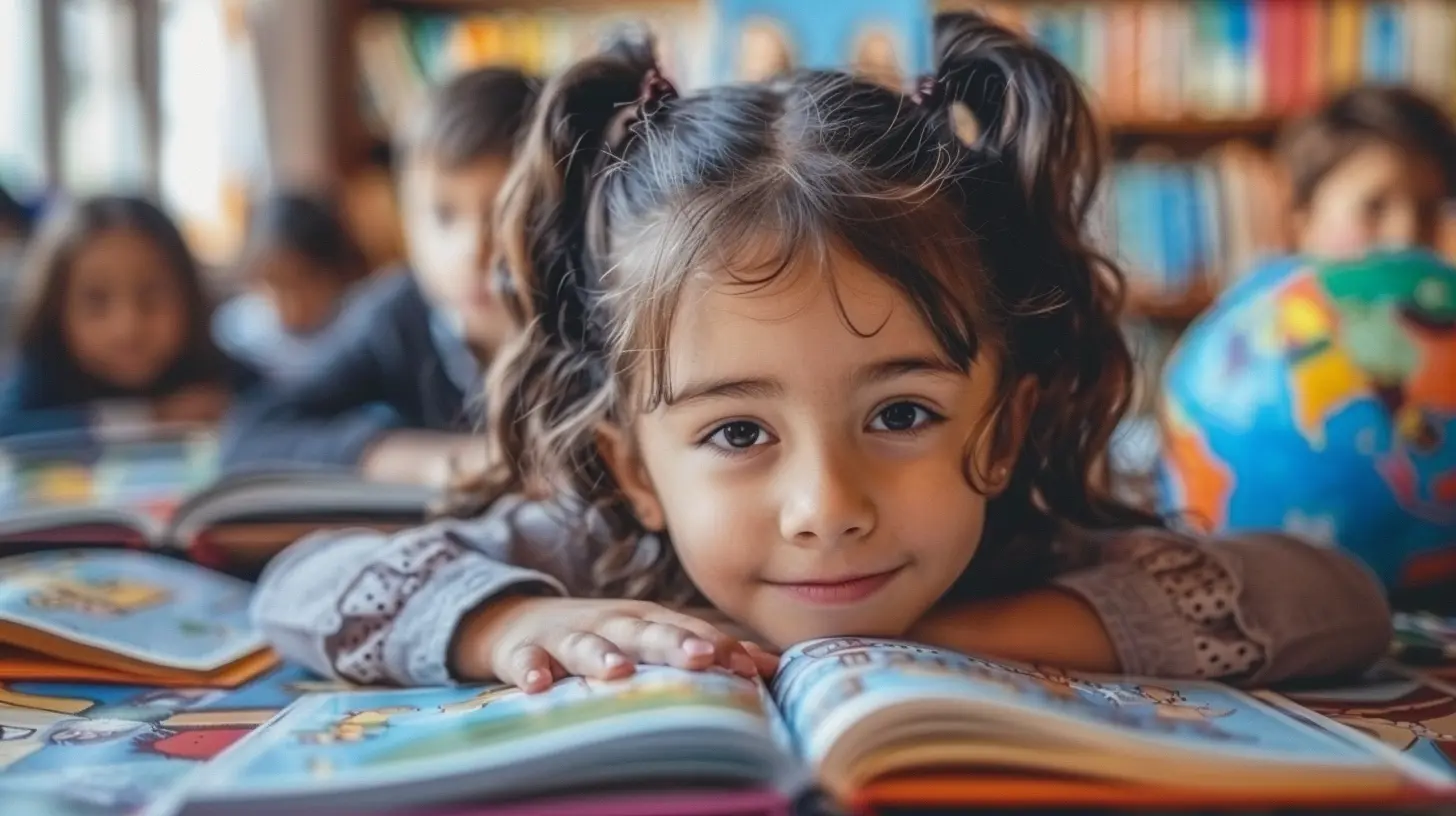
Academic Outcomes: Does Speaking Many Languages Help in School?
Here’s where things get really interesting. A lot of folks assume that learning multiple languages might confuse kids or hold them back in learning other subjects. But recent research turns that assumption on its head.Improved Literacy Skills
Multilingual students often show stronger reading and writing abilities—not just in their second language, but in their first language too. That’s because language skills transfer. Think of it like learning to ride a bike: once you’ve got the balance, it’s easier to hop on another one.Math and Science Skills
Yup, even subjects like math and science seem to benefit from multilingualism. Some studies show that multilingual learners perform better on problem-solving tasks in math. Why? Because their brains are wired to look at things from different angles—literally switching between languages makes them more flexible thinkers.Increased Metalinguistic Awareness
This one’s a bit of a tongue-twister, but metalinguistic awareness is just the awareness of how language works. Multilinguals are often more conscious of grammar rules, sentence structure, and meaning. That heightened awareness makes it easier to dissect and digest new material across the board.
Emotional and Social Intelligence: The Soft Skills Advantage
It’s not just about grades and brainpower. Being multilingual can give learners a serious edge in emotional intelligence and social dynamics.Greater Empathy and Cultural Awareness
When you speak more than one language, you’re also stepping into multiple cultures, mindsets, and ways of seeing the world. Research suggests multilingual individuals are better at reading social cues and understanding different perspectives. That’s empathy in action.Better Communication Skills
Switching between languages teaches you when and how to adapt your communication. That kind of flexibility is key not just in classrooms, but in everyday life. Whether you're explaining an idea to a classmate or navigating a team project, multilingualism makes you a more effective communicator.The Challenges of Multilingual Learning
Hold up—before we make multilingualism sound like a cure-for-everything miracle, let’s keep it real. There are some challenges too, especially in educational settings.Academic Language vs. Social Language
Just because a student can chat fluently in a second language doesn’t mean they’re ready to write academic essays in it. There’s a big gap between “playground language” and “classroom language,” and it can lead to misunderstanding a student’s true skill level.Risk of Language Attrition
Sometimes one language can dominate, leading the learner to gradually forget or lose fluency in the others. This is especially common when there's a lack of support for heritage languages at school or at home.Educational Inequity
Not all schools are equipped to support multilingual learners effectively. A lack of trained teachers, appropriate learning materials, and inclusive curricula can make multilingualism feel like a hurdle instead of an asset.Strategies to Maximize the Learning Benefits of Multilingualism
Luckily, the challenges aren’t dealbreakers. There are practical ways to make sure multilingualism becomes a superpower, not a setback.Support Heritage Languages
Encouraging students to maintain and develop their first language is crucial. It’s not just about language—it’s about identity, family connection, and cognitive benefits that spill over into academic performance.Empower Teachers
Professional development matters. When teachers are trained in multilingual education methods, they’re better able to spot the strengths (and support the needs) of multilingual students.Create Language-Rich Environments
Whether it’s through bilingual books, multilingual signage, or peer language exchanges, the classroom should embrace linguistic diversity. When language is visible, valued, and celebrated, students thrive.What the Future Holds: Multilingualism in a Globalized World
Let’s zoom out for a second. In today’s hyper-connected world, being multilingual isn’t just a personal asset—it’s a societal necessity. Immigration, international business, and digital communication mean that more and more people are living and learning in multilingual contexts.Lifelong Learning
Multilingualism encourages a mindset of continuous learning. You're never “done” with language, after all. That habit of learning stretches far beyond vocabulary—it seeps into how we approach challenges, adapt to new circumstances, and stay curious.Workforce Readiness
From a career angle, multilingual individuals are in high demand across fields like healthcare, diplomacy, education, and tech. It’s a skill that can open doors on a global scale.Social Cohesion and Inclusion
Embracing multilingualism isn’t just good for individuals—it’s good for society. When schools value all languages equally, they foster inclusion, equity, and mutual respect.Final Thoughts: Let’s Rethink What It Means to Be Smart
So, what’s the takeaway here? Multilingualism doesn’t just “add” languages to your brain—it rewires how you think, feel, and connect with the world. Instead of treating multilingualism like an educational challenge, we should view it as a set of cognitive and emotional tools that enrich learning in every way.If we want to prepare students for a diverse and dynamic world, supporting multilingualism should be at the top of the educational priority list. It’s not just about speaking more languages—it’s about thinking in deeper, more flexible, more human ways.
And honestly? That’s the kind of learning we all could use more of.
all images in this post were generated using AI tools
Category:
Educational ResearchAuthor:

Madeleine Newton
Discussion
rate this article
1 comments
Beatrice Wallace
Multilingualism enhances cognitive flexibility, fostering deeper understanding and retention in learning environments.
June 29, 2026 at 3:22 AM