The Impact of Globalization on Higher Education
25 May 2026
Globalization has become a buzzword in practically every industry, and higher education is no exception. Have you noticed how universities nowadays seem more connected than ever before? Students from different corners of the world are studying remotely, educational resources are available at our fingertips, and international collaborations are on the rise. But how exactly has globalization shaped the landscape of higher education? Let’s break it down and understand what’s really going on.

What is Globalization in Higher Education?
Before diving deep into the impact, it helps to define what we mean by "globalization in higher education." Simply put, it's the process through which universities, colleges, and other educational institutions become more interconnected and interdependent across borders. This could manifest in various ways, such as:- International student enrollment: Universities opening their doors to learners from different countries.
- Cross-border collaborations: Institutions partnering with others to share knowledge, resources, and research.
- Online learning platforms: The rise of MOOCs (Massive Open Online Courses) that allow people from anywhere in the world to access quality education.
In essence, globalization in education is all about breaking down barriers—whether geographical, cultural, or technological—to create a more inclusive, diverse, and interconnected academic environment.
Increased Access to Education
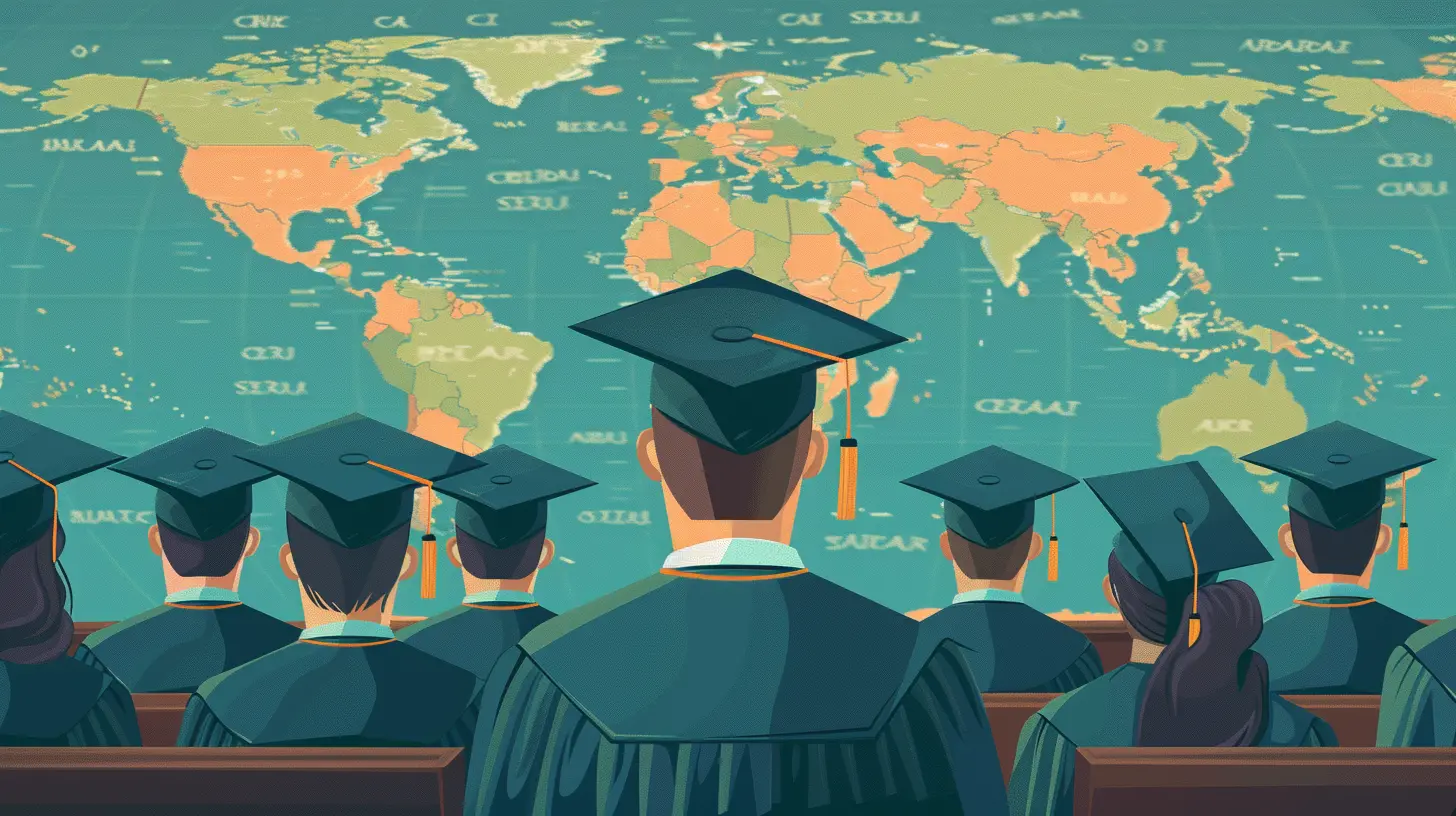
One of the biggest benefits of globalization in higher education is that it has broadened access to learning opportunities. Thanks to advancements in technology, students no longer need to physically attend university to acquire a world-class education. Platforms such as Coursera, edX, and Udemy have revolutionized learning by offering courses from top institutions online, often for free or at a fraction of the cost.The Rise of Online Learning
Online learning has been a game-changer. You can study a course from Harvard while sitting in your living room in India. That’s the power of globalization! Many universities have also started offering entire degree programs online, allowing students from all over the world to earn diplomas and certifications without ever stepping foot on campus.The COVID-19 pandemic further accelerated the shift towards online learning. What was initially seen as a temporary solution has now become a permanent fixture in the education sector. The flexibility and accessibility of online learning have opened doors for students who may not have had the resources or opportunities to attend traditional universities.
But let’s be real—online learning isn't all sunshine and rainbows. Sure, it's convenient, but it also comes with its own set of challenges. Not everyone has reliable internet access, and the lack of face-to-face interaction can make it harder for some students to stay motivated. However, despite these drawbacks, there's no denying that online learning is here to stay.
International Mobility of Students
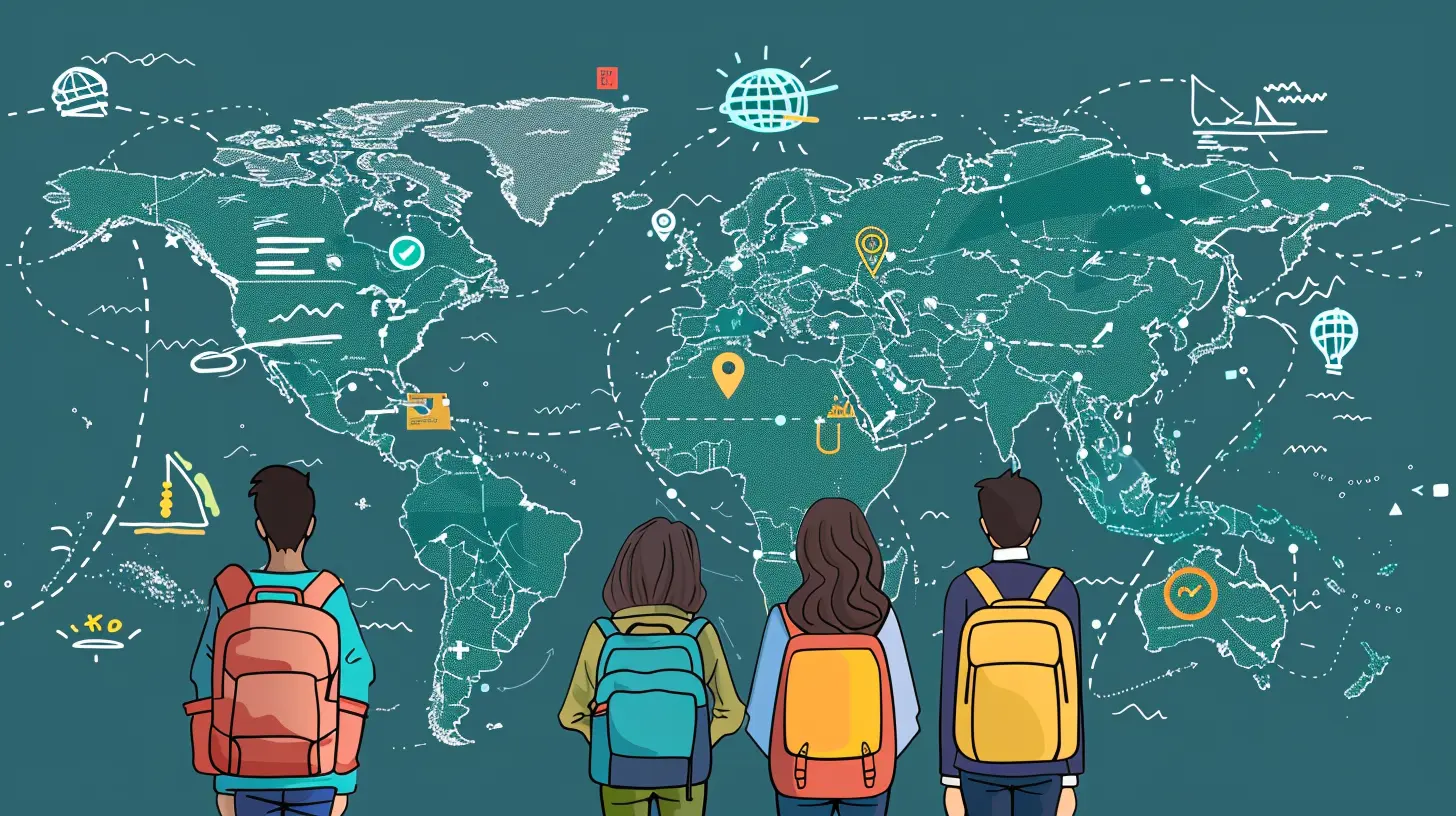
Before globalization took off, studying abroad was often seen as a luxury or a privilege. It was something only a select few could afford. Fast forward to today, and it’s become much more common for students to pursue their degrees in foreign countries. According to UNESCO, the number of international students has increased exponentially in the past few decades.Students now have the option to enroll in universities in countries like the U.S., U.K., Australia, or even China. This international mobility has fostered a truly global student body, enriching the academic experience with diverse perspectives and cultures. It’s like having the world in one classroom!
But why do students choose to study abroad in the first place?
- Higher quality education: Many students believe that studying abroad offers a better standard of education.
- Career opportunities: Graduates from international universities often have an edge in the global job market.
- Personal growth: Living in a foreign country helps students develop independence, adaptability, and a broader worldview.
However, we must also acknowledge that the financial burden of studying abroad can still be prohibitive for many.
The Role of Technology in Globalizing Education
It’s impossible to talk about globalization without mentioning the role of technology. From enhanced communication tools like email and video conferencing to sophisticated learning management systems, technology has been the backbone of education’s globalization.Virtual Classrooms, Real Impact
Remember when you had to be in a physical classroom to learn? Yeah, that feels like ages ago. Today, virtual classrooms are the new normal. Thanks to platforms like Zoom, Google Meet, and Microsoft Teams, students can attend lectures, participate in discussions, and even collaborate on group projects—all from the comfort of their homes.The beauty of virtual classrooms is their ability to bring together students and professors from different parts of the world. You could be attending a lecture on economics with peers from five different countries, each bringing their unique perspectives to the table. That kind of diversity and interaction is something traditional classrooms often lacked.
Digital Libraries and Open Access
Gone are the days when you had to spend hours in a library searching for a specific textbook. Nowadays, thanks to globalization and technology, students have access to digital libraries and open educational resources (OER). Websites like JSTOR, Google Scholar, and Project Gutenberg offer a wealth of academic papers, articles, and books that anyone can access, sometimes for free.This has leveled the playing field for students in developing countries who may not have had the same access to academic resources as their peers in wealthier nations. Knowledge is becoming more democratized, and that’s a huge win for education.

Challenges Posed by Globalization in Higher Education
While globalization has brought undeniable benefits to higher education, it's not without its challenges. In fact, it's a bit of a double-edged sword. Let’s explore some of the downsides.The Commercialization of Education
With globalization comes the increasing commercialization of higher education. Universities are now competing on a global scale, which has led to some institutions focusing more on profit than on providing quality education. Tuition fees have skyrocketed in many parts of the world, making higher education inaccessible to a large portion of the population.International students, in particular, often face inflated tuition fees compared to local students. Some universities view international enrollments as cash cows, prioritizing profit over educational quality. This has sparked debates about the ethics of turning education into a commodity.
Homogenization of Education
Another concern is the potential homogenization of education. As universities adopt similar curricula to attract international students, there’s a risk of losing cultural and academic diversity. For instance, many universities in non-English-speaking countries have switched to teaching in English to attract international students. While this makes education more accessible, it can also dilute the cultural richness and uniqueness of the local academic experience.Brain Drain
Globalization has also contributed to the phenomenon of "brain drain," where talented individuals from developing countries choose to study and work abroad, often never returning to their home countries. While this can be great for the individuals involved, it can have a negative impact on the countries they leave behind, depriving them of skilled professionals.The Future of Globalized Higher Education
So where is all this headed? The future of higher education in the context of globalization looks both exciting and uncertain. Here are a few trends to watch out for:- Increased use of AI in education: From personalized learning experiences to automated grading systems, artificial intelligence is poised to revolutionize education even further.
- Hybrid learning models: The pandemic has shown that a mix of online and offline learning can be effective. Expect more universities to offer hybrid models, giving students the flexibility to choose how they want to learn.
- Greater emphasis on global competencies: In a globalized world, it’s not enough to just have technical skills. Universities will place greater emphasis on teaching global competencies like cross-cultural communication, adaptability, and problem-solving.
Conclusion
The impact of globalization on higher education has been profound, shaping how we learn, where we learn, and who we learn from. It has broken down barriers, making education more accessible and interconnected than ever before. However, it’s also brought with it challenges that need to be addressed, particularly in terms of commercialization and brain drain.As we move forward, it will be crucial for universities to strike a balance between embracing globalization and preserving the integrity and diversity of their educational offerings. One thing’s for sure: the future of higher education is global, and it’s going to be an exciting ride!
all images in this post were generated using AI tools
Category:
Higher EducationAuthor:

Madeleine Newton
Discussion
rate this article
2 comments
Lena Willis
Globalization reshapes higher education in unexpected ways. As universities adapt to new demands, the blending of cultures and ideas raises questions about identity and tradition. What happens when knowledge transcends borders? The pursuit of education becomes a journey into uncharted territories, challenging the very essence of learning itself...
June 26, 2026 at 12:03 PM
Astrid McCallum
Great insights on globalization's role in shaping higher education. Excited to see how it evolves!
May 30, 2026 at 2:36 AM
Madeleine Newton
Thank you! I'm glad you found the insights valuable. It will be interesting to see how this continues to unfold.