The Connection Between Nutrition and Mental Health in Schools
15 August 2026
Ah, school – the land of algebra, awkward crushes, mystery meat Mondays, and, well… teenage hormones running rampant like caffeinated squirrels. But underneath all the chaos, there's something simmering in the cafeteria trays that affects more than just stomachs: our brains.
Yep, you heard that right. There’s a surprising (and slightly hilarious) connection between what kids eat and how their minds hold it together. Hang on tight, because we’re about to take a food-filled rollercoaster ride through mental health, midday snacks, and why that soggy cafeteria pizza might be more dangerous than we thought (no offense, pizza… we still love you).

Let’s Talk About Brains… and Broccoli ??
So here's the deal—our brain is like the CEO of our body. It’s got a lot of responsibilities, from managing emotions to making sure we don’t walk into poles while texting. And just like any good CEO, it needs the right fuel to avoid burnout. That fuel? FOOD.But not just any food. While gummy bears and soda might make kids sprint like Olympic athletes for a hot minute, they crash harder than a dropped smartphone on concrete. What we put into our bodies directly affects how our brains function. Especially for students whose minds are constantly learning, growing, and multitasking (aka trying to pay attention in math class while wondering what’s for lunch).
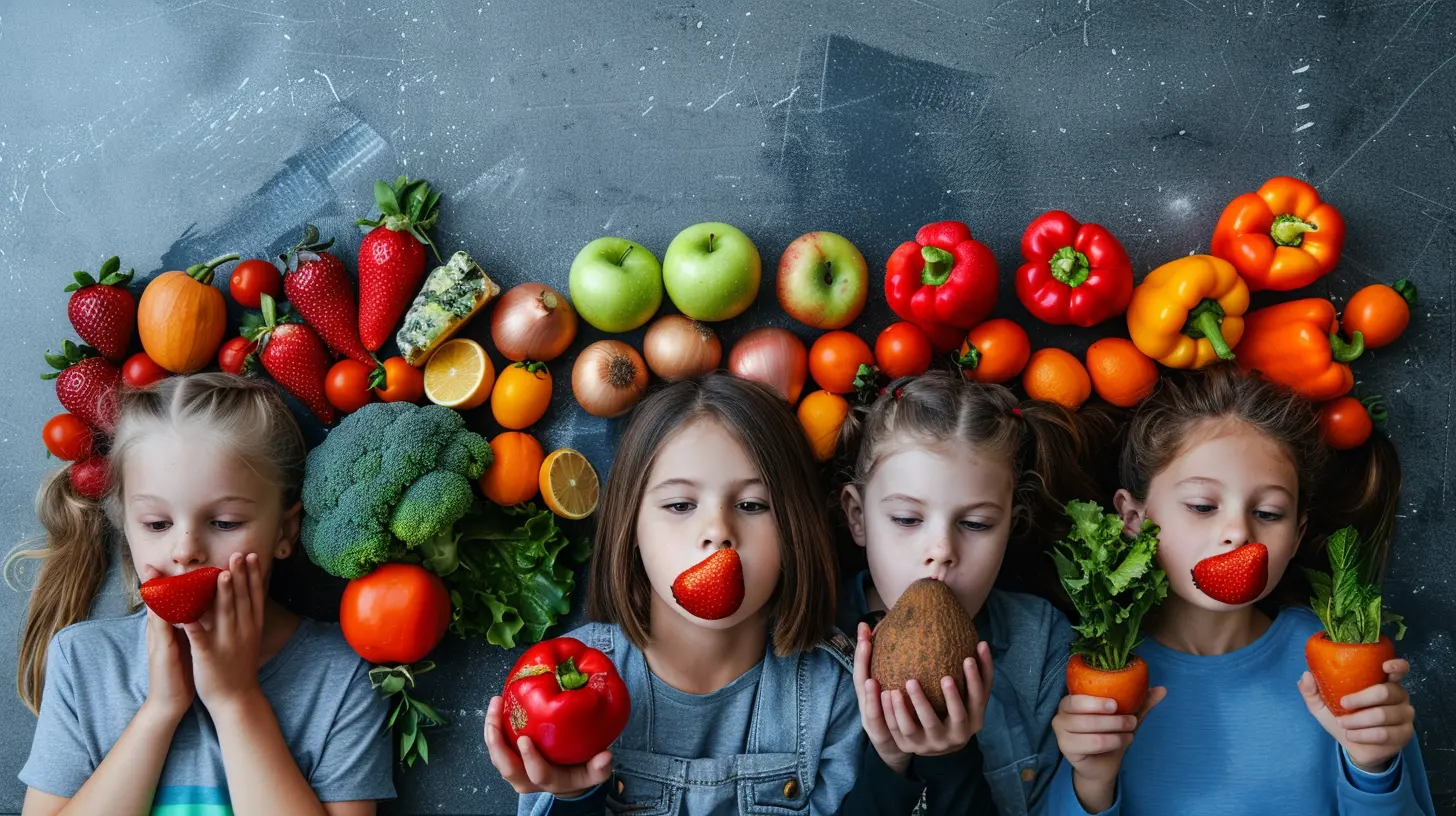
Chicken Nuggets vs. Brainpower: Who Wins?
Let’s paint a picture. Imagine a 13-year-old named Jake. Jake skips breakfast and grabs a bag of chips for lunch. By 2:00 PM, he’s slouched at his desk, mentally checked out, and daydreaming about skateboarding into the sunset.Meanwhile, across the room, Emma munched on oatmeal and blueberries for breakfast and had a turkey sandwich with a side of carrots for lunch. She’s alert, focused, and somehow enjoying history class (witchcraft, maybe?).
What gives?
The difference lies in the nutrients.
Key Brain-Boosting Nutrients (Yes, They're Superheroes)
Let’s introduce the Avengers of nutrition:- Omega-3 fatty acids: Found in fish, flaxseeds, and walnuts. These bad boys help with memory, focus, and reducing depression (basically brain lube, but less gross).
- Iron: Helps with concentration and energy levels. Found in spinach, red meat, fortified cereals, and—oh yeah—dark chocolate. Win!
- Vitamin B12 & Folate: Critical for making brain chemicals. Think leafy greens and eggs.
- Zinc: Helps regulate mood. You’ll find it in chickpeas and cashews (surprise, legumes are heroes too).
- Magnesium: A natural chill pill. Bananas, almonds, and avocados are packed with it.
- Protein: Our brains need neurotransmitters to communicate, and protein provides the amino acids they’re made of. Without it, it’s like a group chat with no messages getting through.
If we feed our kids junk, we’re basically trying to run a Tesla on orange soda. Spoiler alert—it ain’t gonna work.

The Sad, Hangry Reality in Schools
Let’s get real for a second. Many schools serve meals that wouldn’t pass a health test given by a potato. Deep-fried, sugar-laden, overly processed foods line the trays—usually because they’re cheap, fast, and widely accepted. But at what cost?Studies (yes, real science-y ones) show that poor eating is linked to increased rates of anxiety, depression, poor academic performance, and more behavioral issues. That’s not great when you're trying to teach long division to a class of hyped-up gremlins running on sugar and Spaghetti-Os.
Worse, many students skip meals entirely. Breakfast in particular gets the cold shoulder more than it should—which stinks, because skipping it leads to mood swings, poor concentration, and the dreaded classroom nap.

Mental Health and Sugar: The Bittersweet Love Story ??
Let’s talk sugar. Sweet, seductive, deceptive sugar. It gives you a quick high and then… BAM! You crash harder than a Netflix server on Stranger Things release day.Sugar messes with blood sugar levels, leading to irritability, fatigue, and mood swings. On top of that, too much sugar promotes inflammation, and guess what? Chronic inflammation is linked to mental health issues like anxiety and depression.
So the next time someone says “Just let kids be kids—they deserve candy,” remind them that kids deserve good brains too.
Mood Food: What Schools Should Be Serving Instead
If we really cared about mental health in schools (and we should!), we’d overhaul the menu. Here’s what a brain-friendly school cafeteria could look like:- Breakfast with whole grains, fruit, and protein (like eggs or yogurt)
- Lunch with lean proteins, whole grains, colorful veggies, and a side of fruit
- Snacks with healthy fats and protein: trail mix, hummus with carrots, or even a simple peanut butter sandwich
- Hydration stations (because being dehydrated can literally make you grumpy)
No, we’re not talking about gourmet 5-star meals. Just smart, tasty, nutrient-packed food that doesn’t leave kids dazed and confused by 3PM.
Teachers Know the Truth (They’re Secret Nutrition Ninjas)
Ask any teacher, and they’ll tell you: you can literally SEE the difference between kids who eat well and those who don’t.The ones who start the day with a balanced breakfast? More focused.
The ones who had a donut for lunch? More disruptive.
The ones who skip meals altogether? Zoned out, irritable, and hangry enough to eat the chalkboard.
Teachers have become unintentional nutrition experts. They can diagnose a sugar crash from fifty feet away, and they know that feeding a brain is just as important as feeding a stomach.
Let’s Add Nutrition to the Curriculum, Shall We?
If we teach kids how to do algebra (which, let’s be honest, some of us STILL struggle with), why not teach them how food affects their mood?Schools should be teaching:
- How to read nutrition labels (spoiler: "natural flavor" is not your friend)
- What different foods do to your brain and body
- How to build a balanced meal (with real food, not plastic fruit models)
- That mental health is just as important as physical health
Seriously, we can’t keep pretending that food is just fuel. It’s information. It talks to your brain. And right now, some kids’ lunches are telling their brains, “Good luck, buddy—you’re on your own.”
Parents and Cafeteria Staff: The Dynamic Duo ?♂️?♀️
Schools don’t operate in a vacuum. It takes a village—correction, an army—to raise healthy, happy kiddos.That means schools, parents, and cafeteria staff need to work together. Parents can pack better lunches, schools can revise their menus, and cafeteria staff can lead the charge with ideas and menus that won’t make students say “ew.”
Communication is key. Maybe even a monthly “Food and Mood” newsletter? I mean, it’s 2024—let’s get creative!
Real Talk: It’s Not Just About “Eating Healthy”
Let’s be honest—people tune out the phrase “eat healthy” like it’s their mother-in-law’s ringtone.This isn’t about turning every kid into kale-munching monks. This is about giving kids the CHOICE to feel better. If they knew that eating a banana could help with anxiety before a big test, they'd probably give it a shot.
Let’s rebrand healthy food. Make it cool. Make it empowering. Make it not taste like cardboard.
Small Snacks, Big Impact
Sometimes, it's not about overhauling the entire school menu. Even small changes can make a big difference:- Replace vending machine junk with nut bars and dried fruits
- Offer fruit or yogurt at breakfast instead of just cereal
- Make lunchtime smoothies a thing (seriously, who doesn’t love smoothies?)
- Let students vote on new, healthy menu items (aka give them a little foodie democracy)
No Brain Left Behind
At the end of the school day, we all want students to leave smarter, happier, and ready to take on the world—or at least their homework.We can’t ignore the mountain of evidence (and let’s be real, the common-sense truth) that what students eat affects their mental well-being. If we want to tackle the mental health crisis head-on, we’ve got to start on their plates.
Nutrition isn’t a luxury—it’s a tool. And in a world where kids are facing increasing stress, anxiety, and mental health challenges, don’t we want to give them every tool we’ve got?
Let’s feed their stomachs AND their souls (without the mystery meat, please).
all images in this post were generated using AI tools
Category:
Mental Health In SchoolsAuthor:

Madeleine Newton