School Funding Gaps: Why Some Districts Struggle More Than Others
14 July 2026
Let’s be honest — when we think about school, we often imagine bright classrooms, well-stocked libraries, and smiling kids with shiny backpacks. But behind those cheerful scenes lies a tough reality: not all schools are created equal. Some districts are thriving, while others can barely afford enough textbooks. Why is that? Why do some schools get more funding than others, and what does that mean for students?
In this post, we’re going to dive deep into the issue of school funding gaps — what causes them, how they affect students, and why it’s not just “somebody else's problem.” By the end, you’ll understand why school funding disparities are one of the biggest challenges in education today.
What Exactly Are School Funding Gaps?
Let’s start with the basics. A school funding gap is essentially the difference in how much money one school district receives compared to another. But it’s not just about a few hundred bucks here and there. We’re talking millions of dollars in some cases.And here’s the kicker — it’s often the schools serving the most disadvantaged students that get the least funding. That’s like expecting someone to run a marathon with one shoe. It's unfair and unsustainable.
In theory, every child should have access to a high-quality education, no matter where they live. But in practice, where you grow up often determines the resources your school has. And that’s not okay.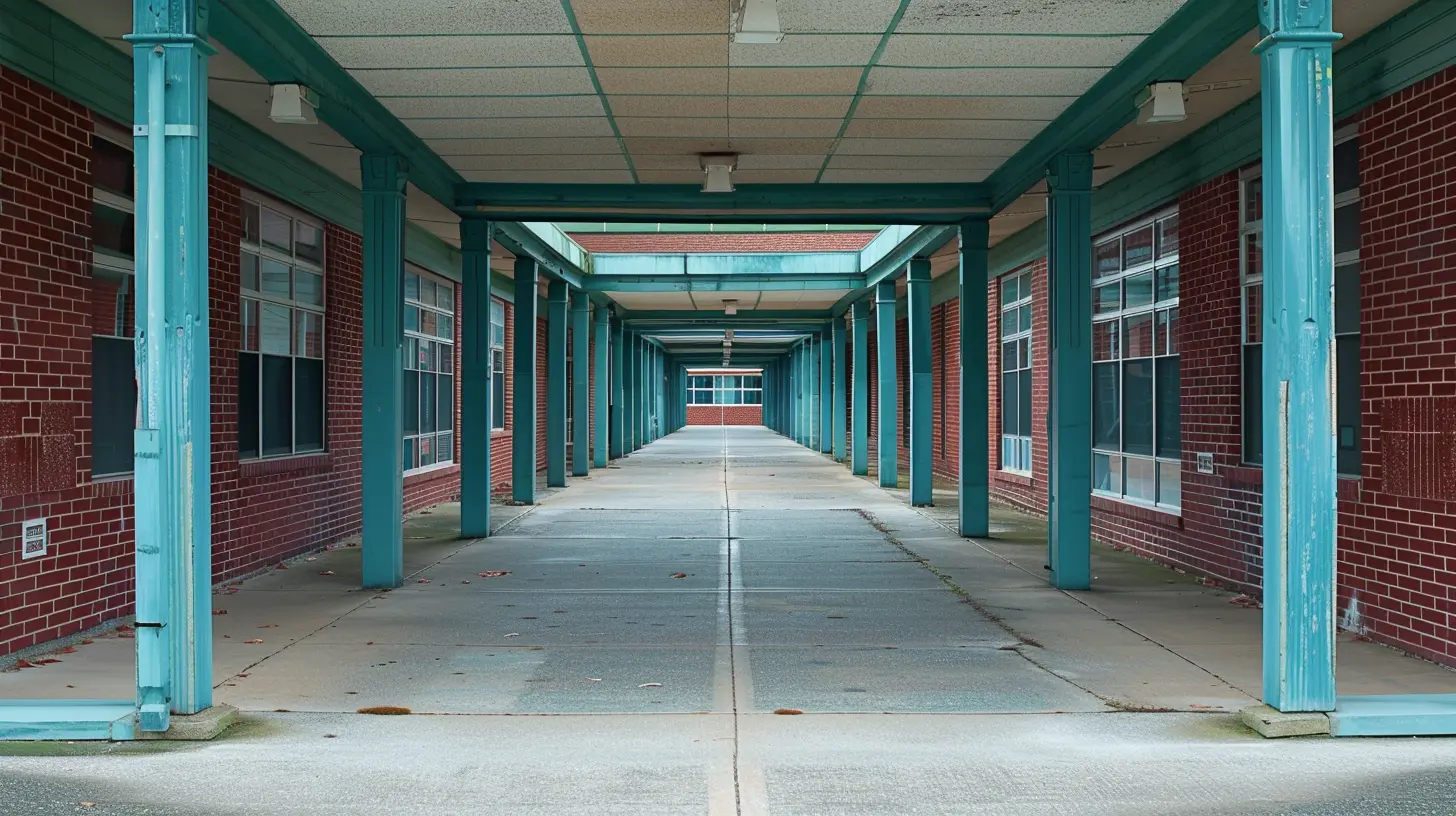
Why Does School Funding Vary So Much?
You’d think there would be one big pot of money that gets split evenly, right? Nope. In the U.S., most of the funding for public schools comes from three main sources:- Local property taxes
- State funding
- Federal aid
And here’s where things get tricky.
1. Local Property Taxes Create Uneven Playing Fields
Schools often rely on property taxes from the surrounding community. So if you live in an affluent area with high property values? Congrats — your schools are likely to be well-funded. But if your neighborhood struggles economically, your schools probably do too.It’s like using a neighborhood bake sale to fund a school library. If one community has gourmet cupcakes and another has day-old cookies, guess who raises more money?
2. State and Federal Contributions Vary
Ideally, the state and federal governments would step in to balance things out. And sometimes they try. But not all states allocate funds the same way, and federal money usually makes up a small portion of a school's total budget.So, in some places, the rich stay rich and the poor stay stuck. It's a cycle that repeats itself, generation after generation.
The Impact on Students
So what does this mean for kids? It’s not just about missing out on fancy sports equipment or field trips. We’re talking about:- Outdated textbooks
- Overcrowded classrooms
- Fewer extracurricular options
- Struggling to hire and retain qualified teachers
- Poor access to technology and internet
These gaps can widen the achievement divide. Students in underfunded schools often start behind and have to work twice as hard just to catch up. And let’s face it — that’s a heavy load for any kid to carry.
The Hidden Costs of Underfunded Schools
Here's another angle people don’t always consider: inequitable funding can have ripple effects far beyond the classroom. Think about this:- Graduation rates drop.
- Job prospects shrink.
- Income inequality grows.
- Communities struggle economically.
When schools suffer, so do local economies. Crime can increase, mental health issues rise, and entire communities feel the strain. It’s not just an education problem — it’s a societal one.
Debunking the Myths
Let’s take a moment to bust some common myths about school funding gaps.“Throwing money at schools doesn’t fix anything.”
False. While money isn’t a silver bullet, studies show that increased funding — especially in low-income districts — leads to better student outcomes. That includes higher test scores, graduation rates, and even lifetime earnings.“It’s the schools’ fault they can’t manage a budget.”
Also not true. Most school administrators aren’t mismanaging funds — they simply don’t have enough to meet basic needs. Imagine running a business with half the staff and outdated tools. They’re doing the best they can with what they’ve got.What Can Be Done About It?
Okay, we’ve covered the problem. Now let’s talk solutions. Because there are ways to close these gaps and level the playing field.1. Reforming the Funding Formula
States can develop funding formulas that prioritize equity over equality. That means giving more resources to schools that serve disadvantaged populations — not the same amount to everyone. Think of it as investing where help is needed most.2. Boosting Federal and State Support
By increasing government support, especially for lower-income districts, we can reduce the dependence on local property taxes. That would help even the scales.3. Encouraging Community Involvement
Parents, educators, and advocates can make a real difference. Whether it’s lobbying for policy changes or supporting local schools through donations and volunteering, every effort counts.4. Investing in Teacher Support and Training
Teachers are on the front lines. They need competitive pay, professional development, and resources to do their jobs well. Funding shouldn’t hold them back.Real-Life Stories: The Human Side of the Gap
Let’s bring this down to earth.In one urban district, a high school was so underfunded that students shared too few textbooks and had outdated science labs. Meanwhile, just 10 miles away, another school had a robotics lab, brand-new computers, and a music department with a grand piano.
Same state. Different worlds.
This isn’t just frustrating — it’s heartbreaking. Students notice. They know when the deck is stacked against them. And sometimes, they stop believing in their own potential.
But when funding improves? The results are powerful. We’ve seen graduation rates rise, college acceptance surge, and school pride return. It’s not a dream — it’s an outcome we can achieve with the right priorities.
Why This Matters — To Everyone
Even if you don’t have kids in school, this issue affects you. Society benefits when all kids get a fair shot at success. That means:- Lower crime rates
- A stronger economy
- A more educated workforce
- Healthier communities
Investing in education is like planting seeds for a better future. And those seeds need fertile soil. Right now, some are growing in dry dirt.
Moving Forward with Purpose
We can’t afford to sit on the sidelines. School funding gaps are a call to action — for policymakers, parents, and everyday citizens alike.It starts with awareness, but it doesn’t end there. Support equitable funding policies. Vote for leaders who make education a priority. And speak up when you see injustice.
It’s not about charity. It’s about fairness. Every child deserves a school that helps them thrive — not just survive.
Because in the end, we’re all part of this story. And it’s up to us to write a better chapter.
Final Thoughts
Let’s not sugarcoat it: school funding gaps are real, and they’re hurting our kids. But the good news? We have the tools to fix this. With smart policy, community backing, and a commitment to equity, we can build a stronger, fairer education system for all.So next time you hear someone say, “Why do some schools struggle more than others?” — you’ll have the answer. And hopefully, the motivation to help change it.
all images in this post were generated using AI tools
Category:
School FundingAuthor:

Madeleine Newton