Peer Feedback for Younger Students: Adapting the Approach
22 May 2026
Giving feedback is an art—especially when young students are involved. Let’s be real: expecting second graders to critique their classmates’ work like seasoned editors is a bit of a stretch. But hey, that doesn’t mean we should give up! With the right approach, peer feedback can be a total game-changer in the classroom.
The key? Making it fun, simple, and constructive. Because, let's face it—nobody benefits from "Your drawing is bad" or "This story is boring." So, let’s break it down and find ways to make peer feedback actually work for younger kids without turning the classroom into a battleground of hurt feelings. 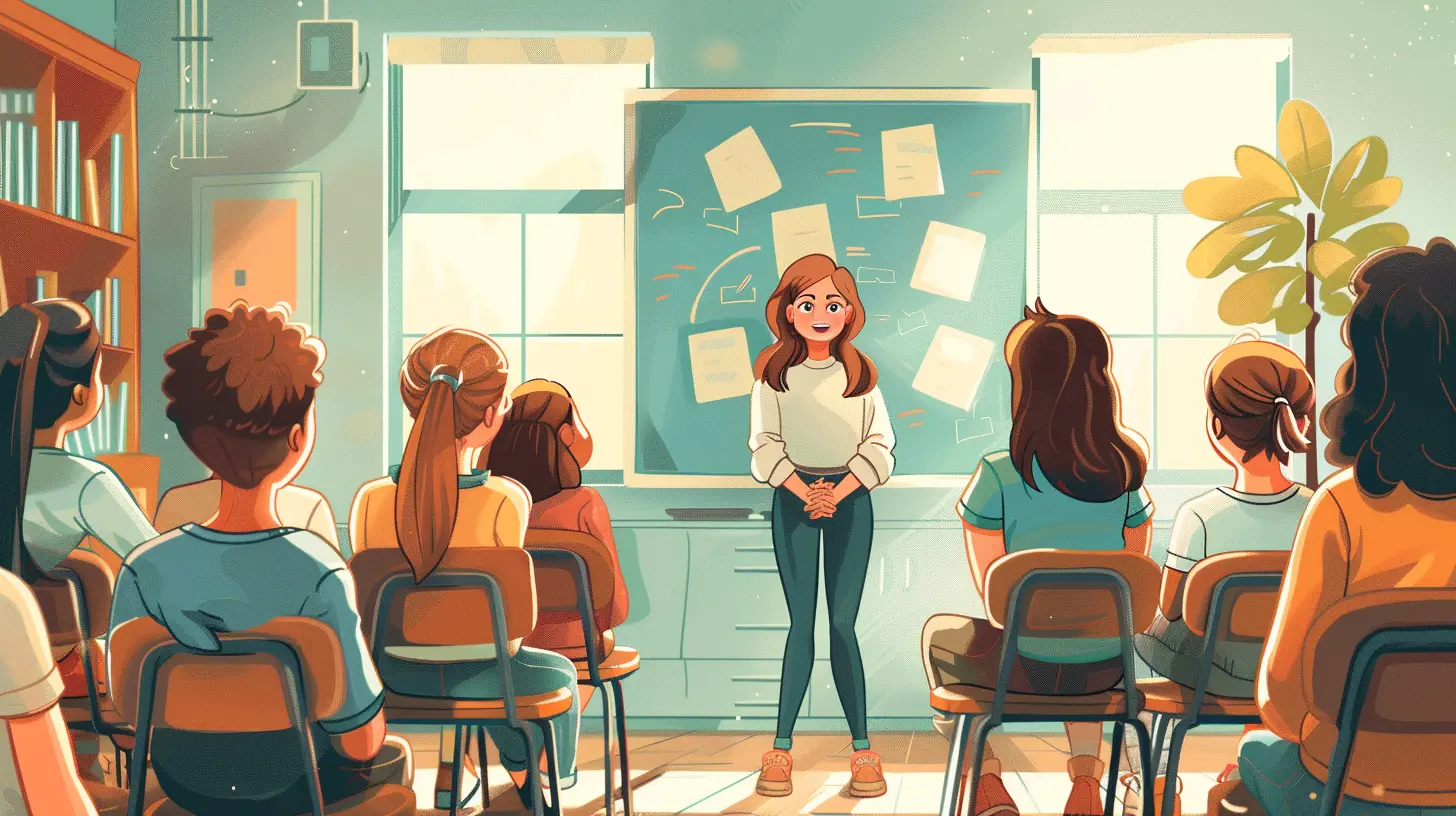
Why Peer Feedback Matters (Even for Young Kids)
Some people think peer feedback is only useful for older students. Nope! Even our little learners can benefit—when done right. Here’s why:- Boosts Confidence: Kids learn that their voice matters. Giving feedback helps them feel like experts, and who doesn't love that?
- Encourages Active Learning: Instead of just sitting and absorbing information like sponges, they actively engage with what they’re learning.
- Teaches Constructive Criticism: Learning how to give and receive feedback politely is a skill they’ll use for life (hello, future workplace reviews!).
- Develops Critical Thinking: Even young students can start thinking about why something works or doesn’t work. That’s the foundation of strong analytical skills.
So, peer feedback is a must—IF we tailor it to their developmental level. 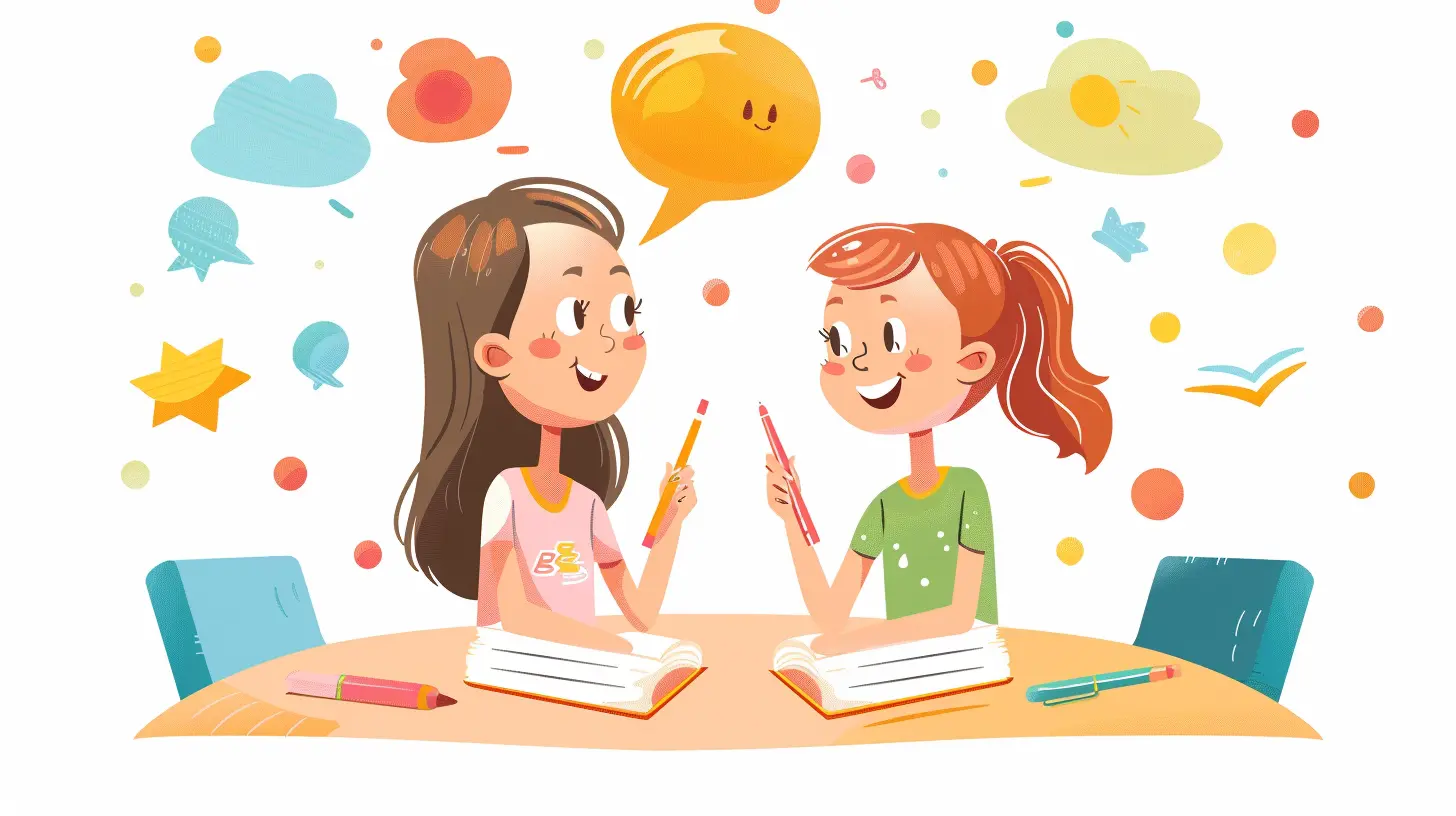
The Challenges of Peer Feedback for Younger Students
Okay, so we know why peer feedback rocks, but let’s be real—there are hurdles. Young kids aren’t naturally great at giving constructive feedback. Without guidance, it’s either too harsh (“That’s ugly”) or too vague (“It’s good”).Here’s what typically goes wrong:
- Lack of Understanding: They don’t always get what feedback should look like.
- Emotional Sensitivity: Younger kids can take critiques personally (cue the tears).
- Limited Vocabulary: They struggle to express what they actually mean in a helpful way.
- Short Attention Spans: Expecting them to hold deep discussions about each other’s work? Ha, good luck.
Clearly, the process needs to be structured. So, how do we make it work? Let’s dive into the game plan. 
How to Adapt Peer Feedback for Younger Students
1. Teach Them What Feedback Actually Is
Before we throw kids into the deep end, let’s teach them how feedback works. Expecting a six-year-old to know what “constructive criticism” means is like expecting a puppy to do calculus.Make it simple: Feedback helps us get better, not feel bad.
Use examples they understand. Show them two types of feedback:
- Negative Feedback: “That was bad.” (Ouch, right?)
- Constructive Feedback: “I liked your drawing, but maybe you could add more colors to make it even cooler!”
Let them practice spotting the difference using real-life examples.
2. Model, Model, and Model Again
Young kids need to see proper feedback in action. So, step up and do a live demo.Here’s a fun way:
- Pick a student’s drawing (with permission, of course).
- Give bad feedback first: “This is not good.” Watch their reactions.
- Then, give constructive feedback: “Wow, I love how you used bright colors! Maybe adding a background would make it even more interesting.”
- Ask: “Which feedback was more helpful?”
Chances are, they’ll get the point fast.
3. Use the “Two Stars and a Wish” Method
Want a tried-and-true formula that actually works? This one’s golden:- Two Stars ??: Say two things you liked.
- One Wish ⭐: Suggest one thing they could improve.
Example:
> “I love how neat your handwriting is! Your story is really funny. Maybe next time, you could add more details to the ending.”
This keeps feedback positive and useful—without crushing anyone’s confidence.
4. Keep It Verbal (At First)
Writing feedback can be tough for younger kids. Instead of making them struggle with sentences, let them talk it out first. Conversations flow easier than written critiques.Start with partner chats where they give feedback face-to-face. Once they get the hang of it, move on to written feedback with sentence starters like:
- “I really liked when you…”
- “One thing you could add is…”
- “It would be even better if…”
This keeps things structured while still being manageable.
5. Make Feedback Fun with Sticky Notes and Games
Who said feedback has to be boring? Try these fun approaches:- Sticky Note Feedback: Let kids write their “stars” and “wishes” on sticky notes and put them on their friend’s paper.
- Feedback Buddies: Pair students up each week to give feedback on different tasks.
- Traffic Light System: Use red (needs work), yellow (almost there), and green (great job) stickers for quick, visual feedback.
When kids see feedback as a game, they engage more.
6. Create a Safe, Supportive Environment
If feedback feels like criticism, kids will shut down. Set clear rules:- Respect first! No mean comments allowed.
- It’s about the work, not the person. We improve projects, not people.
- Mistakes are okay. Everyone is learning here.
You can even reinforce this with a classroom mantra, like:
"Feedback makes us stronger! We help each other grow!"
When kids feel safe, they’re more open to giving and getting feedback.
7. Celebrate Progress, Not Just Perfection
Finally, make sure they see feedback as a positive thing! Celebrate effort, not just perfect results.Try this:
- Have kids reflect on how feedback helped them improve.
- Show before-and-after versions of their work to highlight growth.
- Give “Best Feedback Giver” awards to encourage thoughtful critiques.
Little by little, they’ll start seeing feedback as a helpful tool—not just something that points out their mistakes. 
Wrapping It Up
So, can younger kids handle peer feedback? Absolutely! But it has to be structured, supportive, and fun. It’s all about setting them up for success—because if we just throw them into the deep end, they’ll either sink or start a full-blown meltdown.By teaching, modeling, and practicing constructive feedback, we help our little learners build valuable skills that will serve them for life. Imagine a world where grown-ups actually know how to give kind and helpful critiques—yeah, that starts here.
So, let’s ditch the vague “It’s good” and the brutal “That’s ugly” and start shaping young minds to give feedback like pros!
all images in this post were generated using AI tools
Category:
Peer FeedbackAuthor:

Madeleine Newton
Discussion
rate this article
2 comments
Kristy Franklin
Great tips! Peer feedback can make learning so much fun!
June 25, 2026 at 3:19 AM
Madeleine Newton
Thanks for your feedback! I'm glad you found the tips helpful. Peer feedback really can enhance the learning experience.
Kieran Dorsey
Great insights on peer feedback! It's essential for younger students to develop their communication and collaboration skills.
June 9, 2026 at 3:19 AM
Madeleine Newton
Thank you! I'm glad you found it valuable. Peer feedback really does play a key role in building those vital skills.