Navigating Misinformation in the Digital Age
14 August 2026
Let’s be honest—if you've ever scrolled through your social media feed and found yourself second-guessing whether a post or headline is true, you're definitely not alone. We’re living in an era where misinformation spreads like wildfire. And it’s not just annoying; it’s dangerous. Whether it’s about health, politics, education, or world events, fake news can distort our understanding and influence our decisions in serious ways.
So, how do we sift through the noise and figure out what’s real? How do we protect ourselves—and others—from falling into the misinformation trap? That’s exactly what we’re diving into today.

What Exactly Is Misinformation?
Let’s clear this up from the get-go. Misinformation is false or inaccurate information that’s spread—intentionally or unintentionally. When people purposely spread falsehoods to manipulate or deceive, that’s called disinformation. But for this article, we’re focusing on the broader umbrella: all incorrect info, no matter the intent.It can be anything from a well-meaning aunt sharing an outdated study to a meme with stats pulled out of thin air. Sometimes it's harmless. Other times? It’s wildly damaging.

The Rise of Digital Misinformation
From Newspapers to Newsfeeds
Back in the day, most folks got their news from a few trusted sources—newspapers, the evening news, or the radio. Fact-checking was a big deal, and journalists were gatekeepers of information. Fast forward to now, and anyone with a smartphone can share info with thousands, even millions, in seconds.Social media platforms like Facebook, Twitter, and TikTok have become major news sources. Sounds convenient, right? But here’s the catch—content spreads faster than it can be vetted.
The Algorithm Problem
Have you noticed how you keep seeing the same type of content over and over? That’s thanks to algorithms. These little digital wizards are designed to show you what you like, not necessarily what you need to know. If you engage with one conspiracy theory, you’ll probably get ten more “suggested” posts about it tomorrow. It’s like falling into an echo chamber, and climbing out isn’t easy.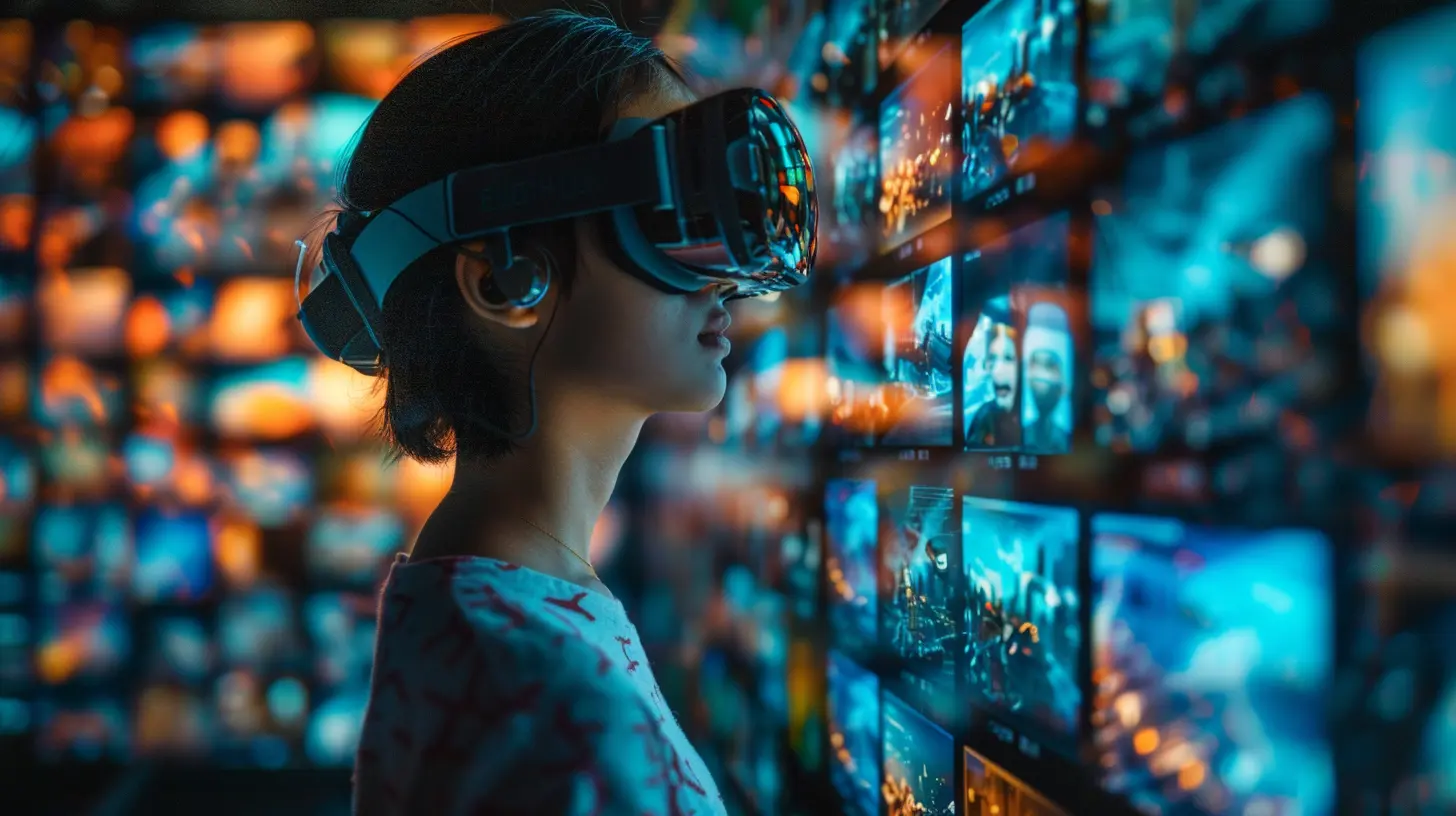
Why Misinformation Works
It Taps Into Emotions
Misinformation thrives because it plays on our emotions. Fear, anger, shock, joy—you name it. If something makes us feel strongly, we’re more likely to believe it and, worse, share it. A sensational headline can go viral just because it sparks outrage, even if the story behind it is full of holes.It Looks Legit
One of the most frustrating things? Fake news often looks real. Slick graphics, official-sounding language, and made-up sources that appear credible are all tools used to trick us. Honestly, some posts are so convincing that even savvy readers get duped now and then.
Real-World Impact of Misinformation
You might think, “So what? A few false posts can’t hurt.” But here’s the deal—it absolutely can.- Public health issues: Just look at the chaos during the COVID-19 pandemic. False claims about vaccines, masks, and treatments led to confusion and even deaths.
- Political tension: Fake stories can sway voters, fuel division, and destabilize democracies.
- Personal relationships: Yep, misinformation can even tear families and friendships apart over disagreements based on false beliefs.
Spotting Misinformation: Your Digital Toolkit
No, you don’t need to become a detective or tech wizard to spot fake info. You just need a healthy dose of skepticism and a few handy tools.Check the Source
Ask yourself: Where is this information coming from? A verified news outlet or a random blog you’ve never heard of? Look for an “About” section, check the author’s credentials, and see if the source has a bias.Cross-Reference the Facts
If something sounds fishy, double-check it. Look for coverage from multiple reputable sources. If nobody else is reporting it, that’s a red flag.Examine the Language
Watch out for all-caps text, lots of exclamation marks, or phrases like “You won’t believe this!” These are often signs of clickbait or emotionally manipulative content.Use Fact-Checking Websites
There are some awesome platforms out there doing the hard work of debunking lies:- Snopes
- FactCheck.org
- PolitiFact
- BBC Reality Check
Bookmark one or two and keep them handy.
Teaching Kids and Teens to Be Smart Online
Let’s face it—young people live online. They get their info from Instagram, YouTube, and TikTok, not newspapers or even Google. So, helping them become media-savvy is more important than ever.Encourage Critical Thinking
Teach them to ask questions: “Who made this?”, “Why are they sharing it?”, “What’s the evidence?”, “Could this be biased?” It’s about building healthy skepticism, not just shouting “That’s fake!”Make It Relatable
Instead of lecturing, use real-life examples of viral hoaxes or challenges that fooled millions. Show them how easy it is to be misled—and how empowering it is to find the truth.Promote Digital Literacy in Schools
Schools need to step up and integrate media literacy into the curriculum. Just like we teach kids how to read books, we need to teach them how to “read” the internet.The Role of Big Tech in Fighting Misinformation
Ok, here's the truth—tech giants like Facebook, Google, and Twitter have a massive role in this, and it’s time they own it.Content Moderation
Platforms are starting to flag false posts and take down harmful content. Good start. But critics argue it’s often too little, too late.Algorithm Transparency
Users should know why they’re seeing certain posts. And platforms should tweak their algorithms to prioritize accurate, well-sourced information—not just what’s popular.Promoting Reliable Sources
Social media can be a great educational tool if it highlights trustworthy content. Giving more visibility to credible sources can help drown out the noise.
What You Can Do: Take Back Control
You’re not powerless. In fact, you’re the first line of defense in the battle against misinformation. Here’s how you can fight back daily.Pause Before You Share
Just because something confirms what you believe doesn’t mean it’s true. Take a breath. Fact-check. Then decide if it’s really worth passing along.Call It Out—Respectfully
If a friend or family member shares something false, correct them, but do it kindly. No one likes being embarrassed or attacked. A gentle, “Hey, I looked into this and found something different—check it out,” can go a long way.Support Quality Journalism
Pay for a subscription, follow trustworthy journalists, and amplify their work. The truth needs a bigger spotlight.Misinformation Isn't Going Anywhere (But We Can Be Ready)
Let’s be real—misinformation isn’t going to magically disappear. The digital landscape is only getting more complex, and new platforms pop up faster than we can download them. But here’s the upside: We’re not helpless.By staying informed, thinking critically, and using the tools available to us, we can navigate the chaos with confidence. Think of it like wearing a seatbelt in a car—you can’t control the road, but you can protect yourself with the right precautions.
Let’s make digital responsibility the norm, not the exception. After all, a well-informed community is a strong community.
all images in this post were generated using AI tools
Category:
Media LiteracyAuthor:

Madeleine Newton