Media Literacy for Social Justice: Challenging Stereotypes and Bias
13 January 2026
In today’s digital age, we’re surrounded by media non-stop. From scrolling social feeds to bingeing Netflix shows, media has become the lens through which we view the world. But here’s the thing—media doesn’t always play fair. A lot of what we see is twisted by stereotypes, bias, and outdated narratives. That’s where media literacy steps in. Think of it as giving your brain a pair of glasses to see things clearly, to spot the bias, and to push back against unfair portrayals.
Media literacy for social justice is more than just spotting fake news or fact-checking a viral post. It’s about understanding how media shapes our thinking about others and ourselves. More importantly, it’s about challenging harmful narratives and using our voices to drive change. Let’s unpack this together.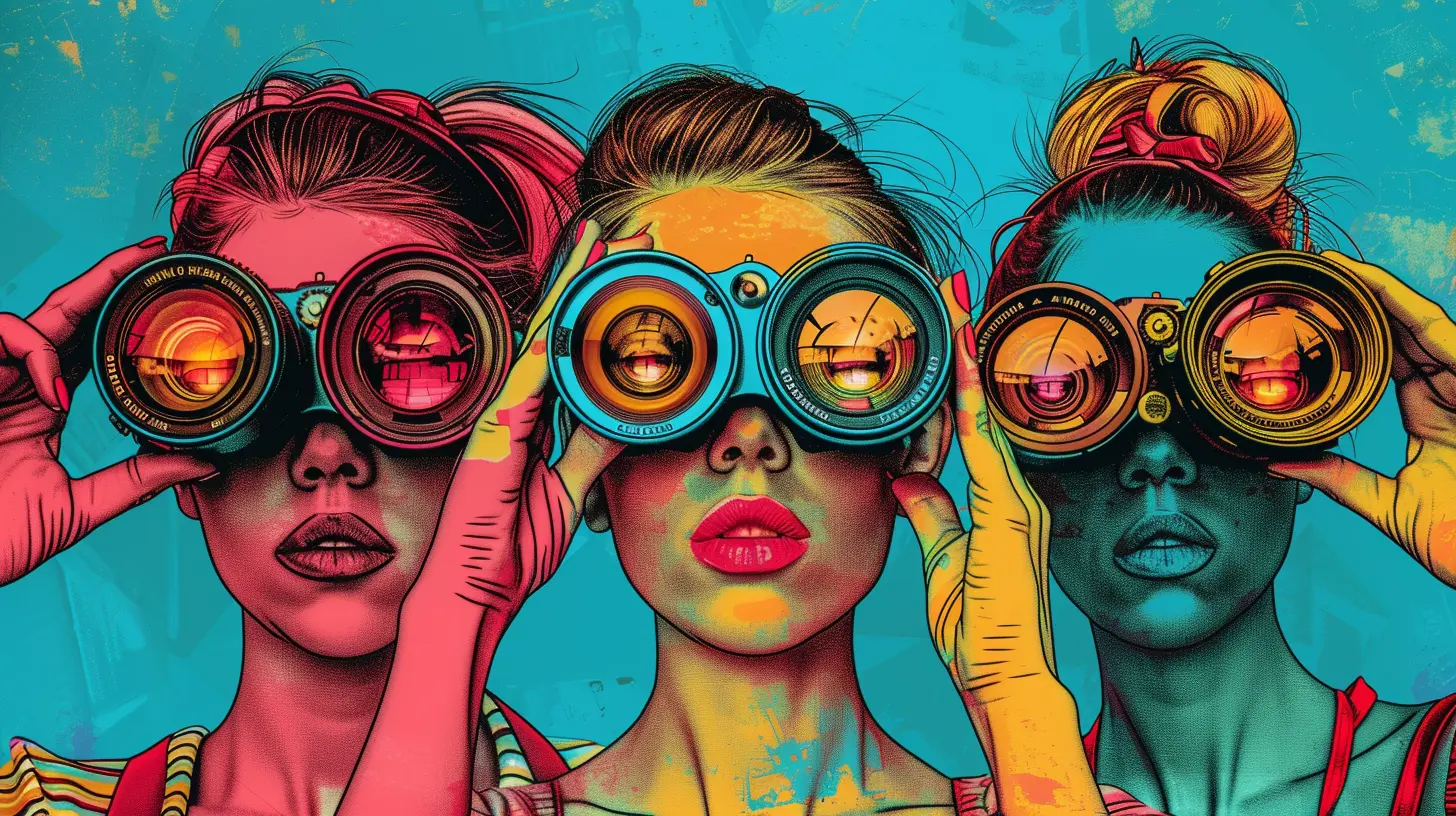
What Is Media Literacy?
Before we dive into the justice part, let's get clear on the basics.Media literacy is the ability to access, analyze, evaluate, and create media in all its forms. It’s like becoming fluent in the language of screens. It teaches us not to take media at face value but to ask the right questions:
- Who created this message?
- What’s their purpose?
- What techniques are they using to make it convincing?
- What’s left out?
When we apply this skill through a social justice lens, we start to notice patterns—subtle and not-so-subtle—that reinforce certain norms, ideas, or stereotypes. That’s when media literacy turns from awareness into activism.
The Role of Media in Shaping Our Views
Media is powerful—like, really powerful. It doesn’t just reflect society; it helps shape it.Whether it’s the quiet background music in a commercial or the major character arc in a blockbuster movie, media sends signals about what’s “normal,” what’s “beautiful,” who’s “dangerous,” and who gets to be the hero. Over time, these signals add up. They influence what we believe, how we behave, and even how we vote.
Let’s be real: when most of the content we consume is built by and for a dominant group, we’re going to see a skewed version of reality. That means marginalized voices often get misrepresented—or worse—completely ignored.
Stereotypes in Media: Why They Still Exist
You’d think by now we’d be past the days of tired stereotypes, right? Unfortunately, not.Stereotypes are oversimplified, fixed ideas about a group of people. They don’t just appear in cartoons or comedy skits. They’re alive and well in news stories, movie villains, social media trends, and advertising campaigns. They serve a purpose too: they help media creators communicate quickly by using shorthand representations. But here’s the catch—stereotypes rob people of their complexity.
Some common examples include:
- The aggressive Black man
- The submissive Asian woman
- The criminal Latino
- The exotic Middle Easterner
- The “welfare queen”
- The “model minority”
Sound familiar? That’s the problem.
Stereotypes create a narrative that’s hard to escape, even for the people being stereotyped. They affect opportunities, policies, self-perception, and safety. This is why challenging them is so critical.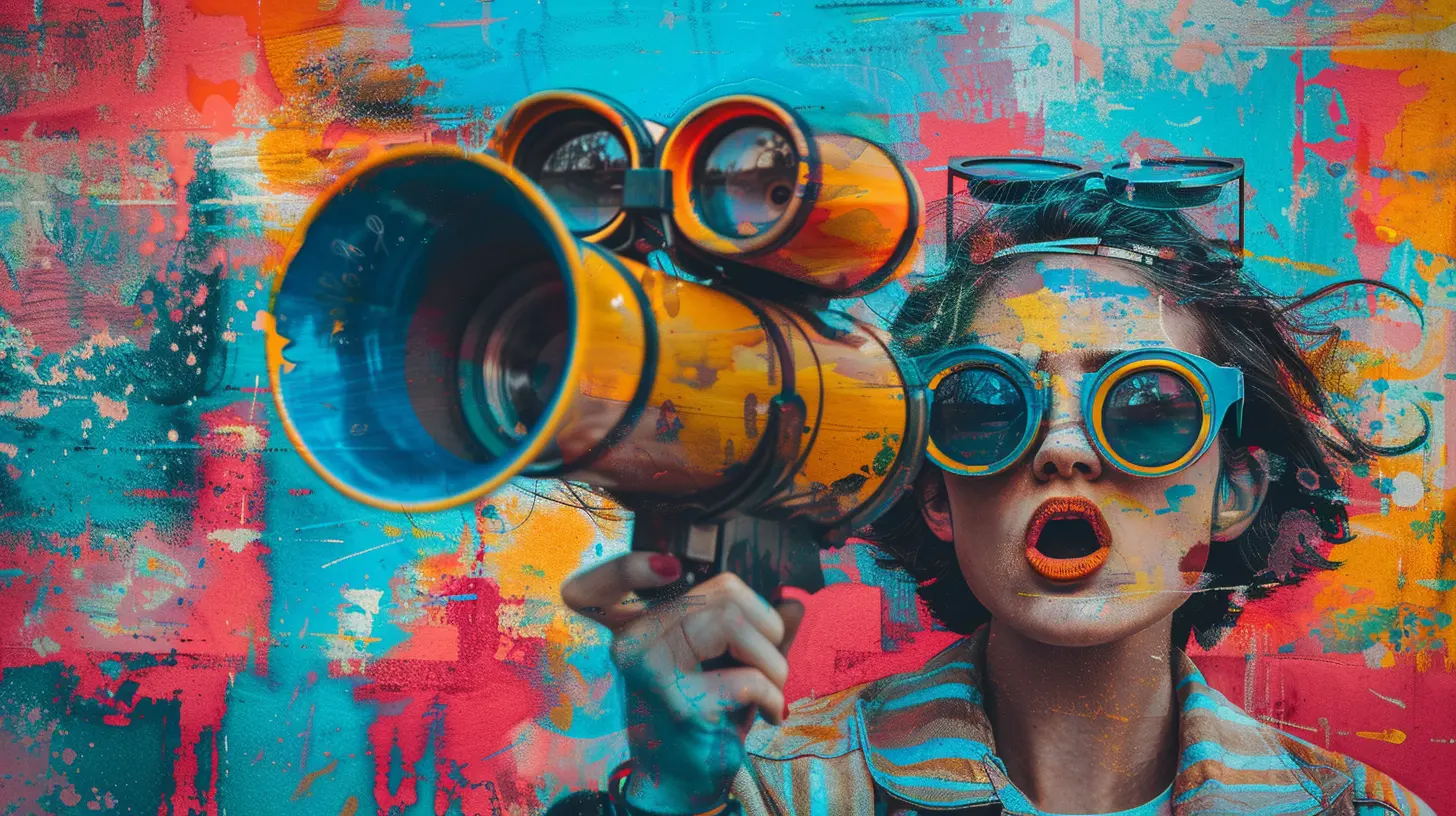
Bias in Media: Not Always Loud, But Always Present
Bias isn’t always obvious. Sometimes it whispers instead of shouts.Bias in media can present itself in many sneaky ways:
- Who gets quoted in news stories?
- What kinds of images accompany certain headlines?
- Which stories are prioritized and which are buried?
- Who’s shown as the victim, and who’s shown as the “thug”?
Even the tone of voice used to report on certain communities matters. For example, a white individual who commits a crime might be described as “troubled” or “mentally ill,” while a person of color in the same situation might be labeled as “criminal” or “violent” without context.
Once you start seeing these patterns, it’s hard to unsee them. That’s the power of media literacy. It gives you the tools to question, to push back, and to demand better.
Why Media Literacy Is a Social Justice Issue
Okay, so we’ve talked a lot about what media literacy is and how media can be biased. But what does all this have to do with social justice?Simple. Social justice is about fairness and equality. It’s about ensuring that everyone—regardless of race, gender, ability, religion, or background—has the same opportunities and is treated with dignity. Media plays a huge role in either supporting that mission or standing in its way.
When media reinforces harmful stereotypes or promotes biased narratives, it undermines social justice. But when we approach media critically and intentionally, we can shift those narratives. We can call out harmful portrayals, lift up underrepresented voices, and hold creators accountable.
Teaching Media Literacy: The First Step to Change
You might be wondering, “So what can I do?” Great question.Teaching and learning media literacy, especially from a young age, is one of the most powerful tools we have in this fight.
Here’s how you can start:
- Ask questions: Every time you watch or read something, ask yourself who created it and why.
- Diversify your media: Challenge your own echo chamber. Follow creators from different backgrounds and identities.
- Call it out: Don’t be afraid to speak up when you see something problematic. Online or offline.
- Create your own content: Share your voice. Tell stories that challenge the norm. Be part of the change.
Schools, community centers, and even families should incorporate media literacy into daily conversations. It shouldn't be a one-time lesson. It should be a lifelong skill.
Representation Matters — Like, A Lot
Here’s something we hear a lot: “It’s just a movie” or “It’s just a joke.” But is it?Representation in media matters because it validates experiences. It tells people, especially young people, that they matter—that their stories, families, and dreams are worth showing.
When you grow up never seeing someone who looks like you on screen (or only seeing them as the villain or sidekick), it impacts your sense of self-worth. On the flip side, when media shows people of color, LGBTQ+ individuals, people with disabilities, or immigrants as multifaceted, powerful, and real—it changes the game.
And it's not just about who is represented—it's also how. Are they treated with dignity? Do they have agency? Are they more than their trauma?
This is why we need more inclusive storytelling—not just in front of the camera, but also behind it. Writers, directors, journalists, editors—diverse voices in all these roles are key to creating a more just media landscape.
Using Media for Good
Now here’s the hopeful part: Media isn’t just the problem. It can also be the solution.Social media movements like #BlackLivesMatter, #MeToo, and #StopAsianHate have shown how powerful media can be when it's placed in the hands of the people. These platforms, when used thoughtfully, can amplify marginalized voices, educate others, and push for real-world change.
So yes, media can be toxic—but it can also be transformative. It can be a megaphone for justice. The goal isn't to run away from media but to engage with it wisely, critically, and courageously.
Final Thoughts: Your Voice Matters
Let’s be honest—changing media structures is a huge task. But it starts with small, intentional steps. And it starts with you.When you learn how to see through the lens of media literacy, you empower yourself to challenge what’s unjust and advocate for what’s right. You become part of a movement that says: We deserve better. Our stories matter. And we won't settle for one-size-fits-all narratives anymore.
So next time you're scrolling through your feed or watching a new show, take off the blinders. Ask the tough questions. Share your truth. Because when we change the stories, we change the world.
all images in this post were generated using AI tools
Category:
Media LiteracyAuthor:

Madeleine Newton
Discussion
rate this article
2 comments
Emma Snow
Essential insights on combating stereotypes through media literacy education.
February 1, 2026 at 5:06 AM
Madeleine Newton
I'm glad you found the insights valuable! Media literacy is a powerful tool for challenging stereotypes and fostering understanding.
Falkor Stevens
Great insights! Media literacy is essential for social justice.
January 14, 2026 at 11:21 AM
Madeleine Newton
Thank you! I completely agree—media literacy is crucial for empowering individuals to challenge stereotypes and promote social justice effectively.