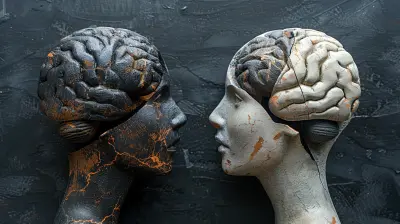
Media Literacy and Its Role in Preventing Online Radicalization
16 March 2026
Let’s face it—scrolling endlessly on social media, watching videos, or even glancing at news headlines online doesn’t feel like a big deal. But in today’s hyper-digital world, what you don’t know can hurt you. And I’m not just talking about fake news or bad memes. I’m talking about something deeper and more dangerous: online radicalization.
Now, before you roll your eyes and think, “That’ll never happen to me,” let me stop you right there. Online radicalization thrives in digital spaces we all frequent. From YouTube comment sections to TikTok rabbit holes, extremist ideologies are being slipped into our feeds—sometimes subtly, other times boldly.
This is where media literacy comes in. Think of it as your digital street smarts. It’s your invisible shield, helping you spot the manipulation, question the narrative, and stay grounded in a world swirling with disinformation and digital propaganda.
So, let’s dive deep into why media literacy isn’t just important—it’s essential. Especially when it comes to keeping ourselves and others safe from falling into online extremist traps.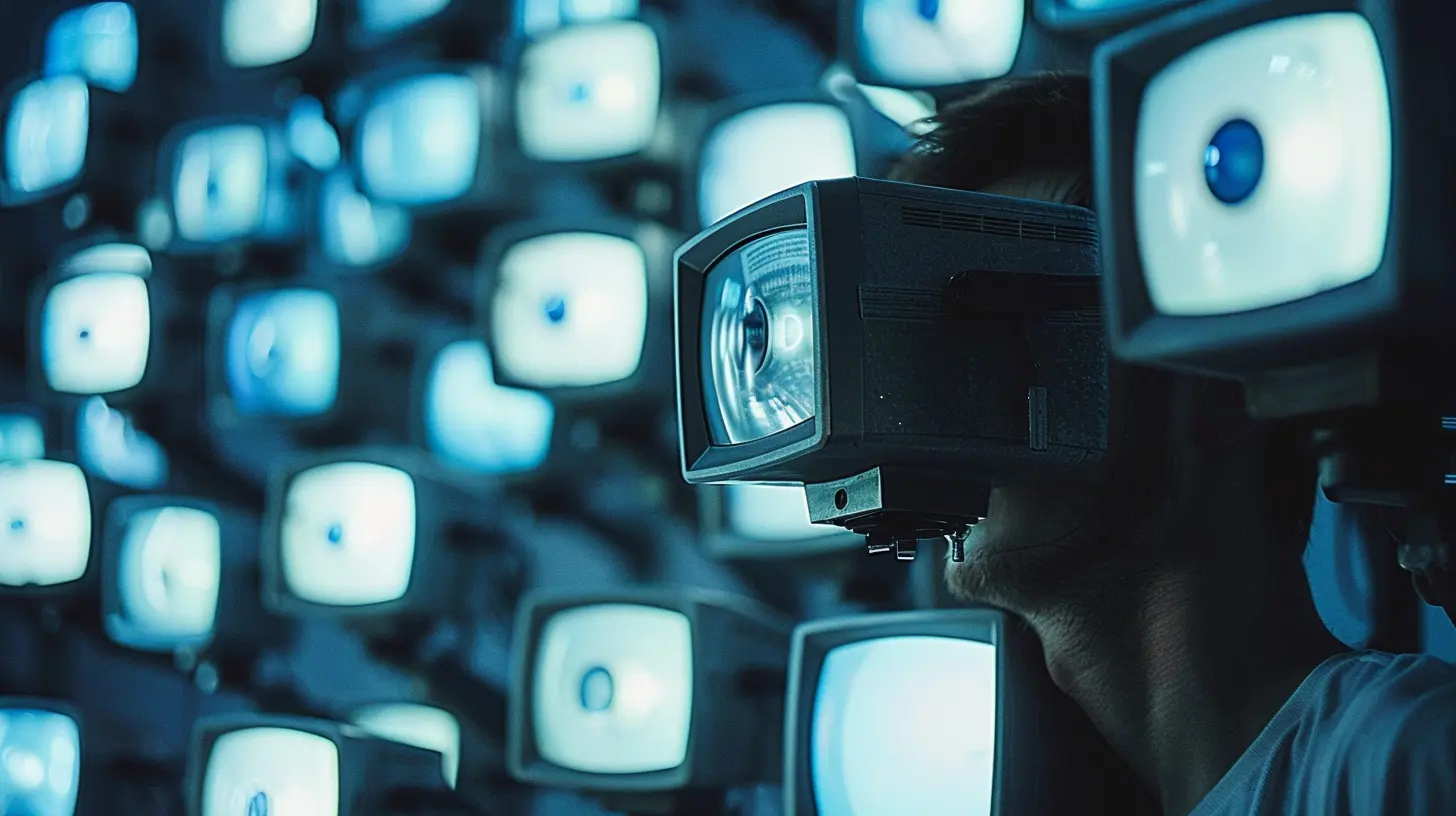
What is Media Literacy, Really?
Alright, let’s get the basics out of the way. Media literacy is the ability to analyze, evaluate, and create media in various forms. Sounds academic? Yeah, but it’s actually pretty simple. It’s all about asking the right questions when you encounter information.- Who created this content?
- What’s the motive behind it?
- Is it backed by facts or just opinions?
- What’s being left out?
In essence, media literacy is like being your own fact-checker. It's not about being skeptical of everything, but about being thoughtful. It’s a survival skill in the age of digital overload.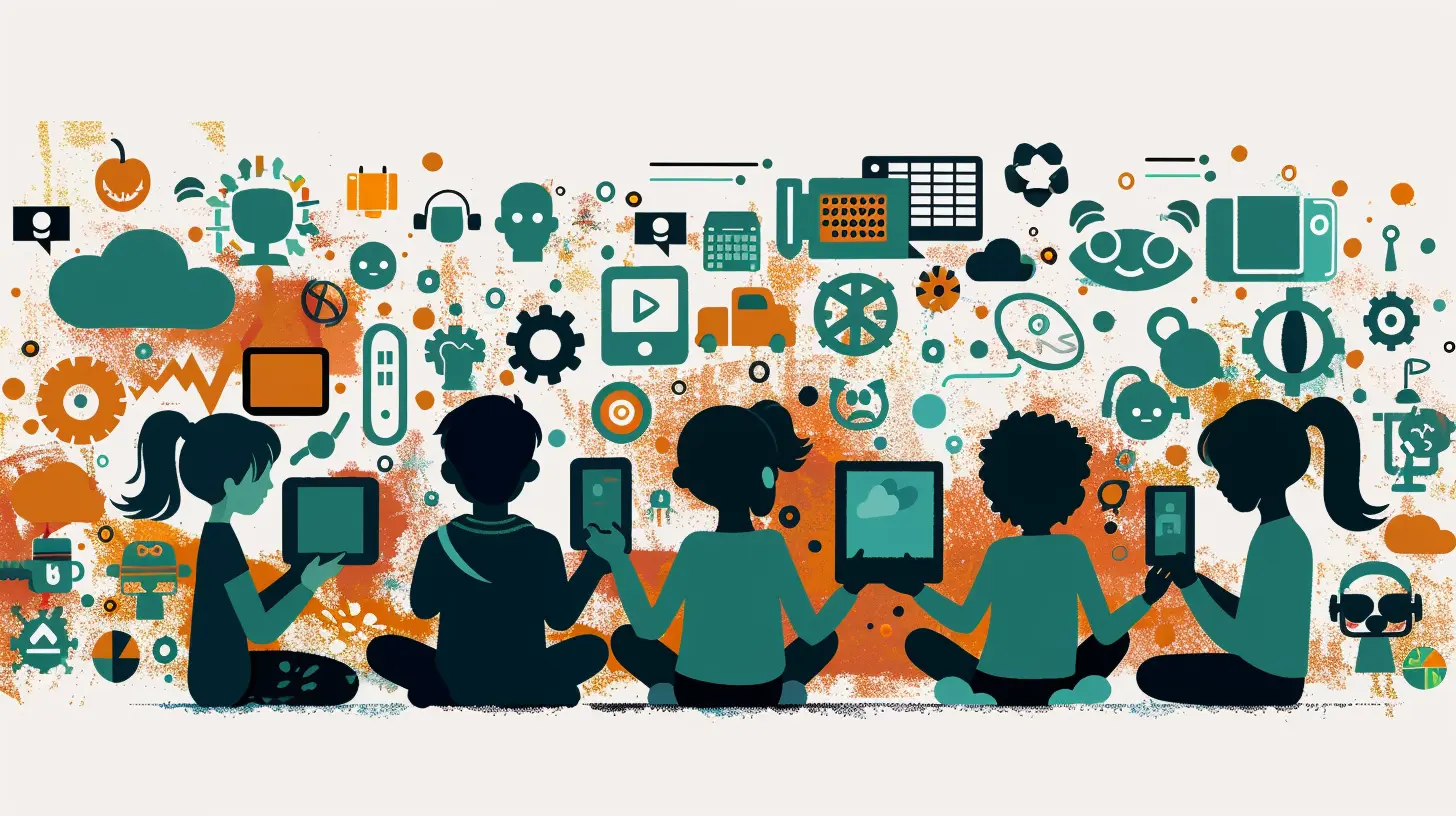
The Dark Side of the Internet: Online Radicalization Explained
Let’s break this down. Online radicalization is when someone adopts extremist beliefs through internet exposure. We're talking about political, religious, or ideological extremism, often nudging—or shoving—people toward violence or hate.It usually doesn’t happen in one big leap. Instead, it’s a slow drip of ideas, videos, podcasts, and chatroom discussions. The internet creates echo chambers and filter bubbles that isolate people from opposing viewpoints. Combine that with a vulnerable mind—bam, you’ve got a recipe for radicalization.
And here’s the kicker: these radical ideas are often wrapped in slick marketing, personal stories, and engaging content. They don’t scream "dangerous." They whisper “truth” in a way that feels exclusive and empowering.
Scary? You bet.
How Media Literacy Helps Combat Online Radicalization
So, how does media literacy step in like a virtual superhero? It does three major things: it builds awareness, encourages critical thinking, and promotes empathy. Let’s break each one down.1. Media Literacy Builds Awareness
Radical content often works because people don’t realize they’re being manipulated. With media literacy, you learn to spot red flags like:- Oversimplified narratives (e.g., “Us vs. Them” dichotomies)
- Emotional manipulation
- Fake authority or unverified sources
- Demonization of a particular group
Think of it as putting on glasses that help you see the full picture. Once you recognize how content is crafted—which words are used, what emotions are targeted—you start breaking the spell.
2. It Teaches Critical Thinking
When you’re media literate, you don’t just consume information—you interrogate it. You ask questions. You cross-check facts. You look at the data. You wonder, “What’s missing here?”This habit of questioning stops you from blindly accepting extreme viewpoints. Critical thinkers are less likely to be duped, and that’s a powerful defense against propaganda.
3. It Cultivates Empathy and Digital Citizenship
Media literacy also forces you to step into someone else’s shoes. You realize that every story has multiple sides. This empathy can counter the divisive tactics used by extremist recruiters and trolls.Plus, media-literate individuals often become better digital citizens. They engage politely, report harmful content, and even help guide others away from toxic online spaces. And hey, that ripple effect can be massive.
Real-World Examples: Media Literacy in Action
Need proof that this works? Let’s look at some real-world cases.Case 1: The UK’s Prevent Program
In the UK, schools have been integrating media literacy into their curriculum through various modules that tie in with the government's Prevent strategy. Teenagers are shown how extremist propaganda is made and why it's effective. The result? A noticeable drop in youth susceptibility to radical content.Case 2: Finland’s National Strategy
Finland is often praised for being one of the most media-literate countries. Their government actively promotes media literacy through education, community programs, and public awareness campaigns. And guess what? The country has a remarkably low rate of online extremism.Case 3: YouTube’s Algorithm Tweak
After being criticized for leading users down rabbit holes filled with radical content, YouTube made changes to its recommendation algorithm. While not perfect, these tweaks were guided by media literacy principles—like reducing exposure to misleading content and promoting authoritative sources.The Role of Schools and Educators
You can’t talk about media literacy without talking about education. Schools are ground zero for this fight. And no, it’s not about banning phones or blocking websites. It’s about teaching students to think critically about what they see online.Start Early
Media literacy shouldn't be saved for high school. Kids are getting phones at younger ages, so why not start building their critical filters early too?Make it Relatable
Textbook definitions won't cut it. Use real TikToks, memes, and YouTube videos to show how manipulation happens. Break things down in a way students can relate to.Keep it Ongoing
One workshop isn’t enough. Media literacy should be part of the regular curriculum, updated frequently to keep up with digital trends.Parents and Guardians—You’ve Got a Role Too
If you’re a parent, you're probably already battling screen time. But media literacy isn’t about limiting access—it’s about guiding understanding.- Talk to your kids about what they’re watching.
- Ask them how they know a source is credible.
- Encourage them to think critically, especially when something seems too "black and white."
You don’t need to be a tech wizard. Just be curious, involved, and open.
What About Social Media Platforms?
Social media companies have a huge role to play. While some have taken steps—like content warnings, fact-checking labels, and reporting tools—there’s still a long road ahead.Here are three things platforms can do better:
1. Transparency in Algorithms – Users should know why they’re seeing certain content.
2. Boosting Media Literacy Initiatives – Partner with educators and non-profits to promote awareness.
3. Flagging Extremist Content Early – Use AI responsibly to catch harmful trends before they spiral.
But at the end of the day, platforms aren’t the only gatekeepers. We, as users, shape the digital landscape too.
Actions You Can Take Today
Alright, let’s bring this home. What can you do to help prevent online radicalization through media literacy? Here’s a quick checklist:✅ Learn the basics of media literacy.
✅ Share insightful, reliable content.
✅ Challenge misinformation when you see it.
✅ Talk to friends and family about digital safety.
✅ Support media literacy initiatives in schools and communities.
You don’t need to be an expert. Just start asking questions, and encourage others to do the same. That’s how change happens—conversation by conversation, post by post.
Final Thoughts: Media Literacy is Your Superpower
To put it plainly, we’re living in a digital jungle. The internet is wild, unpredictable, and sometimes outright dangerous. But we’re not powerless. Media literacy gives us the tools to navigate this jungle, to resist manipulation, and to protect those around us.It’s not just about avoiding being duped—it’s about becoming more human in a world run by algorithms. More thoughtful, more compassionate, more aware.
So the next time you’re scrolling Instagram or reading a sketchy headline, pause and think: What’s really going on here? That moment of curiosity could be what keeps you—or someone else—out of the radicalization trap.
all images in this post were generated using AI tools
Category:
Media LiteracyAuthor:

Madeleine Newton
Discussion
rate this article
2 comments
Owyn McMillen
Empowering individuals with media literacy is crucial in today’s digital age. By fostering critical thinking and awareness, we can equip ourselves and our communities to combat online radicalization, promoting a safer, more informed society for all. Let's champion this change!
March 23, 2026 at 5:17 AM
Madeleine Newton
Thanks for your insights. Media literacy truly is essential for navigating today's digital landscape and building a more informed society. Let's keep the conversation going.
Elias McIlroy
In a digital sea of shifting tides, Media literacy guides our strides. With knowledge as our sturdy sail, We navigate the storm, we won't derail. Empowered minds can counter hate, We build a future, strong and great. Together we'll stand, united and wise, To see through deception’s guise.
March 18, 2026 at 5:49 AM
Madeleine Newton
Thank you for your poetic insight! It's a powerful reminder of how media literacy can empower individuals to navigate online challenges and counter misinformation. Together, we can build a more informed and resilient society.