Managing Multi-Grade Classrooms: Tips and Tricks
11 May 2026
Handling a multi-grade classroom can feel like juggling flaming torches while riding a unicycle—it’s challenging, but with the right strategies, it’s absolutely doable. Whether you’re a seasoned educator or just stepping into this unique teaching environment, mastering the art of managing multiple grade levels in a single room is crucial.
In this guide, we'll dive into practical tips and tricks that will help you create an effective, organized, and engaging learning space for students of different ages and skill levels.
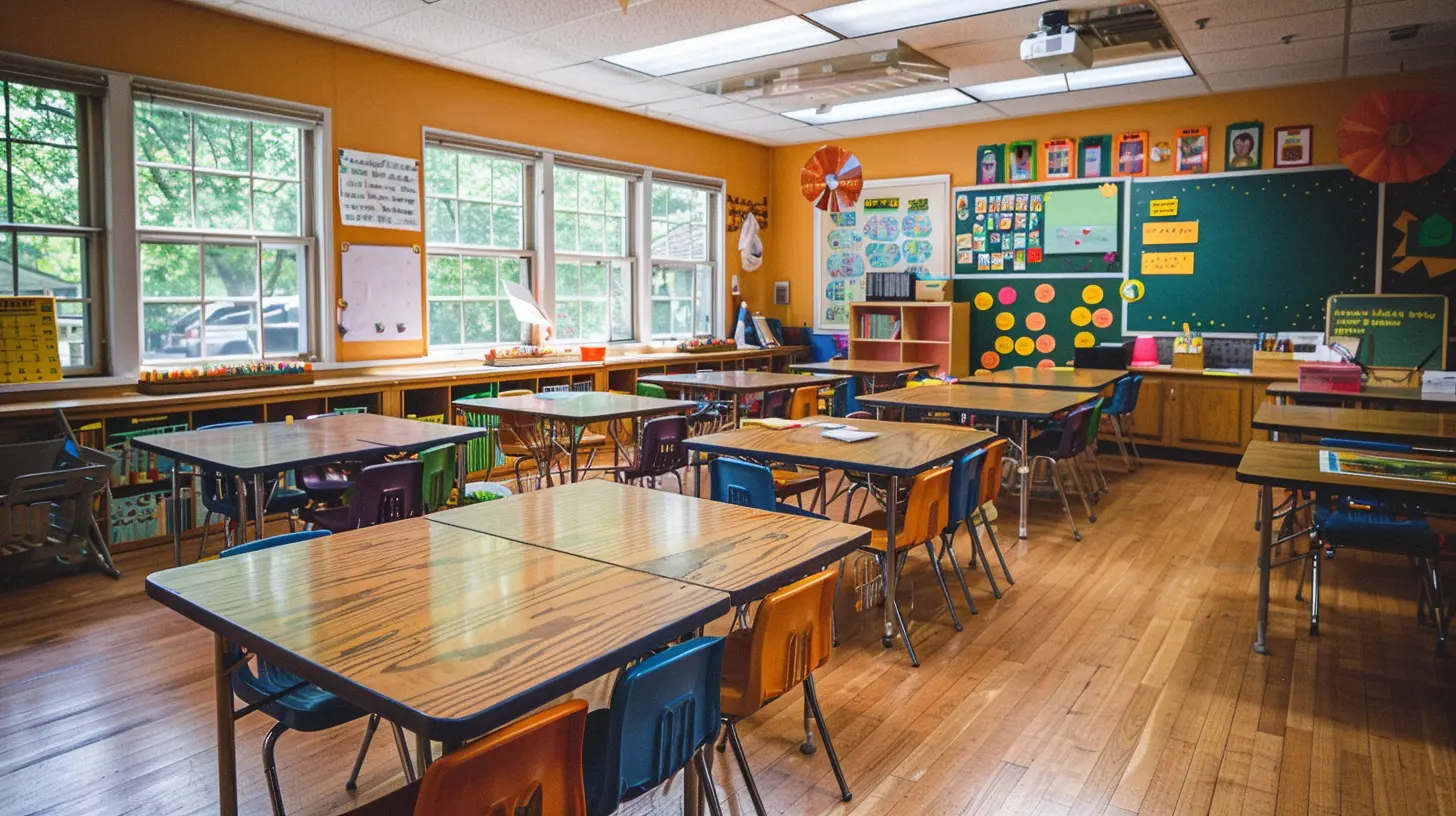
What Is a Multi-Grade Classroom?
A multi-grade classroom is where a single teacher instructs students from two or more grade levels at the same time. This structure is common in rural areas, small schools, and homeschooling environments.While it presents challenges in lesson planning, classroom organization, and student engagement, it also offers unique benefits—like personalized learning and stronger peer relationships.
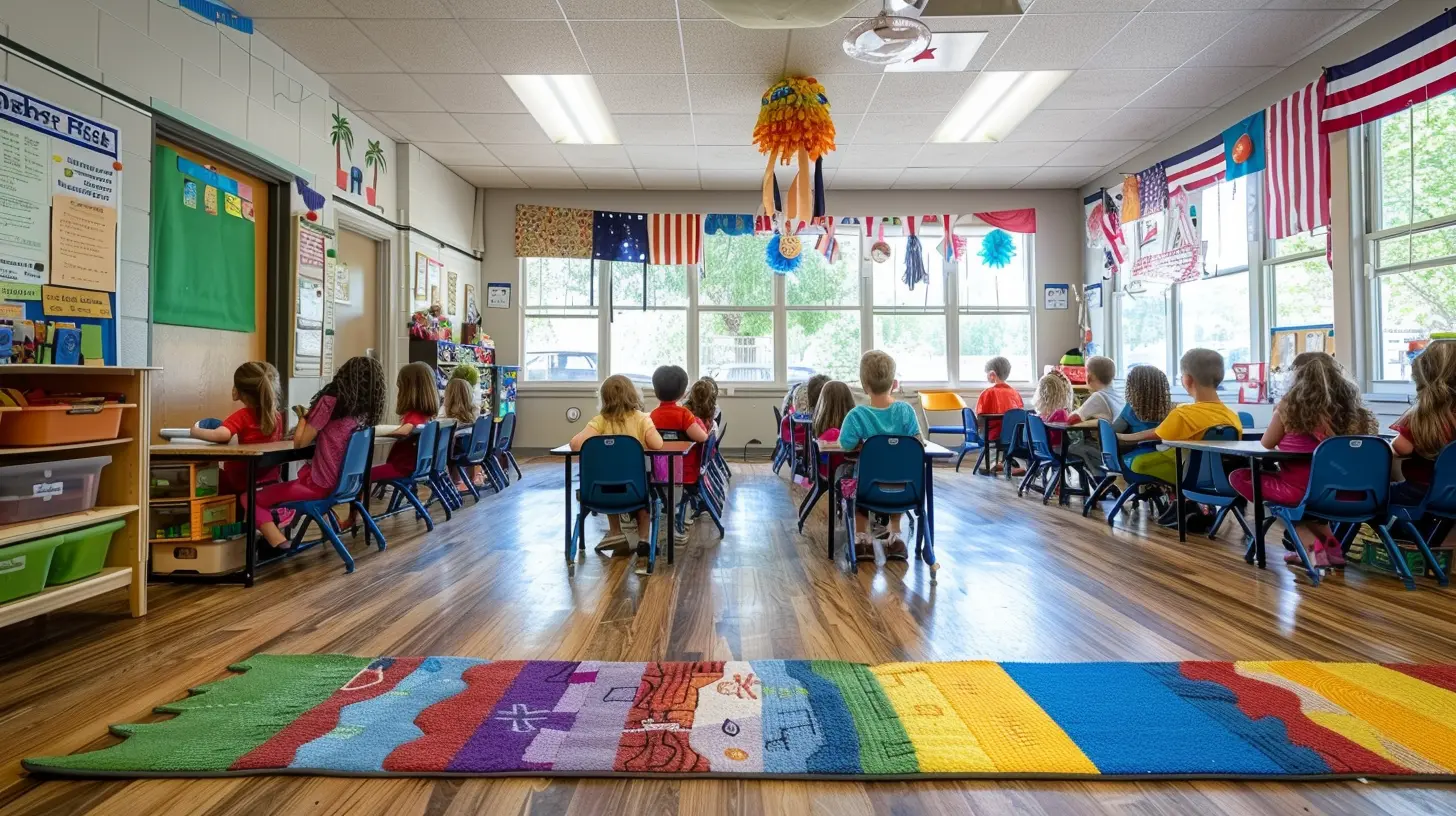
Challenges of Teaching in a Multi-Grade Classroom
Before we tackle strategies, let's acknowledge some common hurdles:- Varying Academic Levels: Students in different grades have unique learning needs, making it tough to teach a single lesson that caters to everyone.
- Time Management: Keeping up with multiple curricula and assessments can be overwhelming.
- Classroom Engagement: Some students might finish their work early, while others struggle to keep up. Balancing engagement is tricky.
- Limited Resources: Teaching different grades at once often means stretching limited supplies and materials.
Now, let’s dive into practical solutions. 
1. Effective Lesson Planning: Work Smarter, Not Harder
Lesson planning for multiple grades doesn’t have to be chaotic. Use these methods to streamline the process:a. Use a Rotational Learning Model
Break the class into small groups based on grade levels. While one group works on an independent task, another receives direct instruction. This keeps everyone engaged and learning at their own pace.b. Implement Theme-Based Teaching
Find common themes across subjects and tailor lessons accordingly. For example, if you're teaching science, younger students can learn about the water cycle through drawings, while older students conduct experiments. This helps unify learning while meeting different academic levels.c. Use Multi-Level Resources
Invest in materials that cater to different learning levels within the same subject. Many online platforms offer differentiated worksheets and interactive lessons to meet varied needs.
2. Classroom Organization: Structure Is Key
a. Create Learning Stations
Designate areas for different activities, such as:- Independent Work Zone – For self-paced assignments.
- Small Group Instruction – Teacher-led sessions for focused learning.
- Creative Space – For hands-on projects and collaborative assignments.
b. Establish Clear Routines
Consistency is your best friend. Set up a daily schedule with specific time slots for different grade levels. When students know what to expect, they stay focused and productive.c. Use Visual Timers and Charts
Visual cues like classroom schedules and timers help students manage their time efficiently and stay on task.3. Differentiated Instruction: Tailor Learning to Individual Needs
a. Leverage Peer Teaching
Older students can mentor younger ones—this reinforces knowledge for the older kids and provides support for the younger students. It’s a win-win!b. Assign Tiered Assignments
Provide assignments with different levels of complexity. This way, all students engage with the same topic but at their own skill level.c. Offer Choice-Based Learning
Let students choose how they complete an assignment—whether it’s writing a report, creating a video, or making a poster. Giving them options keeps motivation high.4. Technology Integration: Use Digital Tools to Your Advantage
a. Online Learning Platforms
Platforms like Khan Academy, Google Classroom, and Prodigy offer self-paced learning tailored to different grade levels.b. Educational Apps
Use apps like Duolingo for language learning or BrainPOP for interactive lessons that cater to various ages.c. Virtual Field Trips
When taking your class on a physical field trip isn’t an option, virtual tours of museums, zoos, and historical sites can provide immersive learning experiences.5. Classroom Management Strategies: Keep Things Running Smoothly
a. Set Clear Expectations
Students of varying ages need clear behavior guidelines. Establish rules together so everyone feels accountable.b. Foster a Collaborative Classroom Culture
Encourage teamwork and respect among students. Group activities and discussions help bridge the gap between age differences.c. Utilize a Reward System
Positive reinforcement—like a points system or small incentives—keeps students motivated and engaged.6. Assessment and Progress Tracking: Measuring Success
a. Use Formative Assessments
Regular quizzes, classroom discussions, and one-on-one check-ins help gauge student understanding without relying solely on formal tests.b. Create Individual Learning Plans
Track each student's progress with personalized learning goals. This helps you see where they need extra support.c. Encourage Self-Assessment
Teach students to reflect on their learning through journals or exit tickets. Self-assessment builds responsibility and awareness.7. Self-Care for Teachers: Avoid Burnout
a. Simplify Where Possible
You don’t have to do everything. Focus on what works best for your class and let go of unnecessary stressors.b. Connect with Other Multi-Grade Teachers
Join online forums or educator groups for support and new ideas. Sharing experiences can make the journey easier.c. Take Breaks and Prioritize Well-Being
A happy, energized teacher means a happy, engaged classroom. Don’t skip self-care!Final Thoughts
Managing a multi-grade classroom comes with its fair share of challenges, but with strategic planning, organization, and creativity, it can also be incredibly rewarding. By embracing flexibility, fostering a strong classroom community, and utilizing available resources, you can create an enriching learning experience for all students—regardless of their grade level.So, take a deep breath, experiment with different strategies, and find what works best for you and your students. After all, teaching is a journey, and every day brings new learning experiences for both you and your class.
all images in this post were generated using AI tools
Category:
Classroom ManagementAuthor:

Madeleine Newton
Discussion
rate this article
2 comments
Cassian McGuffin
Great insights on navigating the challenges of multi-grade classrooms. Your practical tips can really help teachers engage students effectively. It's all about fostering a collaborative learning environment that meets diverse needs.
June 16, 2026 at 3:07 AM
Madeleine Newton
Thanks for your feedback! I'm glad you found the tips helpful. Engaging students in a collaborative environment makes a big difference.
Caitlin O'Brien
Ah yes, managing multi-grade classrooms. Because who doesn't love juggling flaming swords while riding a unicycle? I mean, what could possibly go wrong with that kind of chaos... right?
May 12, 2026 at 12:06 PM
Madeleine Newton
I can see your point! It can feel like a circus sometimes, but with the right strategies, it can actually be rewarding.