Investigating the Role of Play in Learning: An Educational Research Perspective
19 June 2026
Play is often seen as just a fun break from structured learning, but what if I told you that play is actually a powerful tool for education? Think about it—when kids play, they experiment, problem-solve, and interact with the world in ways that traditional learning methods might not allow. And this isn't just true for young children; teenagers and even adults can benefit from playful learning experiences.
But how exactly does play contribute to learning? What does scientific research say about it? In this article, we’ll dive deep into the role of play in education, examining what makes it so effective and how educators can integrate play-based learning into classrooms.
The Science Behind Play and Learning
Cognitive Benefits of Play
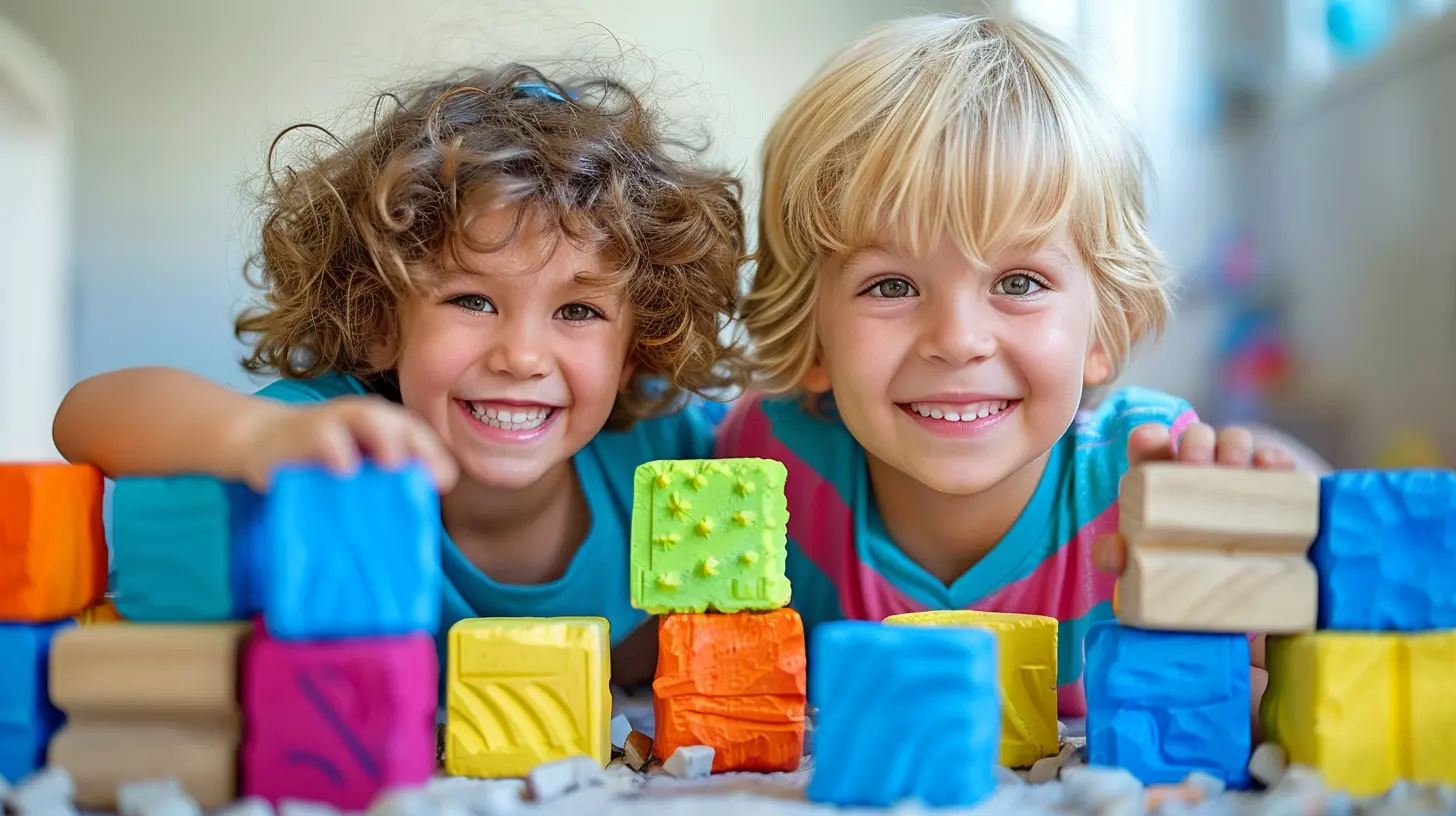
Play isn't just mindless fun—it’s cognitive training in disguise. Studies have shown that when children engage in imaginative or structured play, they develop essential cognitive skills such as:- Problem-solving – Figuring out how to build a Lego tower without it collapsing enhances critical thinking.
- Memory improvement – Games that require recall, like matching card games, strengthen memory.
- Creativity – Role-playing and storytelling foster imagination, which is crucial for innovation.
Neurologically, play stimulates the brain’s prefrontal cortex, the part responsible for planning, decision-making, and regulating emotions. This means that children who engage in play-based learning often show increased ability to focus and strategize.
Social and Emotional Growth Through Play
Beyond cognitive development, play also fosters emotional intelligence and social skills. Ever watched kids negotiate roles in a game of pretend? They’re learning cooperation, empathy, and conflict resolution—skills that will serve them for life.Research suggests that children who engage in more interactive play tend to develop stronger peer relationships and better emotional regulation. Whether they are playing team sports, board games, or engaging in group storytelling, these activities teach them how to navigate social situations effectively.
Physical Development in Play-Based Learning
Play isn’t just about the mind; it also affects the body. Running, climbing, and engaging in physically active games help improve coordination, balance, and motor skills. Even simple activities like playing with building blocks can enhance fine motor development.For younger children, physical play is crucial for developing muscle strength and hand-eye coordination. For older students, activities like sports and dance provide social connections and stress relief, which ultimately contribute to better learning outcomes.
Different Types of Play in Education
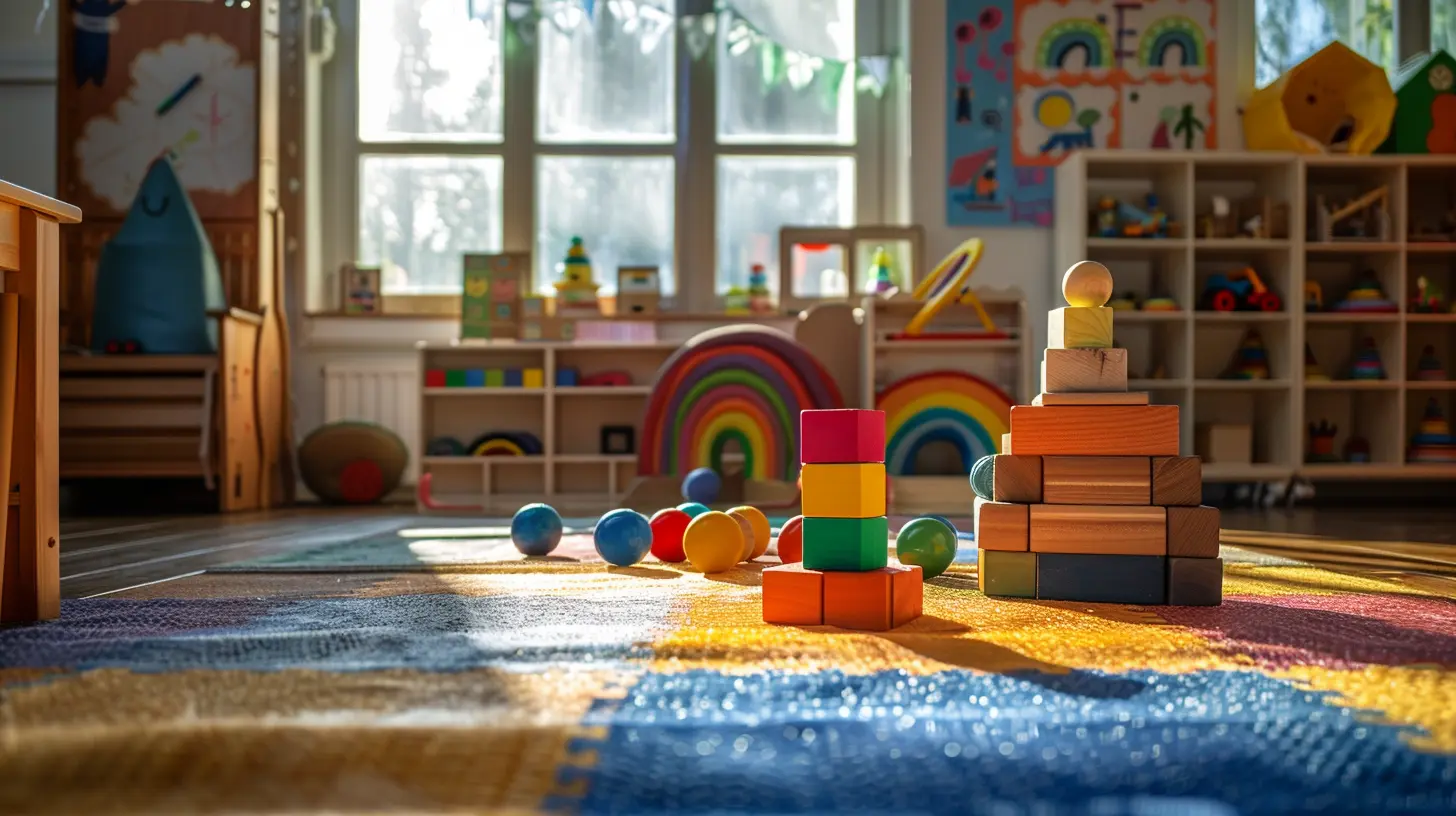
Not all play is the same. In fact, researchers have identified several types of play that contribute differently to learning.1. Free Play
This is the kind of unstructured play where kids make their own rules. Think of a child pretending to be a superhero or building an imaginary world with toys. Free play encourages creativity, decision-making, and self-expression.2. Guided Play
Here, adults provide a structured environment but allow children to explore within it. For example, a teacher might set up a science experiment and let students predict outcomes and test different approaches. Guided play balances freedom with learning objectives.3. Constructive Play
This involves creating or building something—think puzzles, Lego, or arts and crafts. It helps with problem-solving, patience, and critical thinking. Many STEAM (Science, Technology, Engineering, Arts, and Mathematics) activities fall under this category.4. Role-Playing and Dramatic Play
Acting out situations, whether through pretend play or structured drama activities, helps children understand emotions, develop language skills, and enhance their imagination. It’s why methods like Montessori and Waldorf education emphasize role-playing in learning.5. Physical Play
Sports, dance, tag—these activities help develop motor skills and promote healthy physical development. More than that, they teach teamwork and perseverance.
Integrating Play into Education
Schools That Use Play-Based Learning
Many education systems have recognized the importance of play. Finland, for example, has minimal homework and prioritizes recess and play, yet consistently ranks at the top of global education rankings. What’s their secret? A belief that children learn best when they are actively engaged and enjoying the process.Similarly, Montessori and Waldorf education models incorporate hands-on, play-oriented learning environments where students explore subjects at their own pace.
How Educators Can Incorporate Play in the Classroom
For teachers looking to integrate play-based learning, here are some practical ways:- Gamify lessons – Turn concepts into interactive games. For example, math can be taught using board games or digital apps.
- Encourage project-based learning – Let students build, experiment, and create solutions rather than just memorize facts.
- Use role-play scenarios – Whether in history, science, or literature, placing students in different roles can deepen their understanding.
- Prioritize recess and brain breaks – Short play sessions between lessons help keep students engaged and focused.
Balancing Play and Traditional Learning
Some worry that play might take away from serious learning, but the truth is, both can coexist. The key is balance—using play strategically to reinforce academic concepts rather than replacing structured learning entirely.For example, a science lesson about ecosystems could be followed by a game where students "become" different animals, simulating predator-prey relationships. When done right, play doesn’t distract from learning—it enhances it.

Challenges and Misconceptions About Play-Based Learning
Despite its benefits, play-based learning often faces criticism. Some believe it lacks structure, while others argue that it’s not as rigorous as traditional teaching.However, research consistently shows that play-based learning does not hinder academic performance. In fact, students who engage in play often perform better in subjects like math, science, and language arts. The challenge lies in shifting the mindset that play is a distraction rather than a powerful learning tool.
The Future of Play in Education
As education evolves, incorporating play into learning is becoming more important. With the rise of AI, virtual reality, and interactive e-learning platforms, play-based learning is more accessible than ever. Educational games and simulations can make learning engaging and effective for all ages.Moreover, as mental health concerns rise among students, play provides a natural and effective way to reduce stress and anxiety in the classroom. By adopting a more playful approach to education, we move toward a system that fosters not only knowledge but also joy and curiosity.
Final Thoughts
Play isn't just for kids—it's a fundamental part of how we learn at every stage of life. When we embrace play in education, we create opportunities for deeper understanding, creativity, and emotional growth. Whether you're an educator, parent, or student, embracing the power of play can transform the way we think about learning.So, the next time you see a child lost in play, remember—they're not just having fun. They're learning, growing, and preparing for the future.
all images in this post were generated using AI tools
Category:
Educational ResearchAuthor:

Madeleine Newton
Discussion
rate this article
1 comments
Isaac Pope
This article beautifully highlights the importance of play in learning. It's inspiring to see research uncovering such valuable insights for education.
June 20, 2026 at 12:51 PM
Madeleine Newton
Thank you for your kind words! I'm glad you found the insights valuable. Play really is essential for effective learning.