How to Foster a Collaborative Classroom Environment
13 May 2026
Ah, the classroom—a sacred battleground where students either thrive together or plot each other's intellectual downfall. Ideally, we want the former, right? But let’s be honest, getting students to work together without one person doing all the work while others coast on their efforts is like trying to convince a cat to take a bath.
However, with the right strategies, your classroom can transform into a dynamic hub of collaboration, rather than a silent staring contest between students waiting for someone else to speak. So, let’s dive into the art of fostering a collaborative classroom environment, where teamwork isn’t just a buzzword but an actual, functioning reality.
The Importance of a Collaborative Classroom
Before we start throwing fancy methods around, let’s take a moment to acknowledge why collaboration even matters. A classroom without collaboration is like a group project where only one person does the work—pointless and frustrating.When students work together, they:
- Develop communication and critical thinking skills
- Learn how to respectfully disagree (a lost art these days, honestly)
- Build empathy and a sense of community
- Prepare for the real world (because, spoiler alert: teamwork doesn’t disappear after graduation)
So, now that we’ve established that collaboration isn’t just some feel-good nonsense, let’s talk about how to actually make it happen.
1. Set the Right Tone from Day One
Picture this: It’s the first day of class, and students are eyeing each other like contestants on a reality show. This is your moment to set the tone. If you want collaboration, you need to establish an environment where students feel safe to share ideas without the fear of being judged like they just gave the wrong answer on a game show.- Encourage participation – No, seriously, make it clear that their voices matter.
- Model collaboration – If you want them to work together, show them how it’s done. Instead of lecturing at them, involve them in discussions.
- Acknowledge all contributions – Nothing kills participation faster than a teacher who only nods at the “smart” students.
2. Assign Group Work That Actually Works
Ah, group work—the two words that strike fear into the hearts of students everywhere. Why? Because it’s often a disaster. But it doesn’t have to be.To make group work effective:
- Clearly define roles – No more “Group Leader” titles that mean nothing. Assign specific responsibilities. Think: timekeeper, researcher, presenter—something with teeth.
- Mix up the groups – If left to their own devices, students will stick with their friends. Shake things up. Force unlikely alliances. Let the magic happen.
- Make participation non-negotiable – Use peer evaluations (because nothing motivates effort like knowing your teammates have a say in your grade).
3. Use Technology to Your Advantage
Since students practically have their phones surgically attached to their hands, why not use technology to boost collaboration instead of pretending it doesn't exist?- Google Docs & Slides – Real-time collaboration without the “Who has the USB drive?” debacle.
- Discussion Boards – Because some students are braver online than in person (we see you, silent thinkers).
- Interactive Apps – Like Kahoot! for quizzes or Jamboard for brainstorming. Because who doesn’t love a little gamification?
4. Foster Open Communication and Respect
Let’s face it—communication in group settings can range from productive dialogue to passive-aggressive eye rolls. Teaching students how to communicate respectfully is crucial.- Teach active listening – Yes, that means actually listening, not just waiting for their turn to speak. Revolutionary, huh?
- Encourage constructive criticism – "That idea is trash" is not feedback. Teach them to rephrase with kindness.
- Address conflicts promptly – Because nothing derails collaboration faster than unresolved tension brewing under the surface.
5. Make Collaboration Fun (Yes, Really)
If collaboration feels like a chore, students will treat it like one. Make it something they want to engage in.- Gamify teamwork – Set up challenges where teamwork is a must. Escape rooms, project-based learning, debates—endless possibilities.
- Reward collaboration – Recognize and celebrate effective teamwork. Praise works wonders (adults like it too, by the way).
- Let creativity shine – Give students options. Some thrive in discussion, others prefer visuals, videos, or hands-on projects. Play to their strengths.
6. Lead by Example (Yep, You Too, Teacher)
If you want students to collaborate, you can’t be a lone wolf at the front of the class, hoarding all the knowledge. Engage with them. Show them what collaboration looks like.- Seek their input – Instead of dictating every aspect of the class, involve students in decisions.
- Work alongside them – Be present in group activities. Offer guidance, not just grades.
- Admit when you don’t know something – Yes, you’re brilliant, but even teachers don’t know everything. Model lifelong learning.
7. Encourage a Growth Mindset
Finally, remind students that collaboration is a skill, not an innate talent. Like riding a bike or writing an essay without procrastinating until the last minute, it takes practice.- Celebrate progress, not just success – Remind them that even failed group projects teach valuable lessons (mainly patience).
- Normalize mistakes – Because nothing kills participation faster than fear of failure.
- Reinforce adaptability – Not every team will be a dream team. Learning to work with different personalities is part of the process.
Conclusion
Fostering a collaborative classroom environment isn’t rocket science, but it does require effort. The goal is to create a space where students feel valued, heard, and motivated to engage with their peers—not just because they have to, but because they want to.So, next time you’re facing a room full of students who would rather stare at their desks than collaborate, remember: A little structure, a little creativity, and a whole lot of patience can work wonders. And who knows? You might just turn your classroom into the kind of place where teamwork isn’t just an overused corporate buzzword, but an actual way of learning.
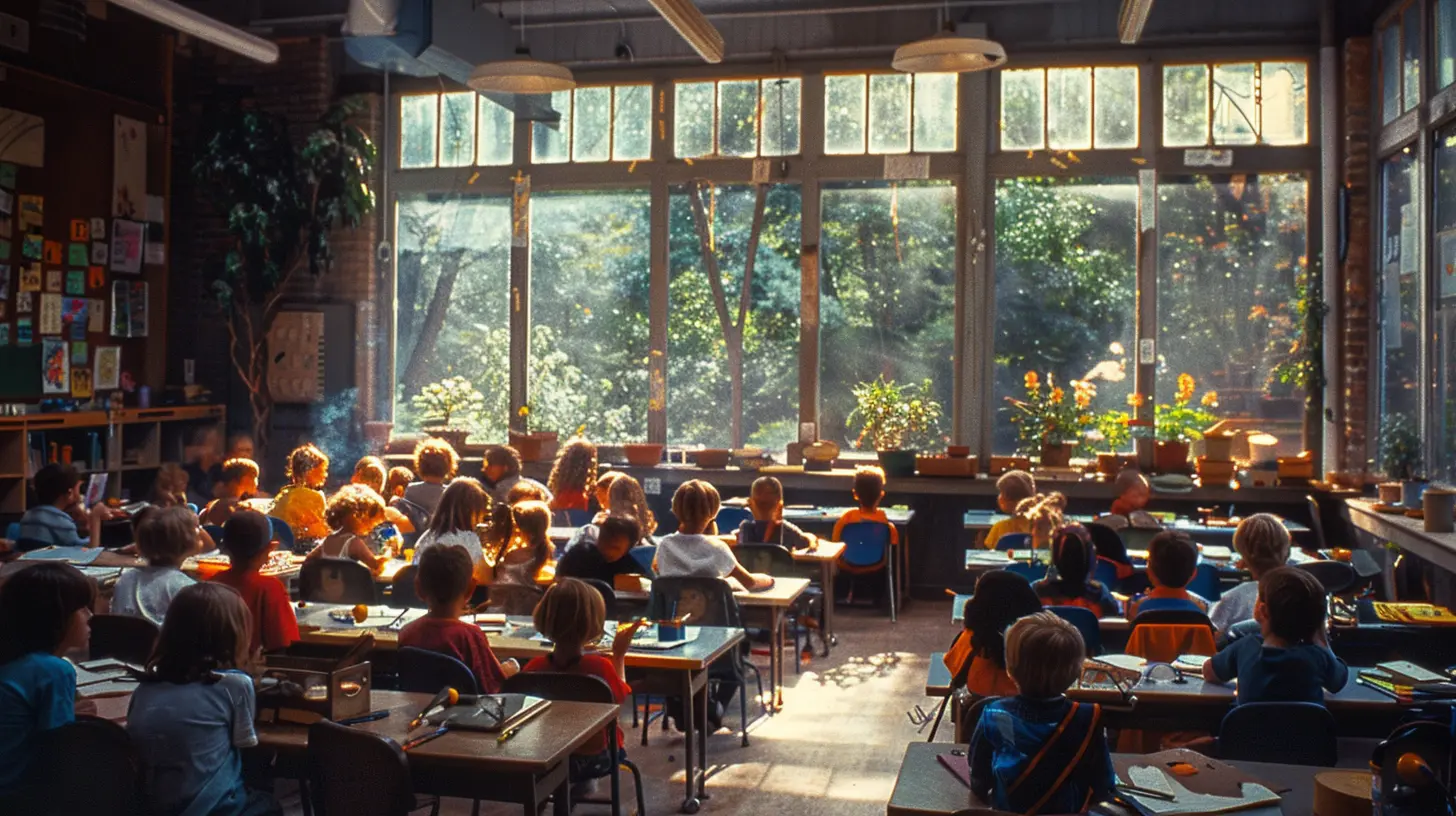
all images in this post were generated using AI tools
Category:
Classroom ManagementAuthor:

Madeleine Newton
Discussion
rate this article
2 comments
Lyla O'Neal
This article offers valuable insights into creating a collaborative classroom. Fostering teamwork not only enhances learning but also builds essential social skills. The strategies shared here can inspire educators to cultivate a supportive and engaging environment for all students.
June 19, 2026 at 3:36 AM
Madeleine Newton
Thank you for your thoughtful comment! I'm glad you found the insights valuable for fostering teamwork and social skills in the classroom.
Zevonis Hughes
Creating a collaborative classroom boosts student engagement and nurtures teamwork skills, making learning more enjoyable and effective.
May 15, 2026 at 2:43 AM
Madeleine Newton
Absolutely! Collaboration not only engages students but also builds essential skills for their future. It's a win-win for everyone involved.