How to Create a Learning Environment that Promotes Independence
24 December 2025
Learning is more than just absorbing facts—it’s about developing the confidence to think, explore, and grow independently. A learning environment that nurtures independence helps students take charge of their education, make decisions, and solve problems on their own. But how do you create such a space? Let’s break it down step by step.
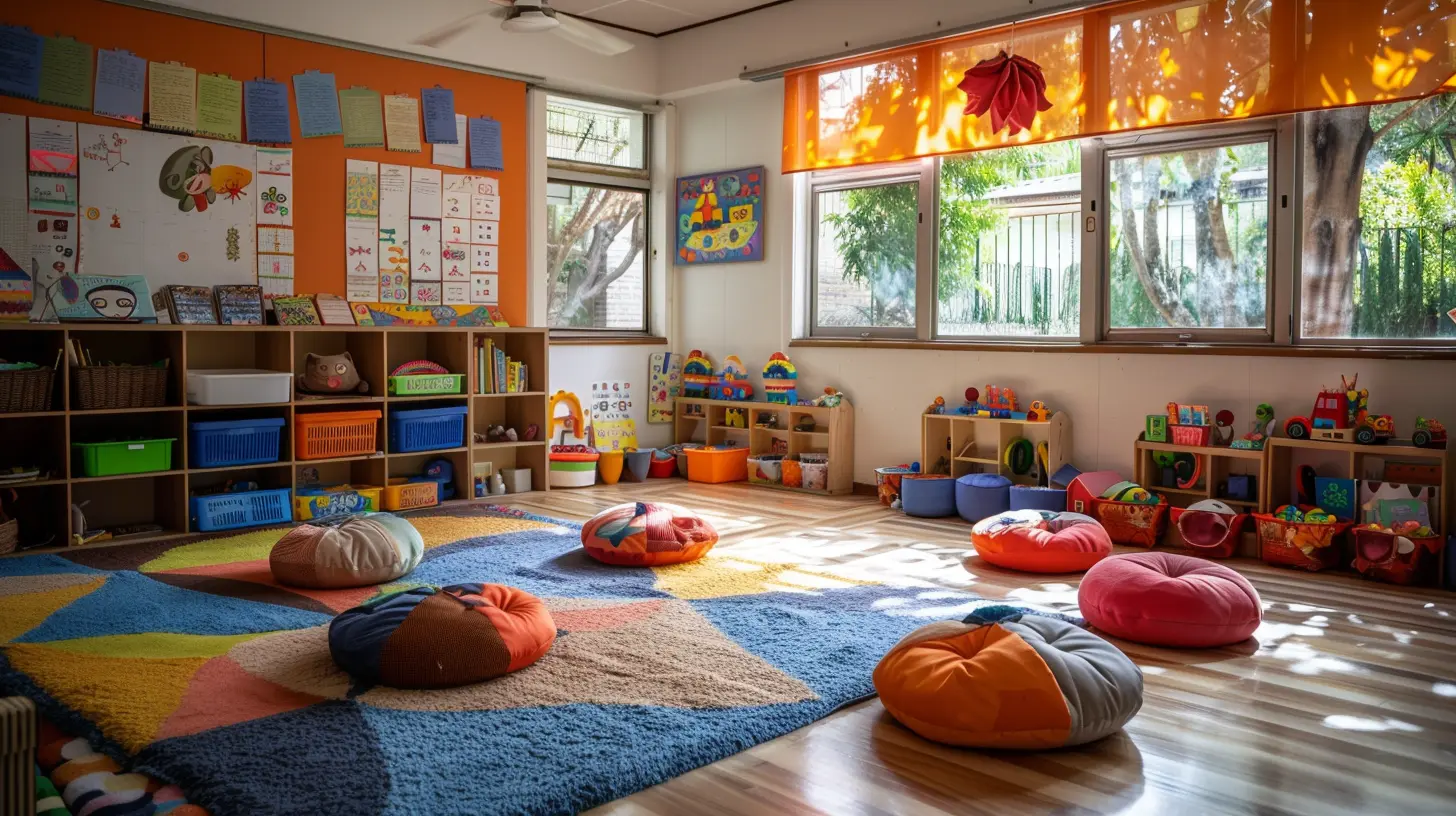
Why Does Independence in Learning Matter?
Before diving into the "how," let’s tackle the "why." Encouraging independence in learning isn’t just about making things easier for teachers—it’s about setting students up for success in life. When learners develop autonomy, they:- Build critical thinking skills
- Learn self-discipline
- Gain confidence in their abilities
- Become problem-solvers rather than passive consumers of information
- Stay motivated and engaged in their education
Now, let’s explore key strategies to foster a learning environment that promotes independence.
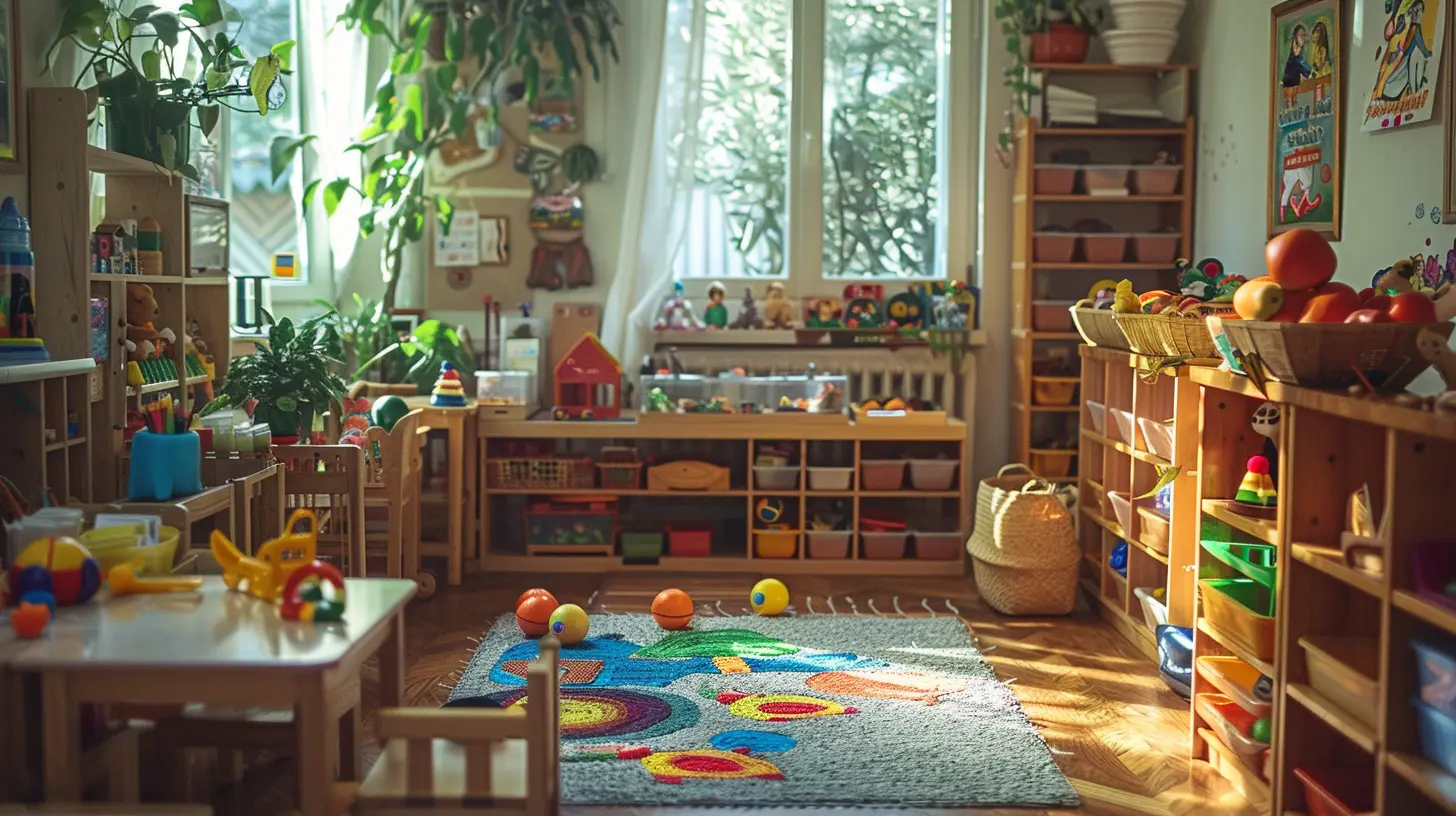
1. Create a Safe and Supportive Space
A student won’t take initiative if they constantly feel judged or afraid to make mistakes. Learning should be a safe space—where mistakes are simply stepping stones to growth.- Encourage a growth mindset – Teach students that intelligence isn’t fixed; effort leads to improvement.
- Emphasize effort over perfection – Praise persistence, creativity, and problem-solving rather than just correct answers.
- Foster open communication – Students should feel comfortable asking questions and experimenting without fear of failure.
A safe learning environment builds confidence, making it easier for students to take control of their education.
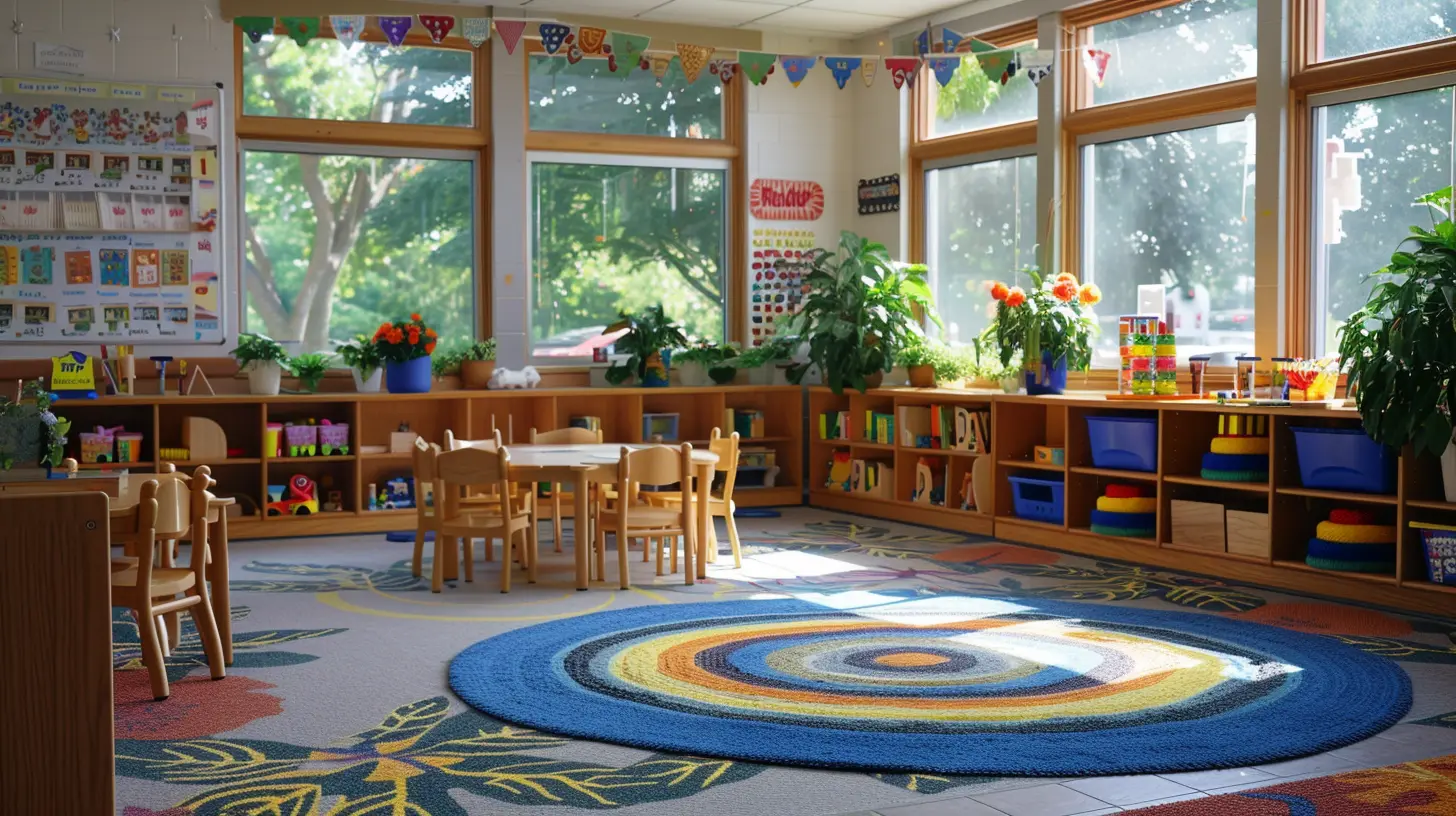
2. Encourage Self-Directed Learning
Giving students the freedom to make choices in their learning process builds independence. But how do you balance autonomy with guidance?- Let them set goals – Encourage students to identify their own strengths, weaknesses, and learning objectives. This could be as simple as asking, “What do you want to achieve this week?”
- Offer project-based learning – Instead of just assigning worksheets, engage learners in real-world or hands-on projects where they apply what they’ve learned.
- Provide resource libraries – Give students access to books, videos, and online resources so they can dig deeper into topics that interest them.
By offering choices and resources, you empower students to take the reins in their education.
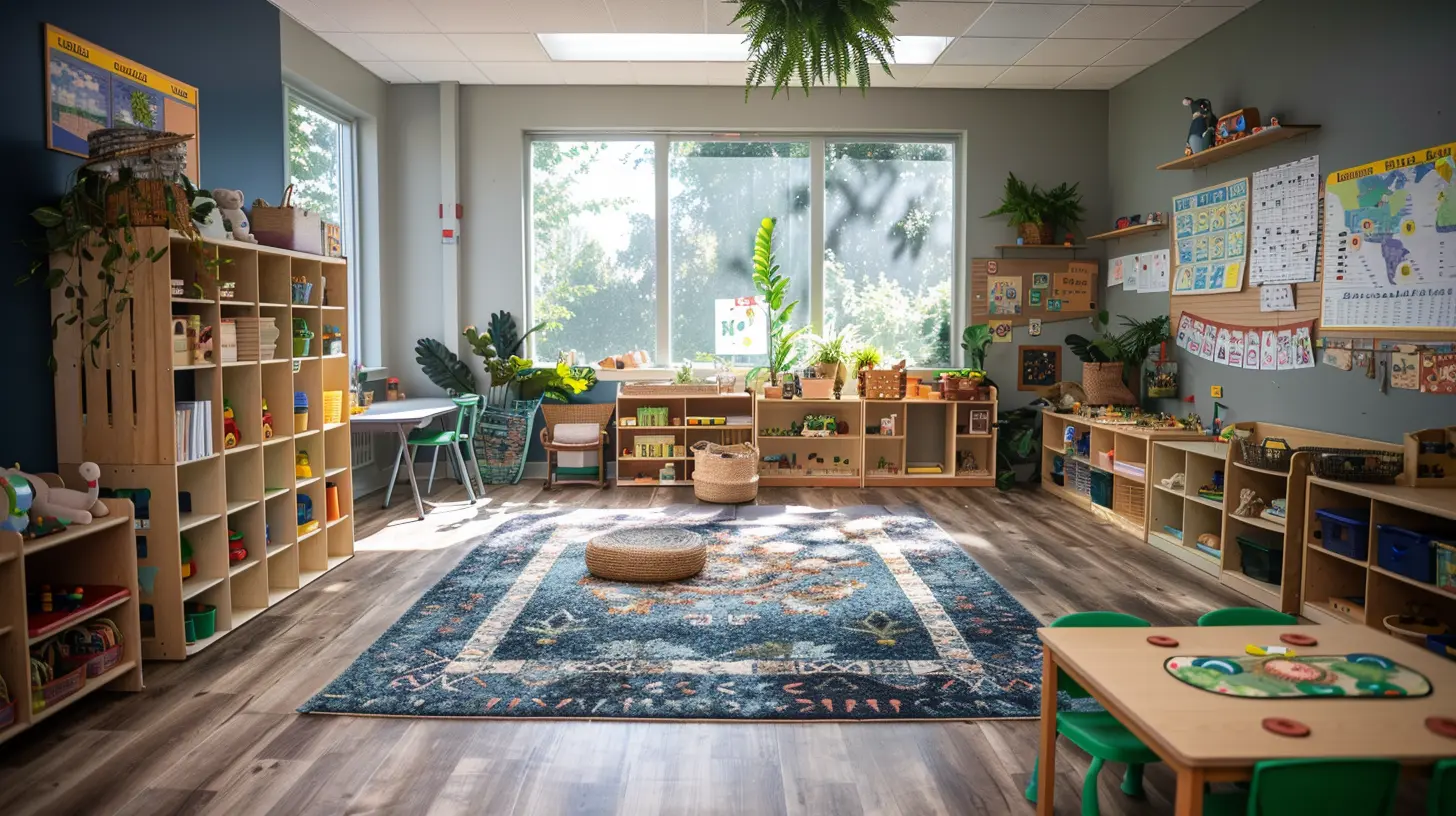
3. Use Active Learning Techniques
Nobody enjoys passively absorbing information like a sponge. Active learning techniques engage students and push them to think critically. Some great methods include:- Group discussions and debates – These encourage students to articulate their thoughts, defend their viewpoints, and listen to others.
- Problem-solving challenges – Present students with real-world problems and let them brainstorm solutions.
- Hands-on activities – STEM projects, experiments, and creative assignments keep learning dynamic and engaging.
The more students participate, the more ownership they take over their learning.
4. Foster a Growth Mindset
A student who believes they can improve through effort is more likely to embrace challenges. Instill a growth mindset by:- Reframing failures as learning opportunities
- Encouraging students to reflect on their mistakes
- Using language that builds resilience, like “You can’t do it yet, but keep trying!”
If students see learning as a journey rather than a destination, they’ll be more willing to push themselves and work independently.
5. Provide Opportunities for Choice
Ever noticed how people are more motivated when they choose what they’re doing? The same goes for students. Giving them choices boosts their independence and engagement.Let students:
- Choose their own research topics
- Pick from a list of assignments or projects
- Decide how they want to present their learning (e.g., a video, a blog post, a presentation)
This simple strategy turns students from passive listeners into active participants in their education.
6. Teach Time Management and Organization
Being independent isn’t just about learning—it’s also about managing that learning. Many students struggle with time management, which can make independent learning feel overwhelming. Help them succeed by:- Teaching how to break tasks into smaller steps
- Encouraging the use of planners or digital tools for scheduling
- Setting clear deadlines with flexibility for self-paced progress
The more organized students are, the more freedom they’ll have to take charge of their learning.
7. Allow for Reflection and Self-Assessment
If students never reflect on their learning, how will they know if they’re improving? Encourage self-assessment by:- Using reflection journals
- Having students assess their own work before submitting it
- Encouraging students to set personal learning goals and track their progress
This teaches students to take responsibility for their growth and adjust their strategies accordingly.
8. Be a Guide, Not Just an Instructor
A teacher’s role in an independent learning environment isn’t to dictate every step—it’s to guide and support. Instead of constantly providing answers, try:- Asking open-ended questions that make students think
- Encouraging students to find answers themselves (through research, collaboration, or critical thinking)
- Giving feedback that guides rather than dictates the next steps
Think of yourself as a coach, not just a lecturer. Your job is to equip students with the tools they need to steer their own learning journey.
9. Use Technology to Support Autonomy
Technology is a double-edged sword—it can either encourage independent learning or distract students. Use it wisely by:- Providing access to educational platforms (Khan Academy, Coursera, etc.)
- Encouraging the use of self-paced online courses
- Using interactive apps that promote critical thinking
When used correctly, technology can be a powerful tool for fostering independence in learning.
10. Celebrate Small Wins
Independence in learning doesn’t happen overnight. Celebrate progress—no matter how small. Whether it’s mastering a concept, completing a project, or showing initiative, acknowledging effort fuels motivation.A simple “I’m proud of how you approached this problem” can make a huge difference!
Final Thoughts
Creating a learning environment that promotes independence isn’t about letting students figure everything out alone—it’s about equipping them with the skills and confidence to take ownership of their education.By fostering a supportive, engaging, and flexible space, you empower students to think deeply, explore freely, and grow confidently. And isn’t that what education is all about?
all images in this post were generated using AI tools
Category:
Early Childhood EducationAuthor:

Madeleine Newton
Discussion
rate this article
2 comments
Noemi Abbott
Creating a learning environment that fosters independence involves encouraging critical thinking, providing choices, and promoting self-directed activities. By cultivating these elements, educators can empower students to take ownership of their learning journey.
January 8, 2026 at 1:04 PM
Madeleine Newton
Thank you for your insightful comment! I completely agree that fostering independence is key to empowering students in their learning journey.
Abram Lawrence
Creating a learning environment that fosters independence requires a delicate balance of guidance and freedom. By empowering learners to explore, question, and reflect, we cultivate not only their knowledge but also their ability to navigate life’s complexities with confidence and resilience.
December 29, 2025 at 12:08 PM
Madeleine Newton
Thank you for your insightful comment! Striking that balance between guidance and freedom is indeed key to fostering independent learners.