How School Funding Affects Special Education Programs
20 June 2026
Education is supposed to be the great equalizer, offering every child an opportunity to succeed. But what happens when the very system designed to help students isn’t properly funded? Special education programs, which serve students with disabilities, often feel the impact of budget constraints the most.
When schools lack the necessary resources, students with special needs may not get the individualized instruction, support services, or specialized staff they require. This gap in funding isn’t just about numbers—it directly affects real children, real teachers, and real families. So, why does this happen, and what can be done about it? Let’s dive into the real-world implications of school funding on special education.
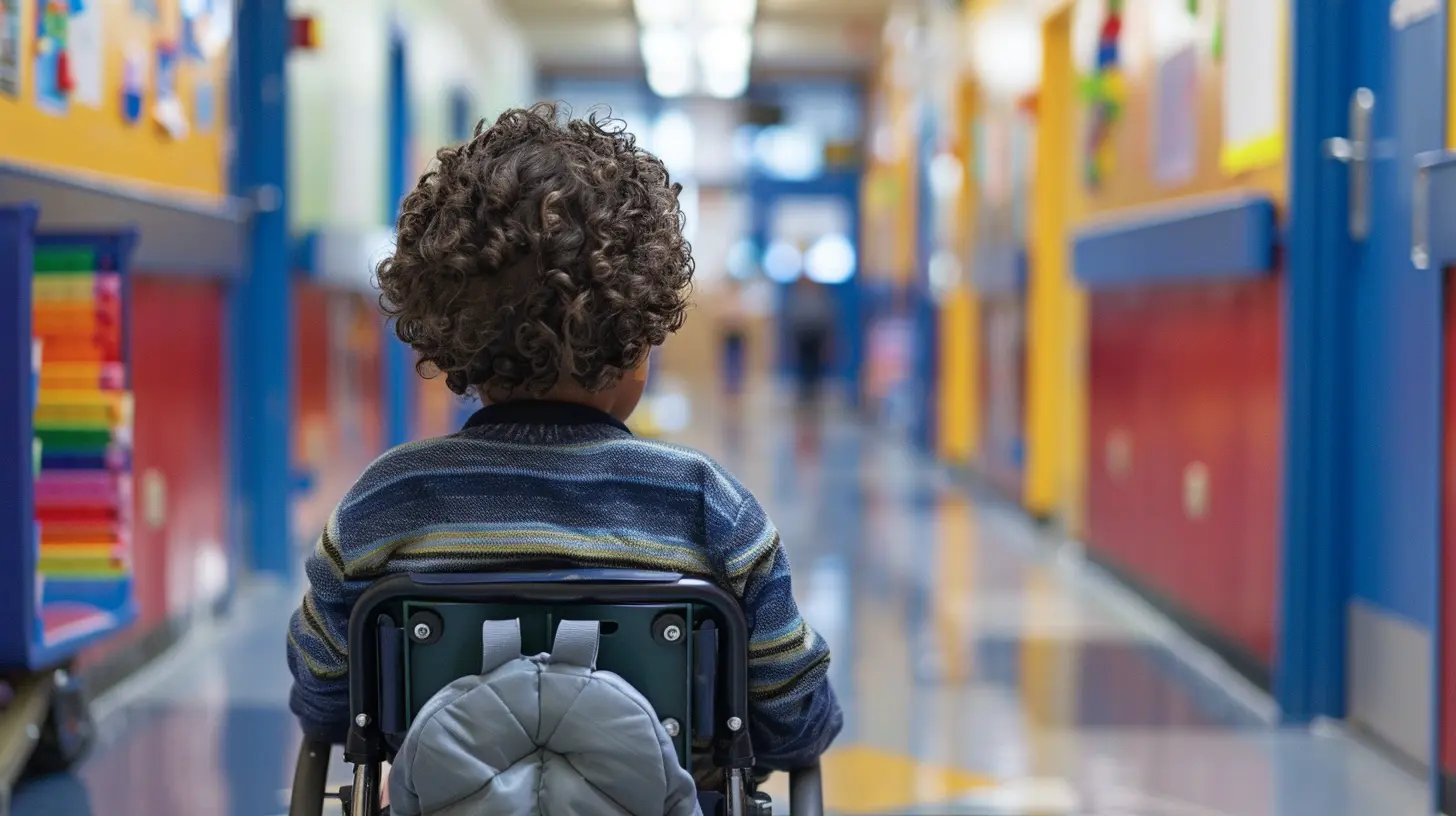
The Role of School Funding in Special Education
Special education programs exist to provide tailored learning experiences for students with disabilities. These programs require trained professionals, adaptive technologies, individualized learning plans, and sometimes even modified classroom environments. All of this costs money—often more than general education programs.But where does school funding come from? Typically, it’s a mix of federal, state, and local resources. Unfortunately, this funding is often inconsistent, and special education is frequently one of the first areas to feel the cuts when budgets are tight.
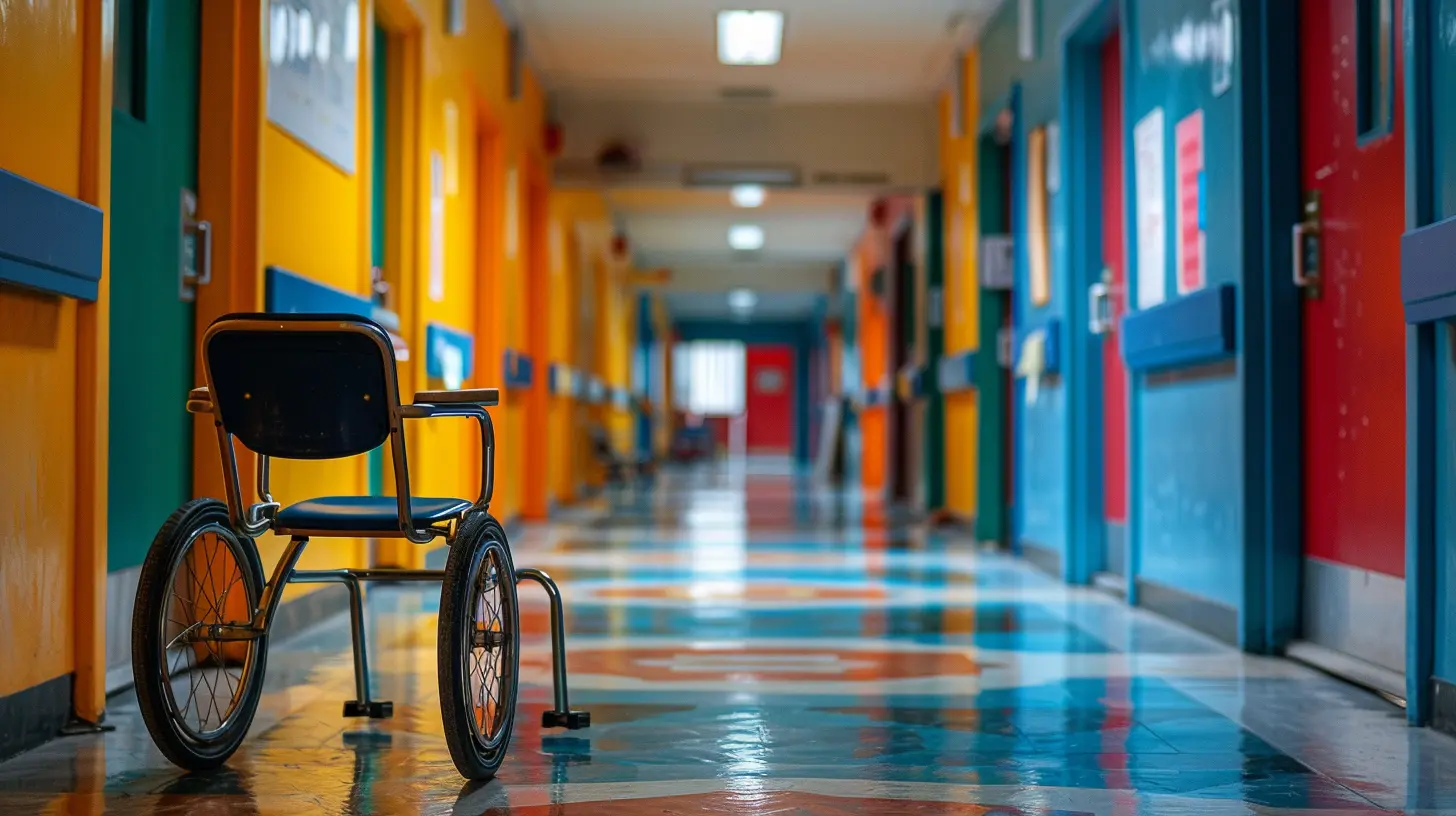
How Budget Cuts Hurt Special Education
1. Lack of Specialized Teachers and Staff
Special education students need teachers who are trained in individualized instruction methods. When funding is cut, schools often struggle to hire and retain qualified special education teachers. In many cases, existing teachers are overwhelmed with large caseloads, making it nearly impossible to give each student the attention they deserve.Think about it—how can one teacher effectively manage the unique needs of 20+ students, each requiring different teaching strategies, therapies, and levels of support? It’s like trying to juggle while blindfolded—something is bound to fall.
2. Limited Access to Support Services
Students in special education rely on a range of support services, including speech therapy, occupational therapy, and behavioral counseling. When funding is inadequate, these essential services may be reduced or eliminated entirely.Imagine a child with a speech delay who only gets therapy once a month instead of the recommended once a week. That child is now at a disadvantage, struggling to communicate and falling further behind their peers.
3. Outdated or Insufficient Learning Tools
Technology plays a crucial role in modern special education. From communication devices to adaptive software, many tools help bridge learning gaps for students with disabilities. But these tools often come with hefty price tags.Without proper funding, schools may have to rely on outdated equipment or simply go without. Picture a student with a visual impairment needing specialized software to read textbooks, but the school can’t afford the latest version. How can we expect them to keep up when they don’t even have the tools necessary to succeed?
4. Overcrowding and Poor Learning Environments
Special education classrooms are supposed to be small, allowing for individualized attention. However, when budgets are slashed, schools may be forced to increase class sizes, combine multiple grade levels, or place students in less-than-ideal learning environments.This often leads to frustration for teachers and students alike. A chaotic classroom setting makes it harder for students with disabilities to focus, leading to increased behavioral issues and lower academic progress.

The Disparity Between Wealthy and Low-Income Schools
One of the biggest issues with school funding is that it’s often tied to local property taxes. This means that schools in wealthier areas tend to have more money, while those in low-income areas struggle to provide even the basics.For special education students, this disparity can be devastating. In a well-funded district, students may receive top-tier resources, individualized therapy, and state-of-the-art technology. Meanwhile, a student with the same needs in a lower-income district may receive only the bare minimum—if that.
The sad reality? A child’s access to quality special education often depends more on their zip code than their actual needs.

The Long-Term Effects on Students
When special education programs are underfunded, students don’t just struggle academically—they face long-term consequences that can affect their entire lives.1. Lower Graduation Rates
Students with disabilities are already at a higher risk of dropping out of school. If they don’t get the support they need, that risk increases even more. Without proper funding, students may miss out on essential interventions that help them stay on track toward graduation.2. Limited Career and Independence Opportunities
Education is supposed to prepare students for life beyond school. However, if a special education student isn’t given the tools and support to develop critical life skills, they may struggle to find employment or live independently as adults.Think about it—if a student with autism doesn’t receive effective social skills training due to budget cuts, how will they navigate job interviews, workplace interactions, or daily responsibilities?
3. Increased Mental Health Struggles
A lack of resources can lead to frustration, anxiety, and depression for students who already face unique challenges. When they don’t receive the help they need, their self-esteem can suffer, and feelings of isolation can grow.What Can Be Done to Improve Funding for Special Education?
The good news is that change is possible. Here are some ways schools, policymakers, and communities can work together to ensure special education gets the funding it deserves:1. Advocating for Policy Changes
State and federal lawmakers play a huge role in determining education budgets. Parents, teachers, and community members can advocate for increased special education funding by reaching out to representatives, attending school board meetings, and supporting policies that prioritize equitable education funding.2. Pushing for Alternative Funding Sources
Grants, donations, and partnerships with private organizations can provide additional resources for special education programs. Schools should actively seek out alternative funding sources to supplement their budgets.3. Holding Schools Accountable
It’s important to ensure that special education funds are being used effectively. Increased transparency in how schools allocate their budgets can help ensure that money is actually reaching the students who need it most.4. Community Involvement and Awareness
The more people know about the challenges facing special education, the more likely they are to support funding initiatives. Raising awareness through community events, social media campaigns, and local news coverage can help drive change.
Final Thoughts
Underfunding special education isn’t just an inconvenience—it’s an injustice. Every child, regardless of their abilities, deserves a fair and equal education. When schools lack the necessary resources, students with disabilities are the ones who suffer the most.But we don’t have to accept this as the norm. By advocating for change, pushing for better policies, and ensuring that special education receives the funding it needs, we can create a future where every child has a real chance to succeed.
After all, education is supposed to open doors—not shut them.
all images in this post were generated using AI tools
Category:
School FundingAuthor:

Madeleine Newton
Discussion
rate this article
1 comments
Landon Barlow
Every dollar counts in shaping a brighter future for all students.
July 1, 2026 at 3:07 AM