How Peer Feedback Can Help Students Learn From Mistakes
24 May 2026
Mistakes are a natural part of learning—there's no way around it. Yet, the way students respond to their mistakes is what truly shapes their growth. Often, feedback from teachers is the go-to correction mechanism, but what if students could learn just as much (if not more) from each other?
That’s where peer feedback comes in—a powerful tool that encourages students to reflect on their errors, rethink their reasoning, and refine their skills. But how exactly does peer feedback help students learn from their mistakes? Let’s dive in! 
What Is Peer Feedback?
Before we get into the benefits, let's define what we mean by peer feedback. Simply put, it's when students review each other’s work and provide constructive comments, suggestions, and insights.Think of it as a built-in study buddy system—students help one another improve by offering different perspectives on assignments, essays, or projects. It creates a collaborative learning environment where mistakes aren’t something to be ashamed of but rather stepping stones toward improvement. 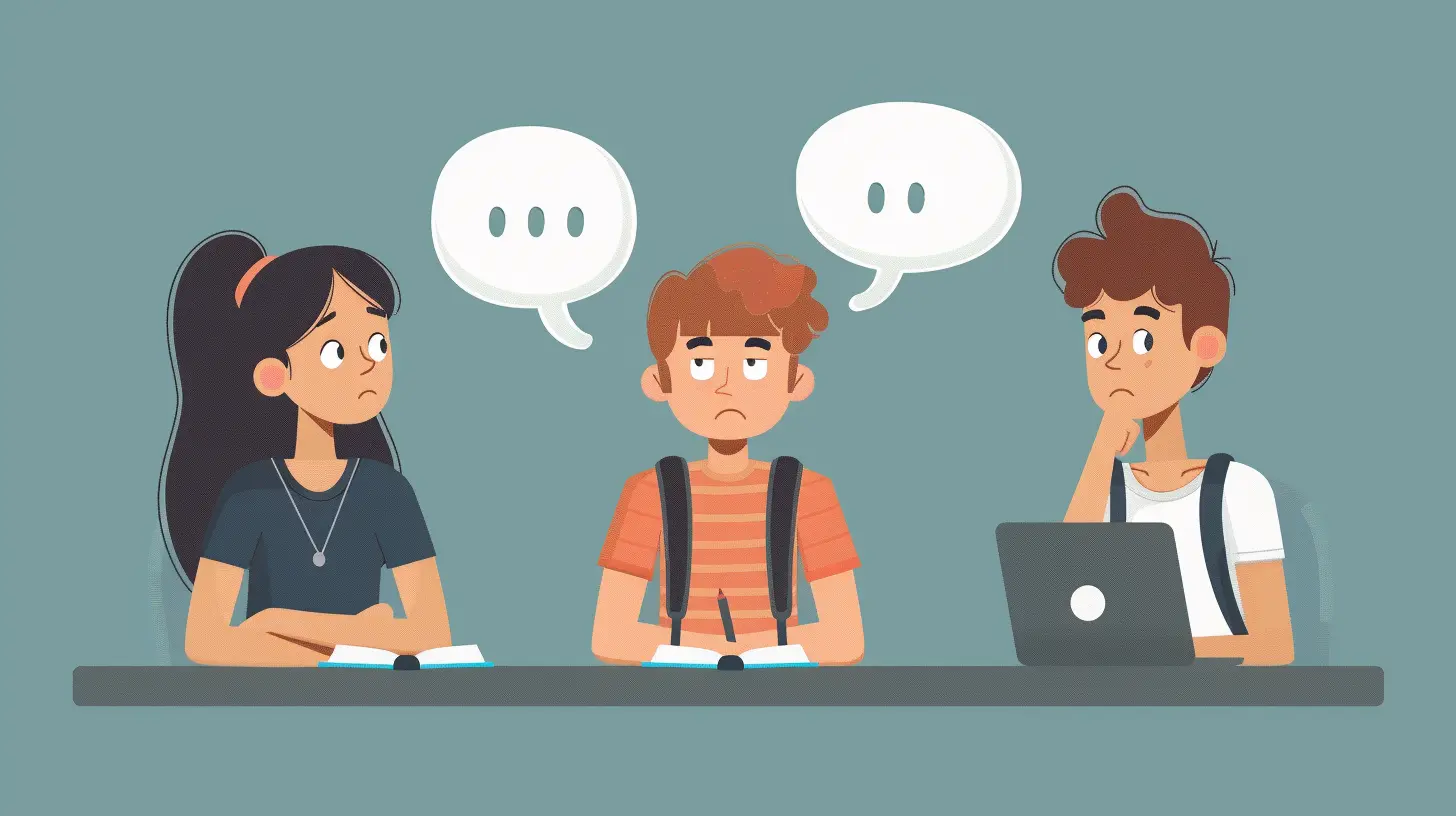
Why Is Learning From Mistakes Important?
Nobody enjoys making mistakes—let’s be honest. But avoiding them altogether? Impossible. Mistakes aren’t failures; they’re learning opportunities in disguise.When students recognize their errors, they become more mindful, critical thinkers. Instead of seeing mistakes as a dead-end, they can analyze what went wrong and figure out how to do better next time.
The real challenge isn’t making mistakes—it’s being willing to face them head-on and use them as a foundation for growth. Fortunately, peer feedback plays a crucial role in making this process easier and more meaningful. 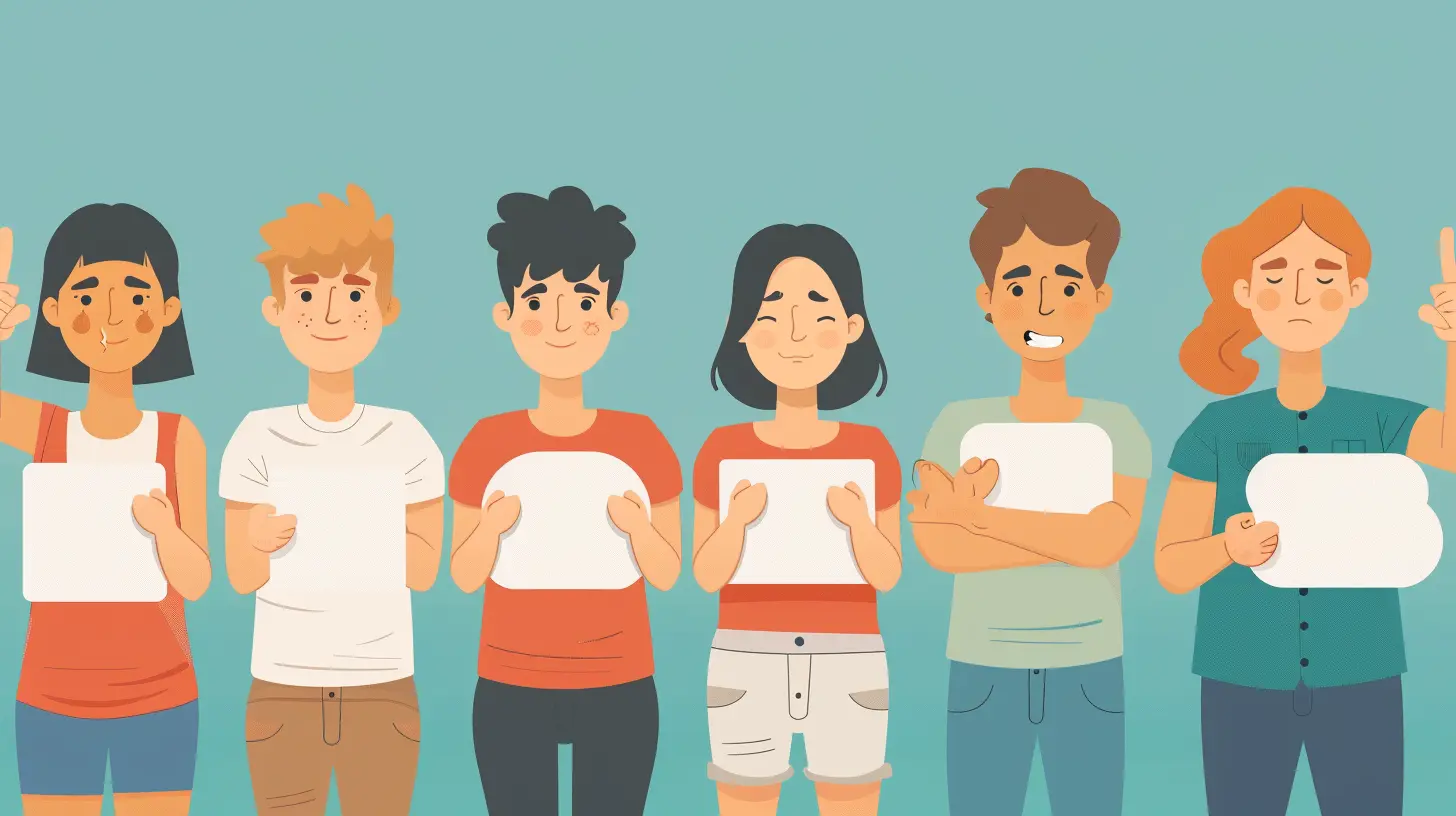
How Peer Feedback Helps Students Learn From Mistakes
So, how does peer feedback turn mistakes into valuable learning experiences? Let’s break it down.1. Encourages Self-Reflection
When students receive feedback from their peers, they’re prompted to pause and rethink their work. Instead of just accepting corrections from a teacher, students reflect on their reasoning and consider new perspectives.For example, imagine a student writing an essay. If a peer points out that their argument lacks evidence, they’ll have to rethink how they support their claims. This practice pushes them to engage in deeper critical thinking and avoid similar mistakes in the future.
2. Promotes Active Learning
Learning isn’t about passively absorbing information—it’s about actively engaging with it. Giving and receiving peer feedback turns students into active participants in their learning journey.- When students give feedback, they analyze others’ mistakes, reinforcing their own understanding.
- When they receive feedback, they process their errors, improving their skills.
This two-way street of learning allows students to engage with material in ways that traditional instruction alone simply can’t achieve.
3. Builds Confidence and Independence
Getting constant corrections from a teacher might lead some students to depend too much on authority figures for approval. On the other hand, when they receive peer feedback, they learn to trust their own judgment and take ownership of their learning.Think about it—a classroom where students feel empowered to critique and improve each other’s work naturally fosters independence. They become more confident in evaluating their progress and less afraid of making mistakes.
4. Reduces the Fear of Being Wrong
Mistakes can be scary, especially when they come with red marks and strict corrections. However, when feedback comes from a peer rather than an authority figure, it feels less intimidating.Peer feedback creates a supportive environment where students realize that everyone makes mistakes. Instead of feeling judged, they feel encouraged to improve. The fear of being wrong slowly fades, making room for a growth mindset.
5. Enhances Communication and Collaboration Skills
Giving effective feedback is a skill in itself. When students evaluate each other’s work, they must learn how to communicate clearly, respectfully, and constructively.Rather than just saying, “This is wrong,” students learn to phrase their feedback in thoughtful, specific, and solution-oriented ways. Over time, this process strengthens their ability to communicate ideas—not just in academics but in real-world interactions as well.
6. Encourages a Growth Mindset
Ever heard of a fixed mindset vs. a growth mindset? Students with a fixed mindset believe intelligence is static—mistakes mean they’ve failed. On the other hand, students with a growth mindset see mistakes as opportunities to improve.Peer feedback reinforces the growth mindset by showing students that mistakes aren’t roadblocks—they’re stepping stones. When they review and revise their work based on peer suggestions, they develop resilience and a love for continuous improvement. 
Effective Strategies for Implementing Peer Feedback
Now that we know how beneficial peer feedback can be, let’s talk about how to implement it effectively. Not all feedback is useful, so setting clear guidelines is crucial.1. Teach Students How to Give Constructive Feedback
Not all feedback is helpful.- Saying "This is bad" doesn’t help.
- Saying "Your argument would be stronger with more examples" is much better.
Students need to learn how to give feedback that is:
✔ Specific
✔ Constructive
✔ Respectful
✔ Actionable
Encourage "The Sandwich Method"—start with a positive comment, provide constructive criticism, and end with encouragement.
2. Use Guided Peer Feedback Sheets
Give students structured feedback forms or question prompts to guide their review process. For instance:✔ What is one thing this assignment does well?
✔ What is one area that needs improvement?
✔ Can you suggest a specific way to improve it?
Providing a framework helps ensure feedback is meaningful and focused.
3. Encourage a Positive and Respectful Culture
Students might hesitate to give honest feedback for fear of offending their peers. Setting a respectful and open-minded classroom culture ensures that feedback is taken as a learning tool, not as criticism.A simple ground rule? Feedback should always be about the work, not the person.
4. Rotate Peer Feedback Partners
Having the same partner every time might limit exposure to diverse opinions. By rotating feedback partners, students gain fresh perspectives and avoid favoritism or bias.The Long-Term Impact of Peer Feedback
Peer feedback isn’t just about fixing a few mistakes on an assignment—it’s about building lifelong learning skills.When students practice self-reflection, critical thinking, and constructive communication, they carry these skills beyond the classroom. In college, in the workplace, and in everyday life, the ability to give and receive feedback gracefully is invaluable.
So, the next time we think about feedback in education, let’s not just rely on teachers. Let’s empower students to help each other grow!
Final Thoughts
Learning from mistakes is a crucial part of education, and peer feedback is one of the most effective ways to make this process interactive, collaborative, and meaningful. By encouraging students to reflect on their work, engage with their peers, and embrace mistakes as learning tools, we create a classroom culture that fosters real growth.The bottom line? Peer feedback isn’t just about fixing errors—it’s about shaping better learners, thinkers, and communicators.
all images in this post were generated using AI tools
Category:
Peer FeedbackAuthor:

Madeleine Newton
Discussion
rate this article
1 comments
Sierra Myers
Peer feedback is like having a friendly GPS for your academic journey. Instead of getting lost in the wilderness of mistakes, you get to navigate with a buddy who points out the occasional detour... just without the recalculating!
May 24, 2026 at 2:35 AM