How Mindfulness Can Benefit Early Childhood Learners
6 December 2025
If you've ever watched a toddler get lost in the act of stacking blocks or a preschooler completely absorbed in painting wobbly rainbows, you've seen mindfulness in action—even if it was unintentional. Children have this natural ability to be completely present. But as the pace of life picks up and little ones are introduced to stimulating (sometimes overwhelming) environments, staying grounded becomes harder. That’s where intentionally practicing mindfulness comes into play.
So, what exactly does mindfulness mean for young children? And more importantly, why should we care about it? Let’s dive into why mindfulness isn’t just a “nice to have” but a must-have skill for early learners.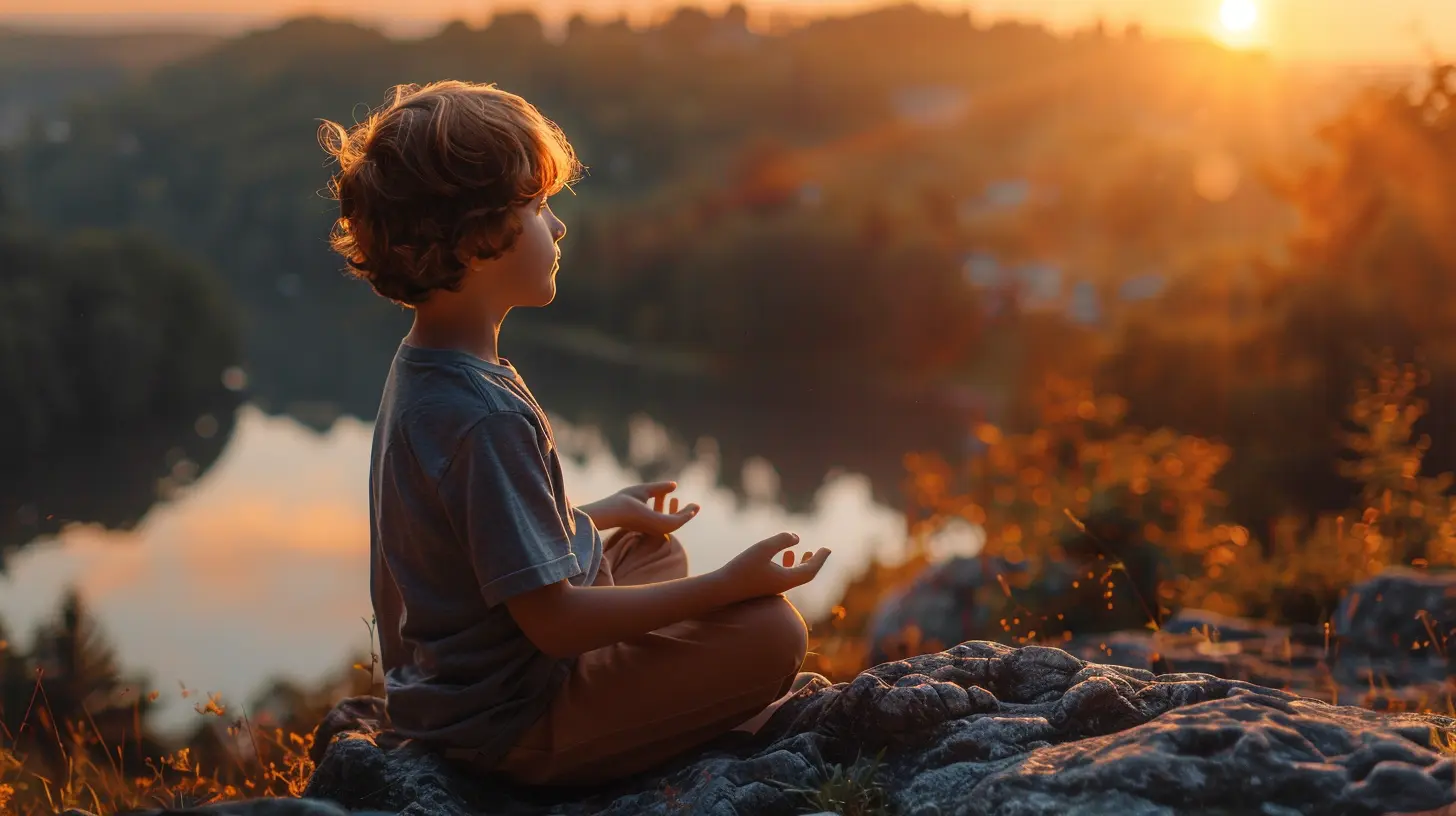
🌱 What is Mindfulness?
Mindfulness is a fancy word for something pretty simple—it means paying attention to the present moment, on purpose, without judging it. It’s about tuning in to what’s happening right now: the breath moving in and out, the feel of the floor under tiny feet, the sound of raindrops outside the window.While adults often adopt mindfulness to reduce stress, improve focus, or build emotional resilience, it’s just as powerful (if not more so) for young children. They may not have the vocabulary to express deep thoughts, but with guidance, they can absolutely grasp the magic of being present.
🌟 Why Teach Mindfulness in Early Childhood?
Here’s something cool—early childhood is when the brain is developing at lightning speed. Neural pathways are forming like wildflowers in spring. What kids learn during these sensitive years sticks. That includes social habits, emotional regulation, and yes, attention skills.So, introducing mindfulness now? Total game-changer.
Let’s break down the benefits.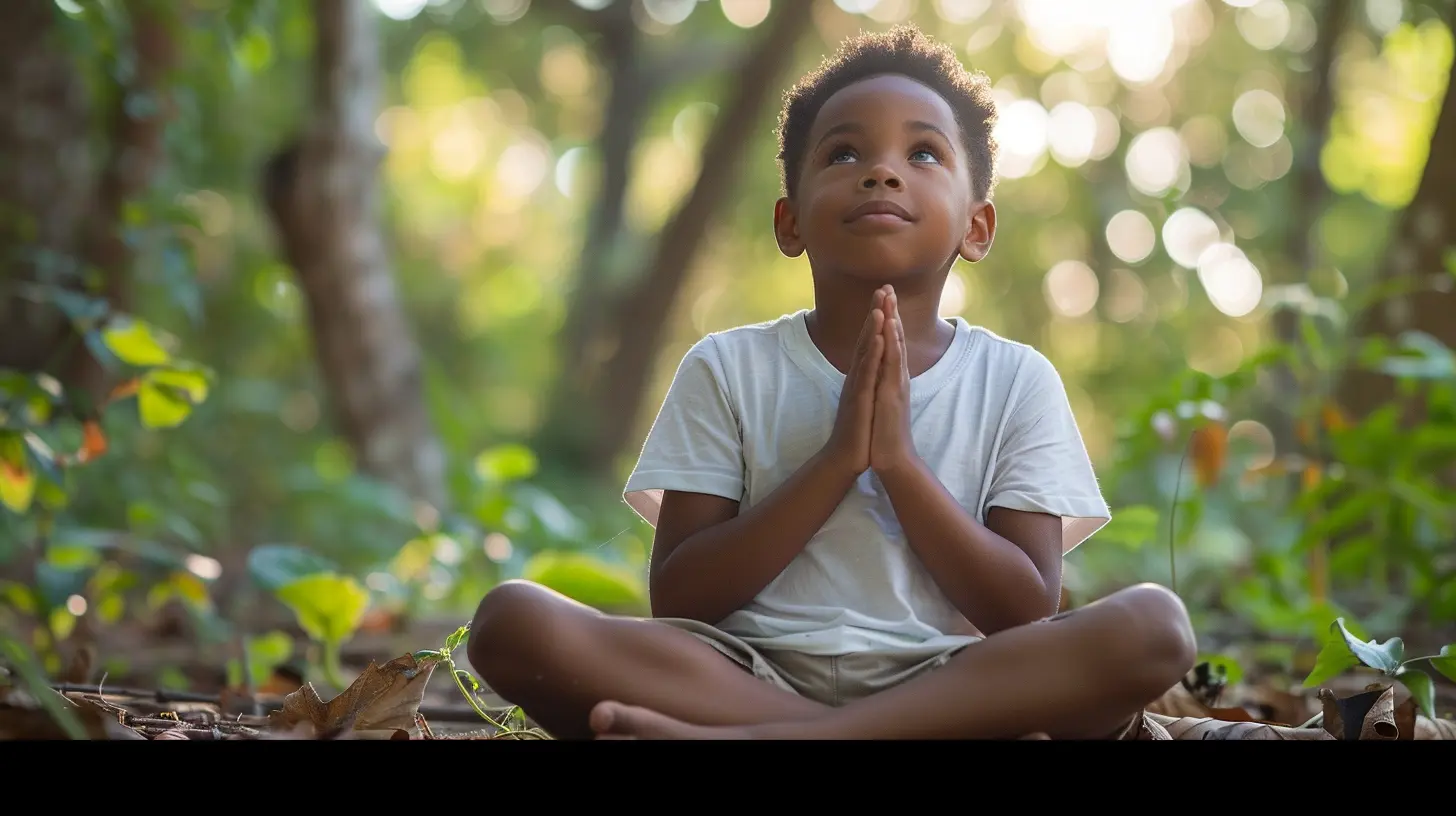
🧠 Enhances Focus and Cognitive Development
Kids are curious by nature, but they’re also easily distracted. One second they’re solving a puzzle, and the next, they’re chasing a shadow across the room. Mindfulness helps children build the muscle of attention—like lifting little brain weights.Through simple breathing exercises or guided imagery, they learn how to bring their focus back when their minds wander. Over time, this ability to control attention can boost memory, problem-solving, and foundational learning skills.
Think of it like giving them a mental compass. When thoughts drift, mindfulness gently points them back to the task at hand.
🧘♂️ Improves Emotional Regulation
Let’s be honest—big feelings are a big deal for little kids. Whether it’s a spilled snack or a toy-snatching sibling, emotions can erupt fast and loud. Mindfulness doesn’t erase these feelings (nor should it), but it gives kids the tools to ride the waves.Through techniques like “belly breathing” or identifying emotions with visual charts, children start noticing what’s happening inside before acting out. That pause button is golden.
When practiced regularly, mindfulness helps reduce tantrums, anxiety, and overreactions. It offers a “safe space” between feeling an emotion and reacting to it.
💬 Encourages Social-Emotional Learning
Mindfulness isn’t just about personal peace—it’s also about connection. By becoming more aware of their own feelings, kids become more in tune with others. This awareness lays the groundwork for empathy, kindness, and better communication.Imagine a classroom where kids can say, “I feel sad because I miss my mom,” instead of throwing a toy across the room. That’s the power of emotional literacy, and mindfulness plays a central role.
It teaches children to listen actively, recognize different perspectives, and work through conflicts calmly. These are skills we often wish adults had more of—so why not start early?
🌍 Builds Resilience and Coping Skills
Life isn’t always sunshine and play-dough. Even young children face their share of stressors—moving to a new home, parental separation, or the simple pressure of learning something new.Mindfulness acts like an emotional toolbox. When practiced consistently, it helps children develop internal resources for facing challenges without falling apart.
Resilience doesn't mean never feeling upset or scared. It means having the ability to bounce back and carry on. Mindfulness offers a solid foundation for this bounce.
🛌 Encourages Better Sleep and Rest
Ever tried putting a keyed-up kid to bed? Not fun.Mindfulness helps quiet the mental chatter that can keep young minds racing at bedtime. Simple bedtime routines that include deep breathing, storytelling with gentle visualization, or even mindful listening to soft music can work wonders.
The result? Better sleep quality, which naturally supports learning, behavior, and emotional balance during the day.
🎨 Sparks Creativity and Imagination
Here’s something unexpected—mindfulness doesn’t dull creativity; it enhances it.By clearing the mental cobwebs, kids can better tap into their imaginations. Whether it’s storytelling, art, or pretend play, mindfulness encourages them to explore ideas without self-judgment.
Many mindfulness activities include drawing how certain emotions “look” or imagining floating on a cloud. These exercises flex creative muscles while teaching introspective thinking.
🏫 Supports a Positive Classroom Environment
When mindfulness is adopted in early education settings, the ripple effect is real. Teachers report calmer classrooms, fewer behavior issues, and improved communication.Group mindfulness activities, like morning breathing circles or “silent listening” times, foster a sense of unity and shared emotional awareness. It’s like setting the emotional tone for the day—balanced and intentional.
Plus, teachers themselves benefit from mindfulness. A calm teacher often creates a calm classroom. Win-win, right?
🚸 Easy Ways to Introduce Mindfulness to Young Kids
Now that we know the why, let’s tackle the how. You don’t need a meditation cushion or candlelit room to start. Here are simple, playful ways to integrate mindfulness into a child’s daily world:🌬️ 1. Belly Breathing with a Stuffed Animal
Have the child lie down with a favorite stuffed toy on their belly. Tell them to watch the toy rise and fall as they breathe in and out. It’s like watching waves on the ocean—soothing and gentle.🌈 2. Mindful Coloring
Give them a page and crayons, and ask them to color slowly, noticing each stroke and shade. This turns a common activity into a mindful one.🐢 3. “Turtle Time”
Encourage them to move slowly like a turtle while focusing on their breath or surroundings. It helps them slow down and be aware of every movement.👂 4. Sound Safari
Take a minute to listen. Can they hear birds? A ticking clock? Their own breath? This sharpens their auditory awareness and focus.🖐️ 5. The “Five Senses” Game
Ask them to name:- One thing they can see
- One thing they can hear
- One thing they can touch
- One thing they can smell
- One thing they can taste
This game is fun yet grounding, pulling them back into the present moment.
👨👩👧👦 How Parents and Educators Can Foster Mindfulness
Whether you're a parent or teacher, your role is pivotal. Mindfulness is more caught than taught. That means modeling it matters.Start with yourself. Narrate your own moments of mindfulness:
- “I feel upset, so I’m going to take three deep breaths.”
- “That was noisy; let’s sit quietly for a minute.”
Kids watch, mirror, and eventually embody these habits. Also, consistency is key. Short daily practices—just a few minutes—go a long way.
And remember: it’s not about perfection. Mindfulness isn’t about sitting still with eyes closed. It’s about being fully present, however that looks.
📚 Mindfulness in Early Childhood Curriculum
More schools are weaving mindfulness directly into their programs—and for good reason. It supports both academic and emotional development.Some successful methods include:
- Daily mindfulness routines
- Storybooks that focus on emotions and self-awareness
- Sensory-based learning activities
- Teacher-led breathing or gratitude exercises
Integrating these into the curriculum doesn't require major overhauls—just intentionality. Even transitions between activities can become mindful moments.
🎁 Long-Term Benefits: The Gift That Keeps Giving
Here’s the beautiful part—mindfulness learned early doesn’t just help in childhood. It sets the stage for a lifetime of emotional intelligence, self-awareness, and focus.Think of it as planting seeds. With regular practice and the right guidance, those seeds grow into strong, grounded individuals who know how to handle life’s ups and downs with grace.
Isn’t that what we all want for our kids?
🙌 Wrapping It Up
So, how can mindfulness benefit early childhood learners? In more ways than we can count.It strengthens attention, tames emotions, teaches empathy, encourages creativity, and builds resilience. And it does all this in ways that are fun, playful, and totally age-appropriate.
If we give our little ones the gift of mindfulness now, we’re not just helping them feel calm today—we’re empowering them for a better tomorrow.
And honestly, what could be more worth it than that?
all images in this post were generated using AI tools
Category:
Early Childhood EducationAuthor:

Madeleine Newton
Discussion
rate this article
2 comments
Layla Wood
Mindfulness: Preschoolers' secret to zen naps!
December 20, 2025 at 3:50 AM
Madeleine Newton
Absolutely! Mindfulness helps preschoolers relax and center themselves, making naps more restorative and promoting emotional well-being.
Dulce McNab
Mindfulness fosters emotional growth and focus in young learners.
December 6, 2025 at 3:19 AM
Madeleine Newton
Absolutely! Mindfulness helps young learners develop emotional resilience and enhances their ability to concentrate, laying a strong foundation for lifelong learning.