How Learning Analytics Will Shape Personalized Education by 2027
18 April 2026
In today’s fast-paced world, education is no longer a one-size-fits-all affair. Imagine walking into a classroom where every lesson is tailored just for you, where the pace of learning matches your unique needs, interests, and abilities. Sounds like a dream, right? Well, thanks to learning analytics, this dream is rapidly becoming a reality. By 2027, we’re looking at a transformative era in education where personalized learning is not just a trend but an everyday norm. So, how exactly will learning analytics shape personalized education in the coming years? Let’s dive in!
What Are Learning Analytics?
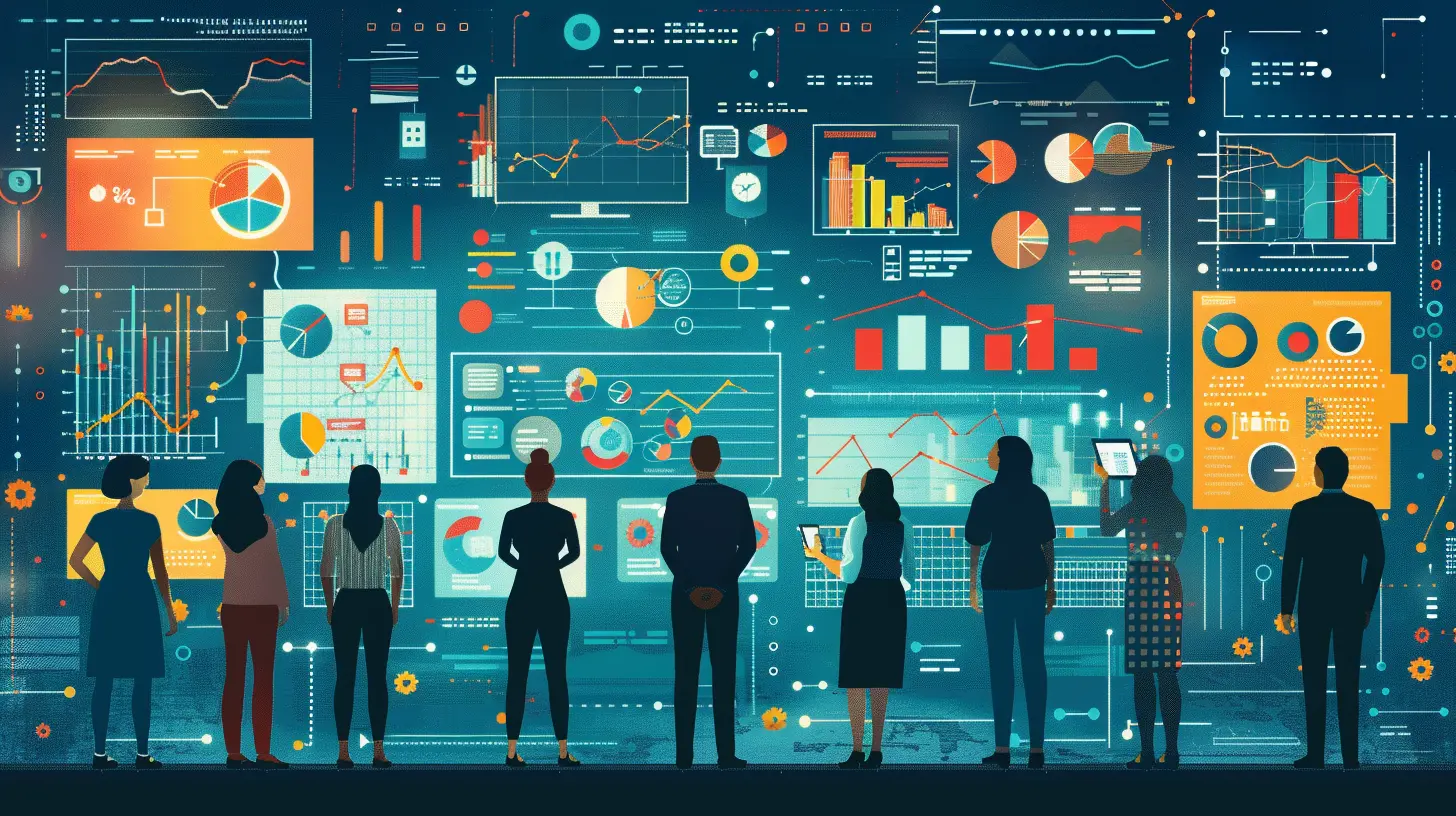
Before we plunge into how learning analytics will impact education, let’s get a handle on what they actually are. Learning analytics involves collecting and analyzing data related to learners and their learning environments. This data can include everything from grades and test scores to attendance, engagement levels, and even social interactions within educational settings.Think of it like a treasure map. Each data point is a clue leading educators to understand how students learn best. By analyzing these clues, teachers can create a more personalized learning experience tailored to each student’s needs. Pretty cool, right?
The Current State of Education
As it stands now, many educational systems still rely on traditional methods that often fail to cater to individual learning styles. You’ve probably seen it yourself: some students thrive under a lecture-based approach, while others might need hands-on activities or visual aids to grasp the concepts. Unfortunately, the traditional model often overlooks these differences, leading to disengagement and frustration.Picture this: a student who learns best through storytelling is stuck in a class where facts and figures are the main dish. It’s like trying to enjoy a meal that doesn’t suit your palate! This is where learning analytics come into play, serving up a menu of educational options that cater to everyone’s tastes.
Why Personalization Matters
Personalized education isn’t just a buzzword; it’s a game changer. Research shows that when students receive tailored educational experiences, they’re more engaged, motivated, and likely to succeed. Think of it as having a personal trainer for your brain!But personalization is not just beneficial for the students; it’s advantageous for educators too. With the right data, teachers can identify when a student is struggling and adjust their teaching strategies accordingly. It’s like having a GPS system for education, helping both students and teachers navigate the learning journey together.

The Role of Learning Analytics by 2027
Now that we’ve set the stage, let’s look at how learning analytics will shape personalized education by 2027. Buckle up; it’s going to be an exciting ride!1. Real-Time Feedback
Imagine you’re playing a video game, and every time you make a move, you instantly see how it impacts your score. That’s the kind of immediate feedback that learning analytics will bring to the classroom. By 2027, students will receive real-time insights into their progress, strengths, and areas for improvement.This instant feedback loop will empower students to take charge of their own learning. They’ll know exactly where they stand and what steps to take next—eliminating the guesswork!
2. Adaptive Learning Technologies
Adaptive learning technologies are like chameleons, changing their color based on their environment. By 2027, these technologies will analyze students’ data and adapt the curriculum to meet their needs. If a student struggles with fractions, the system can provide additional resources, practice problems, and even alternative explanations tailored to that individual.This means no more cookie-cutter assignments! Every student will have a learning plan that fits them like a glove, making the process smoother and more effective.
3. Predictive Analytics
What if educators could predict a student’s potential challenges before they even arise? Enter predictive analytics! By leveraging historical data, learning analytics can help educators identify students at risk of falling behind.Imagine being able to catch a problem before it snowballs into a bigger issue. This proactive approach will enable teachers to intervene early, providing the necessary resources and support to keep students on track. It’s like having a crystal ball that helps teachers see the future of their students’ academic journeys.
4. Enhanced Engagement
Let’s face it: many students tune out during traditional lectures. But with learning analytics, educators can design engaging, interactive experiences tailored to students’ interests. By 2027, classrooms will transform into dynamic learning environments where students can interact with the material in ways that resonate with them.Think of it like a concert versus a lecture. At a concert, the energy is high, and everyone is engaged. Learning analytics will help create that same level of engagement in the classroom. Students will be more likely to participate, collaborate, and connect with the material on a deeper level.
5. Data-Driven Decision Making
Education is often based on intuition, but what if we could take the guesswork out of it? By 2027, data-driven decision-making will become the norm in educational settings. Administrators will use data to inform policies, allocate resources, and develop strategies that align with students’ needs.It’s like running a business based on solid analytics rather than gut feelings. This shift will lead to more effective educational practices and better outcomes for students.
6. Collaborative Learning Environments
Learning analytics can foster collaboration among students. By analyzing data on how students interact with each other, educators can create groupings that maximize strengths and address weaknesses.Imagine working on a project with classmates who complement your skills, pushing you to think critically and creatively. This collaborative approach not only enhances learning but also builds essential teamwork skills that will serve students well in the future.
7. Lifelong Learning Pathways
As we move toward 2027, the concept of lifelong learning will become even more critical. Learning analytics will help individuals chart their educational journeys, allowing them to pursue personalized pathways that align with their career goals and interests.Picture this: a student in high school discovers a passion for coding through personalized learning analytics. They can then choose a pathway that leads them to a tech career, customizing their education every step of the way. This kind of flexibility will be essential in a rapidly changing job market.
Challenges to Overcome
While the future looks bright, it’s essential to acknowledge that challenges exist. Data privacy and security will be significant concerns as educational institutions collect and store vast amounts of student information.Additionally, educators will need training to effectively utilize learning analytics in their teaching practices. It’s crucial that they not only understand the data but also know how to translate it into actionable strategies.
The Future of Education is Bright
As we look toward 2027, it’s clear that learning analytics will revolutionize personalized education. From real-time feedback to predictive analytics and adaptive learning technologies, the educational landscape will shift dramatically.Imagine a world where every student receives a customized learning experience that empowers them to reach their full potential. It’s not just a dream; it’s an imminent reality.
So, are you ready to embrace this exciting future? Let’s welcome the era of personalized education with open arms!
all images in this post were generated using AI tools
Category:
Learning TechniquesAuthor:

Madeleine Newton
Discussion
rate this article
2 comments
Sablethorn Griffin
Oh great, by 2027, learning analytics will know me better than my therapist. Can’t wait for my data to finally get some personality!
April 20, 2026 at 2:50 AM
Madeleine Newton
True, it's interesting to think about how data can add depth to our understanding of learning. Let's see how it evolves!
Berenice McKinley
This article raises fascinating questions about the future of personalized education! How will learning analytics redefine student-teacher interactions? I'm curious about the potential ethical concerns and how data privacy will be managed in this evolving landscape. Exciting times ahead!
April 19, 2026 at 11:02 AM