Fostering Decision-Making Skills with Strategic Thinking
17 December 2025
Decision-making is something we do every single day. Whether it’s choosing what to eat for breakfast or making a significant career move, the ability to make informed decisions shapes our lives. But what if I told you there's a way to make those decisions smarter, more thoughtful, and strategic? Enter strategic thinking—a powerful skill that helps individuals not only make decisions more effectively but also anticipate potential outcomes and navigate complex problems with ease.
In this article, we’re going to dive deep into the importance of fostering decision-making skills through strategic thinking. We’ll explore what strategic thinking is, why it's essential, and how you can develop this skill to improve both personal and professional decision-making.

What is Strategic Thinking?
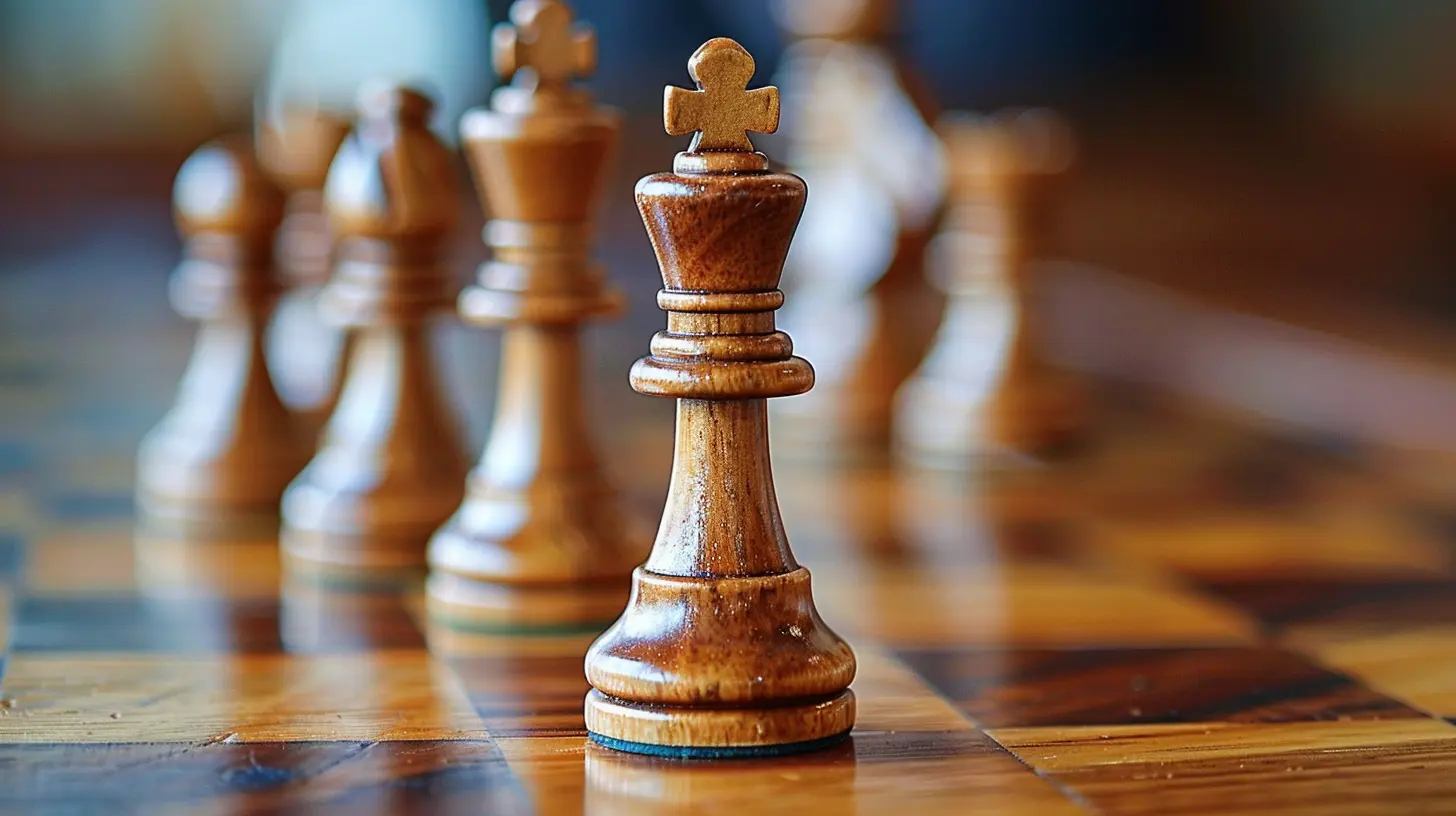
Let’s start with the basics. Strategic thinking is a cognitive process that involves analyzing situations from multiple perspectives, predicting possible outcomes, and making decisions that align with long-term goals. It’s not just about solving problems in the present but also about anticipating future challenges and opportunities.Think of it as playing chess. In chess, you don’t just focus on your next move; you think several moves ahead, considering how each decision affects the overall game. Strategic thinking works in the same way—it’s about looking at the bigger picture rather than just reacting to immediate issues.
Key Components of Strategic Thinking
Before we get into how strategic thinking enhances decision-making, let’s break down its key components:- Analysis: This is where you gather information and evaluate different options. In strategic thinking, you don’t make decisions based on gut feelings; you rely on data, facts, and thorough research.
- Foresight: Strategic thinkers are always thinking ahead. They imagine potential consequences, both positive and negative, for every decision they make.
- Vision: It’s crucial to know where you’re headed. Strategic thinkers have a clear vision of their goals and align their decisions to meet those long-term objectives.
- Flexibility: Things don’t always go as planned, right? Strategic thinkers are adaptable; they can pivot when new information or changing circumstances require them to do so.
Now that we have a better understanding of what strategic thinking is, let’s explore how it enhances decision-making.

Why Is Strategic Thinking Important for Decision-Making?
We’ve all made decisions that, in hindsight, weren’t the best. Maybe you rushed into something without considering all the factors, or maybe you didn’t foresee a potential consequence. Strategic thinking helps reduce these mistakes by encouraging a more thoughtful, deliberate approach to decision-making.Here’s why strategic thinking is so important for decision-making:
1. It Helps You Avoid Knee-Jerk Reactions
Let’s face it—life throws us curveballs. But how we respond to those unexpected situations can make all the difference. Strategic thinking prevents knee-jerk reactions by encouraging you to pause, analyze, and consider the broader context before making a decision.Imagine you’re working on a project, and suddenly a problem arises. Without strategic thinking, you might quickly jump to fix it without fully understanding the issue. But a strategic thinker takes a step back, evaluates the problem, and considers different solutions before choosing the best course of action.
2. You Gain Clarity on Long-Term Goals
One of the most significant advantages of strategic thinking is that it forces you to think about the bigger picture. Instead of making decisions based on short-term gains, you’re more likely to make choices that align with your long-term goals.For instance, let’s say you’re offered a new job. The salary is tempting, but the role doesn’t align with your long-term career goals. Instead of jumping at the opportunity, strategic thinking would encourage you to weigh the pros and cons, consider how it fits into your long-term vision, and then make a decision.
3. It Improves Problem-Solving Skills
Strategic thinking also enhances your ability to solve complex problems. By encouraging you to consider multiple perspectives and potential outcomes, it allows you to approach problems with a more comprehensive understanding. You’re less likely to overlook critical details, and you’re more equipped to find creative solutions.Think about it like driving a car. If you only focus on the road directly in front of you, you might miss the sharp turn ahead. But if you look further down the road, you can anticipate that turn and adjust accordingly. Strategic thinking helps you “look further down the road” when solving problems.
4. It Encourages Collaboration
Strategic thinkers understand the value of collaboration. They know that the best decisions often come from a diverse range of perspectives. By fostering open communication and encouraging input from others, strategic thinkers are better able to weigh all options and make more informed decisions.In a team setting, this can be incredibly valuable. Instead of one person making all the decisions, the entire team works together to analyze the situation, brainstorm solutions, and come to a consensus on the best course of action.
5. Reduces Risk and Uncertainty
No one can predict the future with absolute certainty, but strategic thinking helps reduce risk by considering potential outcomes and planning for different scenarios. By anticipating what might go wrong, you can take steps to mitigate those risks before they become issues.For instance, if you’re launching a new product, strategic thinking would encourage you to consider potential challenges, such as competition or market shifts, and develop contingency plans. This way, even if something unexpected happens, you’re prepared to pivot and adjust your strategy.

How to Develop Strategic Thinking Skills
Now that we’ve covered why strategic thinking is so important for decision-making, you might be wondering, “How can I develop this skill?” Don’t worry—you don’t need to be a chess grandmaster to become a strategic thinker. Here are some practical tips to help you get started:1. Practice Critical Thinking
Critical thinking is the foundation of strategic thinking. It involves analyzing information, questioning assumptions, and considering different perspectives. One way to improve your critical thinking skills is to engage in activities that challenge your thought process, like puzzles, problem-solving exercises, or even debates.Try asking yourself questions like:
- What’s the bigger picture here?
- What factors should I consider before making a decision?
- What are the potential consequences of each option?
The more you practice, the better you’ll become at analyzing situations critically.
2. Learn to Anticipate
As we mentioned earlier, foresight is a key component of strategic thinking. To develop this skill, start by practicing risk assessment in your daily life. Before making a decision, ask yourself, “What could go wrong?” and “What will I do if it does?”For example, if you’re planning a trip, think about potential obstacles (like flight delays or bad weather) and come up with a backup plan. Over time, this habit of thinking ahead will become second nature.
3. Set Clear Goals
Strategic thinking is all about aligning decisions with long-term goals. But before you can do that, you need to have a clear understanding of what those goals are. Take some time to reflect on your personal and professional aspirations. Write them down and refer to them when making decisions.When faced with a choice, ask yourself, “Does this decision bring me closer to my goals, or does it take me further away?” This simple question can help you stay focused and make choices that are in line with your long-term vision.
4. Stay Informed
Strategic thinkers are always learning. Staying informed about industry trends, market changes, and new technologies can help you make more informed decisions. Make it a habit to read books, articles, and reports related to your field. Attend conferences, workshops, and networking events to gain new perspectives.The more knowledge you have, the better equipped you’ll be to think strategically and make decisions that are backed by solid information.
5. Reflect on Past Decisions
One of the best ways to improve your decision-making skills is to reflect on past decisions. What went well? What didn’t? What could you have done differently? By analyzing your past choices, you can learn from your mistakes and develop better strategies for the future.Try keeping a decision-making journal where you jot down the choices you’ve made and reflect on the outcomes. Over time, you’ll start to notice patterns that can help you improve your strategic thinking skills.
Conclusion: Strategic Thinking for Better Decision-Making
Fostering decision-making skills through strategic thinking is like upgrading from a bicycle to a car—it makes the journey faster, smoother, and more efficient. By taking the time to think ahead, analyze situations, and consider the bigger picture, you can make smarter decisions that align with your long-term goals.Remember, strategic thinking isn’t something that happens overnight. It takes practice, patience, and a commitment to continuous learning. But with time and effort, you’ll become a more thoughtful, deliberate decision-maker, capable of navigating even the most complex challenges with confidence.
So next time you’re faced with a tough decision, take a step back, think strategically, and watch how your outcomes improve.
all images in this post were generated using AI tools
Category:
Skill DevelopmentAuthor:

Madeleine Newton
Discussion
rate this article
2 comments
Thea McGrath
This article effectively highlights the critical link between strategic thinking and decision-making skills. It provides practical insights that educators can implement to enhance students' critical thinking abilities, ultimately preparing them for real-world challenges. Great read for teaching professionals!
December 30, 2025 at 4:03 AM
Madeleine Newton
Thank you for your thoughtful feedback! I'm glad you found the article valuable for enhancing critical thinking in education.
Lorna McKellar
Great insights! Fostering strategic thinking is essential for nurturing effective decision-making skills in today's complex educational landscape.
December 20, 2025 at 11:33 AM
Madeleine Newton
Thank you! I appreciate your feedback and completely agree—strategic thinking is crucial for effective decision-making in education.