Effective Classroom Routines to Maximize Learning Time
14 May 2026
Ever feel like the school day just flies by? One minute you've got a solid lesson plan, and the next, the bell rings, and you wonder where all the time went. Teaching can sometimes feel like trying to herd cats—there's so much to cover, but distractions, transitions, and disruptions eat up precious time.
The secret sauce? Effective classroom routines! A well-structured classroom isn't just about keeping students in line—it's about maximizing every minute so that both you and your students get the most out of the day.
Let’s dive into some practical, teacher-approved routines that can keep your class running like a well-oiled machine! 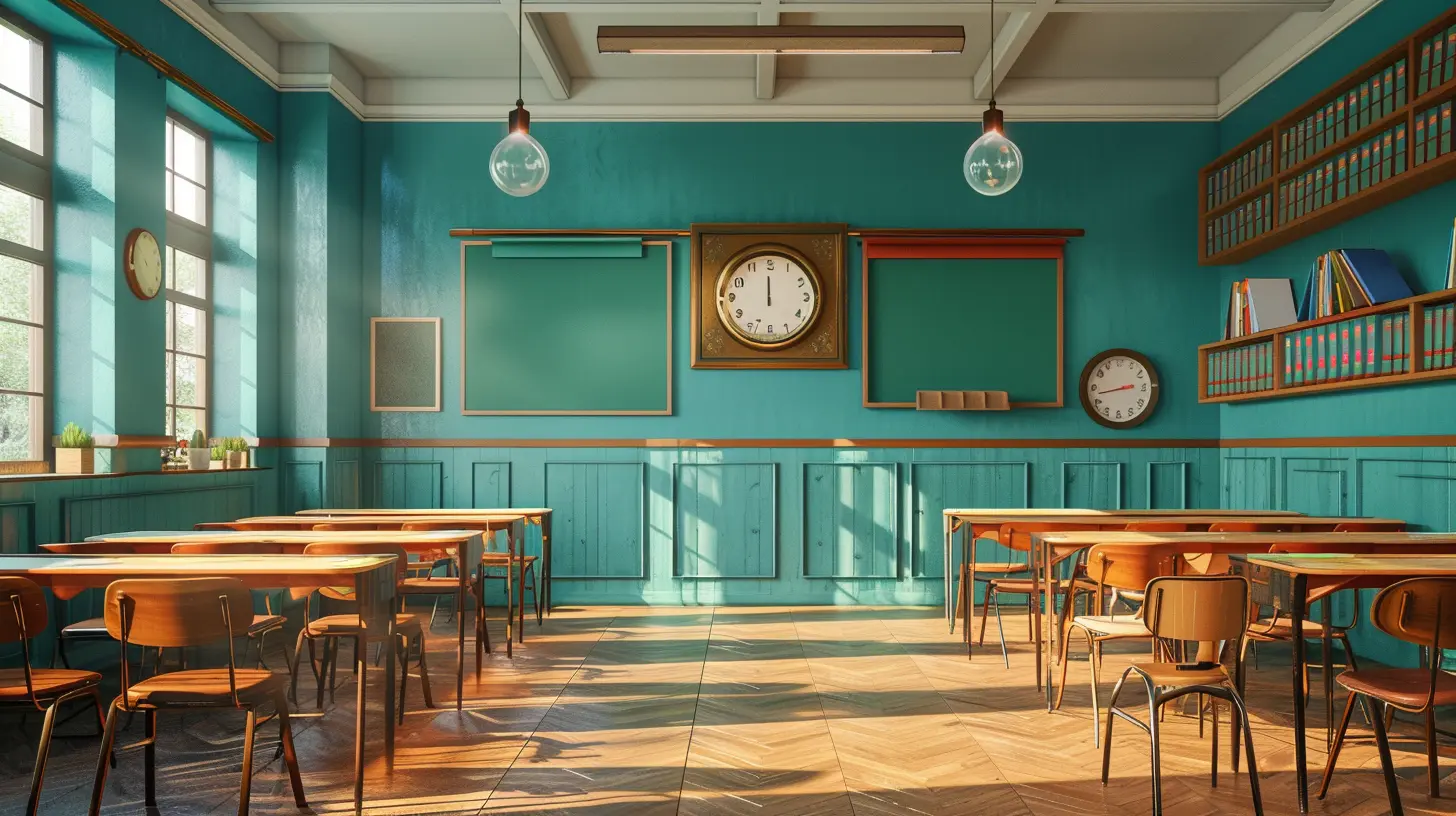
Why Are Classroom Routines Important?
Think of routines as the glue that holds a productive classroom together. When students know what to expect, they spend less time figuring things out and more time engaged in learning.? They minimize wasted time – No more lengthy explanations for simple tasks.
? They help students feel safe and confident – Predictability lowers anxiety and boosts participation.
? They encourage independence – Students take responsibility for their tasks without constant reminders.
? They reduce behavior issues – Chaos decreases when there’s structure.
Now, let’s break down some game-changing routines! 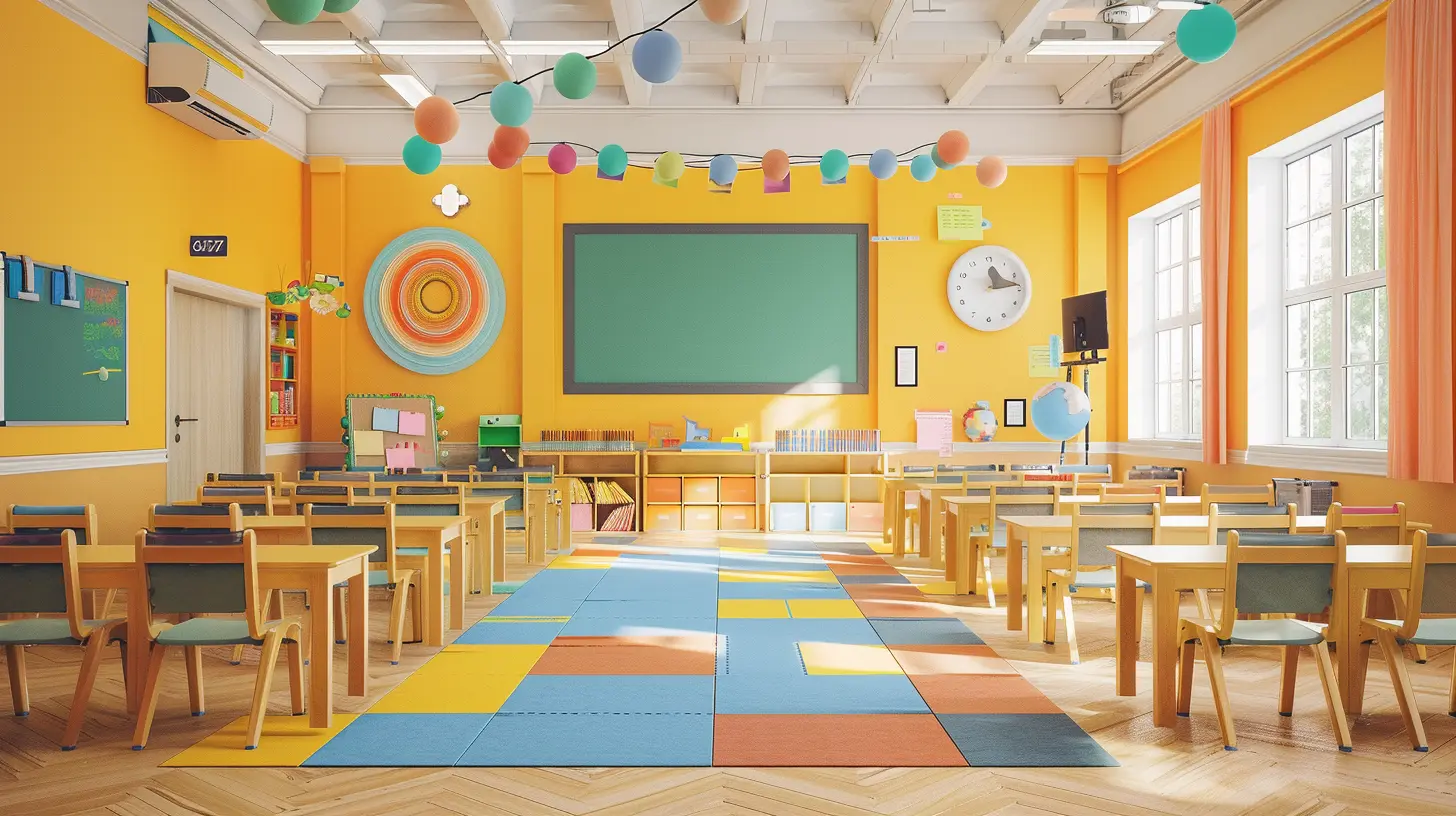
1. Start the Day with a Strong Morning Routine
Mornings set the tone for the entire day. If students walk into chaos, it takes a while to settle them down. Instead, create a morning routine that establishes order and focus.? Morning Routine Ideas
✔️ Greet Students at the Door – A simple “Good morning!” builds connections and sets a positive mood.✔️ Morning Warm-Up Activity – Bell-ringer activities (journal prompts, math puzzles, or quick writing exercises) get students thinking from the get-go.
✔️ Clear Expectations – Post the agenda on the board so students know what to expect.
With a solid morning routine, you won’t have to waste the first 15 minutes of class just getting students settled. 
2. Smooth and Efficient Transitions
Transitions can be one of the biggest time-wasters in a classroom. If it takes five minutes to switch from reading to math and you have four transitions a day—that’s 20 minutes lost! That’s like tossing an entire lesson in the trash!⏳ Tips for Faster Transitions
? Use a Countdown Timer – Give students a set amount of time to transition, and stick to it!? Incorporate Call-and-Response Techniques – Say “1,2,3, eyes on me,” and have students respond, “1,2, eyes on you.” It works like magic!
? Assign Student Helpers – Let students take charge of passing out materials or resetting the classroom.
The smoother your transitions, the more time you free up for actual learning. 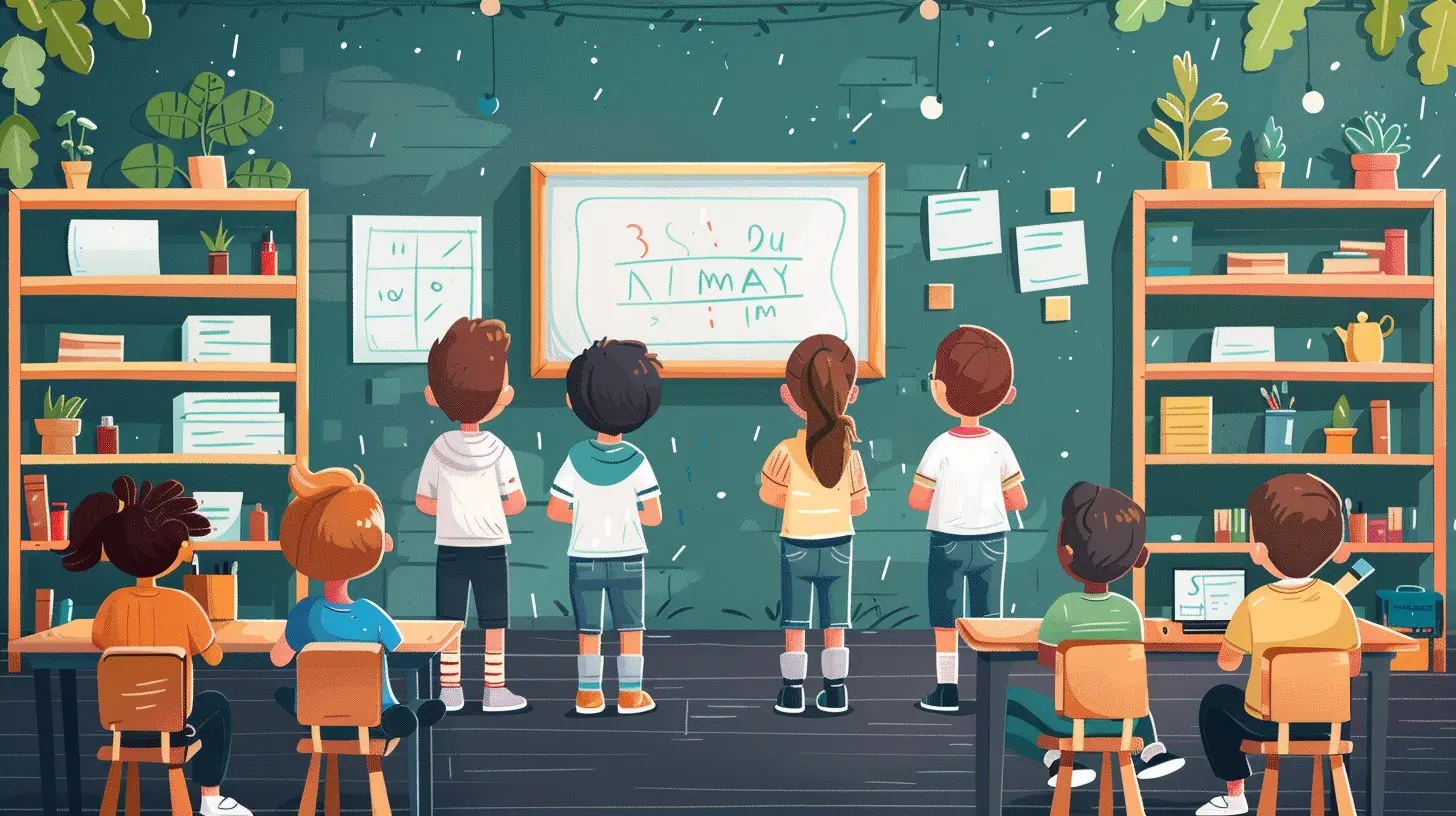
3. Establish a Routine for Asking Questions
Ever had that one student who always shouts out answers or interrupts lessons with random questions? While curiosity is great, a structured approach to questioning prevents chaos.? The Right Way to Ask Questions
? Think Time – Instead of calling on the first raised hand, give students a few seconds to process their responses.? Use Hand Signals – Teach students to hold up fingers (1 for a question, 2 for the bathroom, etc.) instead of blurting out.
? Parking Lot Strategy – Set up a whiteboard section where students can write questions that you’ll address later.
By setting expectations for when and how questions should be asked, you keep lessons moving smoothly.
4. Effective End-of-Class Wrap-Ups
Imagine this: The bell rings, and suddenly, pandemonium! Papers flying, students rushing out the door, and you barely manage to shout, “Don’t forget your homework!”An effective wrap-up routine ensures students leave class with clarity and don’t forget important information.
? End-of-Class Strategies
? Exit Tickets – Ask students to write one thing they learned or a lingering question before they leave.? Classroom Cleanup – Assign students jobs (pencil sharpener, desk checker, board eraser) so they leave the space tidy.
? Daily Reflection – Spend the last few minutes reviewing key points from the lesson.
Ending your class with structure means you don’t waste time tomorrow going over things they should’ve remembered.
5. Managing Classroom Materials Like a Pro
Ever lost valuable time searching for a dry-erase marker that actually works? Or watched students take forever to get out their notebooks? Keeping materials organized means less scrambling and more learning.? Smart Classroom Organization Hacks
✔️ Label EVERYTHING – Clearly marked bins eliminate the "Where does this go?" confusion.✔️ Assign Supply Managers – Designate students responsible for passing out and collecting materials.
✔️ Have a “No Name” Bin – Save time by tossing unclaimed papers in one spot instead of tracking down the owner.
A well-organized classroom keeps things moving so you don’t waste time on avoidable delays.
6. Dealing with Early Finishers
Some students race through their work while others need extra time. Instead of letting early finishers become a distraction, give them meaningful tasks.⏳ What Can Early Finishers Do?
✏️ Read a Book – Keep a class library for quiet reading.✏️ Challenge Work – Have extra puzzles, brain teasers, or creative writing prompts ready.
✏️ Peer Assistance – Let them check a friend’s work (with permission) or help organize classroom materials.
When students know what to do after finishing, you never hear the dreaded “I’m done! Now what?”
7. Setting Up a Homework Routine
How many times have you watched students leave class with zero memory of their homework assignment? Or heard, “I didn’t know we had homework!” the next day? ?? A Foolproof Homework System
? Post Assignments Clearly – Have a dedicated section on the board for homework.? Use Homework Folders – Encourage students to put assignments in one place so they don’t lose them.
? Daily Homework Check-In – Spend two minutes having students confirm they wrote it down.
Reinforcing a solid homework routine ensures students actually do their work—instead of “forgetting” (aka ignoring it).
Conclusion
Classroom routines aren’t about turning you into a drill sergeant—they’re about freeing up more time for what really matters: teaching and learning. When students know what to do and when, you spend less time managing chaos and more time engaging in meaningful lessons.Try implementing a few of these routines, and watch how they transform your classroom into a focused, productive, and positive learning environment. After all, teaching should feel rewarding—not like a constant game of catch-up!
all images in this post were generated using AI tools
Category:
Classroom ManagementAuthor:

Madeleine Newton
Discussion
rate this article
2 comments
Nyari McAllister
Great tips! Routines really make a difference in student engagement.
June 24, 2026 at 3:52 AM
Madeleine Newton
Thanks! I'm glad you found the tips helpful. Routines can truly transform the classroom experience.
Thistle Watson
This article provides valuable insights on classroom routines. Implementing these strategies can truly enhance student engagement and productivity. I appreciate the practical examples shared and look forward to trying them out in my own classroom.
May 16, 2026 at 11:28 AM
Madeleine Newton
Thank you for your feedback! I'm glad you found the insights and examples helpful. I hope they make a positive impact in your classroom.