Developing Self-Regulation Skills in Toddlers and Preschoolers
9 January 2026
If you're a parent, teacher, or caregiver, you've probably had your fair share of "meltdown moments" with little ones. One second they're giggling, and the next—boom!—they’re on the floor in full-blown tantrum mode because their toast was cut into squares instead of triangles. Sounds familiar?
Welcome to the world of toddlers and preschoolers, where emotions run high and impulse control is optional (at best). That’s where self-regulation comes into play. Helping young children develop self-regulation skills is one of the best gifts we can give them. It's not just about avoiding tantrums—it's about setting them up for lifelong success.
Ready to dive in? Let’s talk about what self-regulation really is, why it matters, and how you can start building these essential skills in your toddler or preschooler—without losing your mind in the process.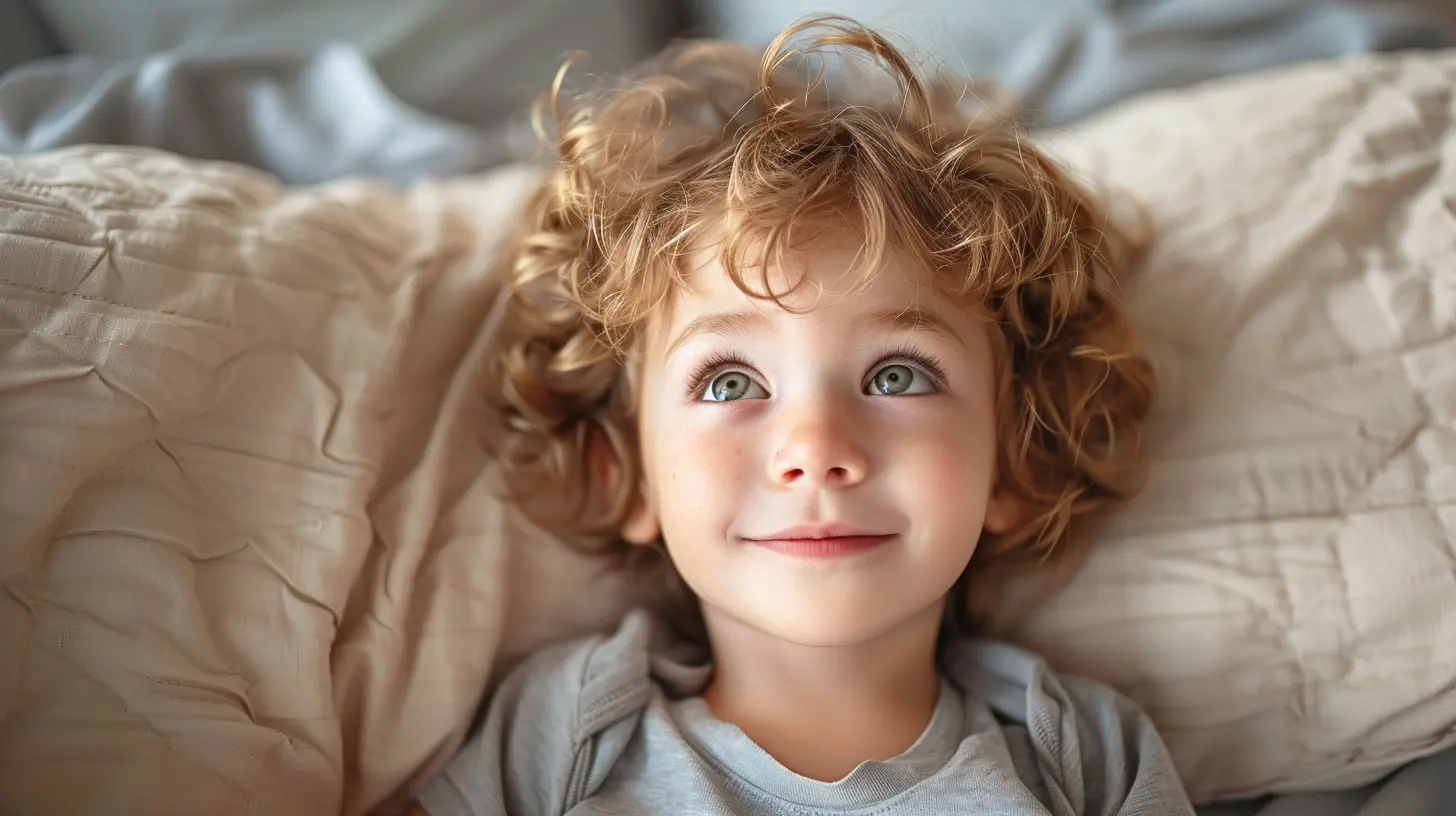
What is Self-Regulation Anyway?
Self-regulation is a fancy term for a simple (but powerful) idea: it's the ability to manage emotions, behavior, and thoughts in a way that supports positive outcomes. Think of it like the foundation of emotional intelligence.In toddler terms? It’s the ability to stop themselves from hitting when they’re angry, take turns even when they really want the toy, and calm down enough to fall asleep when their mind is racing.
Self-regulation doesn’t come naturally to most young kids—it’s a skill they develop over time, with lots of practice and support from the adults around them.
Why Does Self-Regulation Matter in Early Childhood?
Self-regulation is linked to better relationships, stronger learning, and more overall happiness. Here’s why it’s such a big deal:- Better academic success: Kids who can focus, follow instructions, and persevere through frustration tend to do better in school.
- Stronger social skills: Self-regulated kids handle conflict better, share more easily, and are more empathetic.
- Improved mental health: Emotional regulation helps reduce anxiety, stress, and behavioral issues.
- Lifelong impact: These are skills that not only matter in preschool but shape the way we handle jobs, relationships, and challenges later in life.
So yeah, those toddler tantrums? They’re actually golden opportunities for shaping future resilience and self-control. Pretty wild, right?
When Do Kids Start Developing Self-Regulation?
Self-regulation doesn’t show up overnight. It begins in infancy and continues to grow well into adulthood. But that toddler and preschool period (ages 1–5) is a major window for learning these skills.Here’s a rough look at how it unfolds:
- 12–24 months: Children begin noticing emotions and can sometimes calm themselves with support.
- 2–3 years: Tantrums are still common, but toddlers may start using basic coping strategies like cuddling a toy or asking for help.
- 3–5 years: Preschoolers begin to use language to express emotions, identify feelings in others, and control impulses (with help, of course).
Every child develops at their own pace. Some kids are naturally more even-keeled, while others are little emotional rollercoasters—it’s all normal.
Signs of Strong Self-Regulation in Young Children
Want to know if your little one is already building those skills? Look out for signs like:- Taking deep breaths or using words when upset
- Waiting their turn during group play
- Calming down after a stressful situation (with or without help)
- Expressing emotions like “I’m mad” or “I’m sad” instead of acting out
- Problem-solving without aggression
Even small steps in the right direction show progress. And remember—it’s not about perfection. It’s about growth.
What Makes Self-Regulation So Tricky for Toddlers?
Picture a brain under construction. That’s exactly what’s happening in early childhood. The prefrontal cortex—the part responsible for planning, impulse control, and decision-making—is still under heavy development. So asking a 2-year-old to "calm down" or "think before you act" isn’t just unrealistic…it’s like asking a puppy to file your taxes.Also consider:
- Overwhelming emotions: Toddlers feel BIG feelings in small bodies.
- Limited vocabulary: It’s hard to regulate your feelings when you don’t have the words to explain them.
- Stamina: Young kids get tired, hungry, overwhelmed, or overstimulated easily—all of which mess with self-control.
So instead of expecting calm and collected behavior at all times (spoiler: it won’t happen), let’s focus on building the tools together.
How to Help Toddlers and Preschoolers Develop Self-Regulation Skills
Alright, let’s get to the good stuff: What can you actually do to help your child develop self-regulation skills? Here’s a handful of tried-and-true strategies that make a real difference.1. Model the Behavior You Want to See
You are your child’s first and most important teacher. They’re watching your every move—yes, even when it doesn’t seem like it.If you stay calm during frustrating moments, your child learns that’s an option. If you take deep breaths or talk through your emotions out loud (“I’m feeling really frustrated, so I’m going to take a deep breath”), you’re teaching them through example.
Think of yourself as the emotional GPS. If you stay grounded, you help them navigate, too.
2. Create Predictable Routines
Routines reduce chaos—and with less chaos, kids are more likely to stay regulated.Why? Because routines offer a sense of safety. When your child knows what to expect, they’re not as easily thrown off by surprises. That leads to fewer meltdowns and more predictability.
Stick to consistent sleep, meal, and activity schedules. You don’t need to be rigid, but a rhythm helps big time.
3. Use Stories and Books to Talk About Feelings
Books are magical when it comes to helping kids understand emotions and behavior. Use picture books that focus on characters managing anger, disappointment, or frustration.After reading, talk about what the characters did. Ask questions like:
- “What do you think he felt?”
- “What could she have done instead?”
It’s like emotional training in storybook form.
4. Teach Calming Strategies
Help your child build a toolbox of ways to calm down when emotions run high. These might include:- Taking deep breaths (“Smell the flower, blow out the candle” is a fun way to teach this.)
- Counting to five
- Hugging a stuffed animal
- Going to a calm, cozy space
Practice these strategies when your child is calm—not in the heat of a tantrum. That way, they’ll actually remember them when they need them.
5. Set Clear Limits With Empathy
Boundaries are essential—but how you set them matters. Instead of reacting with anger, respond with empathy and firmness.Try saying, “I know you’re upset we can’t have more cookies, but our bodies need healthy food first.”
You’re validating their feelings (super important!) while still holding the line. Over time, this teaches kids that disappointment is okay—and manageable.
6. Celebrate Effort and Progress
Self-regulation is a long game. Celebrate small wins! When your child waits patiently or calms themselves down, praise the effort:- “You were really mad, but you used your breath to calm down—great job!”
- “You waited your turn even though it was hard. That shows a lot of self-control.”
Positive reinforcement encourages them to keep trying, even when it’s tough.
7. Use Play as Practice
Play is how kids learn. Through role-play, games, and pretend scenarios, children can practice decision-making, turn-taking, and emotional expression.Try games like:
- Simon Says (to practice impulse control)
- “Feelings” charades
- Pretend play with dolls or puppets to work through tricky emotions
It’s fun, low-pressure, and oh-so-effective.
Mistakes Will Happen—and That’s Okay
Self-regulation is a skill that takes years (and even adults struggle with it). There will be setbacks, bad days, and meltdowns. That doesn't mean you’re failing. It means your child is human.Use mistakes as teachable moments. Offer comfort, talk about what happened, and brainstorm what to do differently next time.
Remember—just like learning to walk, self-regulation requires stumbling before mastering.
When to Seek Extra Support
Some kids need a little more help than others developing self-regulation. If your child:- Has very frequent or intense meltdowns
- Struggles to calm down even with support
- Has trouble connecting with peers or following basic instructions
- Seems overwhelmed by daily routines
It may be time to consult with a pediatrician, child psychologist, or early intervention specialist.
There’s no shame in asking for help. In fact, it can make a huge difference for both you and your child.
Final Thoughts
Raising toddlers and preschoolers can often feel like trying to negotiate with tiny emotional tornadoes. But behind every outburst is a child learning how to manage their inner world—and you’re their guide.By modeling calm, teaching coping strategies, and offering consistent love and support, you can help your child build strong self-regulation skills that will serve them for life.
It won’t always be easy—but it will be worth it.
So the next time your little one is face down on the kitchen floor because you gave them the "wrong" sippy cup... take a deep breath. Self-regulation starts with us, too.
all images in this post were generated using AI tools
Category:
Early Childhood EducationAuthor:

Madeleine Newton
Discussion
rate this article
2 comments
Quentin McMaster
Thank you for this insightful article! It highlights the crucial role self-regulation plays in early childhood development. The practical strategies you provided are invaluable for parents and educators alike. I look forward to implementing these techniques to foster essential skills in young children.
January 29, 2026 at 11:43 AM
Madeleine Newton
Thank you for your kind words! I'm glad you found the article helpful and practical for fostering self-regulation in young children. Best of luck with the techniques!
Zander McCullough
This article highlights the crucial role of self-regulation in early childhood development. By fostering emotional awareness and impulse control through play and structured routines, parents and educators can significantly enhance children's ability to navigate their emotions and social interactions effectively.
January 12, 2026 at 5:24 PM
Madeleine Newton
Thank you for your insightful comment! I'm glad you found the article highlights on the importance of self-regulation in early childhood development valuable. Supporting children through play and routines is indeed essential for their emotional and social growth.