Developing Fine Motor Skills Through Hands-On Activities
31 December 2025
Fine motor skills — you’ve probably heard the term tossed around in parenting groups, early education blogs, or maybe even during a chat with your child’s teacher. But what does it really mean, and why is it such a big deal when kids are still just learning to color inside the lines or button up their jackets?
Well, let’s break it down, together. Fine motor skills refer to the coordination of small muscles—think fingers, hands, and wrists. These skills are the building blocks for everyday tasks like writing, tying shoelaces, using scissors, and even typing on a keyboard. They’re tiny tasks, but they have a big impact.
And here’s the good news: developing fine motor skills doesn’t mean pulling out a checklist or a workbook. It means getting hands dirty, having a little fun, and letting kids lead the way with hands-on activities that don’t feel like “work” at all.
In this article, we’re diving deep into how you can help children (and even adults!) improve their fine motor skills through play, creativity, and real-world tasks. So, roll up your sleeves—let’s get into it.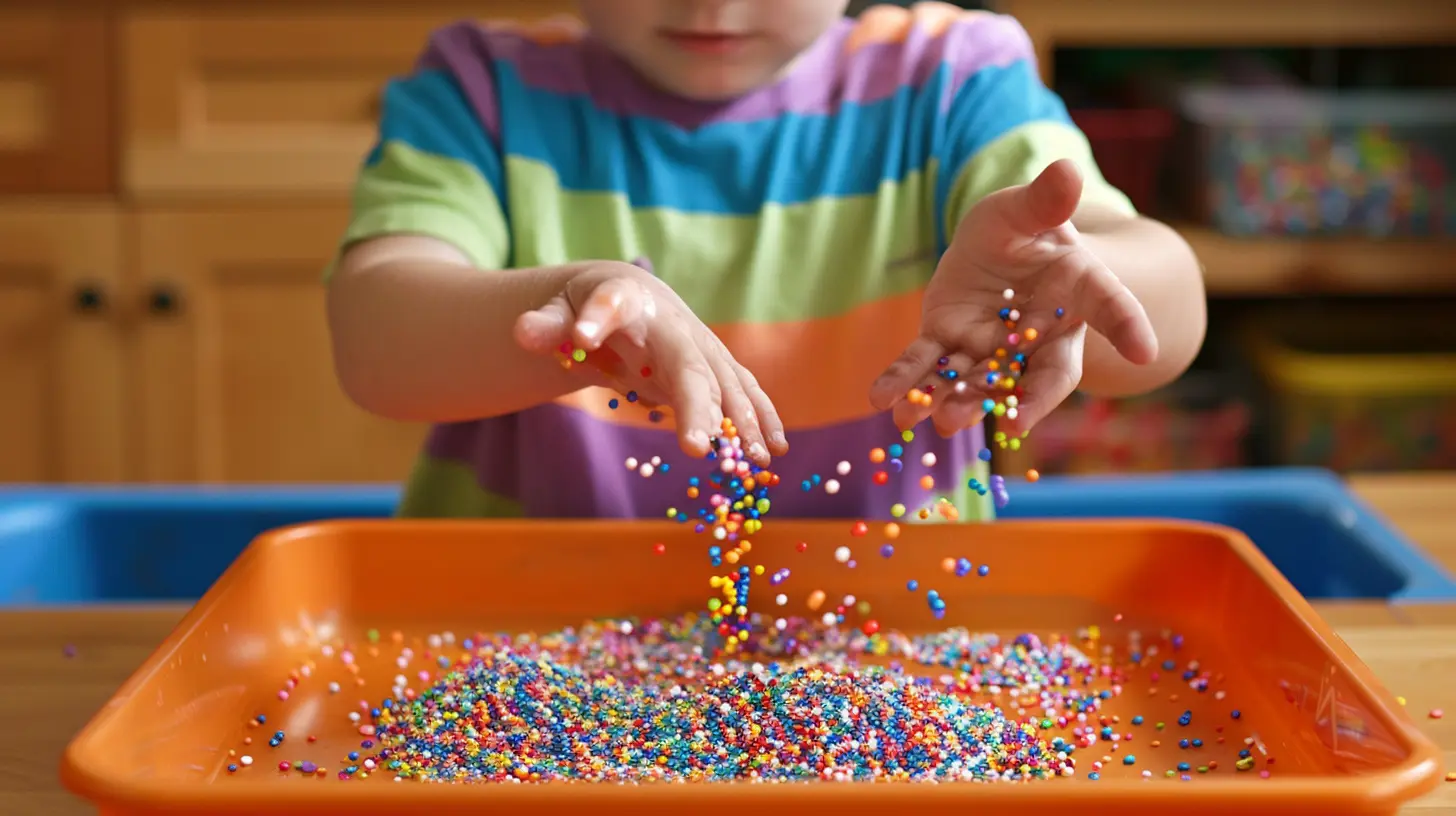
Why Fine Motor Skills Matter (More Than You Think)
Ever tried to write your name with a crayon using your non-dominant hand? Feels awkward, right? That’s a small taste of what it’s like for little ones who haven’t fully developed their fine motor abilities.Fine motor skills are the unsung heroes behind so many day-to-day tasks:
- Writing legibly
- Buttoning clothes
- Holding utensils
- Drawing and coloring
- Tying shoelaces
- Using tools like scissors or glue sticks
Without strong fine motor skills, kids can become frustrated, lose confidence, and even fall behind in schoolwork. But with the right support and activities, they can build those muscles and soar ahead.
What Exactly Are Fine Motor Skills?
Think of them as small feats of strength, coordination, and timing—just on a miniature scale. These include:- Grasping small objects (like a crayon or a bead)
- Pinching (like picking up a Cheerio between thumb and forefinger)
- Manipulating tools (scissors, tongs, paintbrushes)
- Hand-eye coordination (essential for writing or threading a needle)
It’s not just about the hands either. The brain is heavily involved, sending signals about what needs to move and how. So when kids work on their fine motor skills, they’re also exercising their brains.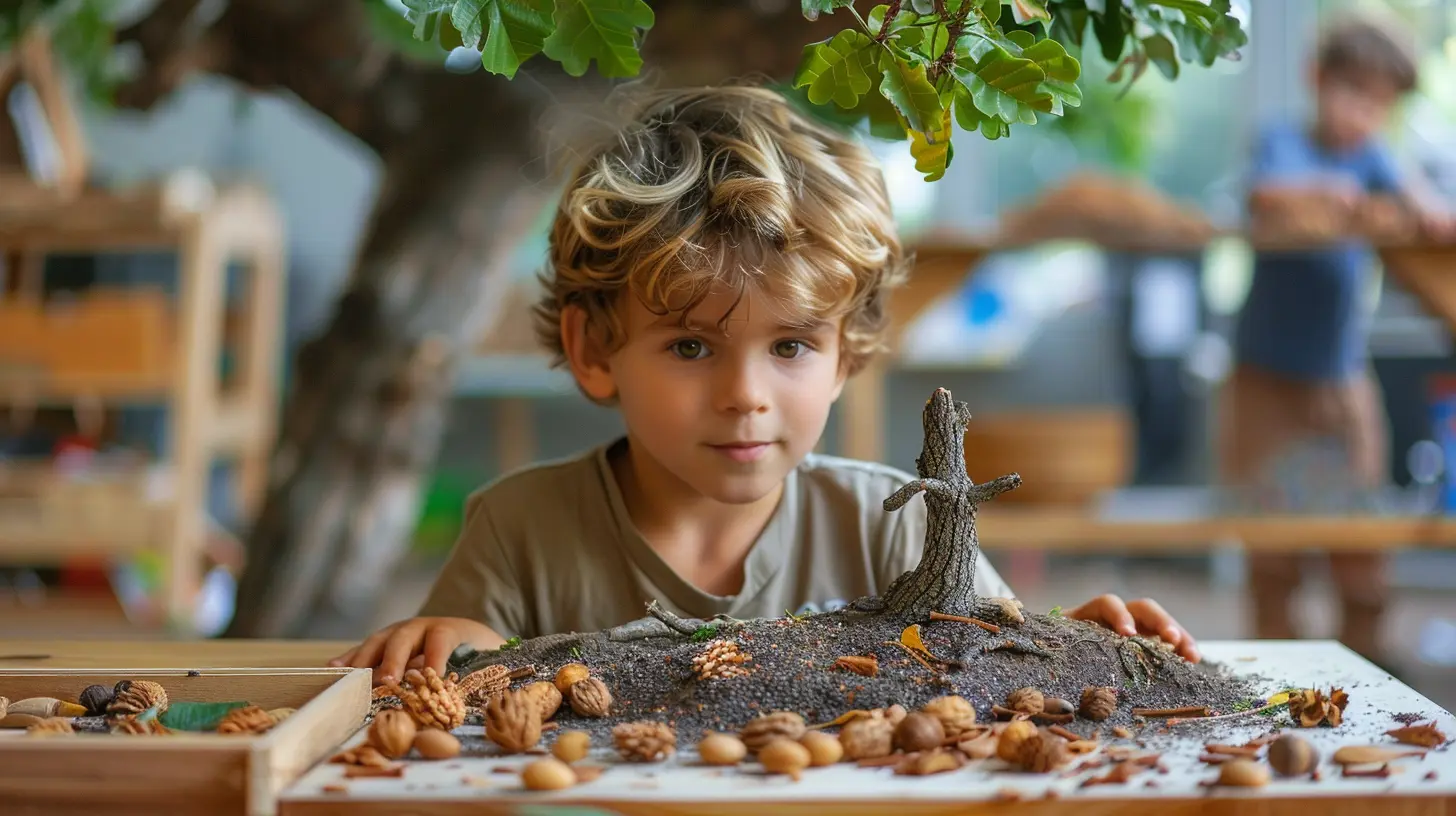
Hands-On Activities That Actually Work
Alright, now for the fun part. Here’s where kids don’t even realize they’re “working” on something important. These hands-on activities are low-prep, often inexpensive, and wildly effective.1. Playdough and Clay – The Ultimate Finger Gym
Squishing, rolling, pinching, and molding playdough targets all the right muscles. You can even sneak in extra challenges like:- Rolling tiny balls
- Making snakes and spirals
- Cutting with plastic tools
Bonus: This also boosts creativity and sensory development.
2. Beading and Lacing – Thread Your Way to Mastery
Hand-eye coordination? Check. Pincer grasp? Double check.Use:
- Pony beads and string
- Lacing cards
- Pipe cleaners and cereal (yes, Fruit Loops work!)
Great for quiet time, fine motor control, and even pattern recognition.
3. Scissor Skills – Cut It Out!
Cutting paper boosts hand strength and motor planning. Start with:- Straight lines, then curves and zigzags
- Different thicknesses of paper
- Collage-making to keep it fresh
Worried about safety? Use child-safe scissors and keep supervision close.
4. Tweezers, Tongs, and Chopsticks – Mini Movers
These tools are fun and sneaky ways to build hand strength and precision.Try:
- Picking up pom-poms or cotton balls
- Transferring small items between bowls
- Using ice cube trays for sorting
You’d be surprised how focused kids get when there’s a challenge involved.
5. Drawing and Coloring – Oldie but Goodie
It’s simple, but it works.Crayons, colored pencils, chalk—they all require grip and control. Try:
- Coloring inside intricate lines
- Drawing shapes or letters
- Tracing mazes and stencils
You’ll see improvement in pencil grasp and writing readiness before you know it.
6. Building Blocks and LEGOs – Create and Strengthen
Tiny pieces, big results.LEGOs and building toys challenge spatial awareness, problem-solving, and yes—fine motor skills. Let kiddos freestyle build or follow step-by-step instructions (hello, cognitive boost!).
7. Water Play – Wet and Wonderful
Give them cups, spoons, sponges, and eyedroppers in a tub of water. The act of squeezing and transferring liquid develops strength and coordination.Add food coloring or small toys to level up the fun!
Everyday Activities That Boost Fine Motor Skills
Not everything has to be a “set-up” activity. A lot of regular daily tasks are fabulous opportunities to build fine motor muscles:- Cooking and baking – Stirring, pouring, scooping, opening packages
- Dressing – Buttons, snaps, zippers, laces
- Cleaning – Wiping, scrubbing, wringing out cloths
- Gardening – Digging, planting seeds, watering with spray bottles
These real-life skills are empowering for children—and they come with the bonus of independence.
Tech Tools: Yay or Nay?
Digital tablets and styluses can offer some fine motor benefits (like tracing letters or coloring apps), but they’re not the end-all-be-all. Real-world, tactile play trumps screen time when it comes to developing those tiny but mighty muscles.So yes, tech has a place—but don’t let it replace the hands-on stuff.
Fine Motor Milestones by Age (Roughly Speaking)
Every child develops at their own pace, but here’s a ballpark of what fine motor skills might look like at each stage:Toddlers (1–3 years)
- Stack blocks- Turn pages
- Feed themselves with a spoon
Preschoolers (3–5 years)
- Use scissors- Draw shapes
- Start writing letters
Early Elementary (5–7 years)
- Tie shoelaces- Write sentences
- Build with smaller toys like LEGOs
If your child seems delayed, don’t panic. Talk to a pediatrician or occupational therapist—they’re your go-to pros when it comes to motor development.
Tips for Parents and Educators
Let’s get real—it can be tempting to jump in and “help” (read: take over). But the best way for kids to develop fine motor skills is through practice and patience.Here are some tips:
- Make it fun: Think games, art, and storytelling
- Repeat, repeat, repeat: Skills build through consistency
- Don’t stress about perfection: Progress over perfect
- Notice the little wins: Zipping up a coat is a big deal!
- Rotate materials: New tools spark curiosity and engagement
Ultimately, your encouragement and attitude make all the difference.
When to Seek Extra Help
While most kids develop fine motor skills naturally, some might need a little extra support. Keep an eye out for:- Difficulty using utensils or tools
- Trouble dressing independently
- Avoidance of drawing, cutting, or writing
- Awkward hand grips or using too much force
If these issues persist, a licensed occupational therapist can provide strategies and support to get things on track.
Final Thoughts: The Power of Play With Purpose
Let’s stop thinking of motor skill development as something that’s confined to worksheets or therapy rooms. Developing fine motor skills through hands-on activities is one of the most natural, joyful, and impactful things we can do with children.Whether it’s squishing playdough, threading beads, or making pancakes on a Saturday morning, every moment is a chance to build fine motor strength. So go ahead—start building that finger gym, one fun activity at a time!
all images in this post were generated using AI tools
Category:
Early Childhood EducationAuthor:

Madeleine Newton
Discussion
rate this article
2 comments
Maria Price
Great ideas for engaging activities!
January 18, 2026 at 4:21 AM
Madeleine Newton
Thank you! I'm glad you found the ideas helpful!
Elise Huffman
Thank you for this insightful article! I appreciate the emphasis on hands-on activities to enhance fine motor skills. It’s a reminder of how crucial play is in early development. I’m excited to incorporate these ideas into my teaching and see the positive impact on my students.
January 5, 2026 at 9:14 PM
Madeleine Newton
Thank you so much for your kind words! I'm thrilled to hear you're excited to implement these ideas in your teaching. Best of luck with your students!